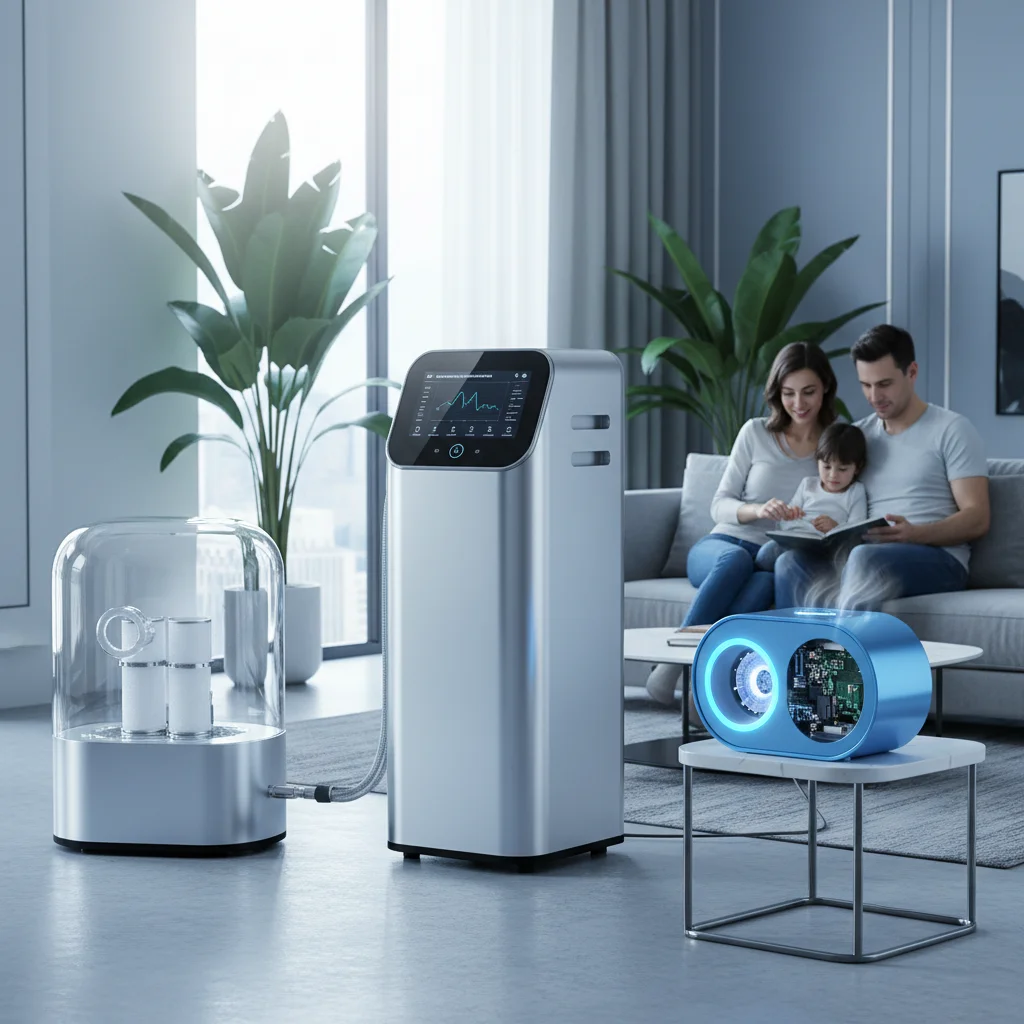
In an era where indoor air quality has become a critical component of public health, the emergence of the photocatalytic air purifier represents a significant leap in environmental engineering. Unlike traditional filtration systems that merely trap particles, these advanced systems utilize a chemical reaction to decompose pollutants at a molecular level, ensuring a deeper and more sustainable form of purification.
Understanding the mechanics of photocatalytic oxidation is essential for industries ranging from healthcare to heavy manufacturing. By leveraging the synergy between a semiconductor catalyst—typically titanium dioxide—and ultraviolet light, these devices can neutralize volatile organic compounds (VOCs), odors, and biological pathogens, providing a comprehensive shield against invisible airborne threats.
As global urbanization increases and air pollution reaches critical levels, the adoption of photocatalytic air purifier technology offers a scalable solution for creating healthier living and working spaces. This guide explores the technical foundations, global applications, and future trajectory of this innovative air cleaning technology.
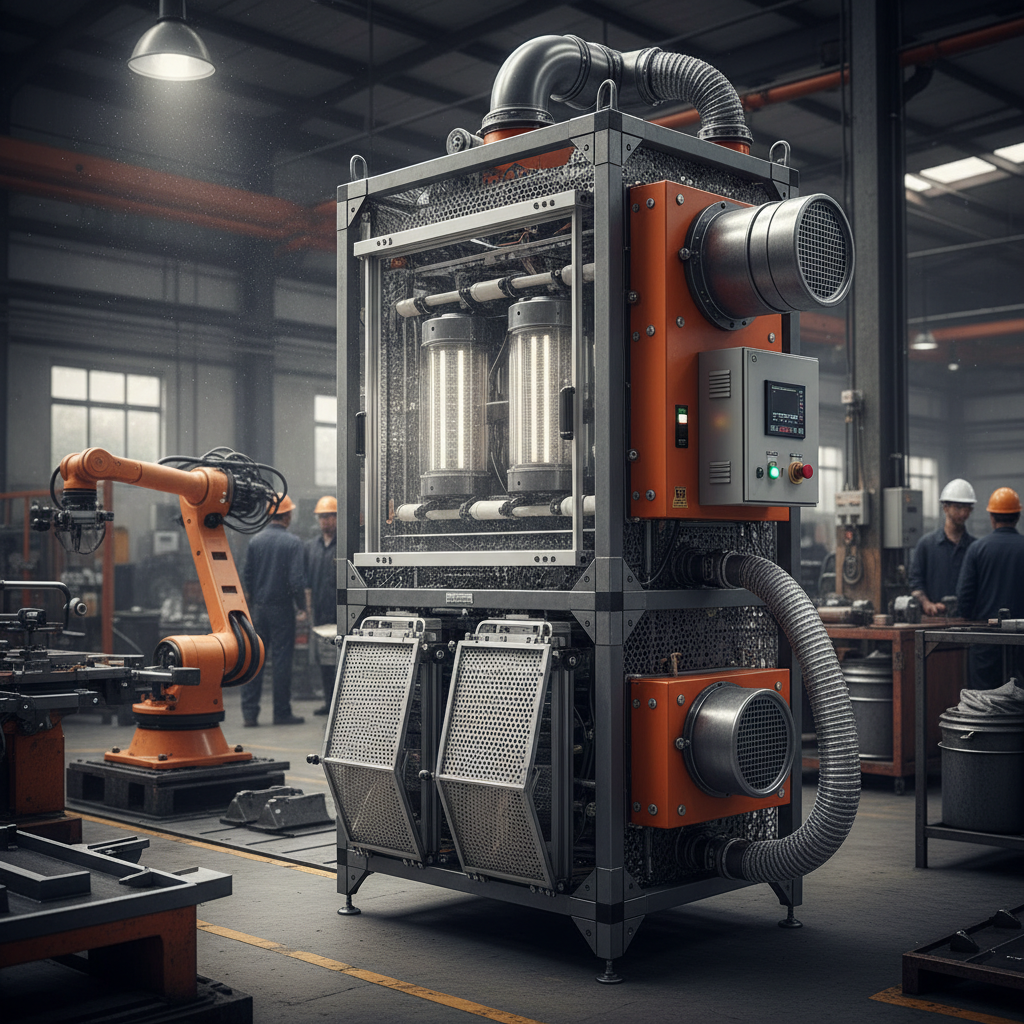
The Fundamental Mechanism of Photocatalytic Air Purifiers
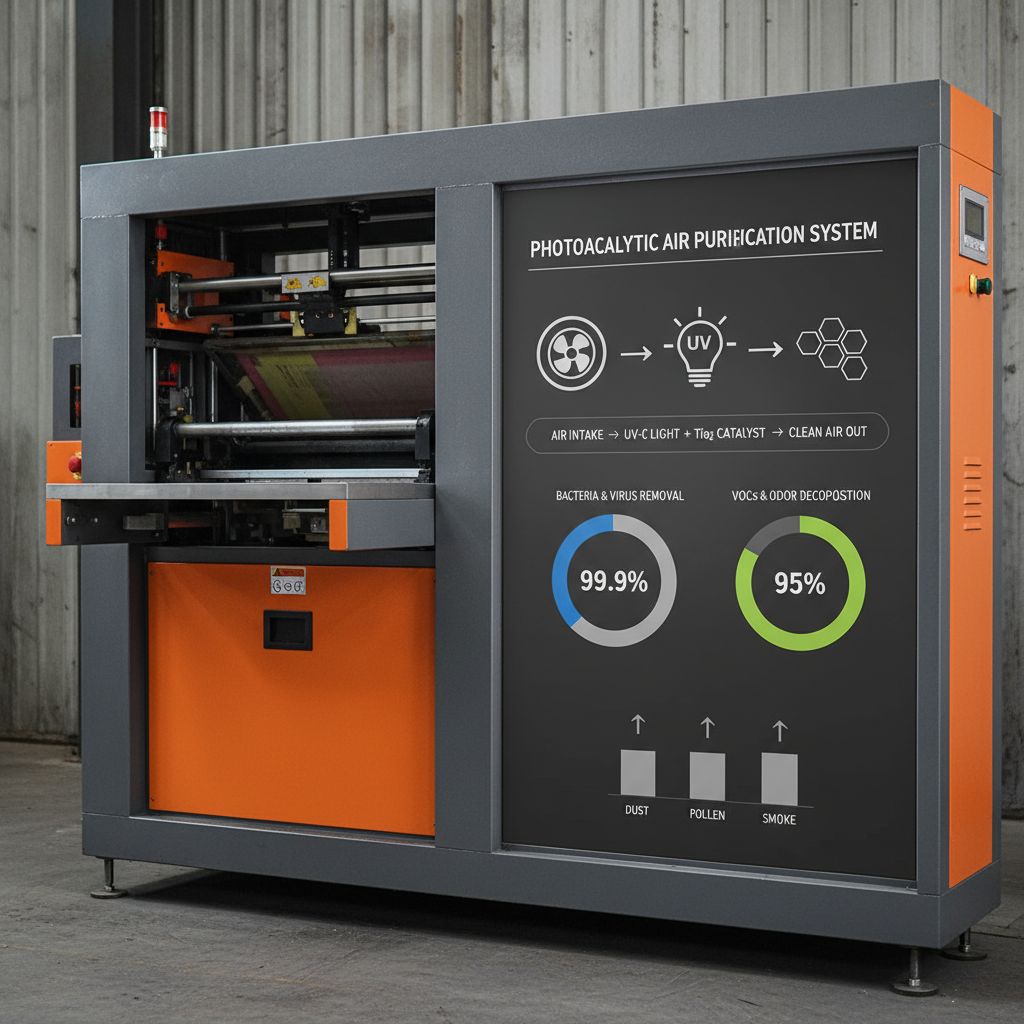
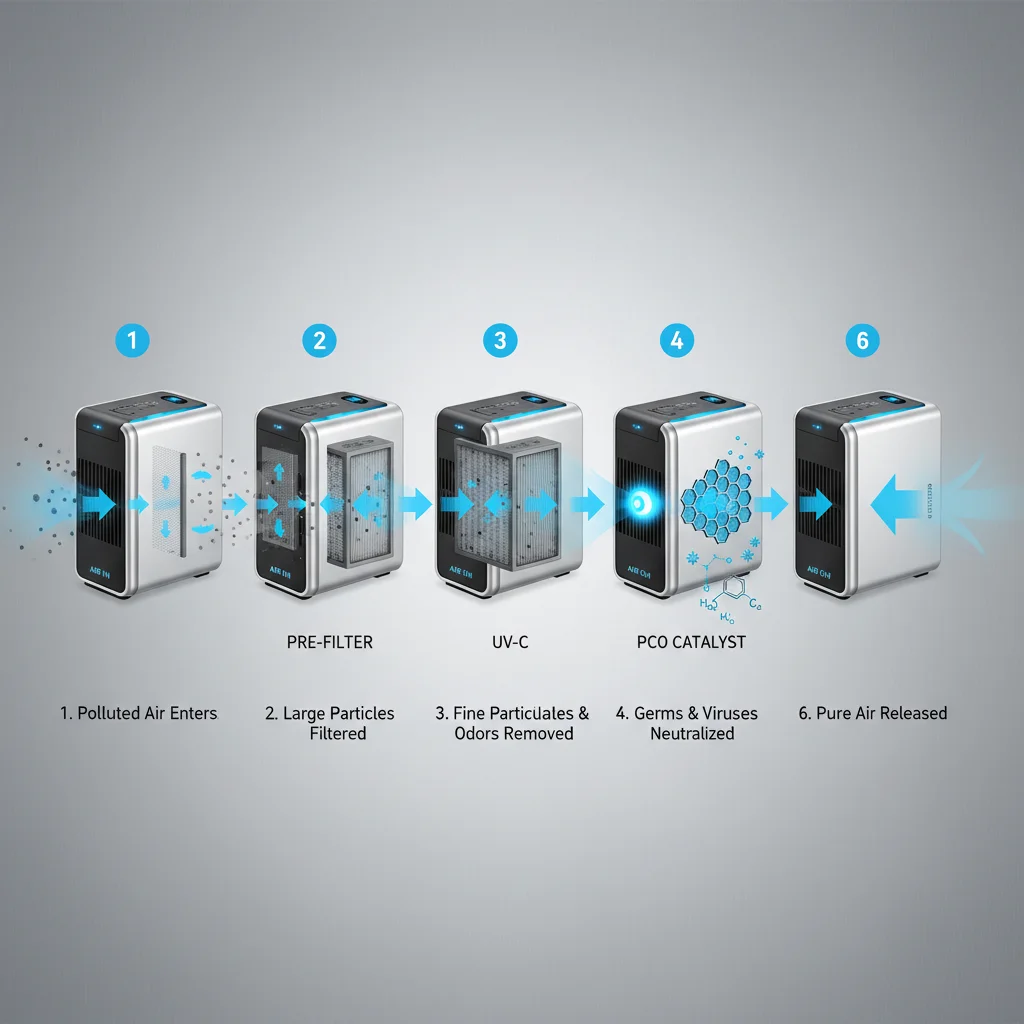
The core operation of a photocatalytic air purifier relies on the principle of photocatalysis, where a catalyst—usually Titanium Dioxide (TiO2)—is activated by UV light. When photons strike the catalyst surface, they create electron-hole pairs that react with moisture and oxygen in the air to produce hydroxyl radicals (•OH) and superoxide ions. These highly reactive species act as "molecular scissors," breaking down complex organic pollutants into harmless substances like water and carbon dioxide.
This process is fundamentally different from HEPA filtration, which simply captures particles in a mesh. Because the catalyst is not consumed during the reaction, a well-maintained photocatalytic air purifier can provide continuous air cleaning without the frequent need for filter replacements, making it a highly efficient choice for high-load industrial environments.
Global Market Trends and Industry Relevance
Globally, the demand for advanced air purification has surged, driven by stringent ISO air quality standards and a growing awareness of Sick Building Syndrome (SBS). According to recent environmental data, indoor air can be up to five times more polluted than outdoor air, prompting organizations and governments to invest in active purification technologies. The photocatalytic air purifier has moved from niche laboratory use to widespread industrial application.
In regions like East Asia and North America, the integration of PCO (Photocatalytic Oxidation) into HVAC systems is becoming the standard for commercial skyscrapers and hospitals. The challenge the industry faces is the shift from passive filtration to active decontamination, as traditional filters struggle to handle gaseous pollutants and odors, which are prevalent in chemical plants and metallurgical facilities.
The economic impact of this shift is evident in the growth of the "Clean Air" sector, where the focus has pivoted toward sustainability. By reducing the reliance on disposable synthetic filters and focusing on regenerable catalysts, the modern photocatalytic air purifier aligns with global carbon-neutral goals and circular economy principles.
Core Components and Engineering Specifications
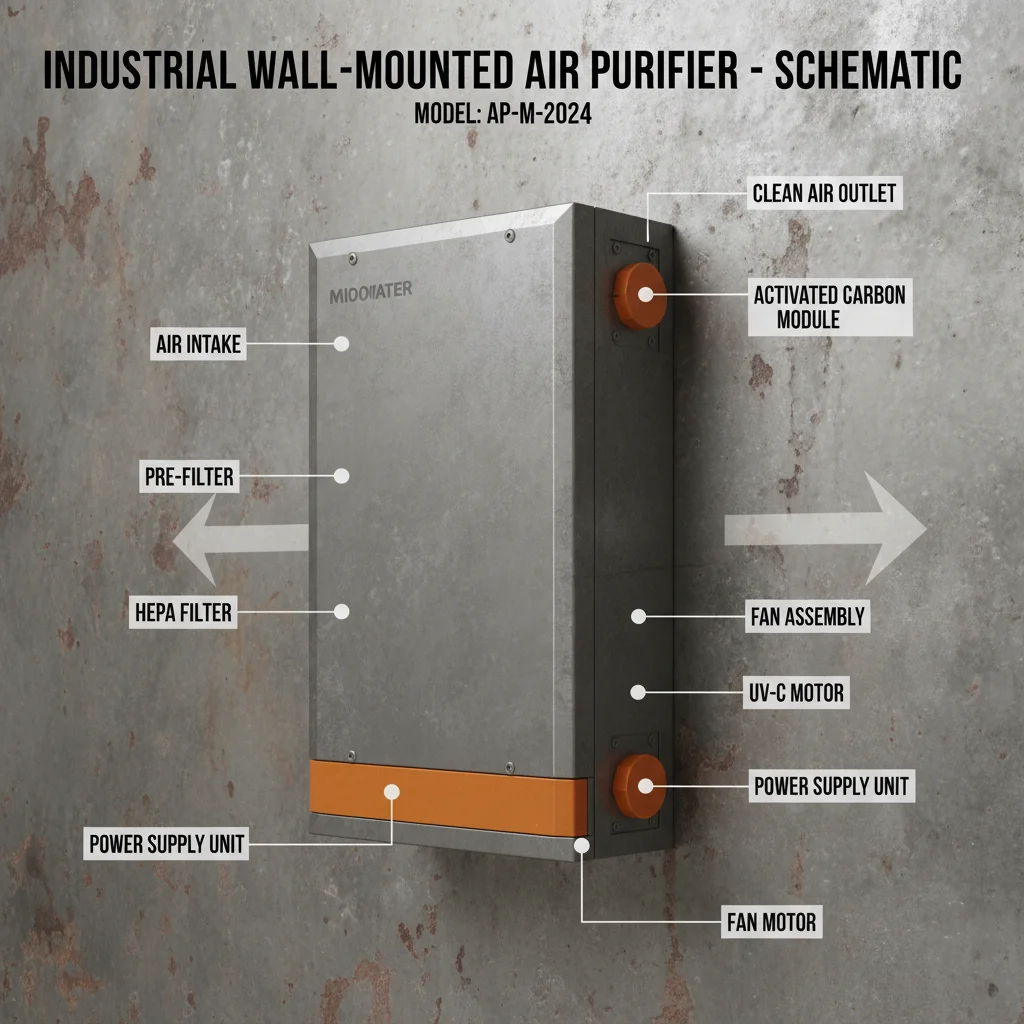
The effectiveness of a photocatalytic air purifier depends heavily on the surface area of its catalyst. High-grade catalysts are often coated on honeycombed ceramic structures or specialized wire meshes to maximize the contact between the polluted air and the active TiO2 layer.
UV-C light sources are the primary drivers of the reaction. Modern engineering has transitioned from traditional mercury lamps to energy-efficient UV-LEDs, which allow for a more compact photocatalytic air purifier design with a longer operational lifespan and reduced ozone byproduct emission.
Airflow dynamics also play a crucial role. To ensure maximum decontamination, the system must maintain a precise "dwell time"—the duration the air remains in contact with the catalyst. Advanced photocatalytic air purifier units utilize variable-speed fans and smart sensors to optimize this flow based on real-time pollutant concentrations.
Comparative Performance Metrics in Air Purification
When evaluating a photocatalytic air purifier against other technologies, the most critical metrics are the Clean Air Delivery Rate (CADR) and the Single-Pass Efficiency. While HEPA filters excel at particulate matter (PM2.5), PCO systems dominate in the neutralization of gaseous VOCs and bio-aerosols.
The following analysis demonstrates how different photocatalytic configurations perform across various pollutant categories, highlighting the superiority of hybrid systems that combine mechanical filtration with active photocatalysis.
Performance Comparison of Photocatalytic Air Purifier Technologies
Real-World Applications Across Diverse Sectors
In industrial zones, particularly in the metallurgy and wire mesh manufacturing sectors, the photocatalytic air purifier is indispensable for removing metallic fumes and organic solvents used in machinery coating. By integrating these purifiers into the factory exhaust systems, companies can significantly reduce their environmental footprint and comply with strict workplace safety regulations.
Beyond the factory floor, these systems are widely deployed in healthcare settings. In operating rooms and isolation wards, the ability of a photocatalytic air purifier to destroy airborne viruses and bacteria—rather than just trapping them—reduces the risk of secondary contamination during filter changes, ensuring a sterile environment for patient recovery.
Long-Term Value and Environmental Sustainability
The long-term value of investing in a photocatalytic air purifier lies in its operational cost-efficiency. While the initial capital expenditure may be higher than basic filters, the drastic reduction in replacement costs and the energy savings from improved airflow (due to lower pressure drops across the catalyst) result in a lower total cost of ownership (TCO) over a 5-year cycle.
From a sustainability perspective, PCO technology mitigates the massive amount of landfill waste generated by disposable fiberglass and plastic filters. Because the catalyst is a mineral-based substance that remains active for thousands of hours, the photocatalytic air purifier supports a greener industrial infrastructure.
Moreover, the psychological impact of guaranteed air purity enhances worker productivity and trust. In high-stress industrial environments, knowing that the air is being actively detoxified fosters a sense of safety and dignity, proving that innovation in air quality is as much about human well-being as it is about technical specifications.
Future Innovations in Photocatalytic Materials
The next frontier for the photocatalytic air purifier is the development of visible-light-active catalysts. Current systems rely on UV light, but researchers are now doping TiO2 with nitrogen or noble metals to allow the catalysts to function under normal indoor lighting or sunlight, further reducing energy consumption.
Digital transformation is also playing a role, with the integration of IoT sensors that allow the photocatalytic air purifier to automatically adjust its UV intensity and fan speed based on the specific type of pollutant detected, whether it be formaldehyde or ozone.
As automation increases in the manufacturing of catalysts, we expect to see 3D-printed catalyst lattices that optimize air turbulence, ensuring every cubic centimeter of air is fully treated. This evolution will make the photocatalytic air purifier more accessible and powerful than ever before.
Analysis of Photocatalytic Material Evolution and Performance
| Material Type |
Activation Source |
Degradation Rate |
Maintenance Cycle |
| Pure TiO2 (Anatase) |
UV-C Light |
Medium |
24 Months |
| Nitrogen-Doped TiO2 |
Visible Light |
High |
18 Months |
| Ag-TiO2 Composite |
UV-A/B Light |
Very High |
36 Months |
| Graphene-based Hybrid |
Full Spectrum |
Extreme |
48 Months |
| Zinc Oxide (ZnO) |
UV Light |
Medium |
12 Months |
| Nano-structured Mesh |
Mixed UV/LED |
High |
30 Months |
FAQS
A HEPA filter is a passive mechanical sieve that traps particles on a physical medium. In contrast, a photocatalytic air purifier is an active chemical system. It doesn't just hold onto pollutants; it uses a catalyst and light to break them down into harmless gases like CO2 and H2O. This makes it far more effective for removing smells, gases, and microscopic viruses that might pass through a standard filter.
Yes, when designed correctly, they are extremely safe. The UV light is contained within the device's internal chamber, and the catalyst remains bonded to the surface. Modern units are engineered to prevent ozone leakage, ensuring that the air released back into the room is cleaner and safer than the air that entered. Always ensure you choose a certified, high-quality manufacturer.
One of the biggest advantages of this technology is that the catalyst is not "consumed" during the reaction. However, over time, the surface can become "poisoned" by heavy dust or inorganic buildup. Depending on the air quality of your environment, a catalyst usually needs professional cleaning or replacement every 2 to 5 years, which is significantly less frequent than traditional filter replacements.
Absolutely. Because they target Volatile Organic Compounds (VOCs) at a molecular level, they are far superior to carbon filters for odor removal. Whether it is chemical fumes in a factory or organic odors in a hospital, the photocatalytic air purifier oxidizes the odor-causing molecules, eliminating the smell entirely rather than just masking it.
Traditional UV lamps did have a noticeable energy draw, but the shift toward UV-LED technology has drastically reduced power consumption. Most modern photocatalytic air purifiers now operate with high energy efficiency, often consuming no more power than a standard desktop fan, making them cost-effective for 24/7 operation.
Yes, PCO modules can be installed directly into the ductwork of an existing HVAC system. This allows for whole-building purification, as the air is treated every time it recirculates. This is a common practice in modern commercial architecture to maintain high air quality standards across large floor plans without needing multiple standalone units.
Conclusion
The photocatalytic air purifier represents a paradigm shift in how we approach air quality, moving from simple filtration to active molecular decontamination. By integrating advanced semiconductor catalysts with UV technology, these systems provide an unparalleled ability to neutralize VOCs, pathogens, and industrial odors, ensuring a healthier environment for both workers and residents.
Looking forward, the continued evolution of visible-light catalysts and IoT-driven automation will make this technology even more efficient and sustainable. For industries seeking to enhance their workplace safety and environmental compliance, adopting these advanced purification systems is no longer an option, but a strategic necessity for long-term growth and human well-being. Visit our website: www.meshmachinery.com