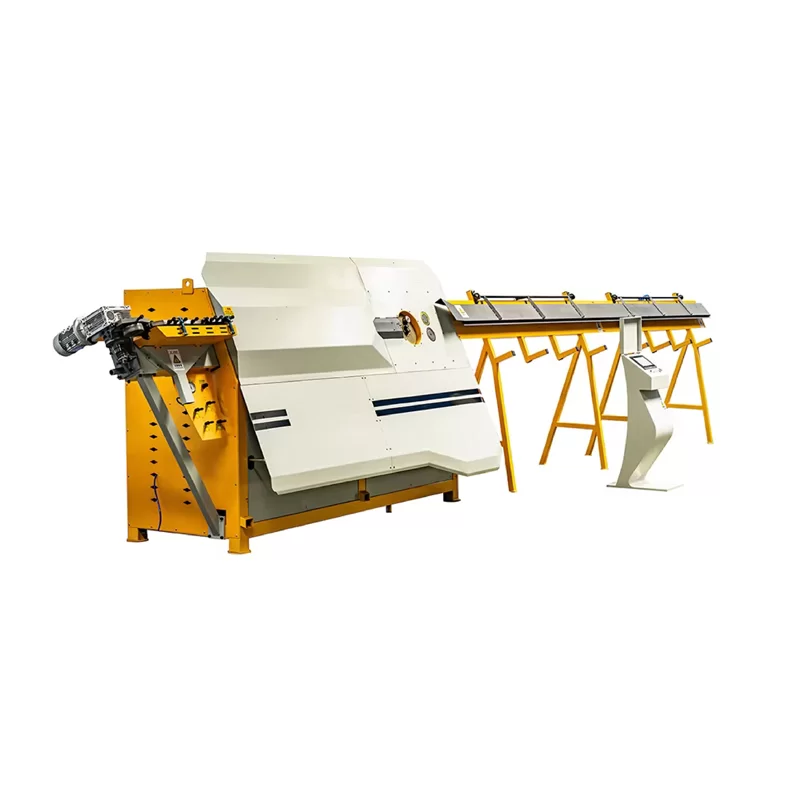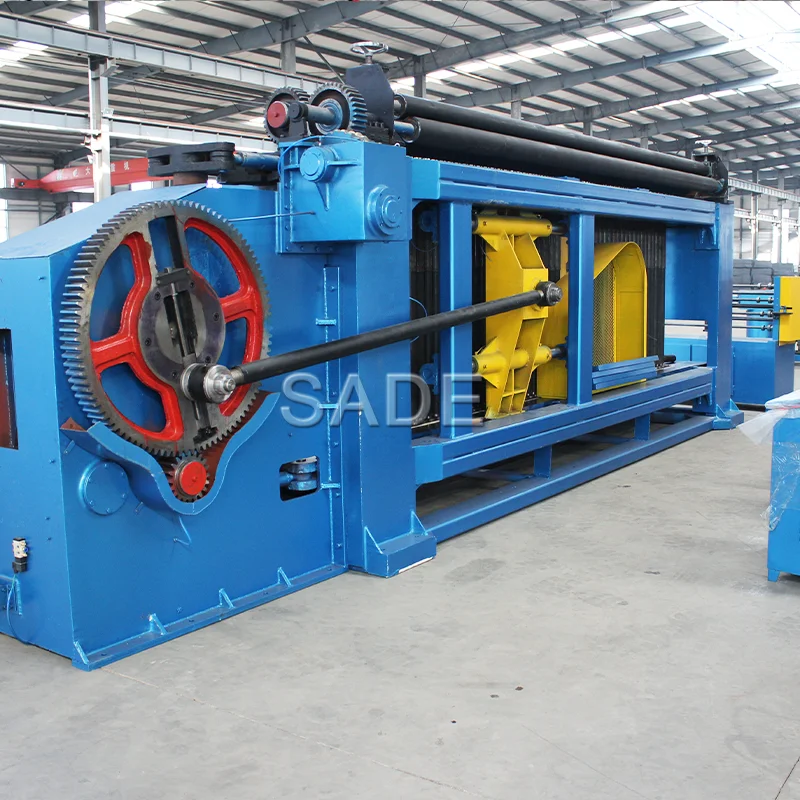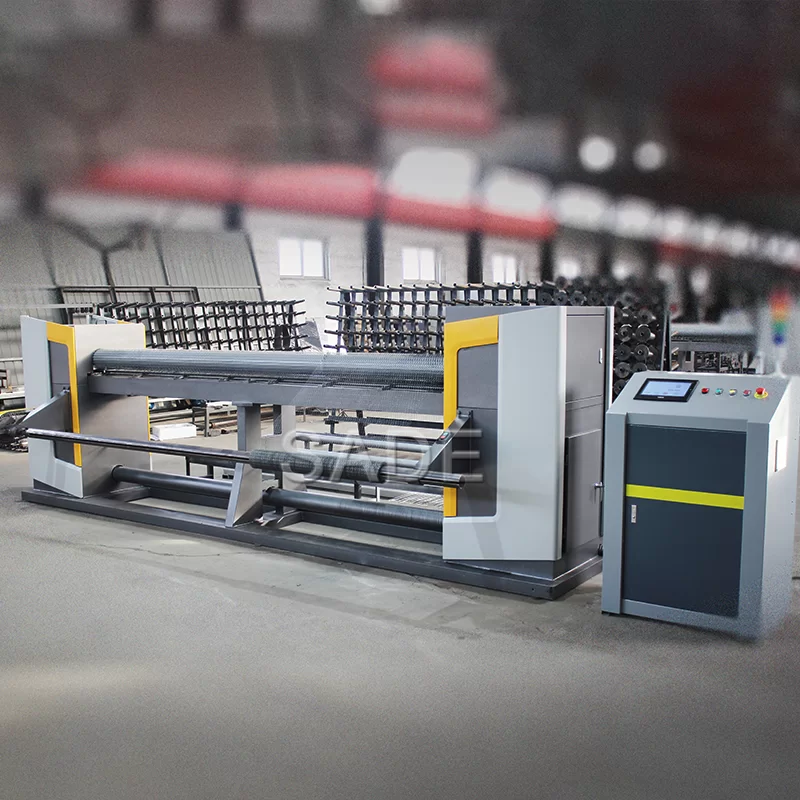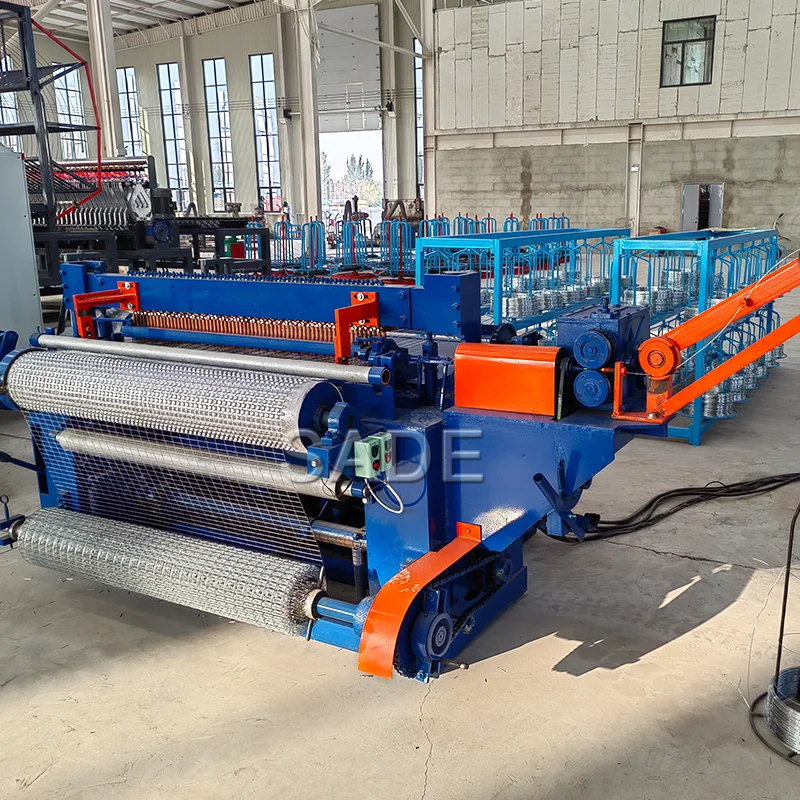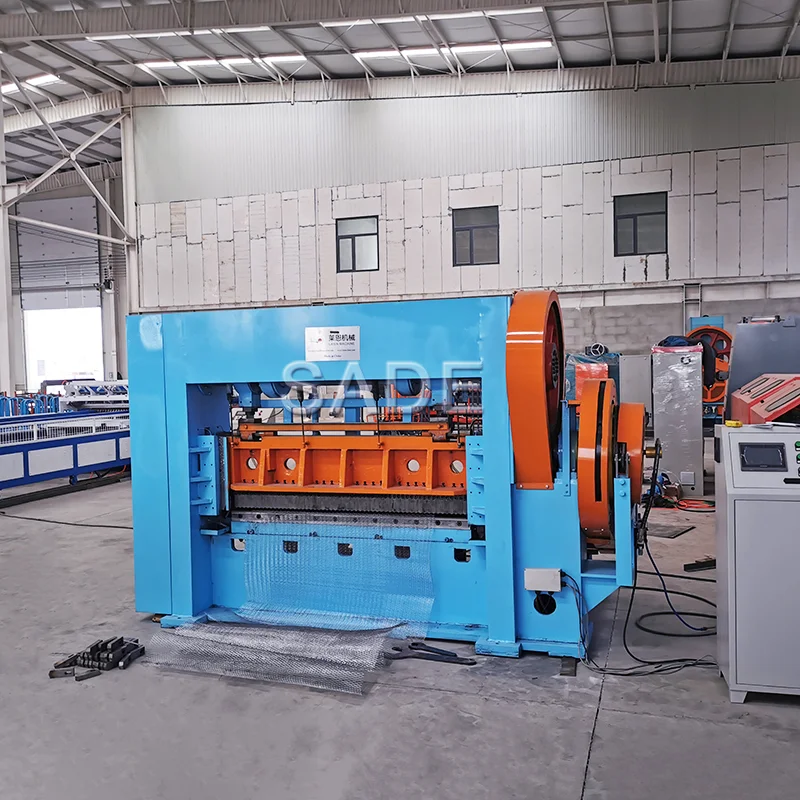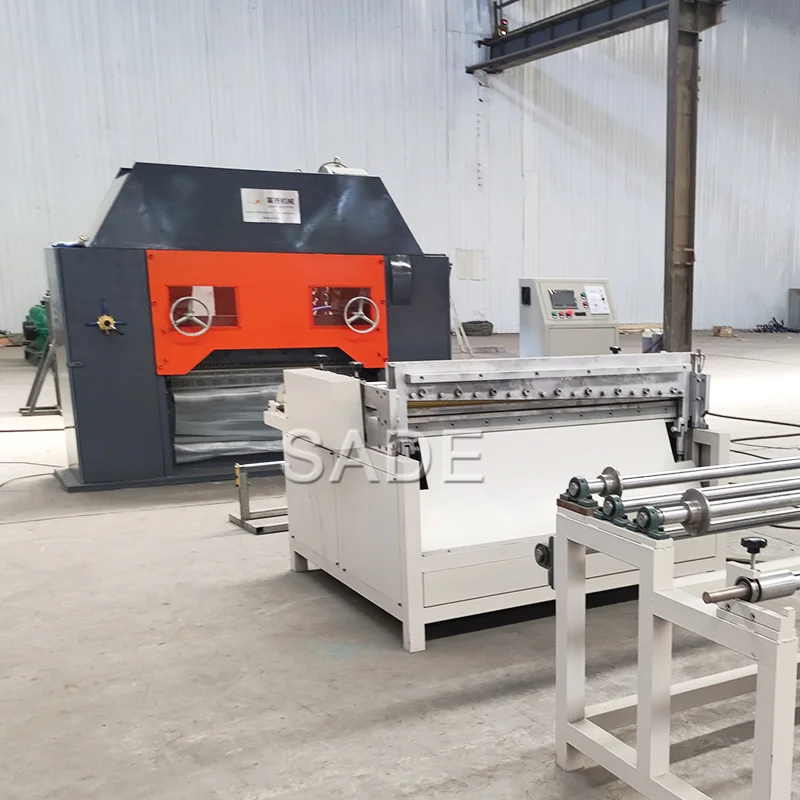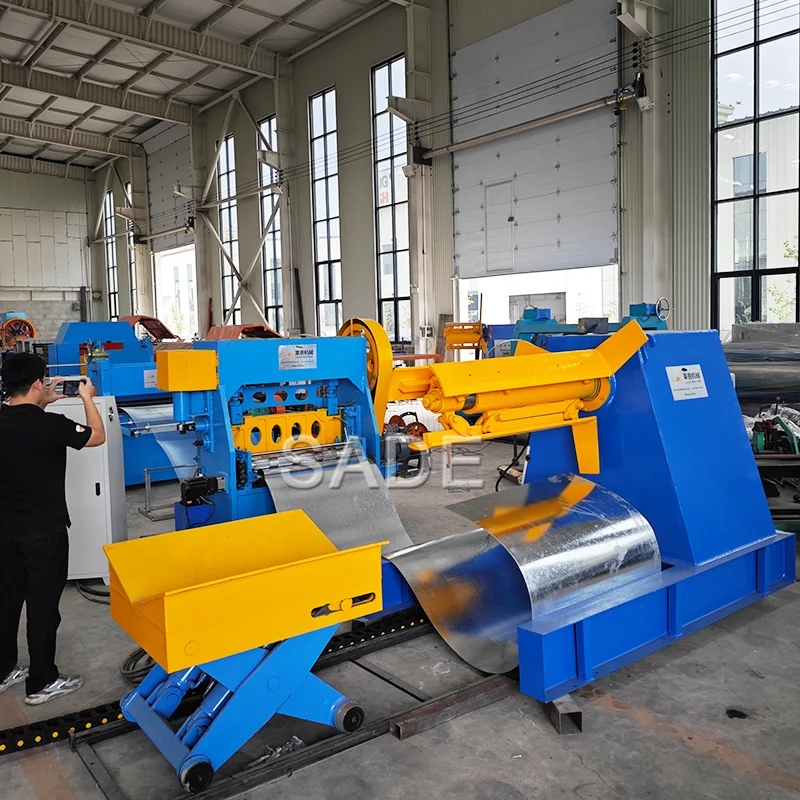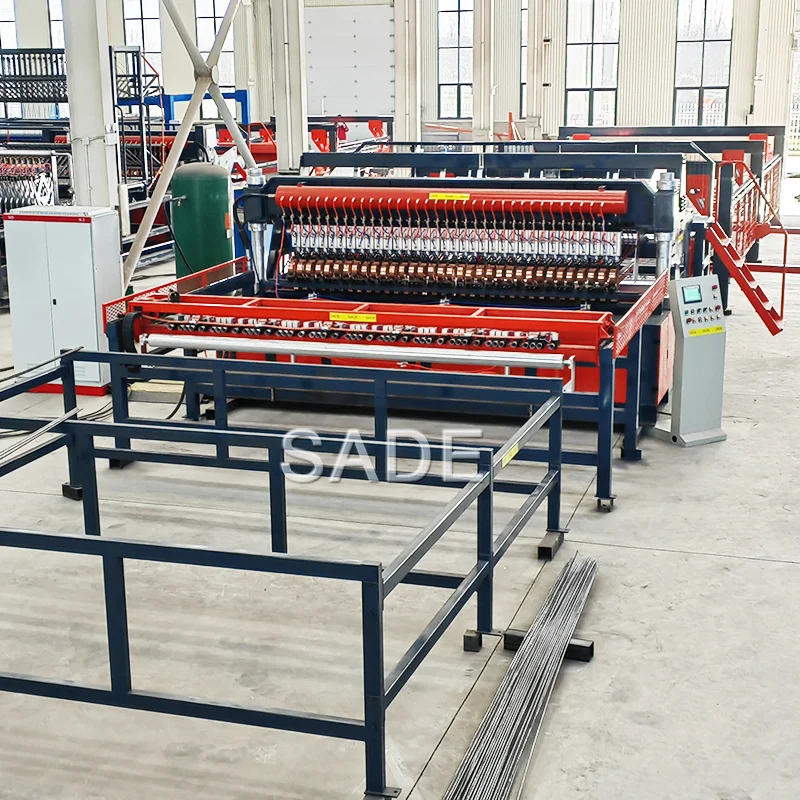

For manufacturers navigating the complex landscape of industrial mesh production, clarity is the first step toward efficiency. The standard semi automatic welding definition refers to a fabrication process where the welding equipment controls the electrode feed and arc length, while the operator manually guides the welding gun or positions the workpiece. This hybrid approach seeks to balance human adaptability with mechanical consistency. However, understanding this definition is only the beginning of solving your production challenges. The real question is not just what the process is, but how it scales to meet modern demand.
Hebei Jiake Wire Mesh Machine Co., Ltd. transforms this theoretical definition into tangible industrial advantages. Established in 2000, we have spent over two decades evolving from basic semi-automatic concepts to fully integrated, high-speed CNC solutions. Whether you are upgrading from manual processes or optimizing an existing line, our experience in serving over 100 countries ensures that we provide equipment that matches your specific operational "definition" of success.
We recognize that transitioning to new machinery involves risk. By leveraging our R&D integration and ISO9001 certified quality systems, we help you move beyond the dictionary definition of welding and into a reality of high stability and reduced downtime.
To truly appreciate high-quality machinery, one must analyze the technical metrics that differentiate professional equipment from standard market options. While the semi automatic welding definition implies a reliance on operator skill, Hebei Jiake engineers our machines to elevate this baseline through advanced CNC processing and automation. We bridge the gap between semi-automatic inputs and fully automatic consistency.
Our technical team, based in the Anping Industrial Park Zone, enforces strict quality controls to ensure that every machine meets global CE standards. Below is a breakdown of how our engineering elevates the core concepts of semi-automatic and automatic welding processes.
| Performance Metric | Industry Significance | Our Engineering Standard | Advantage |
|---|---|---|---|
| Arc & Feed Stability | Determines weld uniformity and structural integrity. | Advanced CNC Processing & ISO9001 Controls | Eliminates the "human error" variable often found in the basic semi automatic welding definition. |
| Operational Continuity | Impacts daily throughput and downtime. | High-Stability Design Logic | Ensures durability for 24/7 operation, surpassing standard semi-auto cycle times. |
| System Adaptability | Ability to handle different wire gauges/meshes. | Integration of R&D and Production | Flexible configurations that adapt faster than traditional manual setups. |
| Operator Learning Curve | Cost of training and labor turnover. | Easy Operation Interface | Reduces the skill threshold typically required by the strict semi automatic welding definition. |
In the global market—spanning from Southeast Asia to the Americas—profitability is determined by the ratio of output to labor cost. When analyzing the semi automatic welding definition in a financial context, it represents a middle ground: lower initial capital expenditure compared to full robotics, but higher variable labor costs. Hebei Jiake’s value engineering proposition is to optimize this equation.
By investing in our specialized wire mesh machinery, you are not just buying a welder; you are investing in a system designed for "High Speed and High Stability." This translates directly to long-term financial gain. Our equipment minimizes the inefficiencies usually associated with the manual aspects of semi-automatic processes, allowing you to achieve production capacities that rival fully automated lines at a competitive entry point.
The chart below illustrates the projected Production Volume Efficiency over a 5-year period, comparing standard semi-automatic setups against Hebei Jiake’s optimized high-speed solutions.
Related products
Top Selling Products