
February 09, 2026
Are you looking to invest in a mesh weaving machine? Understanding the cost of a mesh weaving machine is crucial for accurate budgeting and informed decision-making. The price varies significantly depending on the machine's type, capacity, automation level, and manufacturer. This article will delve into the factors influencing the cost of a mesh machine, explore price ranges for different types, and provide insights to help you make the best choice for your business. We’ll help you navigate the complexities of pricing and identify a machine that aligns with your specific needs and budget.
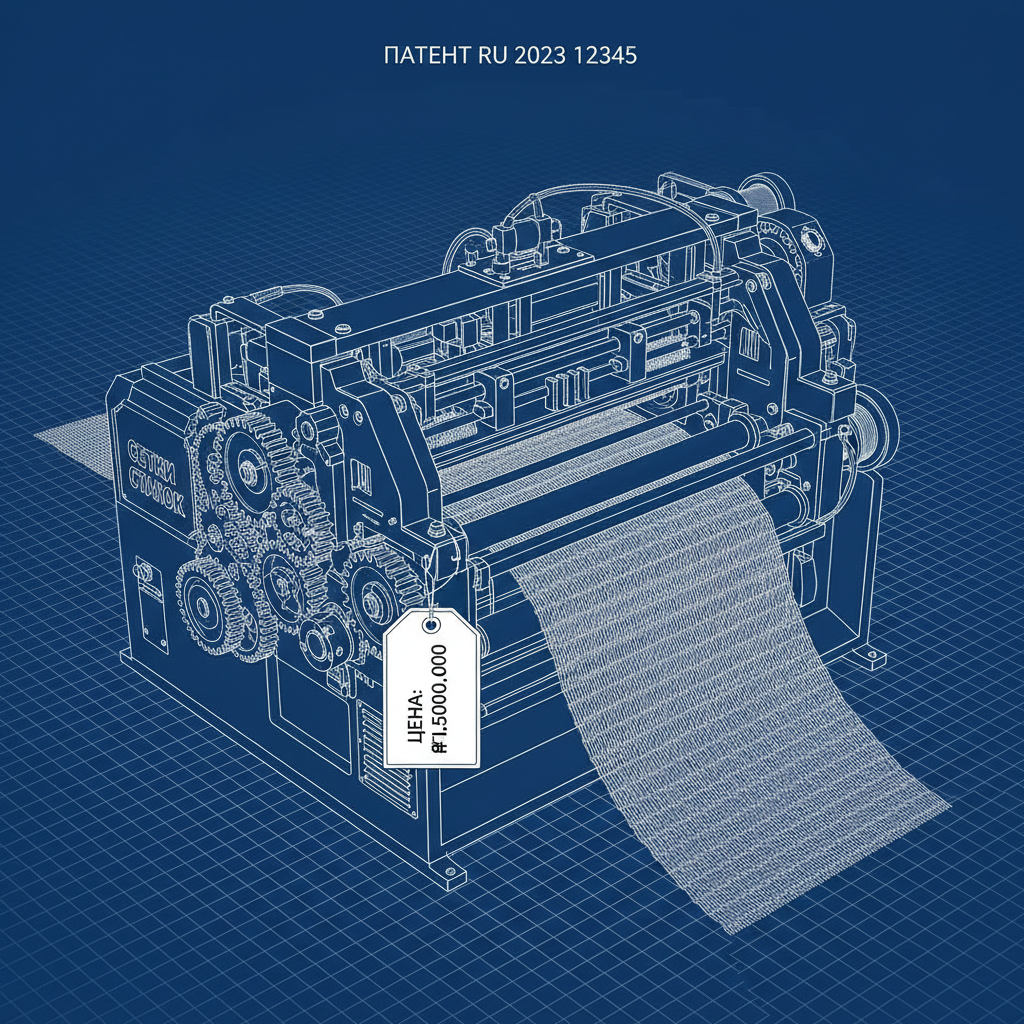
Several key factors determine the price of a mesh weaving machine. The most significant is the machine type. Different types cater to varying mesh sizes, materials, and production volumes. Automation level plays a crucial role; fully automatic machines command a higher price than semi-automatic or manual ones. Capacity and production speed also contribute to the cost; machines with higher outputs are more expensive. Furthermore, the manufacturer’s reputation and quality of components impact pricing. Finally, customization requirements, such as specific mesh patterns or materials, will add to the overall cost. Understanding these elements allows for a targeted search and realistic cost expectations.
Key Considerations: Machine Type, Automation Level, Capacity, Manufacturer Reputation, Customization Requirements.
The price of a mesh weaving machine varies drastically depending on its type. Here's a breakdown of approximate price ranges (as of late 2023/early 2024):
The level of automation drastically affects the price point. Manual machines require significant operator involvement, reducing the upfront cost but increasing labor expenses. Semi-automatic machines offer a balance, automating some processes while still requiring operator oversight. Fully automatic machines minimize labor requirements, maximizing efficiency and output, but come with a higher initial investment.
Automation Level Comparison:
• Manual: Lowest upfront cost, high labor costs.
• Semi-Automatic: Moderate cost, moderate labor.
• Fully Automatic: Highest upfront cost, lowest labor.
When evaluating potential purchases, comparing key specifications is essential. Factors such as the maximum weaving width, the range of mesh sizes possible, and the types of materials the machine can handle will greatly influence its suitability for your particular needs. Consider also the power requirements and the availability of spare parts and technical support from the manufacturer. Meshmachinery.com offers a variety of machines with detailed specifications.
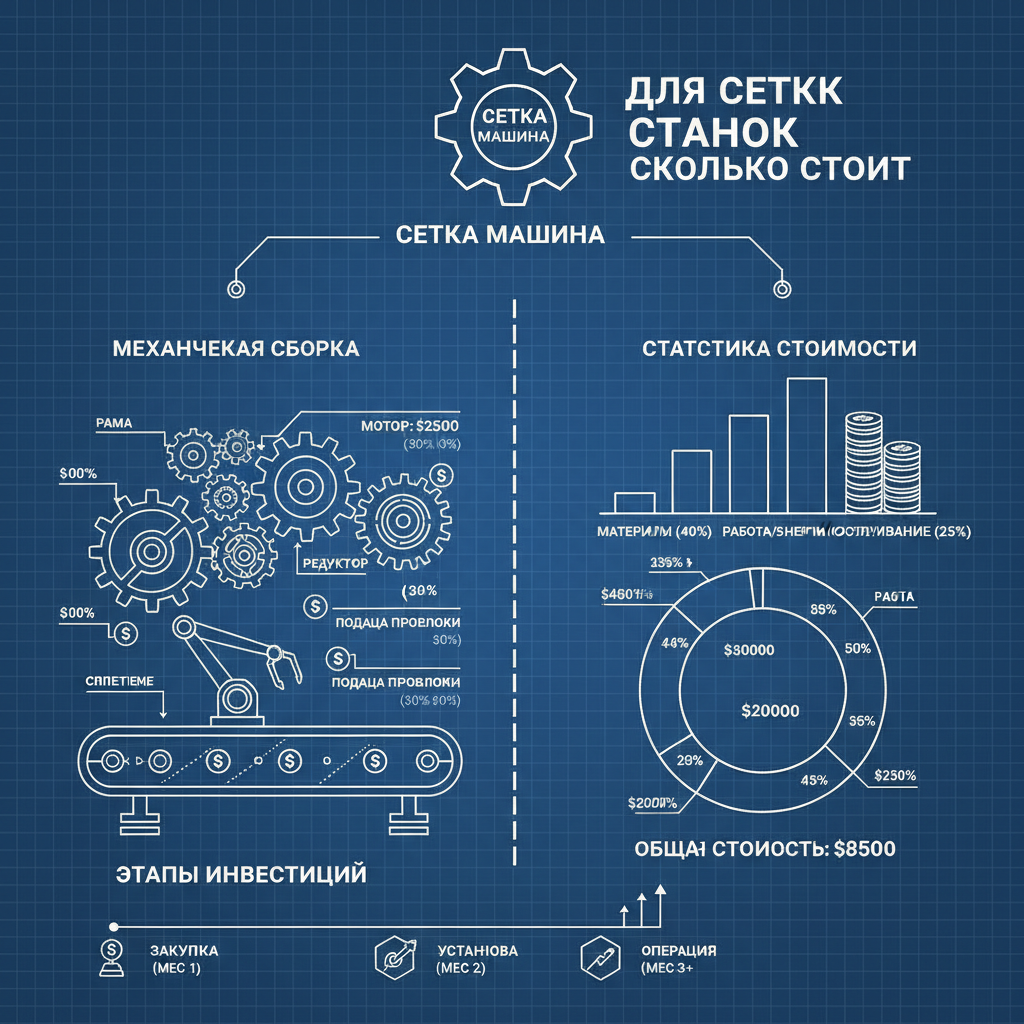
Beyond the initial purchase price, factor in additional costs such as shipping, installation, training, and ongoing maintenance. Shipping costs can be significant, especially for large, heavy machines. Professional installation ensures proper setup and operation. Operator training is vital for maximizing efficiency and safety. And regular maintenance, including preventative maintenance and potential repairs, will contribute to the total cost of ownership. It’s wise to obtain detailed quotes that include all these associated expenses.
Investing in a mesh weaving machine is a significant decision. Carefully consider your production needs, budget constraints, and long-term goals. By understanding the factors that influence cost and comparing different machine types and specifications, you can make a well-informed investment that will drive efficiency and profitability for your business.
Lead times vary depending on the machine's complexity, the manufacturer's production schedule, and shipping distance. Generally, you can expect a lead time of 4-12 weeks for standard machines. Customized machines may require longer lead times, potentially 12 weeks or more. It's crucial to confirm the lead time with the manufacturer before placing your order, especially if you have strict production deadlines. Factors like customs clearance can also add to the overall delivery time.
Most manufacturers offer a warranty ranging from 12 to 24 months, covering defects in materials and workmanship. The warranty typically excludes wear-and-tear parts and damage caused by improper operation or maintenance. It’s essential to carefully review the warranty terms and conditions before purchasing. Some manufacturers also offer extended warranty options for an additional fee. Look for manufacturers with a strong reputation for customer support and readily available spare parts.
Reputable manufacturers offer a range of technical support services, including installation assistance, operator training, troubleshooting guides, and access to spare parts. Some provide on-site support for more complex issues, while others offer remote support via phone or video conferencing. Before making a purchase, inquire about the available support options and the manufacturer’s response time to technical inquiries. A strong after-sales support system is crucial for minimizing downtime and maximizing the machine’s lifespan.
Determining the right machine capacity requires a careful assessment of your current and projected production volume. Consider your existing order backlog, anticipated growth, and the lead times you need to meet customer demands. It’s generally advisable to slightly overestimate your capacity needs to allow for future expansion. Also, factor in the machine's operating speed and the efficiency of your operators. Consulting with a mesh machinery expert can provide valuable insights and help you select a machine that aligns with your specific requirements.
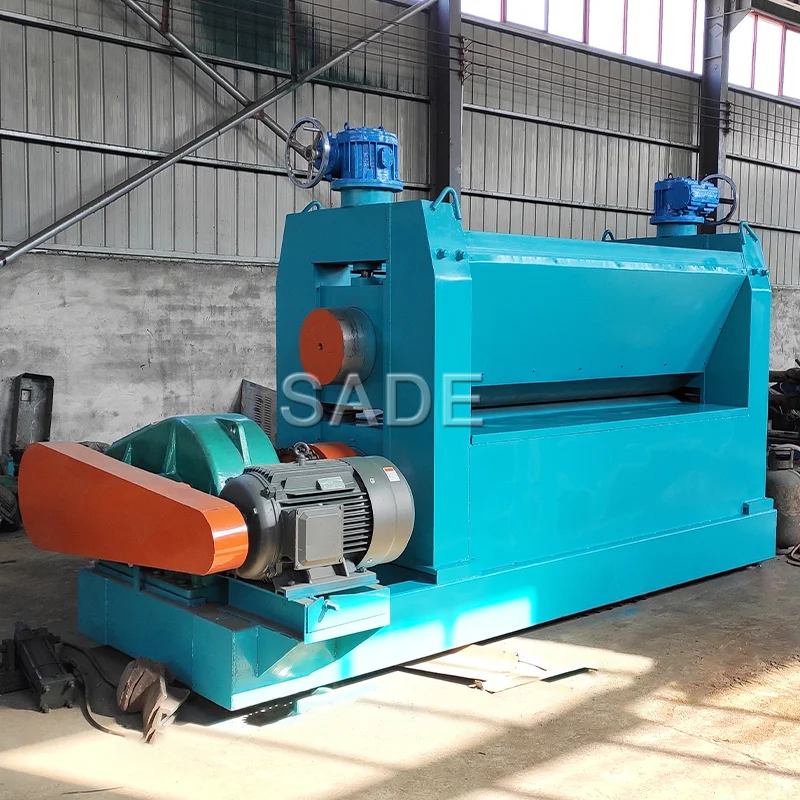
ZPJ Metal Mesh Flatting Machine
ZPJ metal mesh flatting machine is special designed for expanded metal flatting.It’s a corollary equipment of expanded metal machine. It can make expanded wire-mesh smoothly.And the flattened expanded metal have much more widely different applications.
Apr 24, 2026
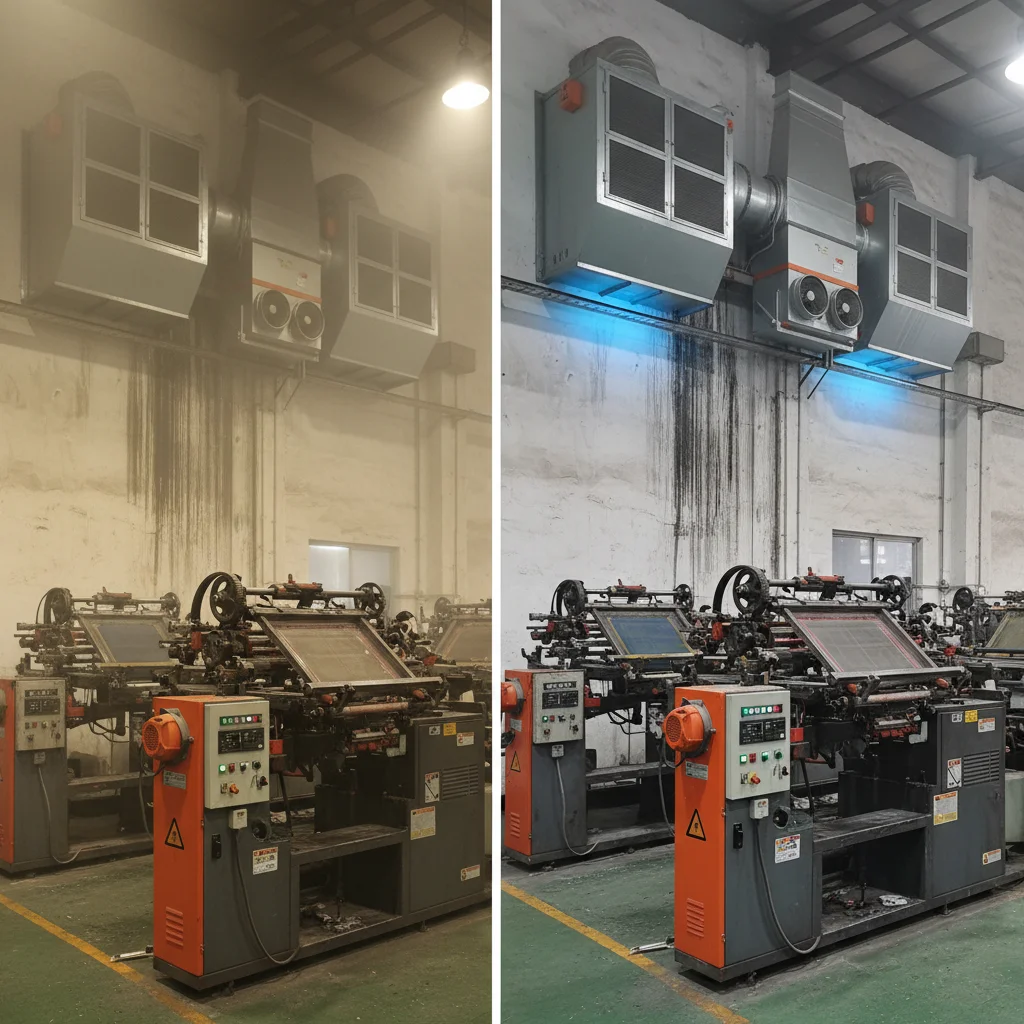
Industrial Wall Mounted Air Filtration for Clean Work Environments