
November 26, 2025
In the intricate ecosystem of modern manufacturing, precision and efficiency are not merely desirable traits; they are fundamental pillars that dictate competitiveness and product quality. From the smallest electronic component to colossal infrastructure projects, the consistent quality of raw materials is paramount. Within this context, the wire straightening and cutting machine emerges as an unsung hero, a critical piece of industrial equipment that transforms raw wire coils into perfectly straight, precisely cut lengths, ready for subsequent processing. This transformation is far more complex than it appears, involving sophisticated mechanics, advanced electronics, and intelligent control systems working in concert. The demand for such machines has surged, driven by sectors requiring high volumes of uniform wire components, illustrating a market trajectory that projects consistent growth year-over-year, with analysts forecasting a compound annual growth rate (CAGR) of 6.8% for automated wire processing equipment through 2028, primarily fueled by increasing automation in automotive, construction, and electronics industries. Without these machines, industries would face exorbitant material waste, inconsistent product quality, and significantly higher labor costs, effectively stalling innovation and increasing production lead times. Therefore, understanding the capabilities and nuances of this technology is not just an academic exercise but a strategic imperative for any enterprise aiming for operational excellence and market leadership.
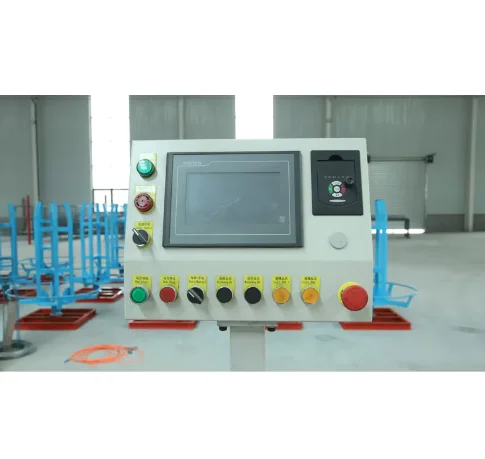
The engineering prowess embedded within modern wire straightening and cutting machines is a testament to relentless innovation aimed at maximizing output and accuracy. At their core, these machines integrate several sophisticated subsystems. Firstly, the straightening mechanism is crucial. This can range from multi-roller straighteners, ideal for larger diameters and softer materials, to rotary straighteners, which employ a rotating die to effectively remove internal stresses and achieve impeccable straightness, particularly vital for high-tensile wires or specific alloys. This precision ensures that subsequent bending, welding, or forming operations are executed flawlessly, minimizing rework. Secondly, the cutting technology is equally advanced. Options include high-speed hydraulic shears for robust, clean cuts on larger diameters, or servo-driven flying shears that allow for continuous wire feeding and cutting on-the-fly, drastically increasing production speed while maintaining tight length tolerances, often down to ±0.1mm on short lengths. The integration of advanced servo motors and precision encoders across the entire system allows for unparalleled control over feeding speed, cutting length, and synchronization, providing repeatable accuracy even during extended production runs. Furthermore, modern machines feature intuitive Human-Machine Interfaces (HMIs) with touchscreens, simplifying parameter input, job management, and diagnostic monitoring. This level of automation significantly reduces human error, enhances operator safety, and allows for quick changeovers between different wire specifications, making production lines more flexible and responsive to diverse manufacturing demands. The ability to process various materials—from stainless steel, copper, and aluminum to more specialized alloys like titanium and nickel-chrome—further underscores their versatility and indispensable nature in a multitude of industrial applications.
Choosing the right wire straightening and cutting machine is a strategic investment that requires careful consideration of various factors, including the types of wire processed, desired output rates, precision requirements, and budgetary constraints. The market offers a spectrum of solutions, from entry-level, semi-automated models to fully integrated, high-speed production lines. To illustrate the diversity, let’s consider a comparative analysis across hypothetical machine categories or manufacturers, focusing on key performance indicators that directly impact operational efficiency and product quality. These metrics help businesses benchmark potential acquisitions against their specific operational needs and long-term strategic goals.
Feature/Category | Entry-Level Model (e.g., "PrecisionStart") | Mid-Range Workhorse (e.g., "FlexiCut Pro") | High-Performance System (e.g., "MegaStraight 5000") |
Max Wire Diameter (mm) | Ø2.0 - Ø8.0 | Ø3.0 - Ø16.0 | Ø5.0 - Ø25.0 |
Cutting Speed (cuts/min) | Up to 60 | Up to 120 | Up to 180+ (flying shear) |
Straightening Accuracy (mm) | ±1.0 mm/m | ±0.5 mm/m | ±0.2 mm/m |
Min. Cutting Length (mm) | 100 | 50 | 20 |
Material Compatibility | Mild Steel, Stainless Steel (soft) | Mild Steel, Stainless Steel, Copper, Aluminum | Wide range, incl. high-tensile alloys, titanium |
Automation Level | Semi-automatic, basic HMI | Fully automatic, advanced HMI, recipe management | Full automation, Industry 4.0 ready, remote diagnostics |
Power Consumption (kW) | 3-7 kW | 7-15 kW | 15-30+ kW |
Typical Investment Range | Entry-level | Mid-range | Premium |
As evident from the table, there’s a direct correlation between investment level and the machine’s capabilities in terms of speed, precision, and material versatility. High-performance systems excel in demanding environments where throughput and minuscule tolerances are non-negotiable, often integrating seamlessly with robotic handling systems. Mid-range models offer an excellent balance of features and cost-effectiveness for many general manufacturing applications, while entry-level options are suitable for smaller operations or specialized tasks with lower volume requirements. Thorough due diligence, including on-site demonstrations and material testing, is highly recommended before finalizing any purchasing decision.
While standard models of wire straightening and cutting machines offer impressive capabilities, many industries face unique challenges that off-the-shelf solutions simply cannot address. This is where the power of customization becomes invaluable. Leading manufacturers recognize that a one-size-fits-all approach is insufficient for the diverse and evolving demands of modern production. Customization can involve modifying virtually any aspect of the machine to perfectly align with specific operational requirements. For instance, companies working with extremely delicate or unconventional materials may require specialized feeding mechanisms that prevent surface scratching or deformation, such as non-contact guides or specialized coated rollers. Diameter ranges can be expanded or narrowed, and cutting lengths can be extended to several meters or reduced to mere millimeters with enhanced precision, adapting to highly specific product designs. Integration with existing factory automation systems (e.g., MES, ERP) is another critical customization, allowing for seamless data exchange, real-time production monitoring, and automated job scheduling, thereby streamlining workflows and reducing manual intervention. Furthermore, specific safety standards (CE for Europe, UL for North America, etc.) often necessitate tailored safety enclosures, interlocks, and emergency stop protocols. Custom software modules can be developed to handle complex cutting patterns, batch optimization, or to provide detailed production analytics that feed directly into quality control and inventory management systems. For manufacturers dealing with extremely high-tensile wires or very large diameters, custom-engineered heavy-duty decoiling and re-coiling units might be necessary to ensure safe and efficient material handling. By collaborating closely with machine manufacturers, businesses can invest in bespoke solutions that not only meet their immediate production needs but also provide scalability and flexibility for future growth and technological advancements, yielding a superior return on investment.
The versatility of wire straightening and cutting machines means they are indispensable across an astonishing array of industries, acting as foundational equipment for countless products we interact with daily. Their ability to deliver high-quality, precise wire segments unlocks efficiency and design possibilities that would otherwise be unattainable. In the construction industry, for example, these machines are critical for processing rebar and other reinforcing wires used in concrete structures, ensuring that building components meet stringent structural integrity standards. The sheer volume and consistency required in large-scale construction projects demand highly automated and reliable cutting solutions. The automotive sector relies heavily on these machines for producing components like seat frames, exhaust hangers, engine wiring harnesses, and various fasteners. The demanding quality standards and high-volume production in automotive manufacturing necessitate machines that can operate continuously with minimal downtime and exceptional accuracy to support complex assembly lines. In appliance manufacturing, wires are transformed into refrigerator shelves, oven racks, washing machine springs, and internal electrical components. The aesthetic and functional precision of these parts directly impacts consumer satisfaction and product longevity. Even the sensitive medical device industry utilizes specialized wire straightening and cutting equipment for producing guide wires, surgical instruments, and catheter components, where tolerances are measured in microns and material integrity is non-negotiable due to direct human contact and critical functionality. Furthermore, industries ranging from furniture manufacturing (springs, frames) to general engineering (pins, electrodes, grates) benefit immensely. In each application, the machine’s ability to consistently deliver straight, precise wire lengths minimizes waste, accelerates subsequent manufacturing steps, and ultimately leads to superior finished products, driving competitive advantage and fostering innovation across diverse markets worldwide.
Investing in a high-quality wire straightening and cutting machine is a significant capital expenditure, and ensuring its longevity and optimal performance is paramount to maximizing return on investment (ROI). This extends beyond the initial purchase to encompass comprehensive maintenance strategies and robust after-sales support. Preventive maintenance is key; regular inspections, lubrication, and calibration according to manufacturer guidelines can pre-empt costly breakdowns and extend the lifespan of critical components. Implementing a scheduled maintenance program not only reduces unexpected downtime but also maintains the machine's precision and efficiency, directly impacting production quality and throughput. Furthermore, the availability of genuine spare parts is crucial. Reputable manufacturers provide ready access to replacement parts, ensuring that any necessary repairs can be completed swiftly with components designed specifically for the machine, thus preserving its original performance characteristics and warranty. Technical support is another vital component. Access to skilled technicians, whether through remote diagnostics, phone support, or on-site service, can quickly resolve issues, minimize operational disruptions, and help operators troubleshoot minor problems independently. Many leading suppliers also offer comprehensive operator training programs, empowering staff to operate the machinery safely and efficiently, understand basic diagnostics, and perform routine maintenance tasks, thereby improving overall operational autonomy. Continuous software updates and potential hardware upgrades offered by the manufacturer can also enhance machine capabilities over time, incorporating new features, improving efficiency, or adapting to evolving industry standards. By fostering a long-term partnership with the machine supplier, companies can ensure their investment remains productive, reliable, and continues to contribute significantly to their bottom line for years to come, truly realizing the full potential of their advanced manufacturing asset.
As industries continue their inexorable march towards greater automation and digitalization, the role of the wire straightening and cutting machine is poised for even greater evolution. The foundational precision and efficiency these machines offer today will be further amplified by emerging technologies. Looking ahead, we can anticipate deeper integration with Artificial Intelligence (AI) and machine learning algorithms, enabling predictive maintenance capabilities that can forecast potential component failures before they occur, thus virtually eliminating unplanned downtime. Adaptive control systems, powered by AI, will allow machines to self-optimize their straightening and cutting parameters in real-time based on material variations or environmental factors, ensuring consistent quality even under challenging conditions. The advent of Industry 4.0 and the Internet of Things (IoT) will transform these machines into highly connected nodes within a smart factory ecosystem. Real-time data collection on performance, energy consumption, and operational status will facilitate comprehensive analytics, allowing manufacturers to make data-driven decisions that optimize entire production lines, improve resource allocation, and enhance overall operational transparency. Furthermore, sustainability will increasingly drive innovation, leading to the development of more energy-efficient motors, regenerative braking systems, and designs that minimize material waste. Advancements in material science will also necessitate machines capable of processing an even broader array of exotic alloys and composite wires with unprecedented delicacy and precision. From ultra-fine wires for microelectronics to exceptionally robust materials for aerospace, the next generation of wire processing technology will push the boundaries of what's possible. The trajectory of this technology points towards increasingly autonomous, intelligent, and flexible systems that are not just tools but strategic partners in achieving sustainable and highly competitive manufacturing futures.
A1: Modern machines are highly versatile and can process a wide range of materials, including mild steel, stainless steel, galvanized wire, copper, aluminum, brass, titanium, and various alloys. The specific capabilities depend on the machine's design, power, and tooling.
A2: High accuracy is achieved through several integrated technologies: precision straightening mechanisms (e.g., rotary straighteners, multi-roller straighteners), advanced servo motors for precise wire feeding, high-resolution encoders for exact length measurement, and sophisticated cutting technologies like flying shears or hydraulic shears with fine control.
A3: Key benefits include significantly increased production speed and throughput, superior cutting and straightening accuracy, reduced material waste, lower labor costs, enhanced operator safety, and consistent product quality, all contributing to a higher return on investment.
A4: Yes, most machines are designed to handle a specific range of wire diameters and cutting lengths. Advanced models often feature quick-change tooling and programmable controls that allow for rapid adjustments between different specifications, enhancing production flexibility.
A5: Regular preventive maintenance is essential, including routine cleaning, lubrication of moving parts, inspection for wear and tear on rollers and cutting tools, and periodic calibration. Following the manufacturer's maintenance schedule is crucial for optimal performance and longevity.
A6: Customization allows machines to be tailored to unique production challenges, such as processing unusual wire materials, achieving extremely tight tolerances, integrating with existing factory automation systems, or meeting specific regional safety standards. This ensures the machine perfectly fits the specific operational environment.
A7: Industry 4.0 integration, through IoT and AI, enables real-time data monitoring, predictive maintenance, remote diagnostics, and seamless communication with other factory systems. This leads to optimized production planning, reduced downtime, improved efficiency, and higher overall operational intelligence within a smart factory environment.
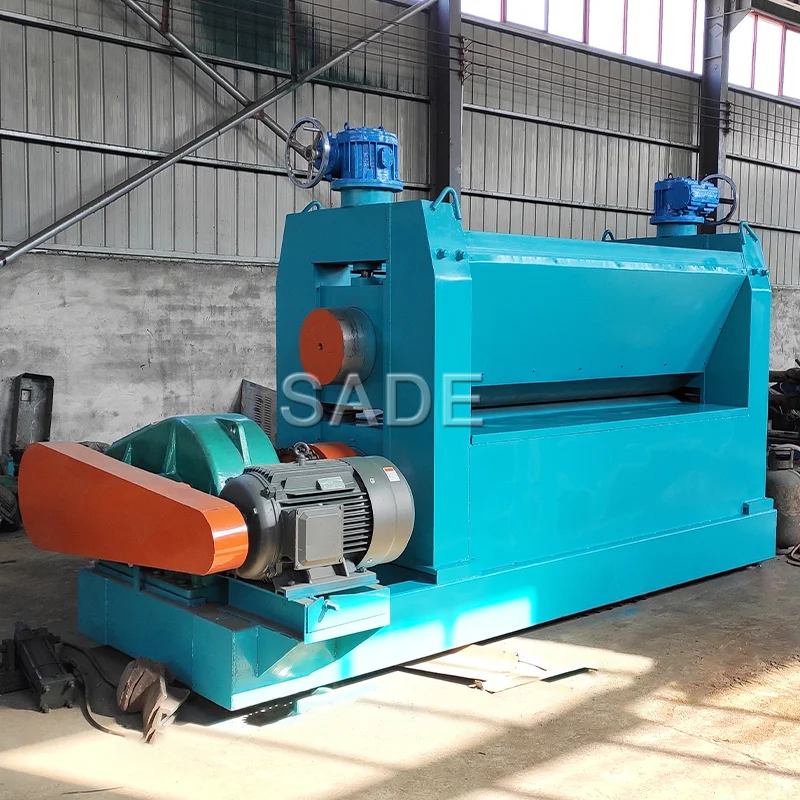
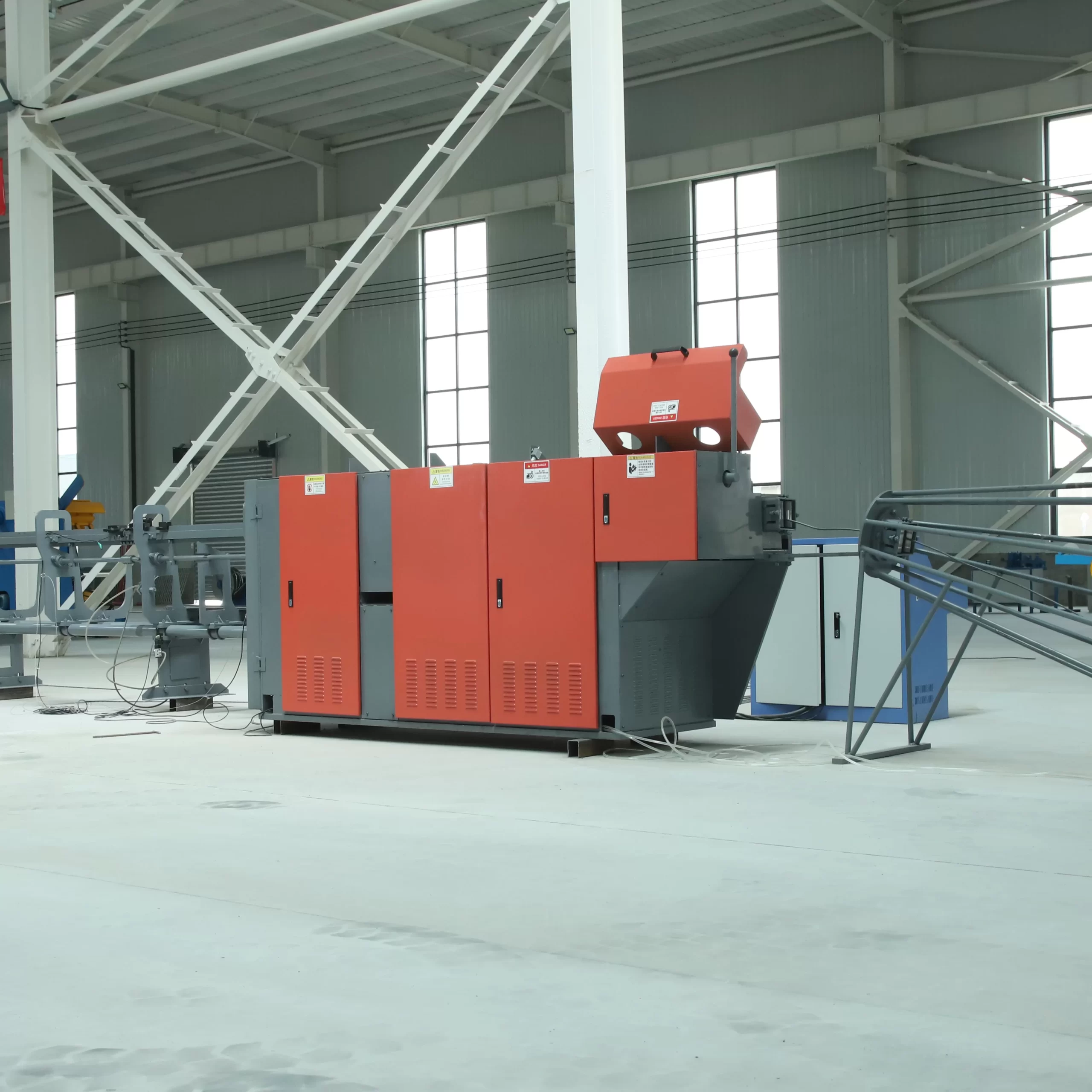
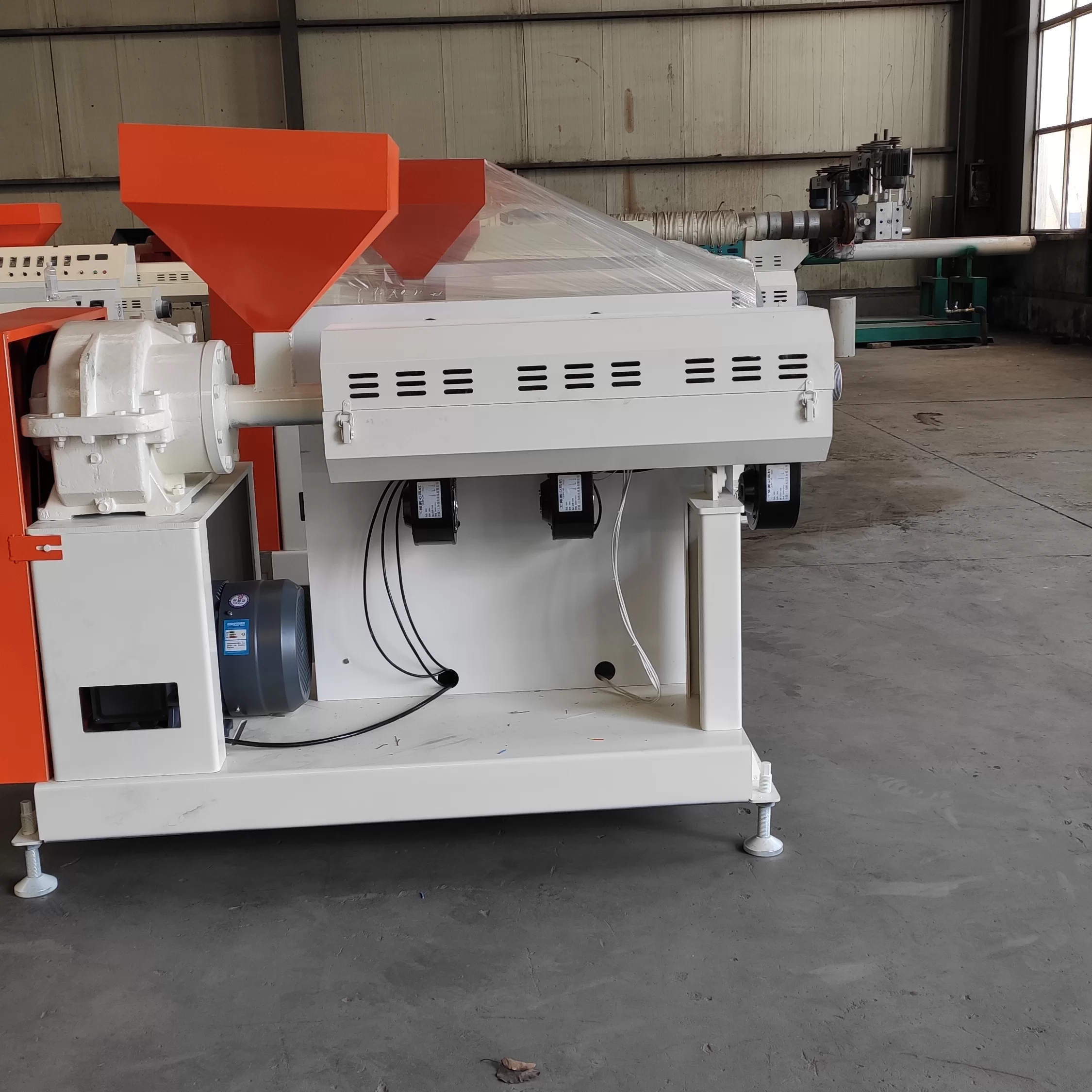
ZPJ Metal Mesh Flatting Machine
ZPJ metal mesh flatting machine is special designed for expanded metal flatting.It’s a corollary equipment of expanded metal machine. It can make expanded wire-mesh smoothly.And the flattened expanded metal have much more widely different applications.
Apr 24, 2026
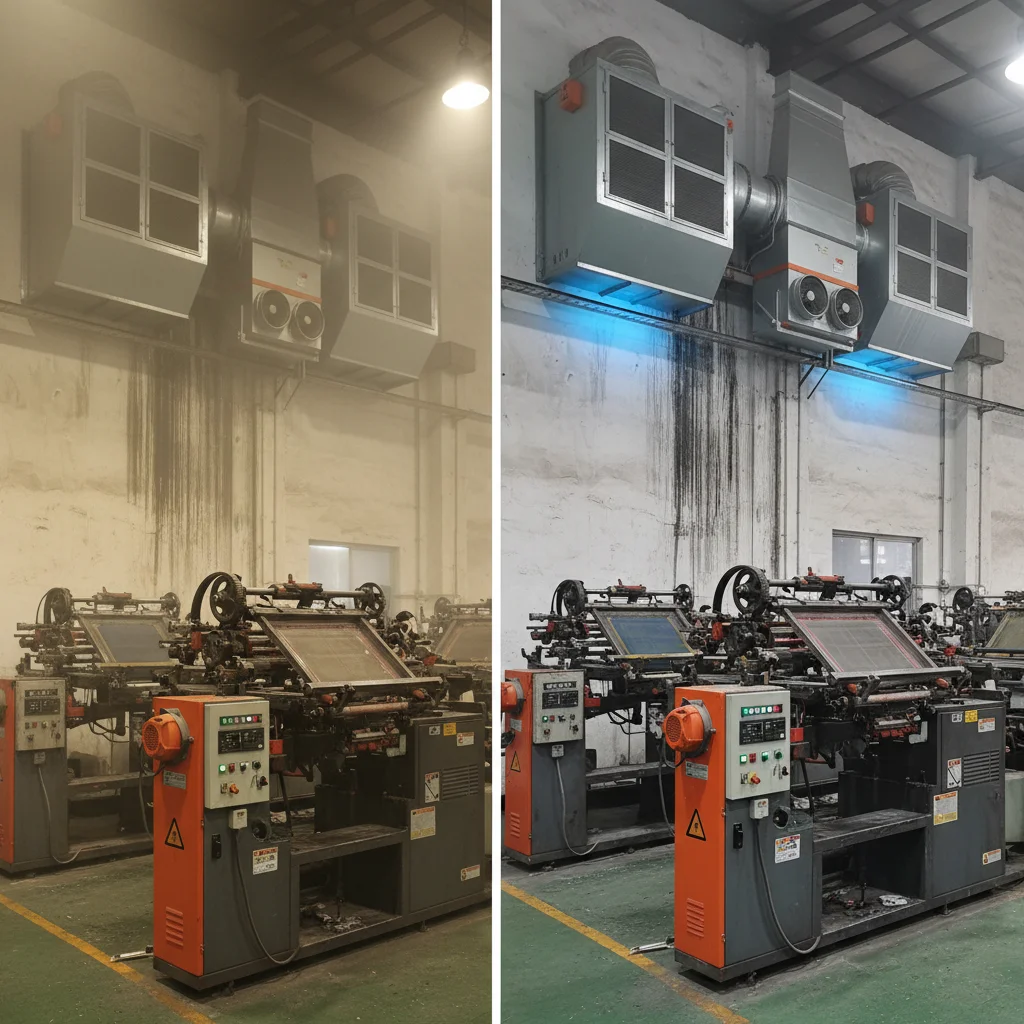
Industrial Wall Mounted Air Filtration for Clean Work Environments