
November 19, 2025
In the dynamic realm of metal fabrication, efficiency, precision, and material optimization stand as pillars of success. Expanded metal, with its unique strength-to-weight ratio and versatile properties, has carved out an indispensable niche across countless industries, from architectural design to filtration systems. However, transforming flat expanded metal sheets into complex, three-dimensional components demands specialized equipment. This is where the advanced bender expanded metal machine emerges as a cornerstone technology. Unlike conventional sheet metal bending apparatus, a machine specifically engineered for expanded metal addresses its inherent characteristics—its intricate mesh structure and varying tensile strengths—ensuring that the delicate lacing remains intact while achieving precise angles and radii. This specialized machinery not only preserves the structural integrity and aesthetic appeal of the expanded material but also significantly accelerates production cycles, minimizes waste, and opens up new avenues for design and application. As industries push the boundaries of innovation, the role of a dedicated bender expanded metal machine becomes increasingly critical, driving both operational excellence and creative possibility in modern manufacturing environments.
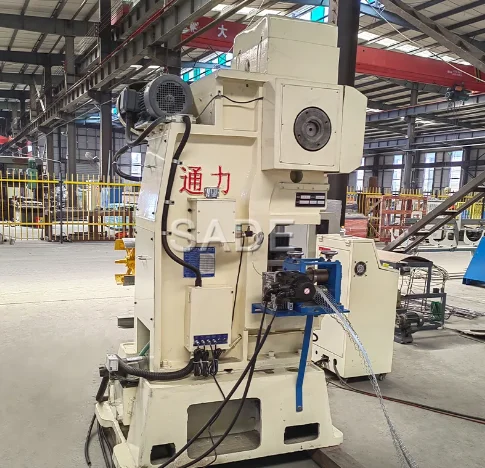
The prowess of modern metal fabrication hinges on an unwavering commitment to precision and efficiency, characteristics that advanced bending technology delivers in spades, particularly for expanded metal. At its core, a state-of-the-art bender expanded metal machine integrates sophisticated mechanical, hydraulic, or servo-electric systems to exert controlled force. Servo-electric models, for instance, offer unparalleled control over ram speed and position, translating to micro-millimeter accuracy and exceptional repeatability, crucial for intricate designs and high-volume production runs. These machines are typically governed by advanced Computer Numerical Control (CNC) systems, allowing operators to program complex bending sequences, manage tooling changes seamlessly, and store thousands of job parameters. Features like multi-axis control (e.g., Y1, Y2, X, R, Z1, Z2 axes) enable precise manipulation of the expanded metal sheet, accommodating varying material thicknesses from 16 gauge up to 1/4 inch, and panel lengths often exceeding 12 feet. The specialized tooling, often designed with wider contact surfaces or unique profiles, is critical for distributing pressure evenly across the expanded mesh, preventing crimping or damage that standard press brake tooling might cause.
The market impact of these technical advancements is profound and quantifiable. Manufacturers utilizing advanced bender expanded metal machines report significant operational gains: a reduction in material waste by as much as 15-20% due to precise cuts and fewer rejected parts; an increase in production throughput by up to 30-40% compared to manual or less specialized methods; and a decrease in labor costs by optimizing cycle times and reducing the need for rework. Industry analysis projects a steady growth in the global expanded metal market, with a compound annual growth rate (CAGR) exceeding 5% in the coming years, largely fueled by innovations in processing technology like advanced bending machines. Businesses investing in this technology often see a return on investment (ROI) within 18-24 months, driven by enhanced productivity, superior product quality, and the ability to undertake more complex and lucrative projects. For example, a company producing architectural facades might achieve project completion rates 25% faster, securing more contracts and boosting revenue by optimizing their expanded metal bending processes.
Choosing the right bender expanded metal machine is a strategic decision that can significantly impact a fabrication business's capabilities and profitability. The market offers a diverse range of manufacturers, each with distinct strengths in terms of technology, capacity, and support. Critical evaluation criteria typically include the machine's automation level, maximum bending capacity (both thickness and length), achievable precision, operational speed, available customization options, and the robustness of after-sales support. Below is a comparative table illustrating key aspects across different manufacturer profiles, highlighting the nuanced differences that cater to various industrial demands.
Feature/Manufacturer Profile | Manufacturer A (High-End Specialist) | Manufacturer B (Mid-Range, Versatile) | Manufacturer C (Budget-Friendly, Robust) |
Automation Level | Full CNC, Robotic Integration Possible | Advanced CNC, Semi-Automatic Features | Basic CNC, Manual Feeding/Adjustment |
Max Bending Capacity (Thickness) | Up to 0.375" (9.5mm) | Up to 0.250" (6.35mm) | Up to 0.187" (4.75mm) |
Max Bending Length | 16 ft (4.8m) | 12 ft (3.6m) | 10 ft (3.0m) |
Precision (Repeatability) | ±0.0004" (±0.01mm) | ±0.001" (±0.025mm) | ±0.002" (±0.05mm) |
Speed (Approx. bends/min) | 10-15 (complex) / 20+ (simple) | 8-12 (complex) / 15+ (simple) | 5-8 (complex) / 10+ (simple) |
Customization Options | Extensive (tooling, software, integrations) | Moderate (tooling, basic integrations) | Limited (standard tooling modifications) |
After-Sales Support | Global 24/7, onsite training, remote diagnostics | Regional, online support, scheduled maintenance | Local dealer network, basic phone support |
Indicative Price Range | $150,000 - $500,000+ | $80,000 - $200,000 | $40,000 - $100,000 |
Manufacturer A, often representing European or high-end Japanese engineering, excels in offering premium, highly automated solutions for industries demanding the utmost precision and complex bending capabilities. These machines are ideal for large-scale architectural projects or specialized aerospace components where tolerances are extremely tight. Manufacturer B typically provides a strong balance of features, performance, and cost-effectiveness, appealing to a broad range of general fabrication shops that require versatility and good productivity without the top-tier investment. Manufacturer C, on the other hand, focuses on robustness and simplicity, providing reliable solutions for smaller workshops or applications where basic bending of expanded metal is sufficient and budget constraints are tighter. Understanding these distinctions is crucial for aligning machine capabilities with specific business needs and long-term strategic goals.
In a global manufacturing landscape driven by differentiation and specialized products, the ability to customize production equipment is not merely a luxury but a strategic imperative. For bender expanded metal machines, customization is paramount, allowing manufacturers to perfectly align machine capabilities with unique material characteristics, product geometries, and workflow integrations. One of the most common areas of customization lies in tooling. Standard tooling may suffice for common angles, but bespoke dies and punches can be designed for specific radii, complex multi-angle bends, or even forming unique decorative patterns without compromising the mesh integrity. These custom tools often involve specialized materials, coatings, or geometries to handle the abrasive nature of some expanded metals or to achieve ultra-fine finishes.
Beyond tooling, machine size and capacity are frequently customized. While standard models cater to common sheet dimensions, some projects demand bending expanded metal panels that are significantly longer or wider, or require processing exceptionally thick gauges. Manufacturers can configure machines with extended bed lengths, increased tonnage, or reinforced frames to accommodate such specific requirements. Software customization also plays a pivotal role. Integrating the machine's CNC system with existing CAD/CAM software allows for seamless data transfer and streamlined programming, reducing setup times and minimizing human error. Specific bending sequence algorithms can be developed to optimize material flow and ensure precise angle formation for particularly challenging expanded metal patterns. Furthermore, advanced automation elements, such as robotic loading and unloading systems, automatic material clamping, and integrated quality control sensors (e.g., laser angle measurement systems), can be added to enhance efficiency, reduce labor dependency, and ensure consistent output.
These tailored solutions yield substantial benefits. For instance, a fabricator specializing in high-security fencing might require a machine capable of bending heavy-gauge expanded metal into specific anti-climb profiles, necessitating custom tooling and reinforced hydraulic power. An automotive supplier, on the other hand, might need a high-speed machine with integrated robotics to produce hundreds of precisely bent expanded metal grilles per hour, demanding software optimization for cycle time reduction and perfect repeatability. Such customization ensures that the machine becomes an extension of the fabricator's unique expertise, enabling them to tackle niche markets, optimize specialized workflows, and deliver products that meet exact customer specifications with unparalleled precision and efficiency.
The versatility and strength of expanded metal, when precisely formed by advanced bending machines, unlock a myriad of applications across diverse industries. Examining real-world case studies illuminates the transformative impact of this technology.
Case Study 1: Architectural Facades for the "Skyline Tower"
A prominent architectural firm was commissioned to design a signature high-rise building, the "Skyline Tower," requiring an innovative facade that offered both aesthetic appeal and environmental performance (sun shading, ventilation). The solution involved thousands of precisely bent expanded aluminum panels, each with a unique angle and curvature to create a dynamic, shimmering exterior. The challenge was immense: maintaining consistent mesh integrity across large panels (up to 4m x 2m) while achieving micron-level bending accuracy to ensure a seamless fit across the building's complex geometry. A specialized bender expanded metal machine with a 16-foot bending length, equipped with custom-designed wide-radius tooling and a high-precision servo-hydraulic system, was deployed. The machine’s advanced CNC control allowed for automated programming of each panel's unique bend profile, minimizing manual adjustments. This resulted in a 35% reduction in fabrication time compared to previous projects and virtually eliminated material waste due to misbends, ensuring the project was completed on schedule and within budget, elevating the building into an iconic landmark.
Case Study 2: High-Performance Filtration Systems for a Pharmaceutical Plant
A leading pharmaceutical manufacturer required a new generation of high-efficiency particulate air (HEPA) filters for its cleanroom environments. These filters incorporated precisely formed expanded stainless steel mesh as a crucial support and pre-filtration layer. The stringent requirements demanded exact mesh opening sizes, consistent bend angles for optimal airflow dynamics, and high resistance to chemical corrosion. Traditional bending methods struggled with the thin-gauge stainless steel expanded mesh, often causing deformation or tearing. A dedicated bender expanded metal machine, configured with specialized non-marking tooling and ultra-precise angle control, was integrated into the production line. This machine featured a laser angle measurement system that provided real-time feedback, automatically compensating for material spring-back inherent in stainless steel. The result was a 28% improvement in filter efficiency due to superior mesh geometry, a 40% increase in production output, and a significant reduction in quality control rejections, demonstrating the machine's critical role in producing high-reliability components for a demanding industry.
Case Study 3: Lightweight Automotive Grilles for Electric Vehicles
An innovative electric vehicle manufacturer aimed to reduce vehicle weight and improve aerodynamic performance by designing lightweight, yet robust, expanded metal grilles for battery cooling systems and front fascia. These grilles required complex 3D forms, tight radii, and consistent hole patterns to optimize airflow while meeting aesthetic standards. Processing high-strength aluminum expanded metal alloys without causing micro-fractures was a key hurdle. The solution involved a fully automated bender expanded metal machine integrated with robotic loading and unloading. The machine utilized dynamic bending compensation, where sensors measured the material's elastic deformation and adjusted the bend angle in real-time. This sophisticated setup allowed for the production of hundreds of perfectly formed grilles per shift, achieving a 20% weight reduction compared to previous designs and a 15% improvement in manufacturing cycle time. The precise bending ensured uniform airflow and maintained the structural integrity essential for vehicle safety and performance.
The trajectory of metal fabrication is unequivocally moving towards greater innovation and sustainability, with bender expanded metal machines at the forefront of this evolution. The advent of Industry 4.0 has profoundly impacted machine design and operation, integrating advanced connectivity and data analytics. Future machines will be equipped with sophisticated IoT sensors, enabling real-time performance monitoring, predictive maintenance, and remote diagnostics. This proactive approach minimizes downtime, optimizes operational efficiency, and extends the lifespan of the equipment, significantly reducing the total cost of ownership. Artificial intelligence (AI) and machine learning (ML) algorithms are increasingly being embedded into CNC systems, allowing machines to "learn" from previous bends, automatically adjust parameters for varying material properties, and optimize bending sequences for maximum material utilization and minimum energy consumption.
Sustainability is another driving force shaping the future of these machines. Manufacturers are focusing on developing energy-efficient servo-electric drives that consume considerably less power than traditional hydraulic systems, particularly during standby modes. Waste reduction strategies are also paramount; enhanced precision through advanced optics and software minimizes scrap material, a critical consideration given the specialized nature of expanded metal. Furthermore, the ability to process a wider range of recyclable and lightweight materials, such as advanced aluminum alloys and high-strength steels, with minimal deformation, contributes to a more circular economy. Future machines are also expected to feature modular designs, allowing for easier upgrades and retrofits, thus extending their operational life and reducing the environmental footprint associated with manufacturing new equipment. Hybrid systems, combining bending with other fabrication processes like laser cutting or welding in a single, integrated cell, represent another frontier, promising even greater efficiency and streamlined production workflows. The ongoing commitment to innovation ensures that bender expanded metal machines will continue to be vital tools in creating a more efficient, precise, and environmentally responsible manufacturing future.
The journey through the capabilities, market dynamics, and future potential of advanced metal fabrication undeniably converges on the indispensable role of the specialized bender expanded metal machine. We have explored how these meticulously engineered systems move beyond mere mechanical bending, embracing precision through sophisticated CNC controls, multi-axis capabilities, and specialized tooling designed to preserve the unique integrity of expanded metal. The tangible benefits are clear: significant reductions in material waste, substantial increases in production efficiency, and the consistent delivery of high-quality, complex components across diverse sectors, from architectural marvels to critical industrial filtration. The strategic decision to invest in a bender expanded metal machine is not simply about acquiring equipment; it is about securing a competitive edge, enabling manufacturers to undertake more challenging projects, meet tighter deadlines, and achieve unparalleled product quality.
For any fabricator navigating the complexities of modern manufacturing, understanding the nuances of these machines, from technical specifications to customization potential and long-term support, is paramount. The market offers a spectrum of solutions, each tailored to different operational scales and financial commitments, underscoring the importance of a thorough needs assessment. Ultimately, embracing advanced bending technology for expanded metal is a commitment to operational excellence, fostering innovation, and driving sustainable growth. The ability to precisely shape expanded metal empowers businesses to translate intricate designs into tangible, high-performance products, ensuring that they remain at the vanguard of the fabrication industry and continue to unlock new possibilities for design and engineering.
A bender expanded metal machine is specifically designed to precisely bend and form expanded metal sheets into various angles, curves, and three-dimensional shapes without damaging the intricate mesh pattern. It's used to create components for architectural facades, security fencing, filtration systems, grilles, catwalks, machine guards, and more.
Unlike standard press brakes, a bender expanded metal machine features specialized tooling and control mechanisms that are optimized for the unique characteristics of expanded metal. Standard tooling can crimp, tear, or deform the mesh, whereas specialized machines apply pressure more evenly, preserving the material's integrity and aesthetic.
These machines are capable of processing a wide range of expanded metals, including carbon steel, galvanized steel, stainless steel, aluminum, copper, and various alloys. The maximum thickness and type of material depend on the machine's tonnage and tooling capabilities.
Key benefits include enhanced precision and repeatability, reduced material waste, increased production efficiency, improved product quality, preservation of the expanded metal's structural and aesthetic integrity, and the ability to fabricate complex geometries that are difficult or impossible with standard equipment.
Yes, modern bender expanded metal machines, especially advanced CNC models, are designed for seamless integration into automated production lines. They can be equipped with robotic loading and unloading systems, automated material handling, and networked with CAD/CAM software for streamlined operations and Industry 4.0 compatibility.
Key factors include the required bending capacity (material thickness and length), desired precision and repeatability, level of automation, type of expanded metal to be processed, available tooling options, software capabilities, after-sales support, and overall budget.
By offering superior precision and control, these machines significantly reduce errors and misbends, thereby minimizing scrap material. This optimized material utilization not only lowers production costs but also contributes to more sustainable manufacturing practices.
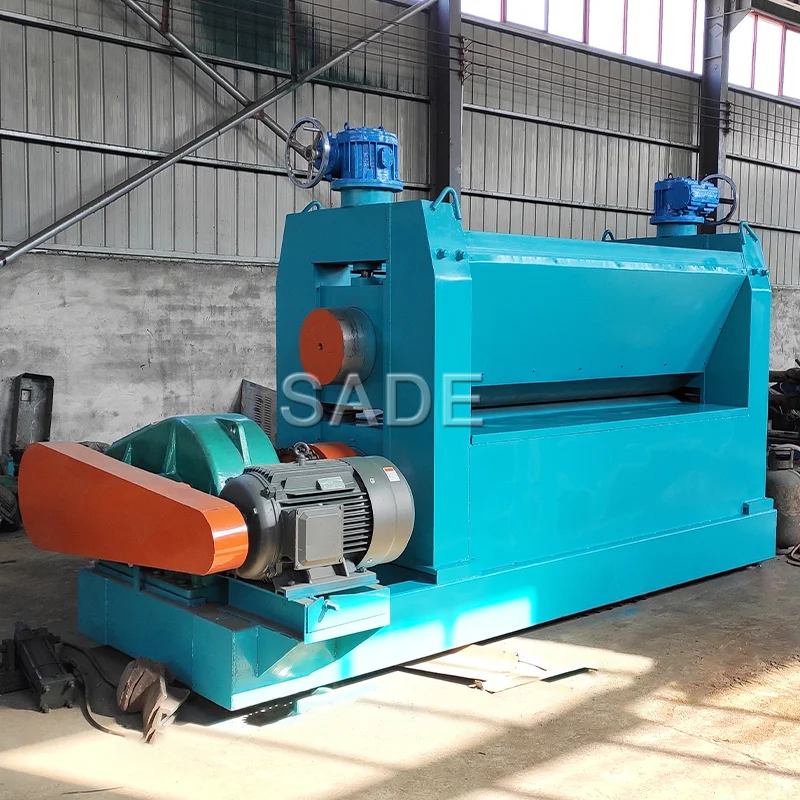
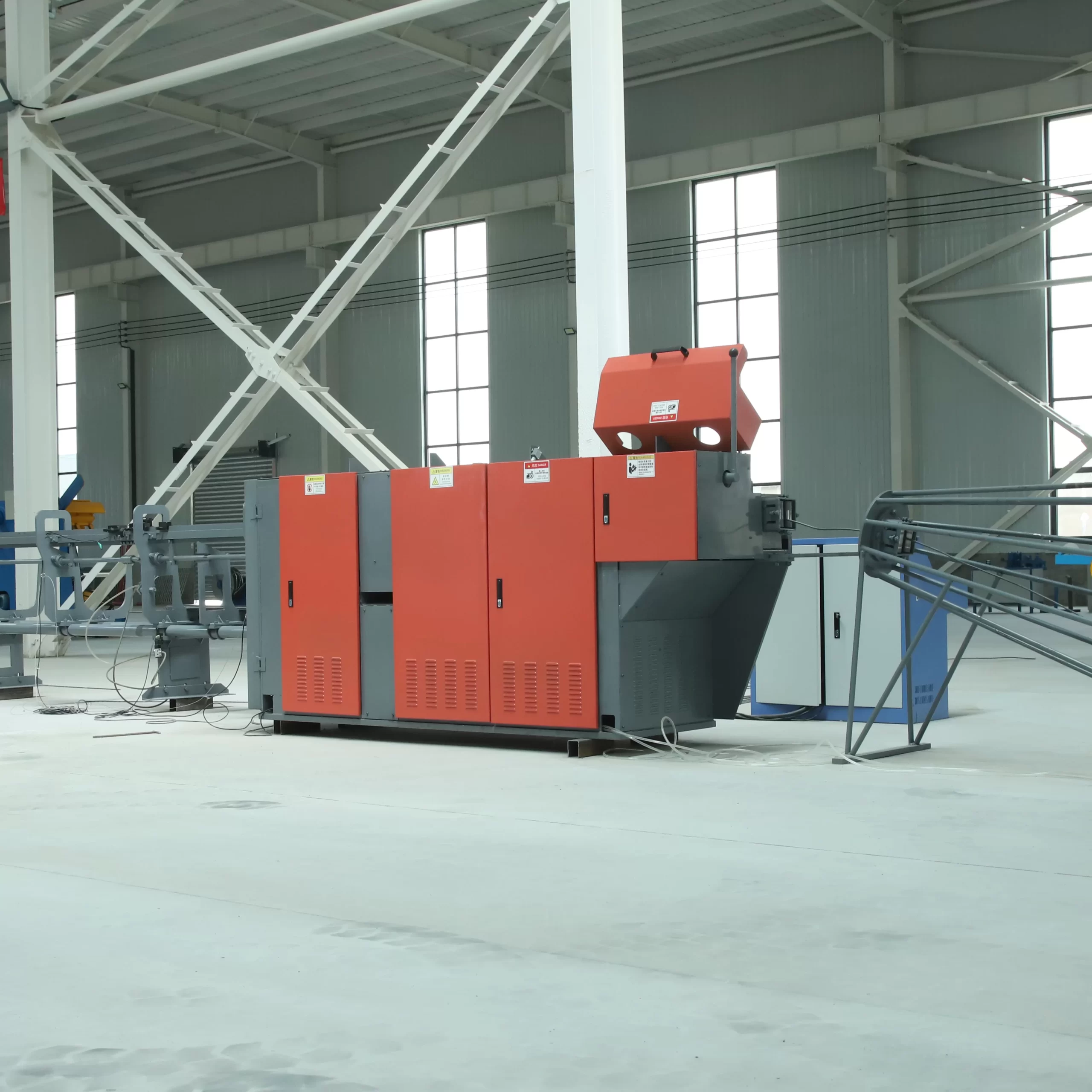
ZPJ Metal Mesh Flatting Machine
ZPJ metal mesh flatting machine is special designed for expanded metal flatting.It’s a corollary equipment of expanded metal machine. It can make expanded wire-mesh smoothly.And the flattened expanded metal have much more widely different applications.
Apr 24, 2026
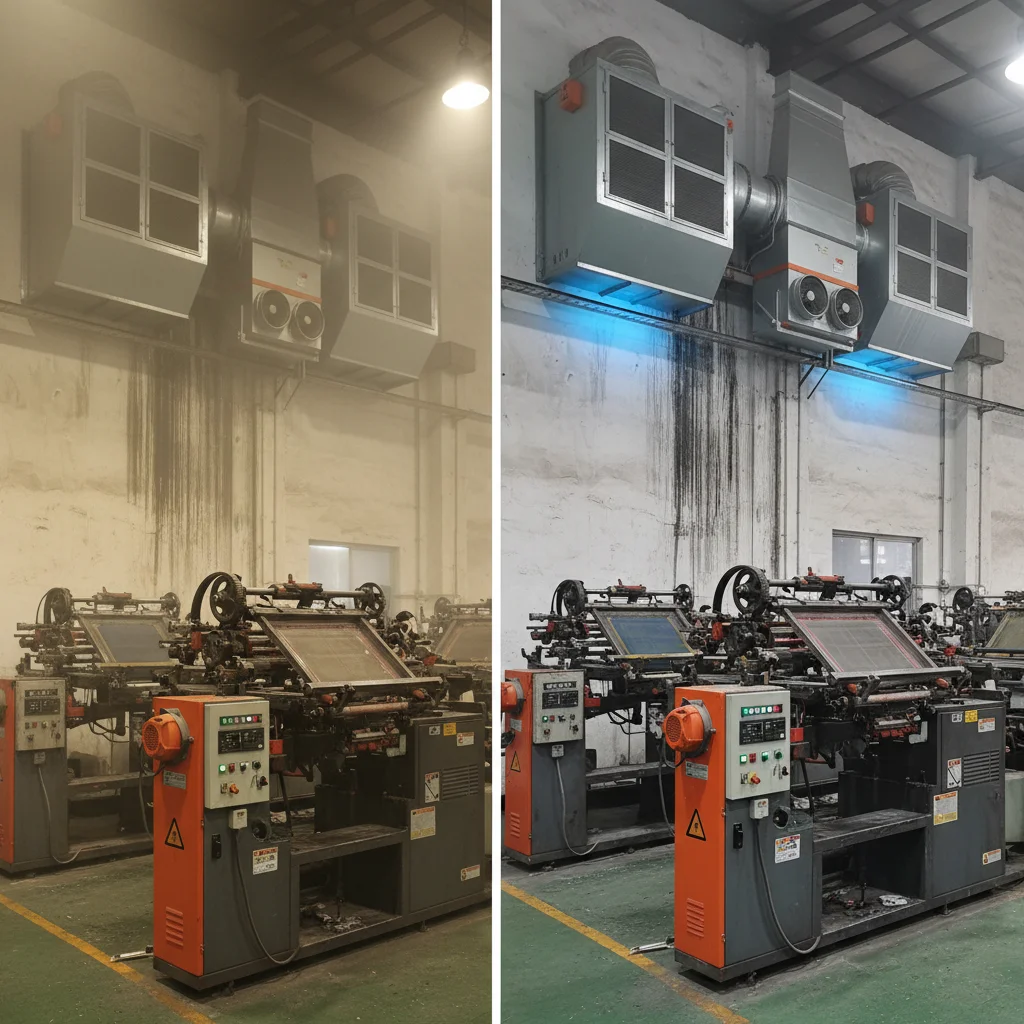
Industrial Wall Mounted Air Filtration for Clean Work Environments