
April 07, 2026
In the realm of modern manufacturing and construction, the demand for precisely formed metal components is ever-increasing. A mesh bending machine is a crucial tool for businesses seeking to meet this demand efficiently and with high accuracy. This article explores the functionality, applications, benefits, and key considerations when investing in this type of machinery. We will cover everything from understanding the types of bends achievable to selecting the right machine for your specific needs. Meshmachinery.com offers a range of solutions designed to elevate your production capabilities.
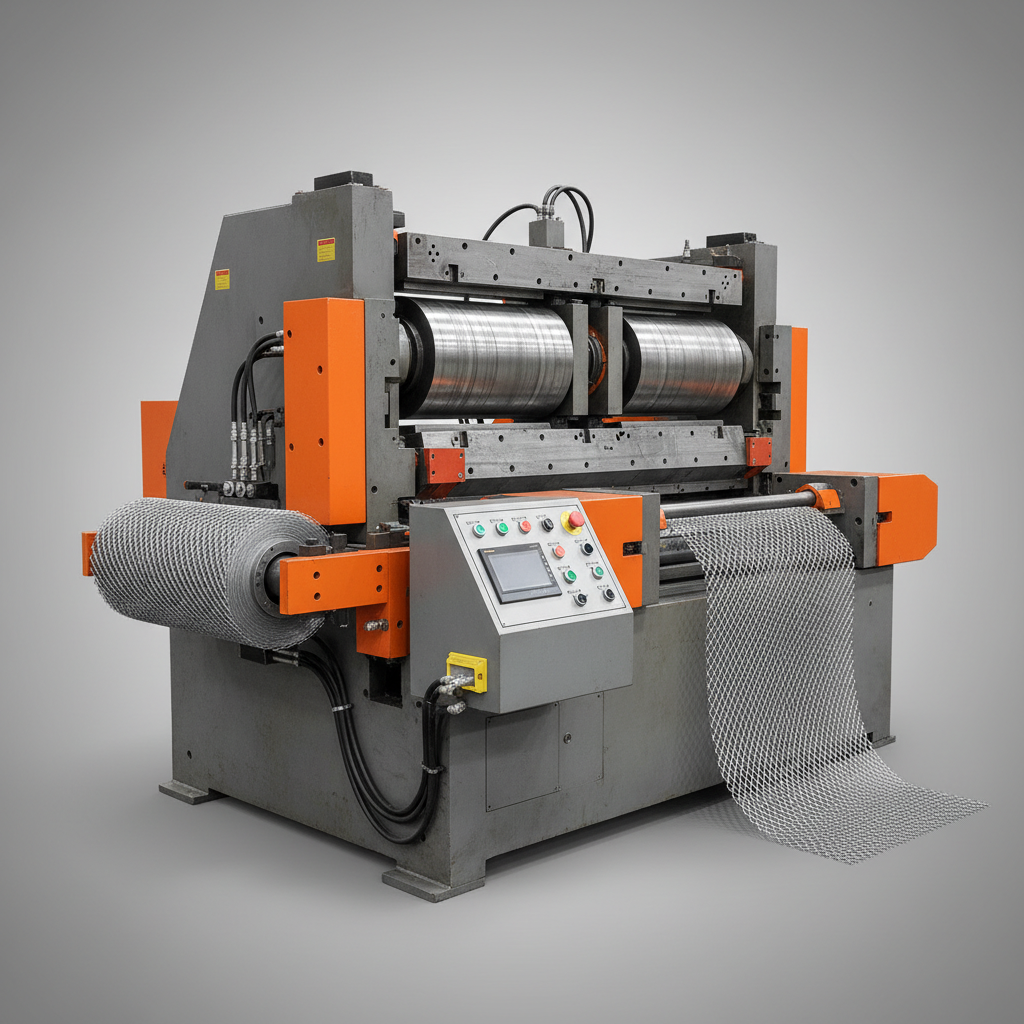
At its core, a mesh bending machine utilizes a series of precisely controlled rollers, dies, and clamps to manipulate metal mesh into desired shapes. The process typically involves feeding the mesh material into the machine, where it is then bent according to a pre-programmed sequence. Modern machines often employ CNC (Computer Numerical Control) technology, allowing for highly repeatable and complex bends. This automation significantly reduces the need for manual labor and minimizes errors. The key components include a feeding system, bending unit, control panel, and safety features. Explore Meshmachinery's offerings to discover the latest in bending technology.
Key Benefit: Reduced labor costs, increased production speed, and consistent, accurate results are core benefits of automating mesh bending processes.
The versatility of mesh bending machines makes them invaluable across numerous industries. Common applications include the fabrication of reinforcing bars (rebar) for concrete structures, creating wire forms for shelving and displays, producing components for automotive interiors, and manufacturing parts for fencing and security systems. The ability to create precise bends in various mesh types and sizes opens up a wide range of possibilities for product design and functionality. From simple 90-degree bends to complex curved shapes, a mesh bending machine can handle it all.
Industry Applications:
• Construction (Rebar fabrication)
• Automotive (Interior components)
• Retail (Shelving and displays)
• Security (Fencing and enclosures)
Several types of mesh bending machines are available, each suited to different production needs. These include:
Selecting the appropriate machine depends on factors like production volume, bend complexity, material type, and budget. Meshmachinery.com provides expert guidance to help you identify the optimal solution for your specific requirements.
Implementing a mesh bending machine into your manufacturing process offers significant advantages. These include increased production speed, improved accuracy and consistency, reduced labor costs, enhanced product quality, and the ability to handle complex bend shapes. Automation minimizes human error, leading to fewer rejects and improved efficiency. Furthermore, a well-maintained machine can operate reliably for years, providing a strong return on investment.
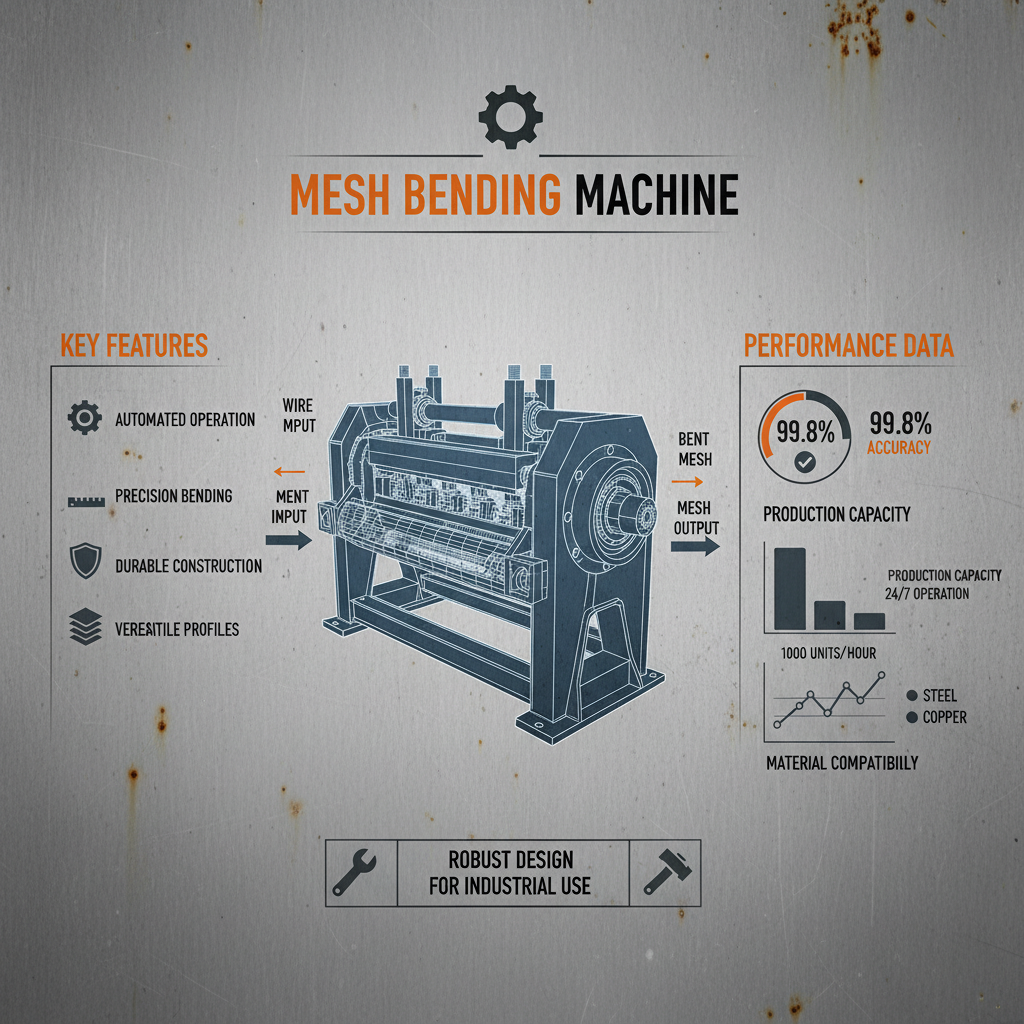
Before making a purchase, consider these key factors: material compatibility (ensure the machine can handle your specific mesh type), bending capacity (maximum bend angle and radius), production volume requirements, available floor space, power supply requirements, and after-sales support. Prioritize machines from reputable manufacturers who offer comprehensive warranties and service options. Meshmachinery.com provides detailed specifications and support to guide your decision-making process.
Investing in a mesh bending machine is a strategic move for businesses seeking to enhance their manufacturing capabilities. The benefits of increased efficiency, precision, and cost savings make it a valuable asset. By carefully considering your specific needs and partnering with a reliable supplier like Meshmachinery.com, you can unlock new levels of productivity and success.
Most mesh bending machines can accommodate a wide range of materials, including stainless steel, aluminum, carbon steel, and galvanized steel. However, the specific material compatibility depends on the machine’s design and capabilities. It’s crucial to verify that the machine can handle the thickness and hardness of the mesh you intend to use. Meshmachinery.com provides detailed material compatibility information for each machine.
While CNC machines are automated, some level of operator skill is still required. Operators need to understand how to program the machine, load materials correctly, monitor the bending process, and perform basic maintenance. Training is typically provided by the machine manufacturer. Basic computer literacy and a mechanical aptitude are helpful. Meshmachinery.com offers comprehensive training programs to ensure operators can effectively utilize our machines.
Regular maintenance is essential for ensuring optimal performance and longevity. This typically includes lubrication of moving parts, inspection of wear items (like dies and rollers), cleaning, and periodic calibration. The frequency of maintenance depends on the machine’s usage and operating environment. Meshmachinery.com provides detailed maintenance schedules and readily available spare parts.
Safety is paramount. Modern mesh bending machines incorporate several safety features, including emergency stop buttons, safety guards, light curtains, and interlock systems to prevent operation when guards are open. It’s essential to ensure that operators are properly trained on all safety procedures. Meshmachinery.com machines are designed with operator safety as a top priority.
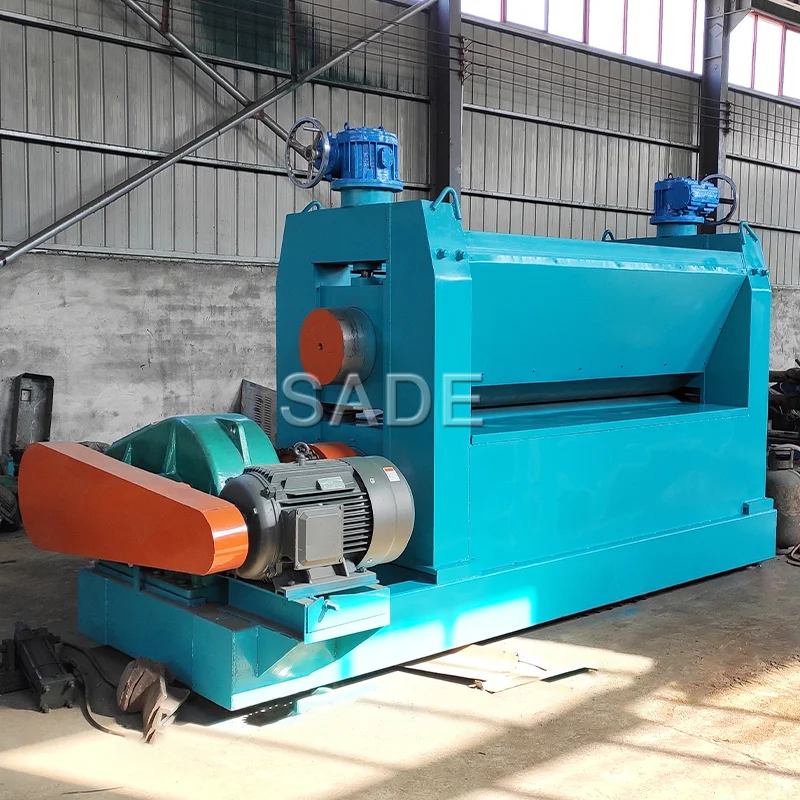
ZPJ Metal Mesh Flatting Machine
ZPJ metal mesh flatting machine is special designed for expanded metal flatting.It’s a corollary equipment of expanded metal machine. It can make expanded wire-mesh smoothly.And the flattened expanded metal have much more widely different applications.
Apr 24, 2026
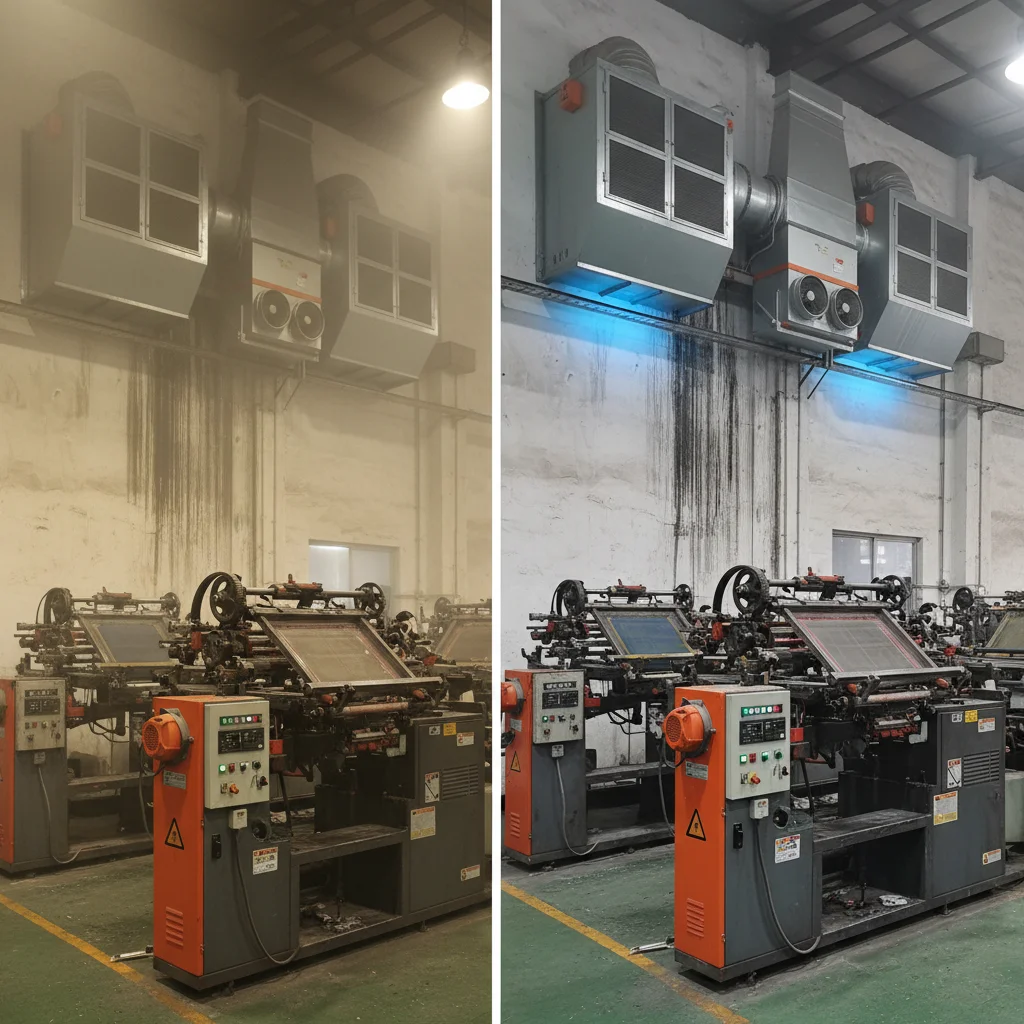
Industrial Wall Mounted Air Filtration for Clean Work Environments