
February 28, 2026
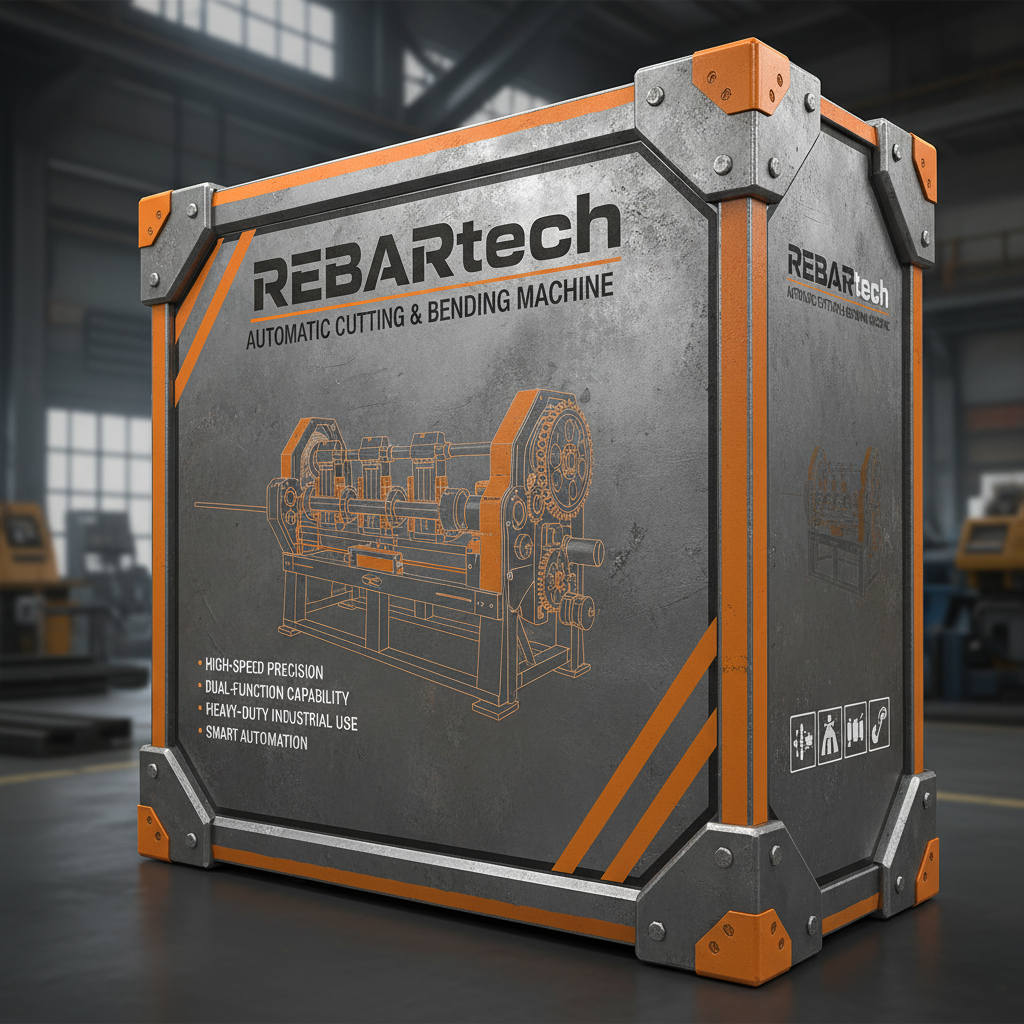
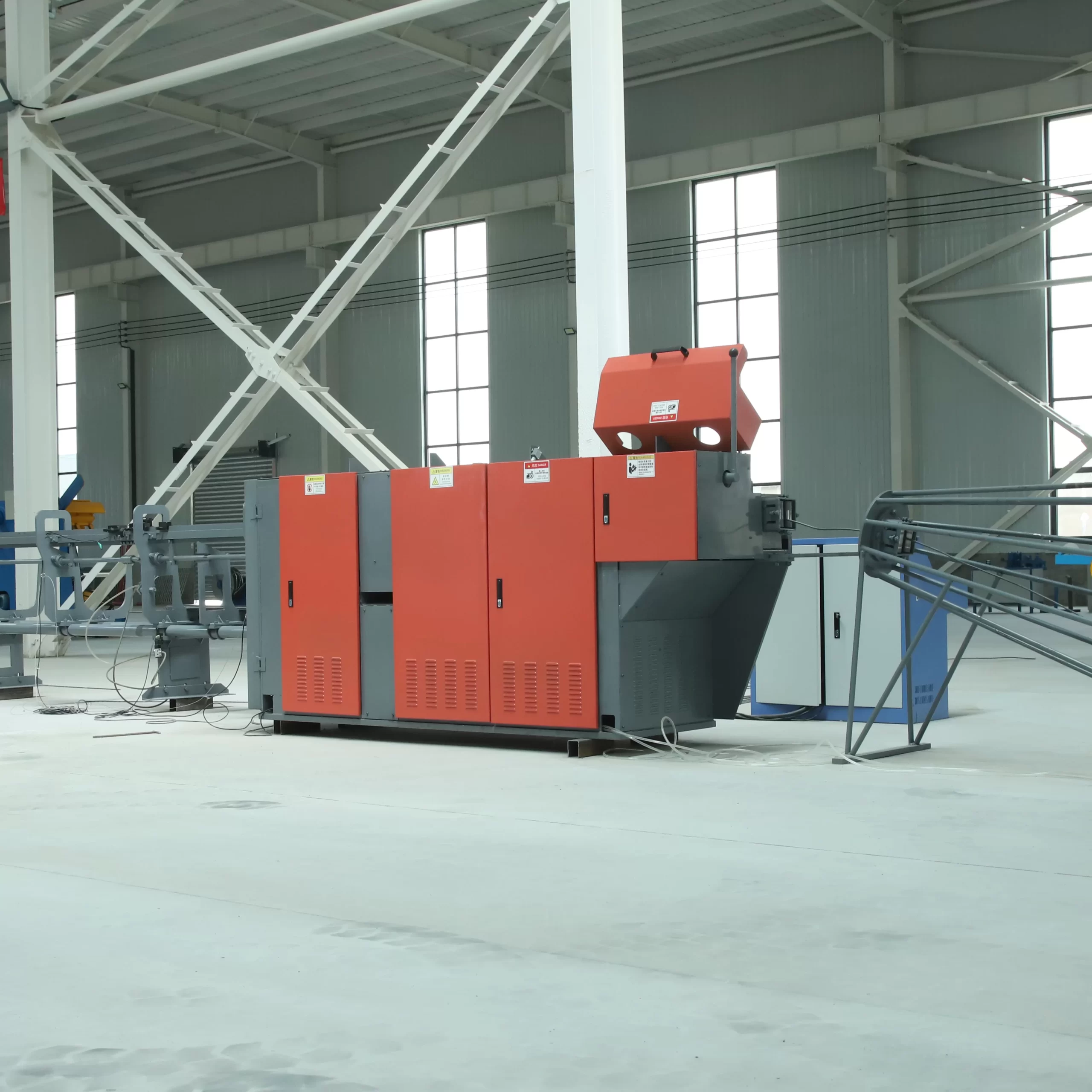
In the competitive world of construction and infrastructure, optimizing efficiency and precision is paramount. An automatic rebar cutting and bending machine represents a significant leap forward in achieving these goals. These machines automate the traditionally labor-intensive process of rebar fabrication, reducing costs, improving accuracy, and accelerating project timelines. This article will explore the benefits, features, applications, and considerations when investing in this essential piece of construction equipment. From small-scale projects to large-scale infrastructure developments, automation is the key to staying ahead.
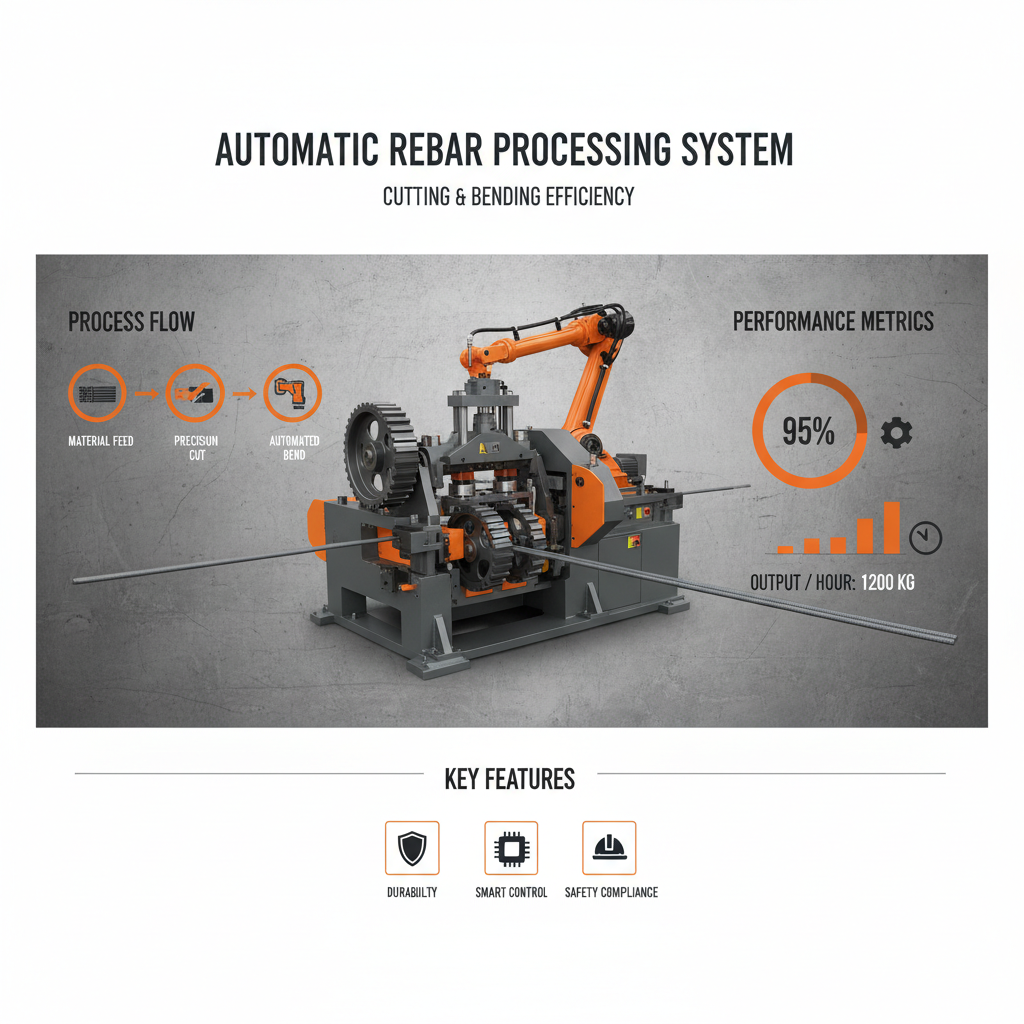
The primary advantage of utilizing an automatic rebar cutting and bending machine lies in its ability to drastically reduce labor costs. By automating the cutting, bending, and shaping of reinforcing steel, fewer workers are needed for this crucial step in construction. Beyond cost savings, these machines significantly increase production speed and accuracy. Human error is minimized, leading to more consistent results and a reduction in material waste. This translates to projects completed faster and within budget. Moreover, automated machines improve workplace safety by removing workers from potentially hazardous manual tasks. A well-maintained rebar machine is a worthwhile investment for any serious construction operation.
Key Highlights: Reduced labor costs, increased production speed, improved accuracy, minimized material waste, and enhanced workplace safety.
When selecting an automatic rebar bending machine, several key features should be considered. Look for models with programmable controllers allowing for easy customization of bending schedules. Accurate cutting mechanisms are crucial, ensuring precise rebar lengths. The machine’s capacity – both in terms of rebar diameter and bending angle – should align with the scope of your projects. Consider the level of automation; some machines offer fully automatic operation, while others require some manual intervention. Durability and build quality are also essential, ensuring the machine can withstand the demands of a construction environment. Finally, assess the ease of maintenance and availability of spare parts. Mesh Machinery offers a range of machines designed to meet diverse needs.
Essential Features:
• Programmable controllers for bending schedules
• Accurate cutting mechanisms
• High capacity for rebar diameter and bending angle
• Durable construction and ease of maintenance
Choosing the right machine depends on your specific needs and project requirements. Here's a comparison of some common models available:
Automatic rebar cutting and bending machines are essential for a wide array of construction applications, including building foundations, bridge construction, road infrastructure projects, and precast concrete element fabrication. Their ability to consistently produce accurate rebar shapes and sizes ensures the structural integrity of these projects. They're particularly valuable for large-scale projects where speed and precision are critical. From residential buildings to high-rise structures, the investment in this technology pays dividends in terms of efficiency and quality. Choosing the right rebar bending machine tailored to your project’s scale is key.
To ensure the longevity and optimal performance of your automatic rebar cutting and bending machine, regular maintenance is essential. This includes lubricating moving parts, checking for wear and tear on cutting blades, and inspecting electrical components. Following the manufacturer's guidelines for maintenance schedules will prevent costly breakdowns and extend the machine’s lifespan. Proper operator training is also crucial for safe and efficient operation. Operators should be thoroughly familiar with the machine’s controls, safety features, and troubleshooting procedures. Investing in preventative maintenance and operator training will maximize your return on investment.
An automatic rebar cutting and bending machine is a game-changer for construction companies seeking to improve efficiency, accuracy, and safety. By embracing automation, you can reduce costs, accelerate project timelines, and enhance the quality of your work. Mesh Machinery provides reliable and innovative solutions to meet your rebar fabrication needs.
Most automatic rebar cutting and bending machines operate on a standard 380V or 220V three-phase electrical supply. However, some smaller models may be available in single-phase configurations. It's crucial to verify the specific power requirements of the machine before installation and ensure your facility can provide the necessary electrical infrastructure. Incorrect voltage can damage the machine and void the warranty.
While modern machines are designed with user-friendliness in mind, proper training is still essential for safe and efficient operation. A comprehensive training program should cover machine controls, safety procedures, troubleshooting techniques, and routine maintenance. Typically, a 1-2 day training session is sufficient for operators to become proficient. Mesh Machinery provides training options for all of its machines.
The payback period varies depending on project volume, labor costs, and machine utilization. However, most construction companies experience a payback period of 1-3 years due to significant reductions in labor costs, increased production efficiency, and minimized material waste. Furthermore, the improved quality and precision of the finished product can lead to reduced rework and enhanced customer satisfaction.
Safety is a top priority in the design of automatic rebar machines. Common safety features include emergency stop buttons, protective guards around moving parts, overload protection systems, and automatic shutdown mechanisms. Many models also incorporate sensors to detect obstructions and prevent accidental operation. Regular inspection and maintenance of these safety features are essential to ensure continued protection for operators.
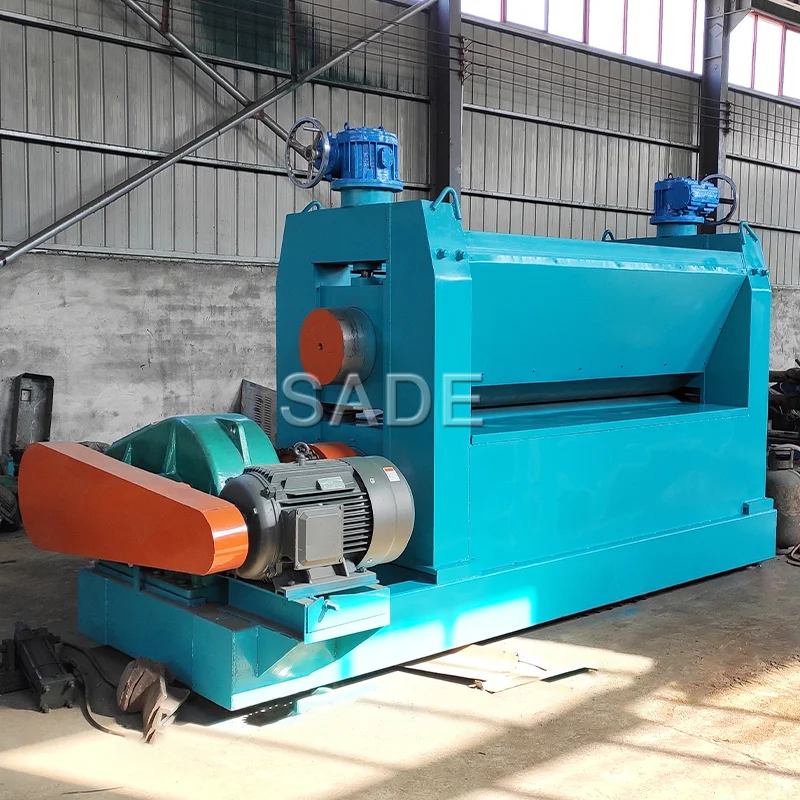
ZPJ Metal Mesh Flatting Machine
ZPJ metal mesh flatting machine is special designed for expanded metal flatting.It’s a corollary equipment of expanded metal machine. It can make expanded wire-mesh smoothly.And the flattened expanded metal have much more widely different applications.
Apr 24, 2026
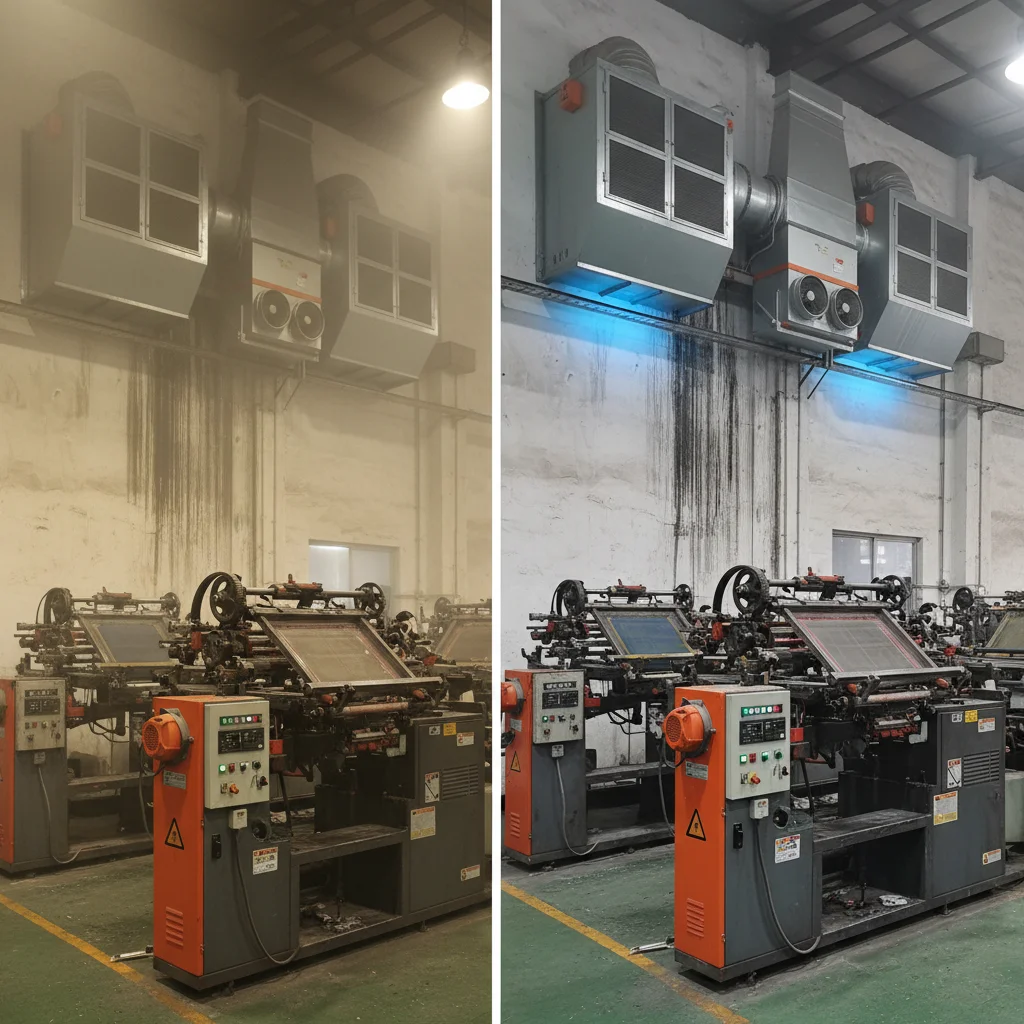
Industrial Wall Mounted Air Filtration for Clean Work Environments