
March 28, 2026
In the world of industrial manufacturing, the demand for high-quality wire net is ever-present. From filtration systems to protective barriers and beyond, wire net plays a vital role in countless applications. At the heart of this production lies the wire net making machine, a sophisticated piece of equipment designed for efficiency and precision. This article dives into the intricacies of these machines, their applications, key features, and considerations for selecting the right one for your needs. Whether you’re entering the wire net manufacturing sector or looking to upgrade your existing capabilities, understanding the nuances of these machines is crucial for success.
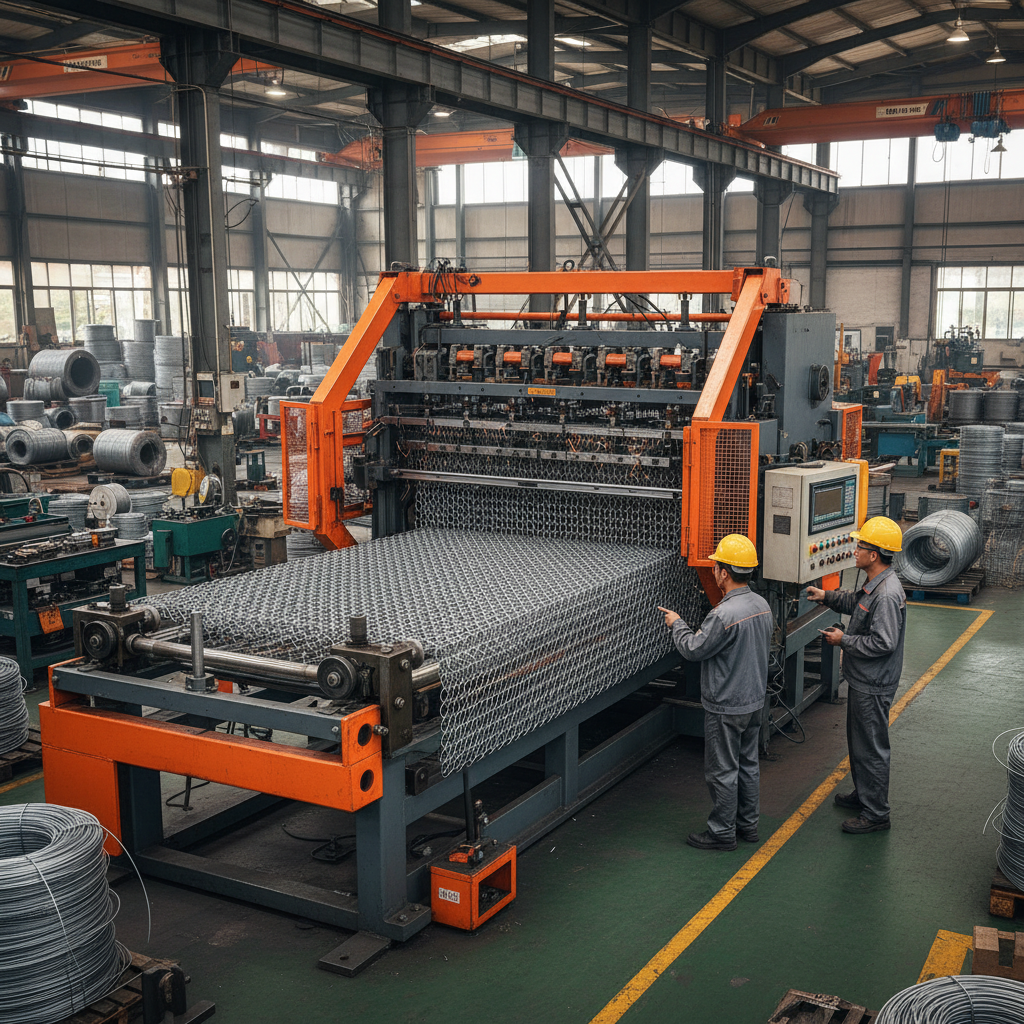
The core principle behind a wire net making machine involves weaving or welding wires together to create a mesh structure. Different machines utilize different methods – weaving, knitting, interlocking, or welding. Weaving machines, for example, interlace warp and weft wires to form the net. Welding machines, on the other hand, fuse wires together at intersection points. The process typically involves unwinding wire coils, precisely feeding the wire into the machine, and controlling the spacing and pattern of the mesh. Modern machines are often automated, utilizing programmable logic controllers (PLCs) for precise control and consistent output. The final product is then collected and often rolled up for easy transportation and storage. Meshmachinery.com offers a diverse range of these sophisticated machines.
Key Takeaway: Modern wire net making machines leverage automation and precise control systems like PLCs to ensure consistent product quality and high production volumes.
The versatility of wire net leads to its use in a vast array of industries. In construction, it’s used for reinforcement in concrete and as safety netting. Agriculture utilizes it for fencing, poultry cages, and crop protection. The filtration industry relies heavily on wire net for creating filters of various porosities. Furthermore, it’s essential in manufacturing for creating screens, guards, and protective enclosures. The automotive industry employs wire net in filters and sound dampening materials. Even the medical field uses specialized wire net for implants and surgical tools. The specific type of wire net – its material, mesh size, and weave pattern – is tailored to the demands of each application. Explore the different machine capabilities at Meshmachinery.com.
Diverse Industry Applications:
• Construction: Concrete reinforcement, safety netting
• Agriculture: Fencing, cages, crop protection
• Filtration: Industrial filters, water purification
• Automotive: Filters, sound dampening
Several types of wire net making machines are available, each suited for different wire materials and mesh configurations. Common types include chain link fence machines, hexagonal wire net machines, welded wire mesh machines, and expanded metal machines. The choice depends on the desired product and production volume. Here's a comparative overview:
Selecting the right machine requires careful consideration of several factors. First, identify the type of wire net you intend to produce. Next, determine the required production volume. The machine’s capacity should align with your demand. Wire material compatibility is also essential. Some machines are designed for specific materials, like stainless steel or aluminum. Automation level is another key aspect. Fully automated machines offer higher efficiency but require a larger initial investment. Finally, consider the level of after-sales support and availability of spare parts. Meshmachinery.com offers expert consultation to help you make the right choice.
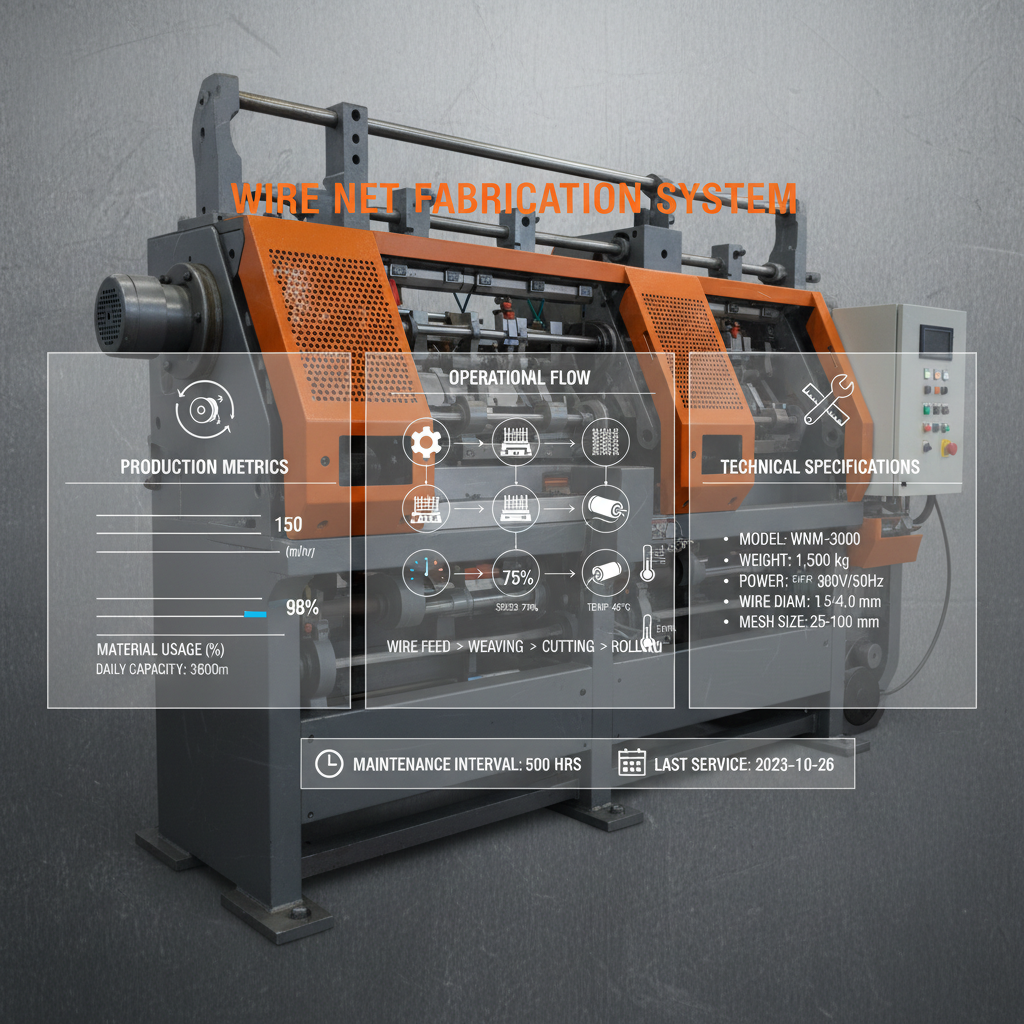
The wire net making industry is constantly evolving. We're seeing increased integration of artificial intelligence (AI) for quality control and predictive maintenance. Automation is becoming even more sophisticated, with robots handling more complex tasks. There’s a growing demand for machines that can produce customized wire net designs with greater flexibility. Furthermore, manufacturers are focusing on energy efficiency and sustainability, developing machines that consume less power and generate less waste. These advancements promise to improve efficiency, reduce costs, and enhance the quality of wire net products.
Investing in a wire net making machine is a significant decision. By carefully evaluating your needs, considering the factors outlined above, and partnering with a reputable supplier like Meshmachinery.com, you can ensure a successful investment that drives efficiency, enhances product quality, and supports your business growth.
Regular maintenance is crucial for ensuring the longevity and optimal performance of your machine. This includes daily lubrication of moving parts, regular cleaning to remove wire debris and dust, inspection of belts and gears for wear, and periodic tightening of bolts and screws. Following the manufacturer's recommended maintenance schedule is essential. Additionally, check and replace worn-out components promptly to prevent unexpected downtime.
Safety is paramount when operating these machines. Always wear appropriate personal protective equipment (PPE), including safety glasses, gloves, and hearing protection. Ensure the machine is properly grounded and that all safety guards are in place. Never attempt to repair or adjust the machine while it is running. Follow the manufacturer’s safety guidelines and provide adequate training to all operators. Keep the work area clean and free of obstructions.
The types of wire that can be used depend on the specific machine. Common materials include carbon steel wire, stainless steel wire, galvanized steel wire, aluminum wire, and copper wire. The wire's tensile strength, diameter, and surface condition are crucial factors to consider. Always consult the machine’s specifications to ensure compatibility with the chosen wire material. Meshmachinery.com can provide guidance on wire selection.
Lead times can vary depending on the machine's complexity, customization requirements, and the manufacturer's current production schedule. Generally, standard machines have a lead time of 4-8 weeks. Customized machines may require 8-12 weeks or longer. It's best to discuss your specific requirements with the supplier to get an accurate estimate.
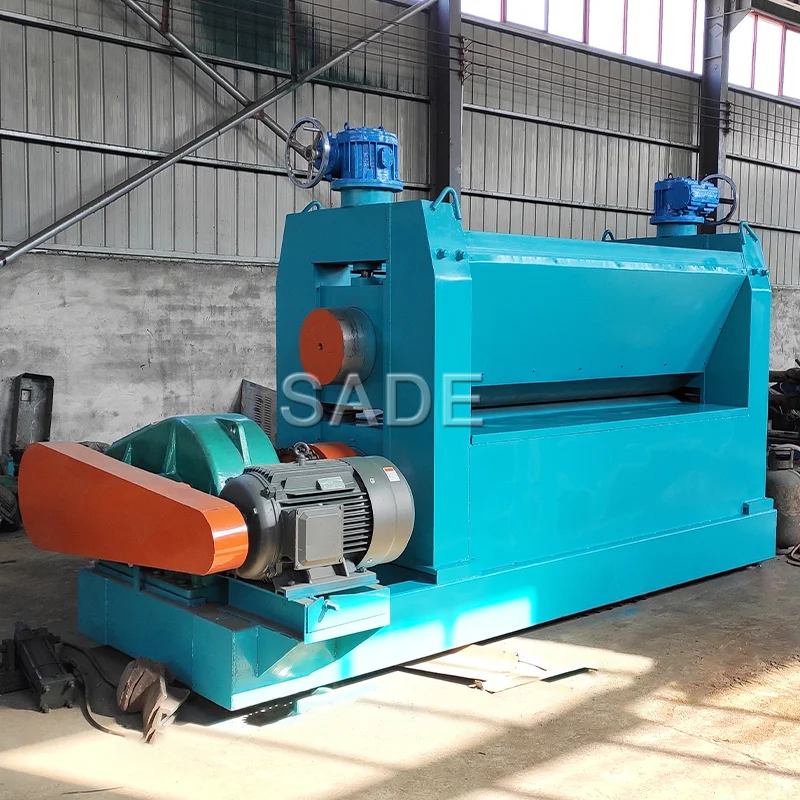
ZPJ Metal Mesh Flatting Machine
ZPJ metal mesh flatting machine is special designed for expanded metal flatting.It’s a corollary equipment of expanded metal machine. It can make expanded wire-mesh smoothly.And the flattened expanded metal have much more widely different applications.
Apr 24, 2026
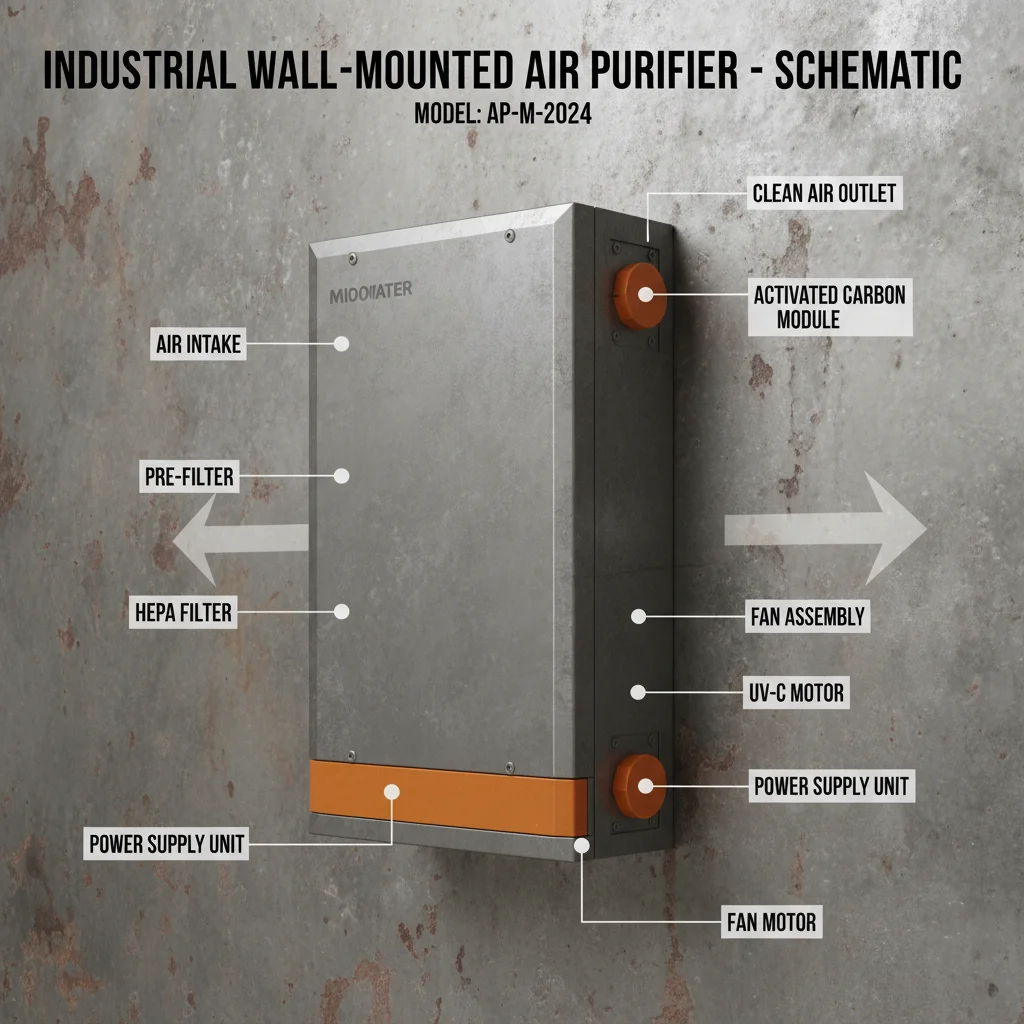
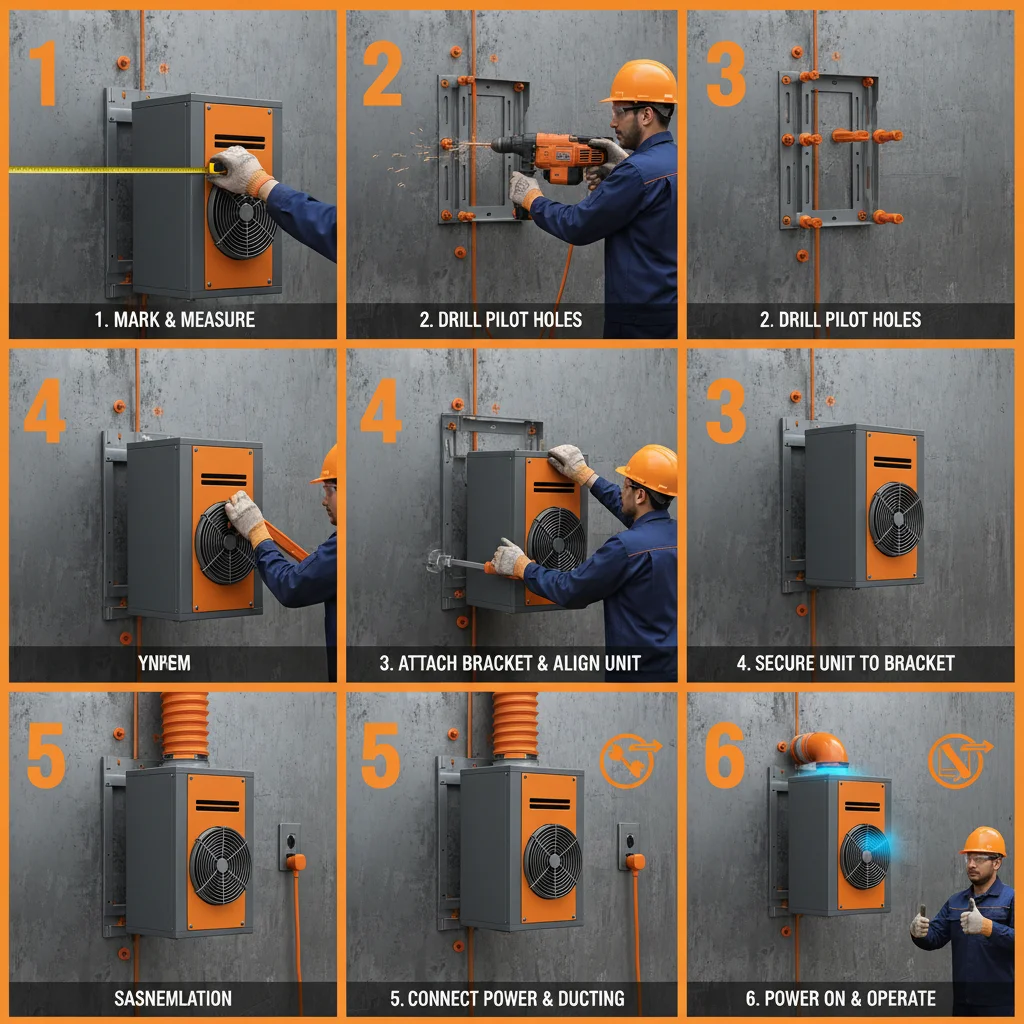
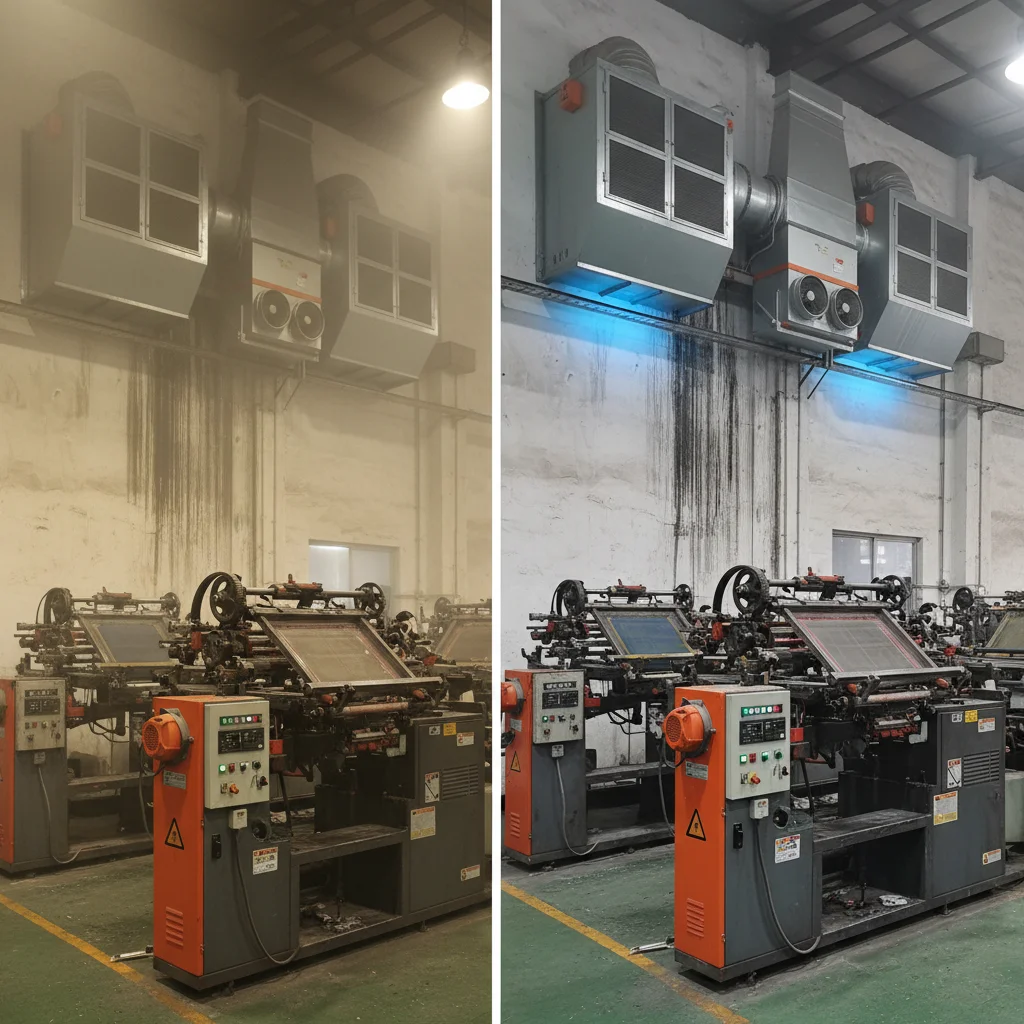
Industrial Wall Mounted Air Filtration for Clean Work Environments