February 10, 2026
The demand for artificial turf is steadily increasing across various sectors, including sports, landscaping, and recreational facilities. This growth necessitates efficient and reliable artificial grass machines to meet production needs. This article will provide a thorough overview of these machines, covering their types, components, applications, and what to consider when investing. Choosing the right machine can significantly improve your production capacity and product quality. Mesh Machinery offers a range of solutions tailored to different requirements.
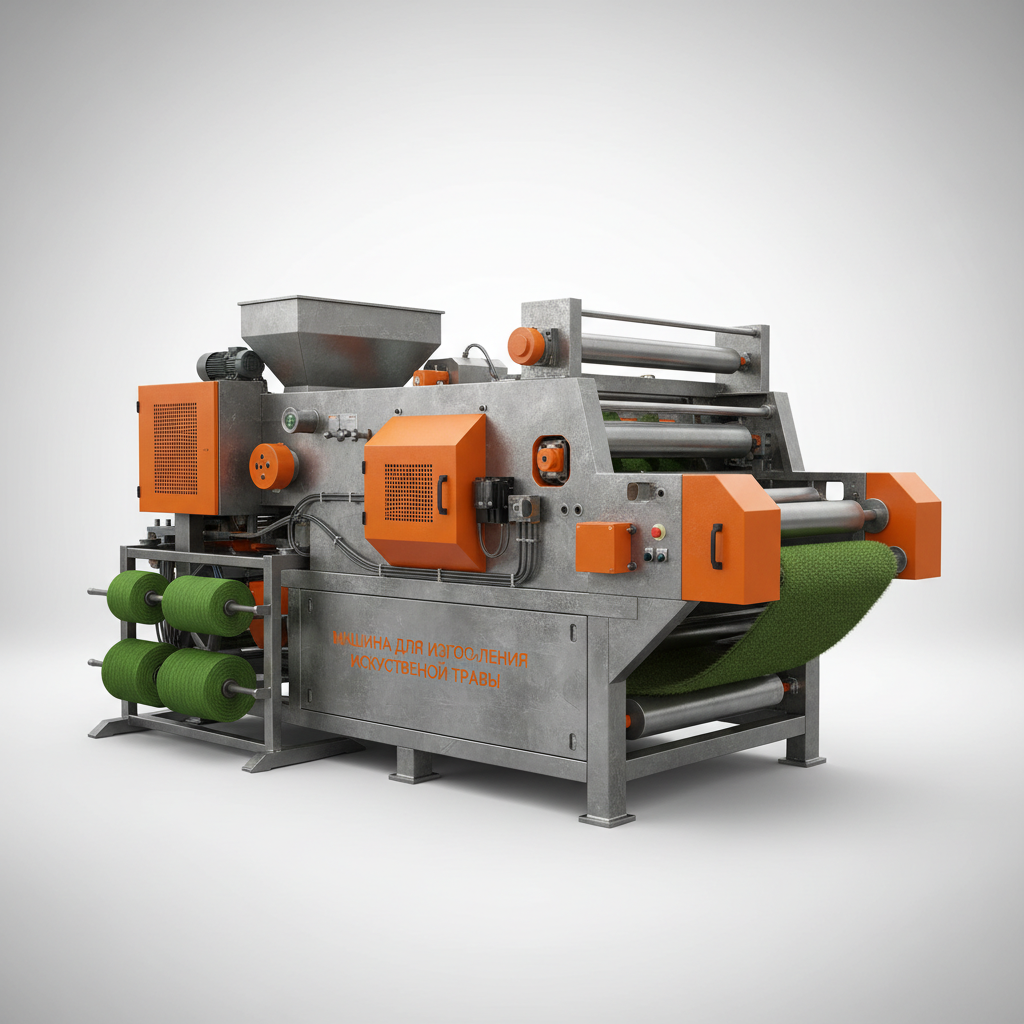
There are several types of machines involved in artificial grass production, each serving a specific purpose. The primary categories include tufting machines, coating machines, and slitting machines. Tufting machines are responsible for inserting the yarn into the backing material. Coating machines apply adhesives to secure the yarn and enhance durability. Slitting machines cut the turf into desired widths. The complexity and automation level of these machines vary, influencing both initial investment and production capacity. Mesh Machinery specializes in providing integrated solutions combining these essential components.
Key Takeaway: The production of artificial grass involves a multi-stage process utilizing specialized machinery. Selecting the right combination of machines is crucial for achieving optimal efficiency and product quality.
The tufting machine is arguably the most critical component in artificial grass production. It consists of several key parts, including the needle beam, loop pile or cut pile converters, backing material feed system, and yarn feed system. The needle beam drives the needles up and down, inserting the yarn into the backing. Converters determine whether the yarn is looped or cut, influencing the turf’s texture and appearance. Precise control of these components ensures consistent yarn density and pile height. Mesh Machinery’s tufting machines are designed for precision and reliability.
Tufting Machine Components:
• Needle Beam: Drives the needles for yarn insertion.
• Converters: Determines loop or cut pile.
• Backing Feed System: Ensures consistent material flow.
• Yarn Feed System: Controls yarn delivery to the needles.
Tufting machines are categorized based on their capabilities and level of automation. Common types include manual, semi-automatic, and fully automatic machines. Manual machines require significant operator input, while fully automatic machines minimize human intervention. The choice depends on production volume, budget, and labor costs. Fully automated machines generally offer higher throughput and consistent quality but come with a higher upfront investment. The following table summarizes the key differences.
Several factors should be considered when investing in an artificial grass machine. These include production capacity, budget, available space, required yarn types, and desired turf characteristics. It's also essential to consider the manufacturer’s reputation, after-sales support, and availability of spare parts. Investing in a reliable machine from a reputable supplier like Mesh Machinery ensures long-term performance and minimizes downtime.
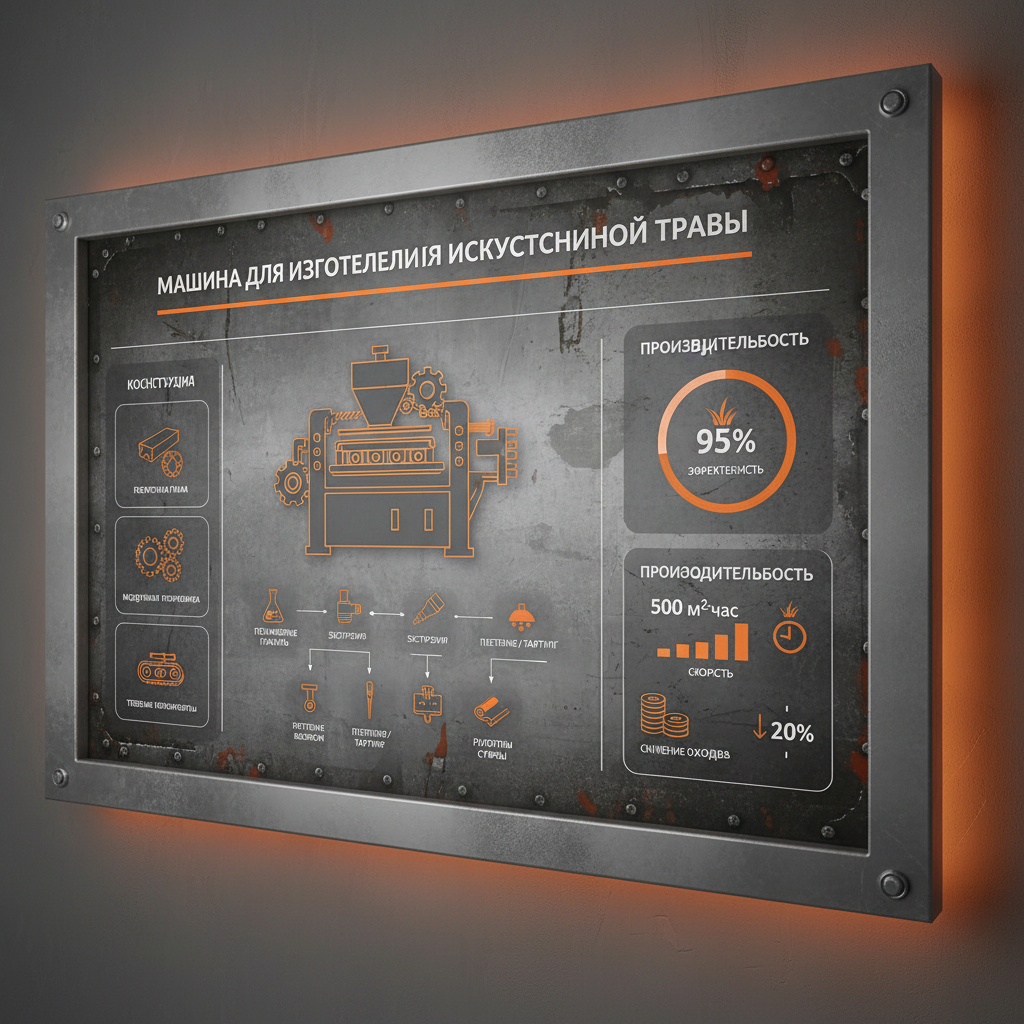
When evaluating different machines, pay close attention to key specifications such as tufting speed, maximum pile height, yarn feed rate, and power requirements. These parameters directly impact production efficiency and product quality. Understanding these specifications is crucial for selecting a machine that aligns with your specific manufacturing needs. Mesh Machinery provides detailed specifications for all its machines.
Investing in a high-quality artificial grass machine is crucial for success in this growing market. Mesh Machinery offers a comprehensive range of machines designed for efficiency, reliability, and superior product quality. By partnering with a trusted supplier and carefully considering your specific needs, you can maximize your investment and achieve long-term profitability.
The lead time varies depending on the machine’s complexity, customization requirements, and current production schedule. Generally, standard machines have a lead time of 6-8 weeks, while customized machines may take 10-12 weeks. We at Mesh Machinery strive to provide accurate delivery estimates and keep our clients informed throughout the process. Factors affecting lead time include order volume, component sourcing, and quality control inspections.
Regular maintenance is crucial for ensuring optimal performance and longevity. This includes daily cleaning, lubrication of moving parts, inspection of yarn feed systems, and replacement of worn components. Periodic professional servicing is also recommended. Mesh Machinery provides comprehensive maintenance guides and support to assist our clients.
Yes, Mesh Machinery provides comprehensive training programs for our clients. These programs cover machine operation, maintenance procedures, troubleshooting, and safety protocols. Training can be conducted at our facility or at the client’s location. We also offer ongoing technical support to address any questions or concerns.
We offer a standard 12-month warranty on all our artificial grass machines, covering defects in materials and workmanship. Extended warranty options are also available. The warranty covers repair or replacement of defective parts, excluding those damaged due to misuse or neglect. Detailed warranty terms and conditions are provided with each machine.
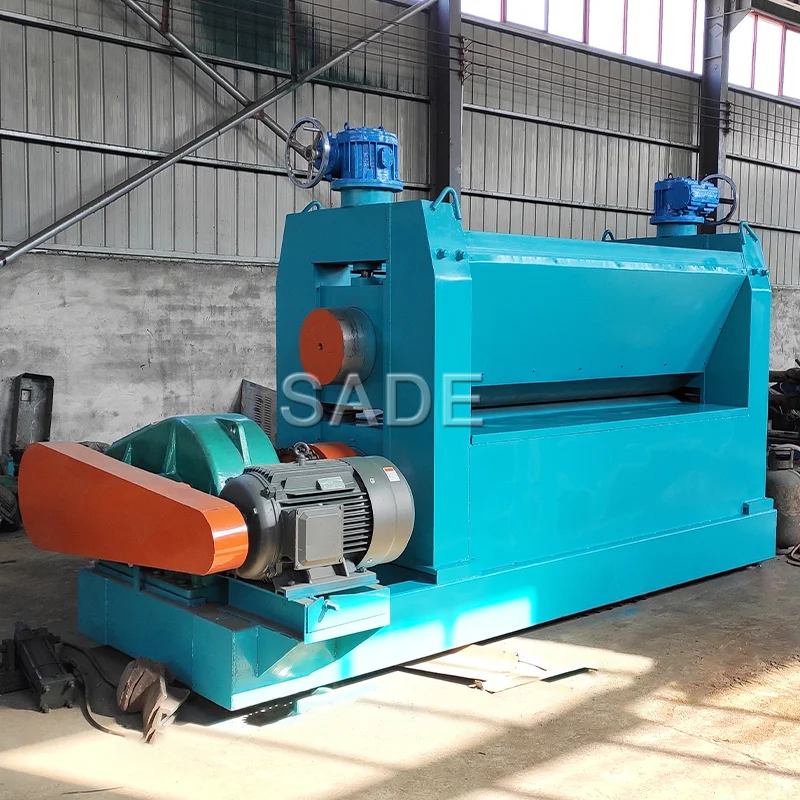
ZPJ Metal Mesh Flatting Machine
ZPJ metal mesh flatting machine is special designed for expanded metal flatting.It’s a corollary equipment of expanded metal machine. It can make expanded wire-mesh smoothly.And the flattened expanded metal have much more widely different applications.
Apr 23, 2026
Industrial Wall Mounted Purifier for Manufacturing Air Quality