
March 31, 2026
Understanding the weld mesh machine price is crucial for businesses looking to expand their production capabilities or enter the welded wire mesh market. This article provides a detailed overview of the factors influencing cost, different machine types, and what to expect when investing in this essential equipment. We’ll cover everything from basic models to fully automated systems, helping you make an informed decision based on your specific needs and budget. Choosing the right machine can significantly impact your efficiency and profitability.
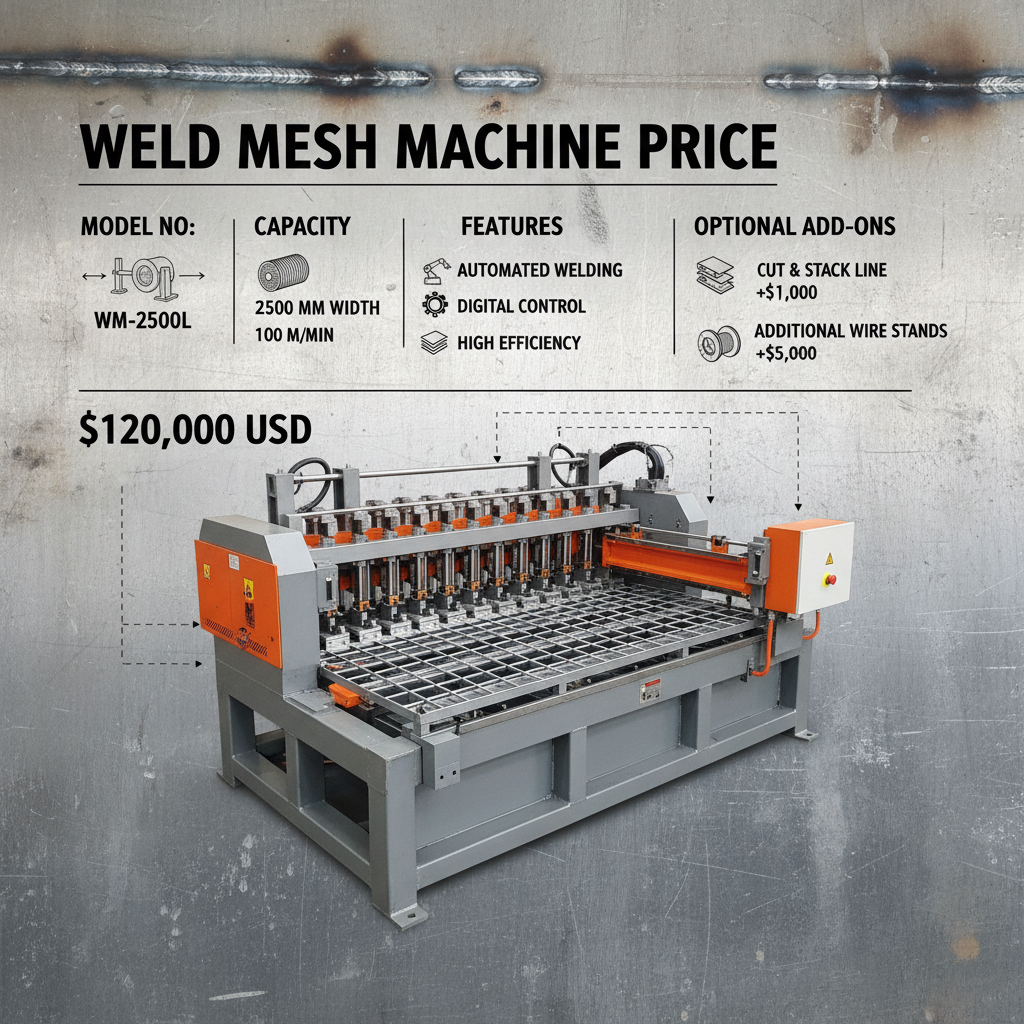
Several key elements determine the weld mesh machine price. The level of automation is a primary driver. Manual machines are the most affordable, while fully automatic systems represent a significant investment. The size and capacity of the machine also play a crucial role; larger machines capable of producing wider and thicker mesh command higher prices. Wire diameter compatibility, welding power requirements, and the complexity of control systems all contribute to the overall cost. Furthermore, the manufacturer's reputation, after-sales service, and warranty provisions impact the perceived value and price point. Finally, transportation costs and import duties (for international buyers) must also be considered.
Key Considerations: Automation level, machine capacity, wire diameter range, manufacturer reputation, and associated costs (transport, import duties).
The market offers various types of weld mesh machines, each suited to different production needs. Manual machines are typically the most economical, ranging from $5,000 to $15,000. Semi-automatic machines, offering increased speed and precision, generally cost between $15,000 and $30,000. Fully automatic machines, capable of continuous operation and high output, represent the largest investment, with prices ranging from $30,000 to $100,000 or more, depending on their capacity and features. PLC controlled machines offer greater flexibility and programming options and typically fall in the mid to high range of this spectrum. Choosing the correct machine type is essential for maximizing return on investment. Meshmachinery.com offers a wide variety of options.
Weld Mesh Machine Types & Price Ranges:
• Manual: $5,000 - $15,000
• Semi-Automatic: $15,000 - $30,000
• Fully Automatic: $30,000 - $100,000+
Understanding the differences between manual and automatic machines is vital for making the right investment. Manual machines require significant operator skill and are best suited for small-scale production or customized mesh sizes. They are relatively simple to operate and maintain, but labor costs are higher. Automatic machines, on the other hand, offer increased production speed, consistent quality, and reduced labor requirements. While the initial investment is higher, the long-term cost savings can be substantial, particularly for large-volume production runs. The choice depends on your production volume, budget, and skill level of your workforce.
Choosing a reputable supplier is as important as selecting the right machine. Look for companies with a proven track record, positive customer reviews, and comprehensive after-sales support. Meshmachinery.com specializes in providing high-quality weld mesh machines and offers expert guidance to help you find the perfect solution for your needs. Consider factors like warranty coverage, availability of spare parts, and the supplier’s willingness to provide technical assistance. Attending industry trade shows and networking with other businesses can also provide valuable insights.
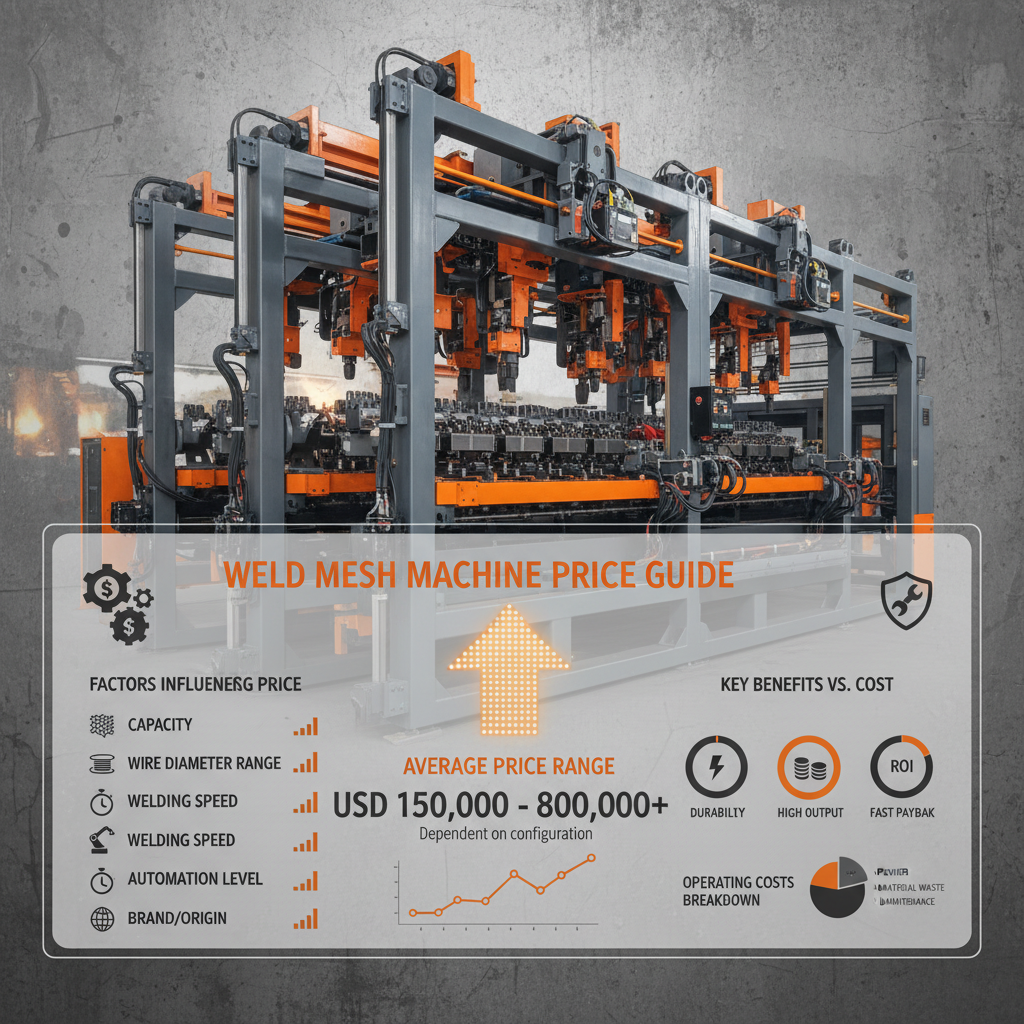
When evaluating the weld mesh machine price, don't solely focus on the initial purchase cost. Consider the total cost of ownership, which includes installation, training, maintenance, electricity consumption, and the cost of spare parts. Regular maintenance is crucial for prolonging the machine's lifespan and minimizing downtime. Factor in the cost of consumables, such as welding wire and electrodes. A comprehensive cost analysis will help you make a financially sound decision.
Investing in a weld mesh machine is a significant decision. Carefully consider your production needs, budget, and the factors discussed in this article. Meshmachinery.com provides a comprehensive range of machines and expert support to help you make the right choice. Prioritize quality, reliability, and long-term cost-effectiveness when making your selection.
Lead times can vary depending on the machine type and supplier. Generally, manual machines may have shorter lead times of 2-4 weeks, while fully automatic systems can take 6-12 weeks or longer, particularly if customization is required. It’s essential to confirm the lead time with the supplier before placing your order, especially if you have urgent production deadlines. Factors influencing lead time include manufacturing capacity, component availability, and shipping logistics.
Most reputable suppliers, like Meshmachinery.com, offer comprehensive training programs for operators. This typically includes on-site installation and training, as well as online resources and manuals. The training covers machine operation, maintenance procedures, troubleshooting, and safety protocols. The goal is to ensure your team can operate the machine efficiently and safely.
Warranty periods vary depending on the manufacturer and machine type. Generally, you can expect a warranty of 1-2 years covering defects in materials and workmanship. Some suppliers offer extended warranties for an additional cost. Carefully review the warranty terms and conditions before purchasing to understand what is covered and what is not. The warranty typically does not cover wear and tear or damage caused by improper operation.
The range of wire diameters a machine can handle is a critical specification. Manual machines often have a limited range, typically from 2mm to 6mm. Semi-automatic and fully automatic machines offer greater flexibility, accommodating wire diameters from 1.6mm to 8mm or even larger. Be sure to choose a machine that can handle the wire diameters required for your specific applications. Always consult the machine specifications before making a purchase.
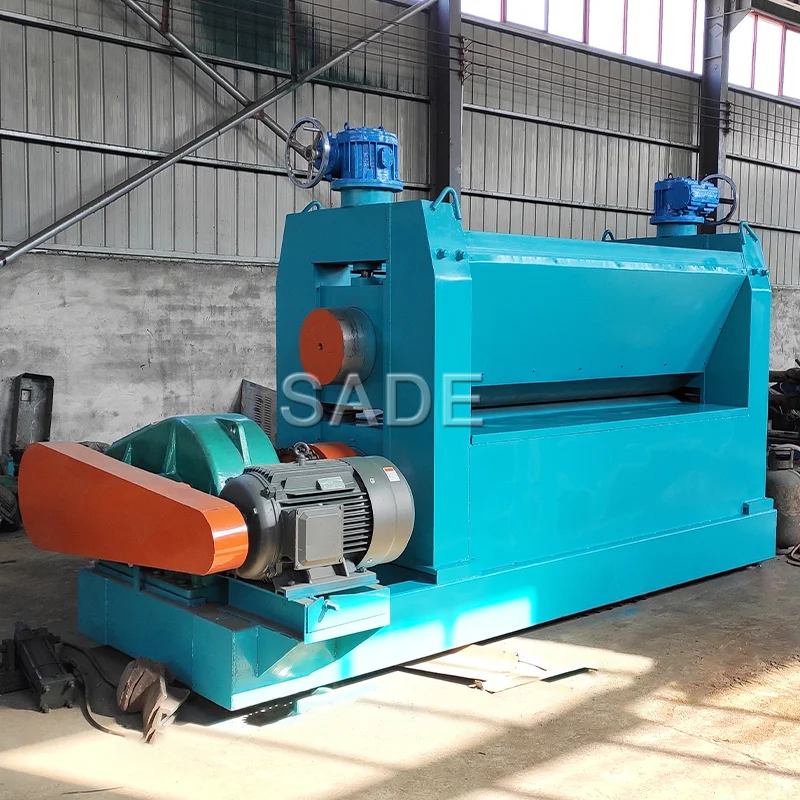
ZPJ Metal Mesh Flatting Machine
ZPJ metal mesh flatting machine is special designed for expanded metal flatting.It’s a corollary equipment of expanded metal machine. It can make expanded wire-mesh smoothly.And the flattened expanded metal have much more widely different applications.
Apr 24, 2026
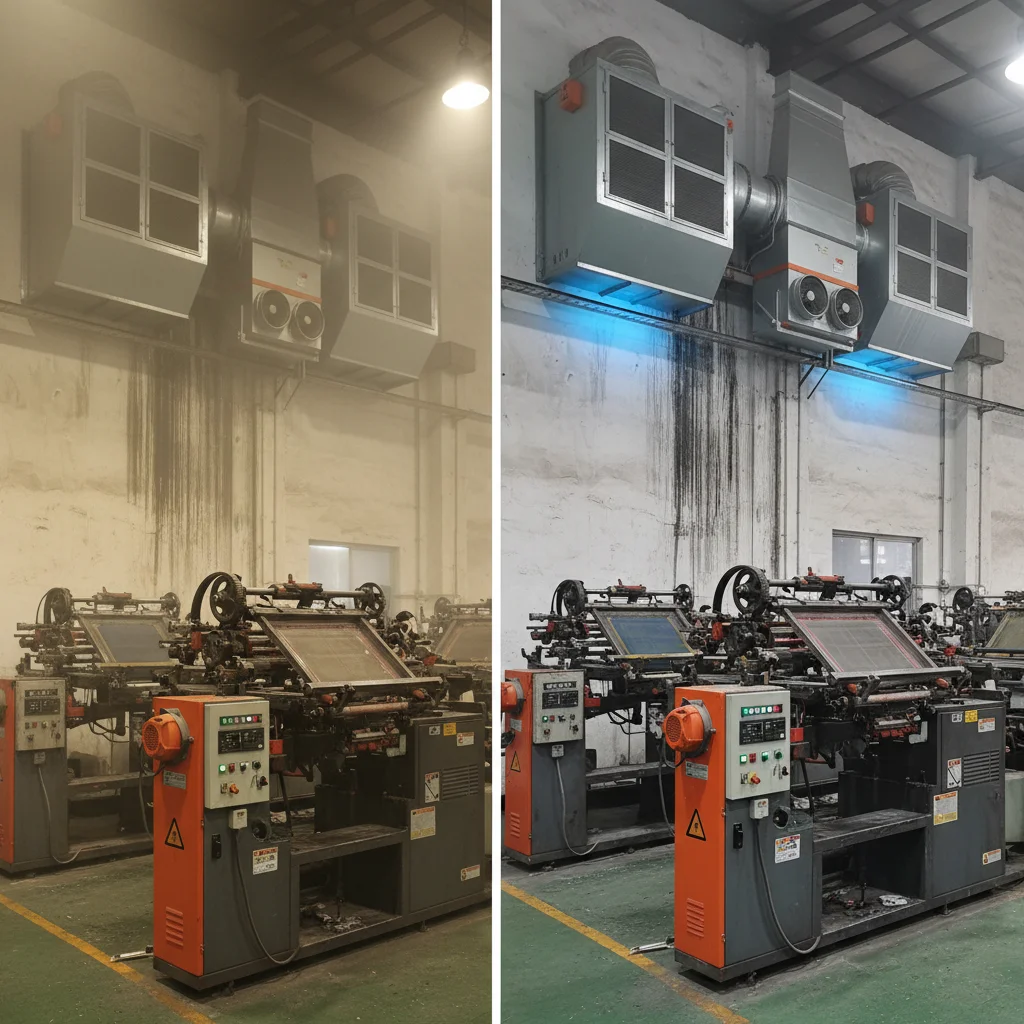
Industrial Wall Mounted Air Filtration for Clean Work Environments