
March 11, 2026
In the realm of perimeter security and fencing solutions, razor barbed wire stands as a robust deterrent. The production of this security staple relies heavily on efficient and reliable razor barbed wire machines. This article delves into the functionality, types, key features, and benefits of these machines, serving as a comprehensive guide for businesses seeking to invest in this crucial manufacturing technology. Selecting the right machine is paramount to ensuring quality, efficiency, and cost-effectiveness in barbed wire production.
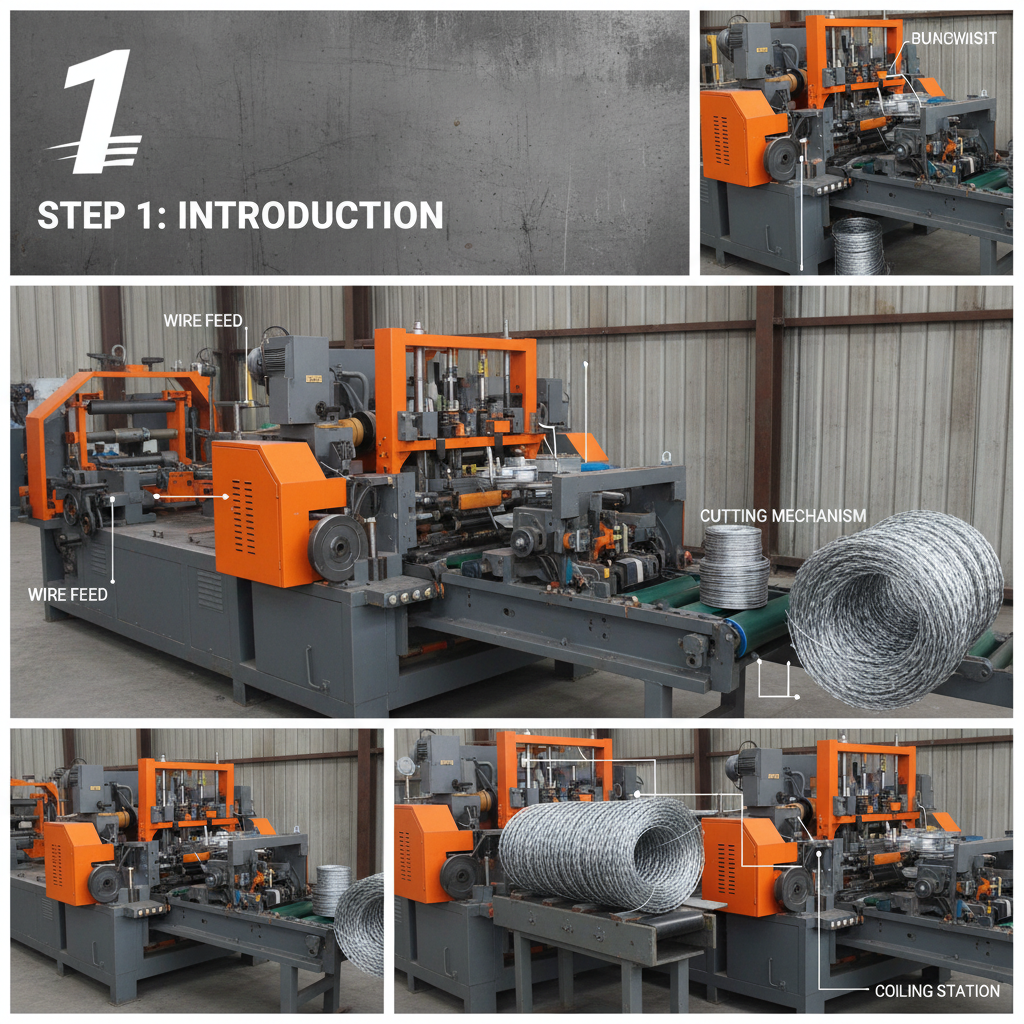
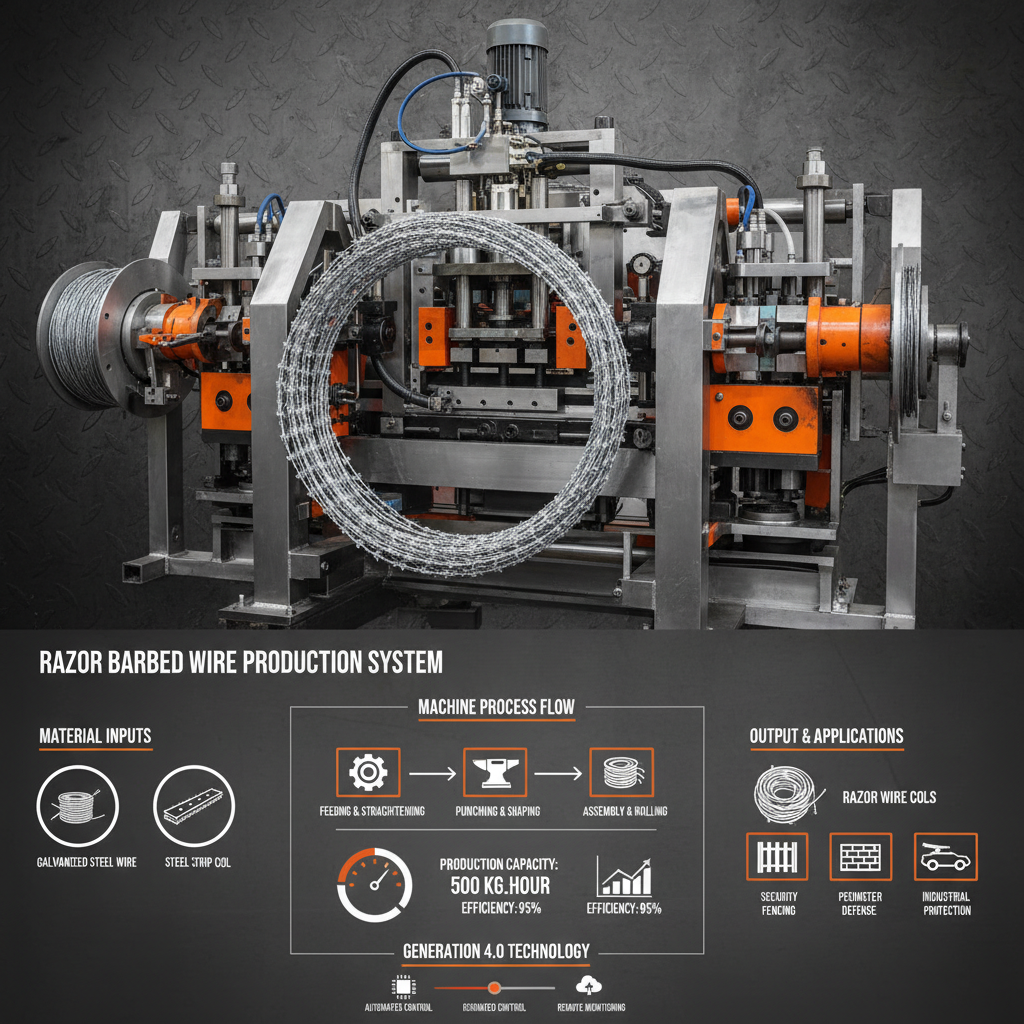
A razor barbed wire machine automates the process of creating this high-security fencing material. The core function involves feeding wire coils, typically galvanized steel, into the machine. The machine then simultaneously twists the wires to form the core strands and attaches the razor-sharp blades at precise intervals. These blades, usually made of galvanized steel or stainless steel, are crimped or welded onto the core wires. Modern machines incorporate sophisticated control systems to ensure consistent blade spacing, tension, and overall quality. The automation significantly reduces labor costs and increases production output compared to manual methods.
Key Operational Steps: Wire feeding, core wire twisting, blade attachment (crimping or welding), coiling/packaging.
Razor barbed wire machines come in various configurations, each designed to meet different production demands and specifications. The primary types include:
Machine Type Comparison:
• Manual: Low initial cost, low production rate, high labor cost.
• Semi-Automatic: Moderate cost, medium production rate, moderate labor cost.
• Fully Automatic: High initial cost, high production rate, low labor cost.
Choosing the right razor barbed wire machine involves evaluating several critical features. These include production capacity (meters per hour), the diameter of wire it can handle, blade attachment method (crimping or welding – welding generally offers greater security), the degree of automation, and the machine's overall durability and reliability. Consider also the availability of spare parts and technical support. The control system's user-friendliness is also important for ease of operation and maintenance.
Investing in a high-quality razor barbed wire machine yields numerous benefits. These include increased production capacity, reduced labor costs, consistent product quality, and improved safety. Automation minimizes human error and ensures uniform blade spacing and secure attachment. A reliable machine minimizes downtime and maintenance costs. Ultimately, a good machine helps you meet market demand efficiently and profitably.
When sourcing a razor barbed wire machine, selecting a reputable supplier is critical. Meshmachinery has established itself as a leading provider of high-quality machines. We offer a wide range of models to suit various production needs, coupled with comprehensive technical support and readily available spare parts. Our commitment to innovation and customer satisfaction ensures a long-term partnership.
Investing in a reliable razor barbed wire machine is a strategic move for any business involved in perimeter security. Meshmachinery offers a range of solutions designed to enhance your production efficiency and deliver high-quality results. Contact us today to discuss your specific requirements and find the perfect machine for your operation.
Most razor barbed wire machines are designed to handle galvanized steel wire, which provides excellent corrosion resistance. Some machines can also process stainless steel wire for even greater durability in harsh environments. The wire diameter capacity of the machine is a crucial specification to consider, as it must match the gauge of wire you intend to use. Always consult the machine's manual or contact the manufacturer (like Meshmachinery) to confirm compatibility.
Regular maintenance is essential for ensuring optimal performance and longevity. This includes lubricating moving parts, inspecting and replacing worn blades, checking wire tension, and cleaning the machine to remove debris. It's also important to regularly inspect the electrical components and wiring. Following the manufacturer’s recommended maintenance schedule will minimize downtime and prevent costly repairs.
Operating a razor barbed wire machine involves working with sharp blades and high-speed machinery. Always wear appropriate personal protective equipment (PPE), including safety glasses, gloves, and sturdy footwear. Ensure the machine is properly grounded and that all safety guards are in place. Never attempt to repair or adjust the machine while it is running. Proper training and adherence to safety protocols are paramount.
The production rate of a fully automatic machine varies depending on the model and the wire specifications. However, a typical production rate ranges from 60 to 150 meters per hour. Factors such as wire diameter, blade spacing, and machine settings can influence the actual output. Meshmachinery provides detailed specifications for each model, including its production capacity.
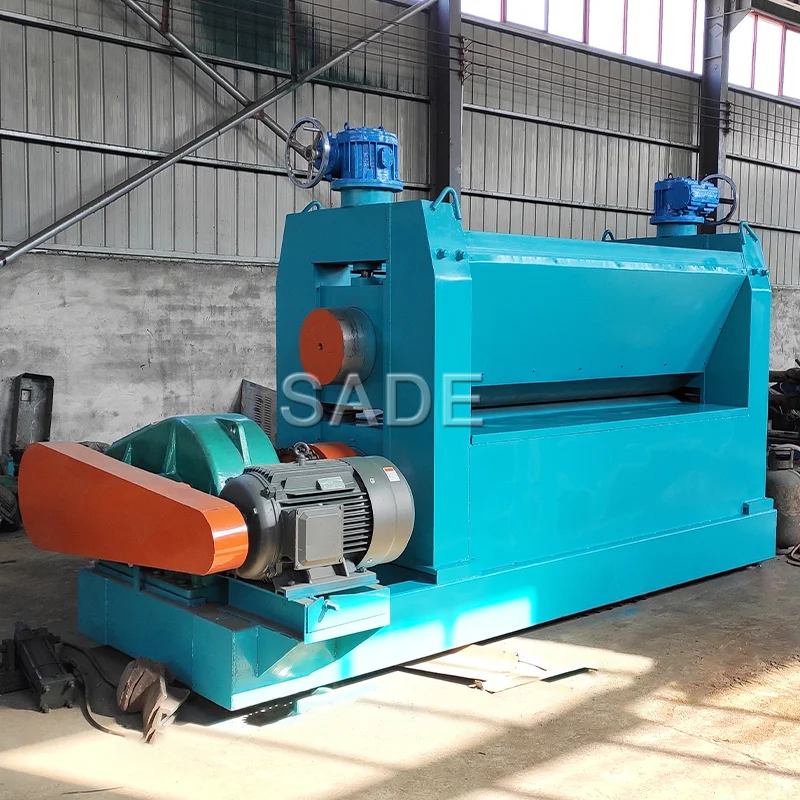
ZPJ Metal Mesh Flatting Machine
ZPJ metal mesh flatting machine is special designed for expanded metal flatting.It’s a corollary equipment of expanded metal machine. It can make expanded wire-mesh smoothly.And the flattened expanded metal have much more widely different applications.
Apr 24, 2026
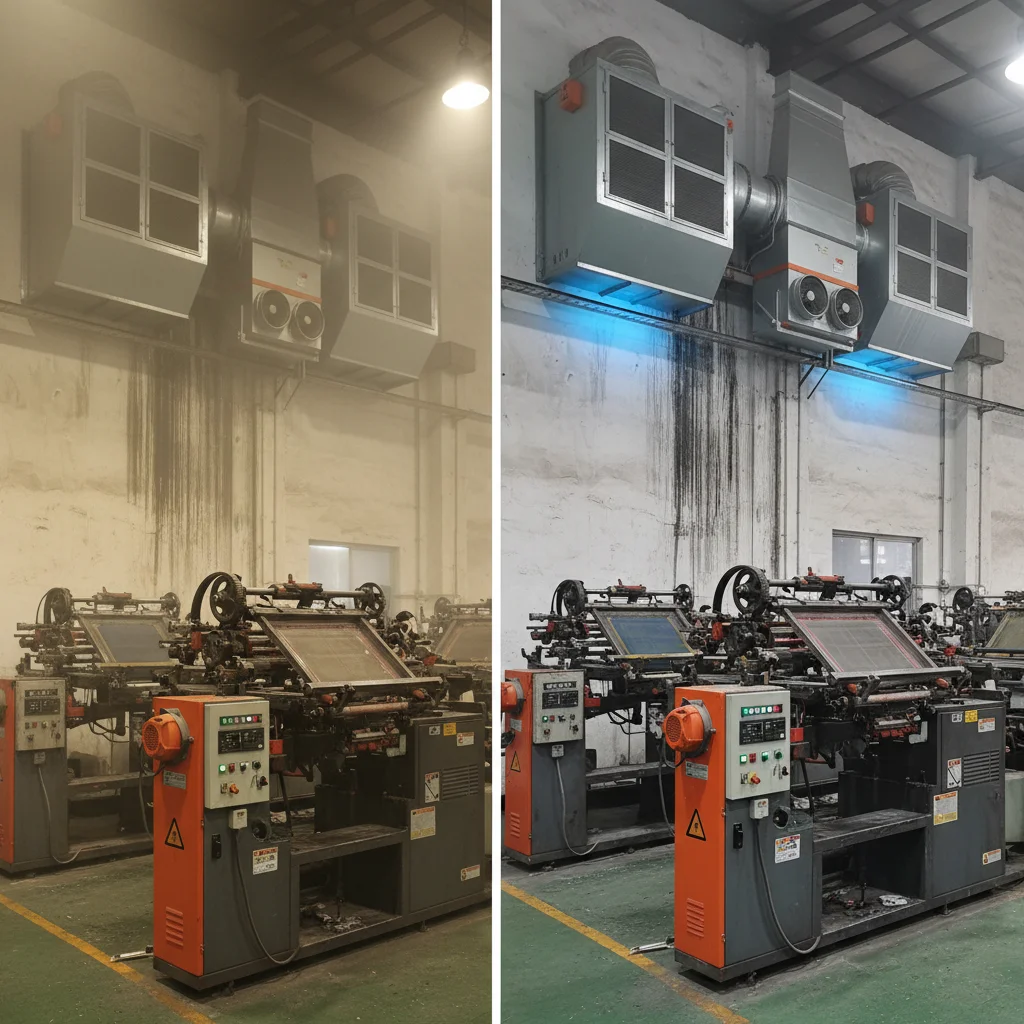
Industrial Wall Mounted Air Filtration for Clean Work Environments