
March 19, 2026
In the world of construction, agriculture, and various industrial applications, wire mesh plays a crucial role. While automated machines dominate large-scale production, the manual wire mesh making machine remains a valuable asset for smaller operations, custom projects, and on-site repairs. This article delves into the benefits, applications, and key considerations when choosing a manual wire mesh machine. We’ll explore how these machines provide a cost-effective and flexible solution for creating bespoke wire mesh products. For reliable and high-quality machines, explore the offerings at Mesh Machinery.
Manual wire mesh machines offer several advantages over their automated counterparts, particularly for certain applications. They’re significantly more affordable, making them accessible to small businesses and individual users. They require minimal training to operate, and their portability allows for on-site mesh creation and repairs. Furthermore, manual machines excel in producing customized mesh sizes and patterns that might be impractical or costly with automated equipment. This makes them ideal for specialized projects where precision and flexibility are paramount. These machines are also easy to maintain and require less space than large automated systems. Investing in a manual wire mesh machine is a smart choice for businesses seeking cost-effectiveness and customization.
Key Highlights: Affordable, portable, requires minimal training, ideal for custom projects, and easy to maintain.
The versatility of a manual wire mesh machine extends to numerous industries. In agriculture, it's used to create poultry netting, animal enclosures, and crop supports. Construction utilizes wire mesh for reinforcement, plastering, and protective screens. DIY enthusiasts and hobbyists find it invaluable for crafting projects, insect screens, and garden fences. Repairing damaged wire mesh structures on-site becomes significantly easier with a portable manual machine. Beyond these, industries such as landscaping, security fencing, and even artisanal crafts rely on the consistent and customizable output of these machines. Whether it’s a small farm or a construction site, a manual wire mesh maker provides a practical solution.
Common Applications:
• Poultry Netting & Animal Enclosures
• Construction Reinforcement
• DIY Crafting & Garden Fencing
• On-Site Repairs
Choosing between a manual and automated wire mesh machine depends on production volume and project requirements. Automated machines offer high-speed, continuous production and are ideal for large-scale operations. However, they require significant investment, skilled operators, and substantial floor space. Manual machines, while slower, offer unparalleled flexibility and cost-effectiveness for smaller batches and customized designs. They’re also more readily adaptable to changing project needs. For businesses just starting or those requiring specialized mesh, a manual machine offers a pragmatic solution. Explore the diverse range of options available at Mesh Machinery.
When selecting a manual wire mesh machine, consider the type of wire you'll be using, the desired mesh size, and the frequency of use. Look for a machine with adjustable settings to accommodate different wire gauges and mesh apertures. The build quality is also crucial; a robust frame and durable components will ensure longevity. Mesh Machinery offers a selection of high-quality manual machines designed for various applications, with detailed specifications to help you make an informed decision.
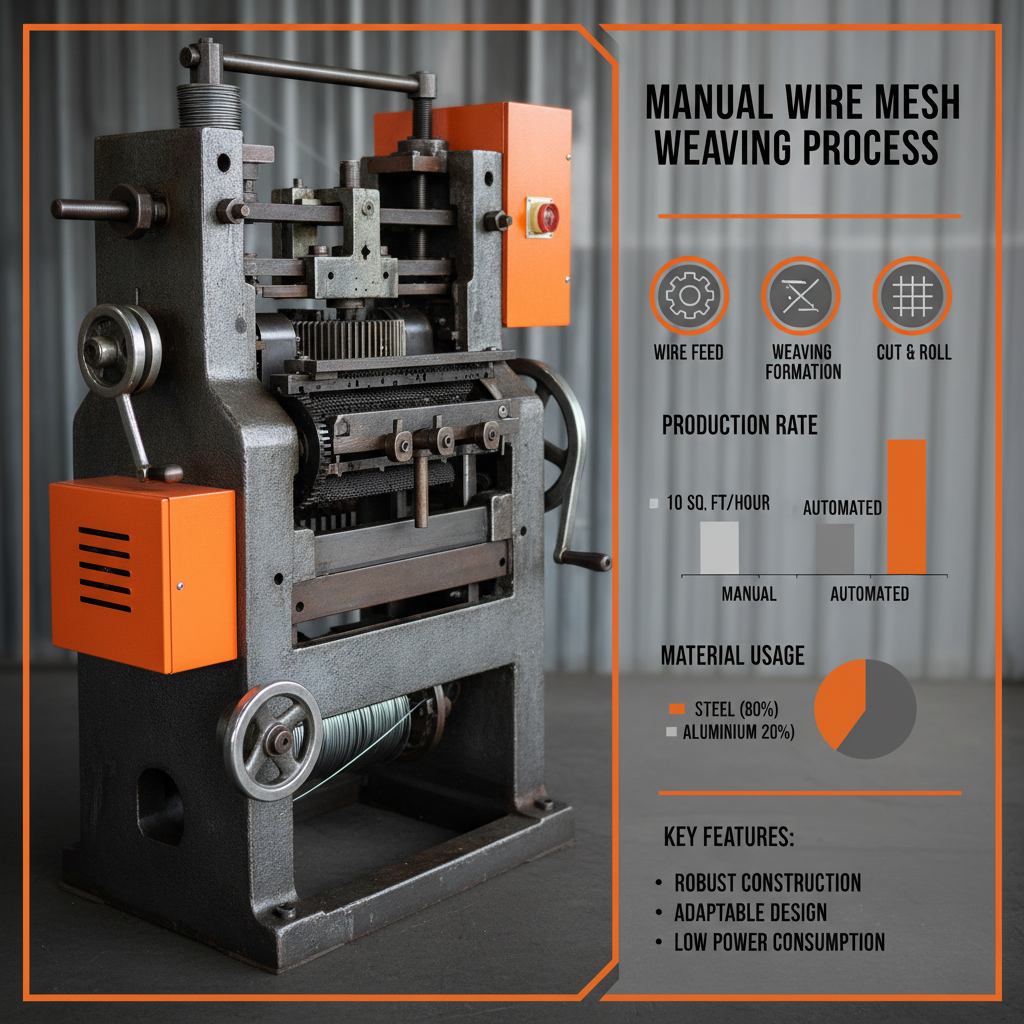
Understanding the technical specifications of a manual wire mesh machine is essential for ensuring it meets your needs. Key specifications include the maximum wire diameter it can handle, the range of mesh sizes it can produce, and its overall dimensions and weight. Also, consider the type of drive mechanism – some machines use a hand crank, while others may have a foot pedal. Mesh Machinery provides detailed specifications for each of their machines, empowering you to make the right choice for your project.
A manual wire mesh making machine is a versatile and cost-effective solution for a wide range of applications. From agricultural fencing to DIY projects, these machines provide the flexibility and control needed to create customized wire mesh products. By carefully considering your project requirements and choosing a machine with the appropriate specifications, you can unlock a world of possibilities. Explore the extensive selection at Mesh Machinery and find the perfect machine for your needs.
Most manual wire mesh machines can accommodate a variety of wire types, including galvanized steel, stainless steel, and aluminum. The specific wire diameter capacity will depend on the machine’s specifications. It’s crucial to check the manufacturer’s guidelines to ensure compatibility. Using the correct wire type and gauge ensures optimal mesh quality and durability. For specific recommendations regarding wire types and compatibility, refer to the product details on Mesh Machinery's website.
Regular maintenance is key to extending the life of your manual wire mesh machine. This includes lubricating moving parts, cleaning the machine after each use, and inspecting for any signs of wear and tear. Pay particular attention to the gears and bearings, ensuring they are properly lubricated. Avoid using abrasive cleaners, as they can damage the machine’s surfaces. Refer to the machine’s manual for specific maintenance instructions. Mesh Machinery provides comprehensive support and maintenance resources for their products.
Safety is paramount when operating any machinery. Always wear appropriate safety glasses to protect your eyes from flying debris. Gloves are recommended to protect your hands from sharp wires. Ensure the machine is placed on a stable surface and is properly secured before operation. Keep hands clear of moving parts during operation. Read and understand the machine’s safety manual before use. Proper training and adherence to safety guidelines will minimize the risk of accidents.
Many manual wire mesh machines offer adjustable settings that allow for creating different mesh patterns, such as square, hexagonal, and rectangular. The specific pattern options will depend on the machine's design and the attachments available. Some machines come with interchangeable components to facilitate pattern changes. Explore the product specifications on Mesh Machinery’s website to determine if a particular machine can produce the mesh patterns you require.
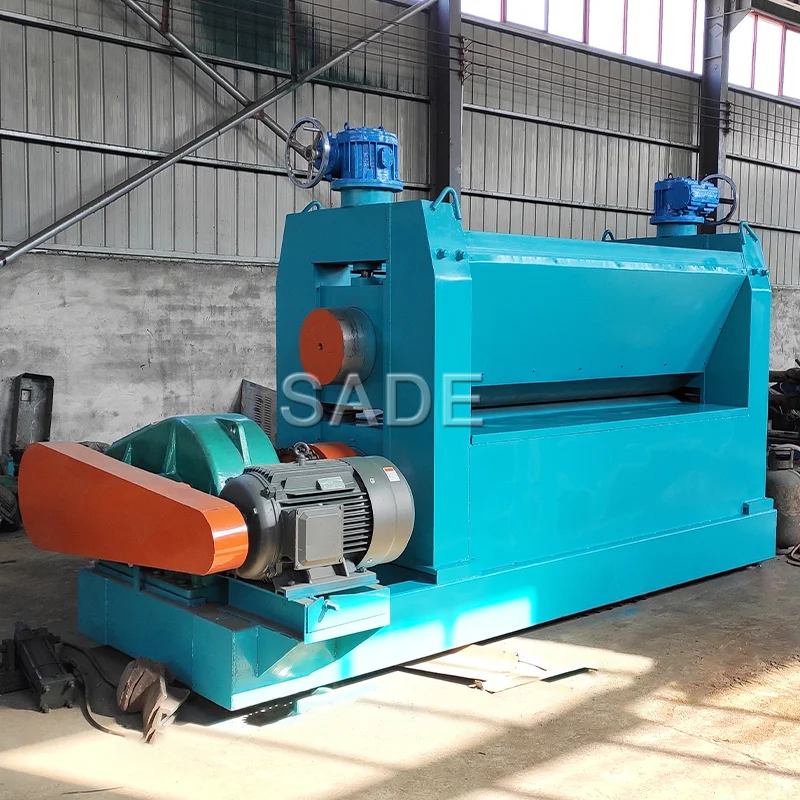
ZPJ Metal Mesh Flatting Machine
ZPJ metal mesh flatting machine is special designed for expanded metal flatting.It’s a corollary equipment of expanded metal machine. It can make expanded wire-mesh smoothly.And the flattened expanded metal have much more widely different applications.
Apr 24, 2026
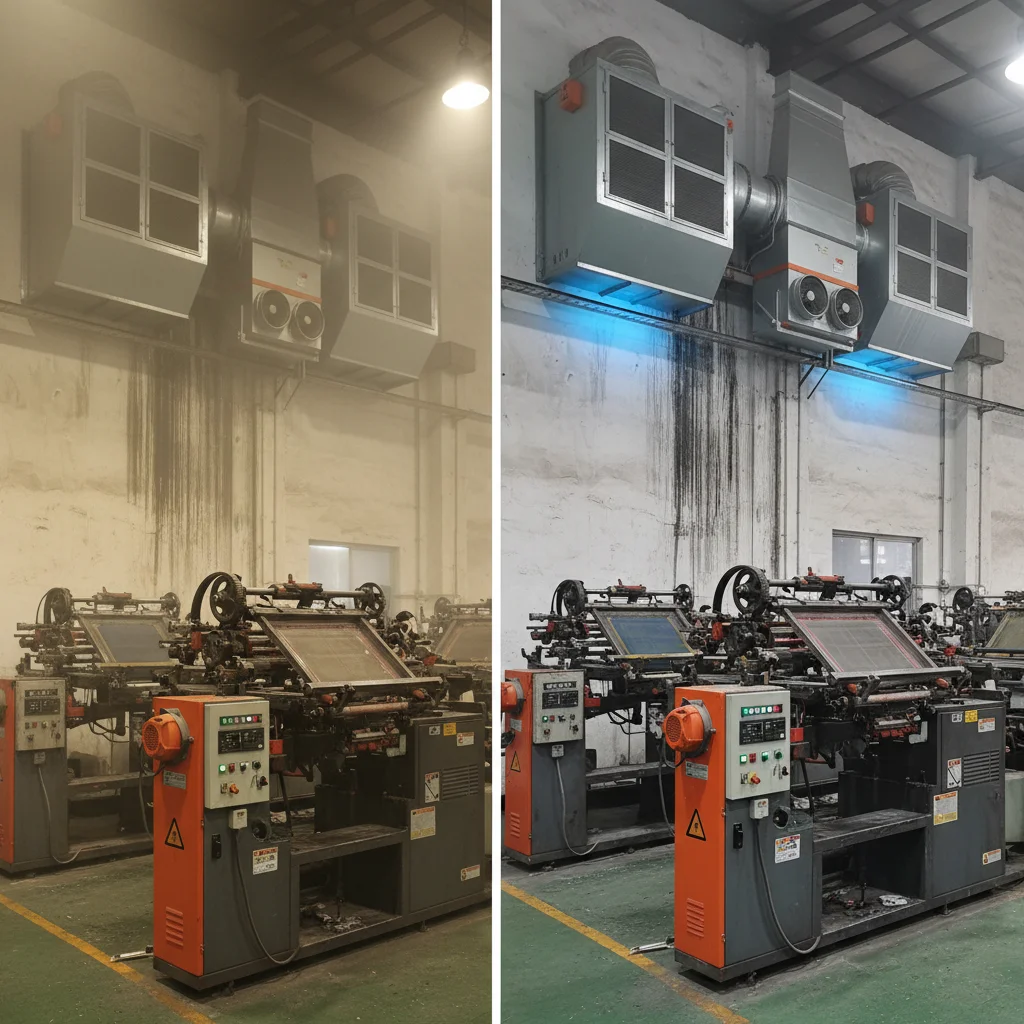
Industrial Wall Mounted Air Filtration for Clean Work Environments