
March 09, 2026
Grating equipment plays a vital role in numerous industrial and commercial applications, providing safe and efficient walking surfaces, drainage solutions, and structural support. From walkways and platforms to stair treads and drainage systems, selecting the right grating is crucial for ensuring safety, durability, and cost-effectiveness. This article delves into the world of grating equipment, covering types, materials, applications, and factors to consider when making a purchase. We'll explore how Mesh Machinery offers a range of high-quality grating solutions to meet diverse needs. Investing in the proper grating ensures long-term performance and safety in your operations.
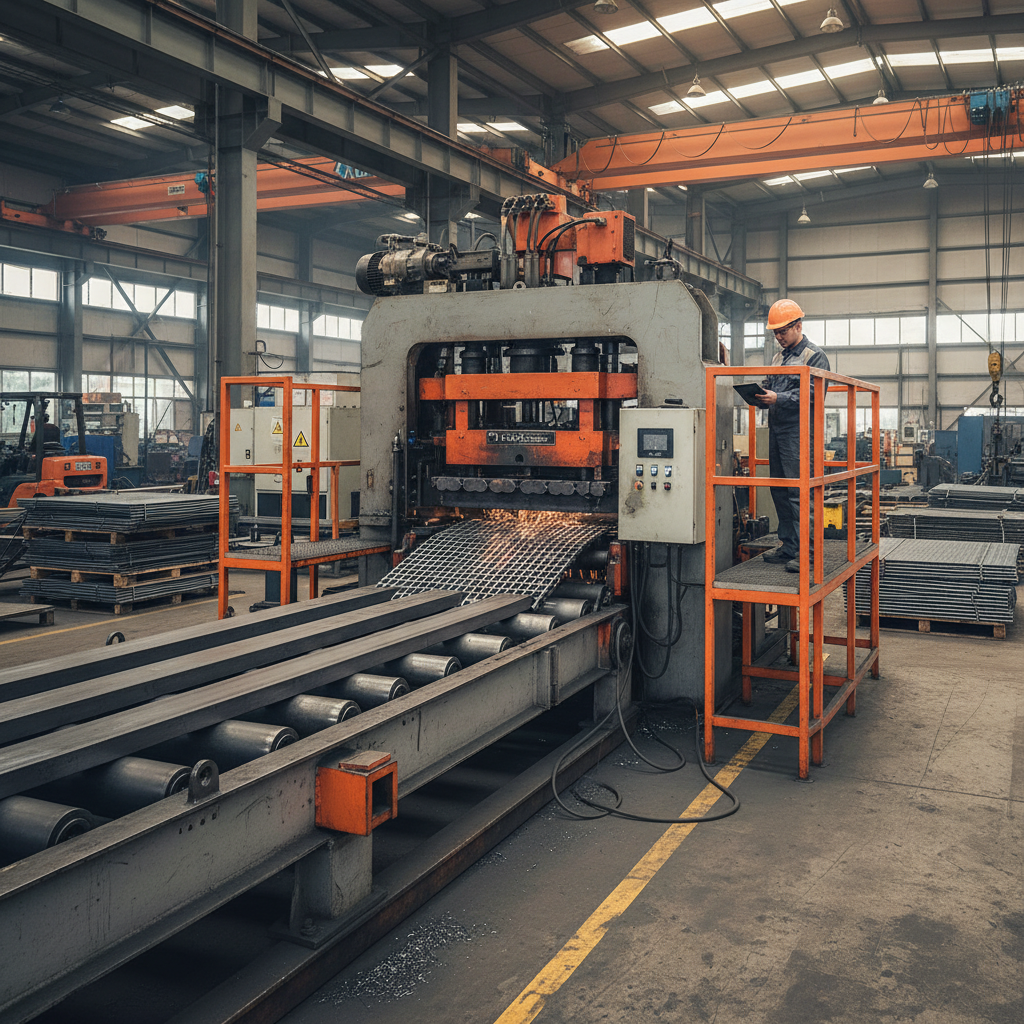
Grating equipment comes in several distinct types, each suited for specific applications. The most common types include welded steel grating, riveted grating, molded grating, and fiberglass grating. Welded steel grating is known for its strength and cost-effectiveness, while riveted grating offers a secure connection and is often used in high-traffic areas. Molded grating is lightweight and corrosion-resistant, ideal for chemical processing plants. Fiberglass grating provides excellent electrical insulation and is commonly used in environments requiring non-conductive surfaces. Understanding the properties of each type is essential for selecting the optimal grating for your project. Mesh Machinery’s comprehensive catalog provides detailed specifications for each type of grating.
Key Takeaway: The choice of grating type depends on factors like load capacity, corrosion resistance, electrical conductivity, and cost. Carefully consider your specific requirements before making a decision.
The material used to manufacture grating equipment significantly impacts its performance and longevity. Carbon steel is the most common material, offering excellent strength and affordability. Stainless steel provides superior corrosion resistance, making it ideal for harsh environments. Aluminum is lightweight and corrosion-resistant but has lower strength than steel. Fiberglass reinforced plastic (FRP) offers exceptional corrosion resistance and electrical insulation. Selecting the right material is crucial for ensuring the grating can withstand the operating environment and provide long-term reliability. Mesh Machinery offers grating in a wide range of materials to suit various applications.
Material Comparison:
• Carbon Steel: Strong, Affordable, Susceptible to Corrosion
• Stainless Steel: Highly Corrosion Resistant, Durable, Higher Cost
• Aluminum: Lightweight, Corrosion Resistant, Lower Strength
• FRP: Excellent Corrosion Resistance, Electrically Insulating, Lightweight
Grating equipment finds applications across a wide spectrum of industries. In industrial settings, it's used for walkways, platforms, stair treads, and ventilation covers. Commercial applications include drainage systems, decorative flooring, and security barriers. Marine environments utilize grating for docks, piers, and boat ramps due to its corrosion resistance. Wastewater treatment plants rely on grating for its drainage capabilities and resistance to harsh chemicals. The versatility of grating equipment makes it an essential component in numerous infrastructure projects. Mesh Machinery caters to diverse industries with tailored grating solutions.
Selecting the optimal grating equipment involves careful consideration of several factors. Load capacity is paramount, ensuring the grating can safely support anticipated weights. Corrosion resistance is critical in harsh environments. Span length affects the structural integrity and support requirements. Mesh size determines drainage capacity and safety. Compliance with relevant safety standards is non-negotiable. Finally, cost-effectiveness plays a role in the overall decision. By thoroughly evaluating these factors, you can choose grating that meets your specific needs and provides lasting value. Mesh Machinery’s experienced team can assist you in navigating these considerations.
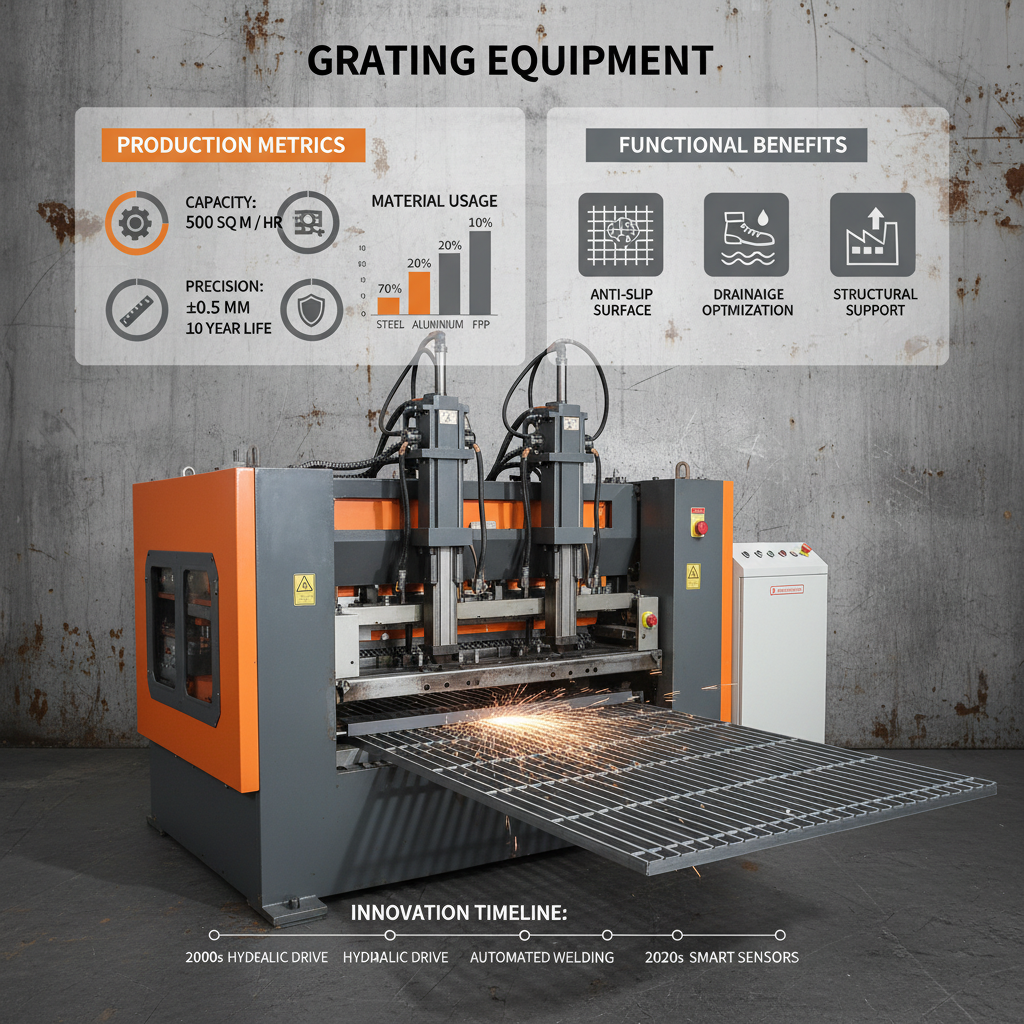
Investing in high-quality grating equipment yields numerous benefits. Enhanced safety is a primary advantage, reducing the risk of slips, falls, and other workplace accidents. Increased durability translates to lower maintenance costs and extended service life. Improved drainage prevents water accumulation and potential hazards. Reduced weight simplifies installation and lowers structural support requirements. Aesthetically pleasing designs enhance the overall appearance of your facility. Ultimately, high-quality grating contributes to a safer, more efficient, and more cost-effective operation. Mesh Machinery is committed to delivering grating equipment that exceeds expectations.
Choosing the right grating equipment is a critical investment for any operation requiring safe, durable, and efficient surfaces. By considering factors like material, load capacity, and application, and by partnering with a reputable supplier like Mesh Machinery, you can ensure a solution that meets your specific needs and contributes to a safer, more productive environment.
The lifespan of steel grating largely depends on the environment and maintenance. With proper maintenance, such as regular cleaning and painting (for carbon steel), steel grating can last for 20-30 years or even longer. Stainless steel grating generally has a longer lifespan, often exceeding 50 years, due to its superior corrosion resistance. Factors like exposure to salt, chemicals, and heavy loads can impact lifespan. Routine inspections are vital to identify and address any signs of corrosion or damage promptly.
Fiberglass grating offers several advantages over steel. It’s non-conductive, making it ideal for electrical safety applications. It’s also significantly lighter than steel, simplifying installation and reducing structural support requirements. Fiberglass is highly corrosion-resistant, even in harsh chemical environments, eliminating the need for painting or coatings. While steel is stronger, fiberglass provides a good strength-to-weight ratio and is often preferred in corrosive environments where steel would quickly deteriorate.
Determining the appropriate load capacity requires considering both static and dynamic loads. Static load refers to the constant weight supported by the grating, such as equipment or personnel. Dynamic load includes impacts, vibrations, and moving loads. Consulting with a structural engineer is recommended for complex applications or high-load scenarios. Grating manufacturers like Mesh Machinery can provide load capacity charts and assistance with selecting the appropriate grating for your needs.
Grating equipment should meet relevant industry safety standards, such as those set by ASTM (American Society for Testing and Materials) and OSHA (Occupational Safety and Health Administration). Specific standards depend on the application and industry. Ensuring that the grating is properly certified and compliant with applicable regulations is crucial for workplace safety and legal compliance. Mesh Machinery ensures all its grating products meet or exceed relevant safety standards.
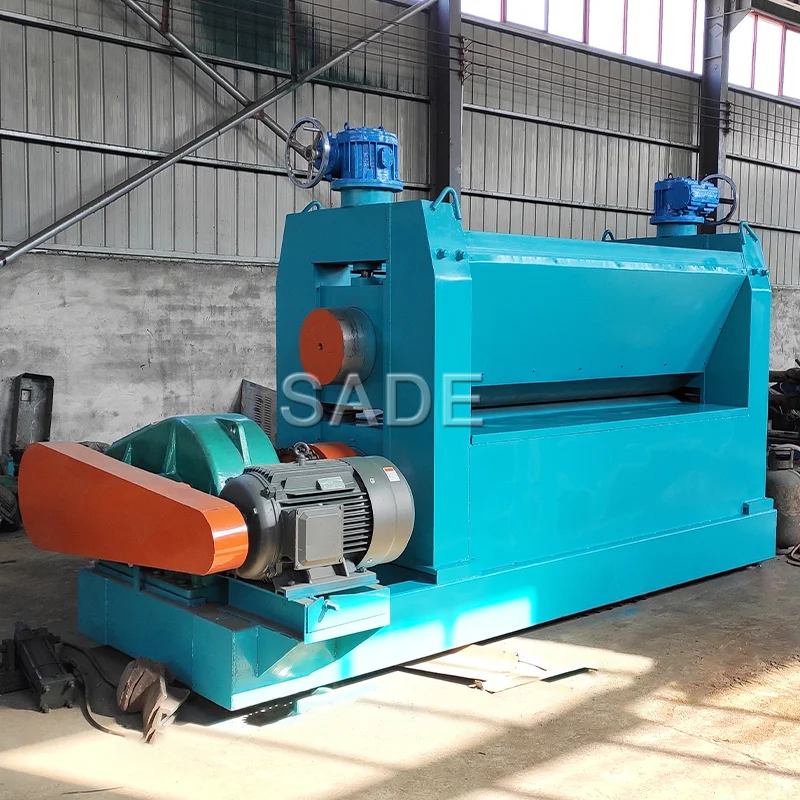
ZPJ Metal Mesh Flatting Machine
ZPJ metal mesh flatting machine is special designed for expanded metal flatting.It’s a corollary equipment of expanded metal machine. It can make expanded wire-mesh smoothly.And the flattened expanded metal have much more widely different applications.
Apr 24, 2026
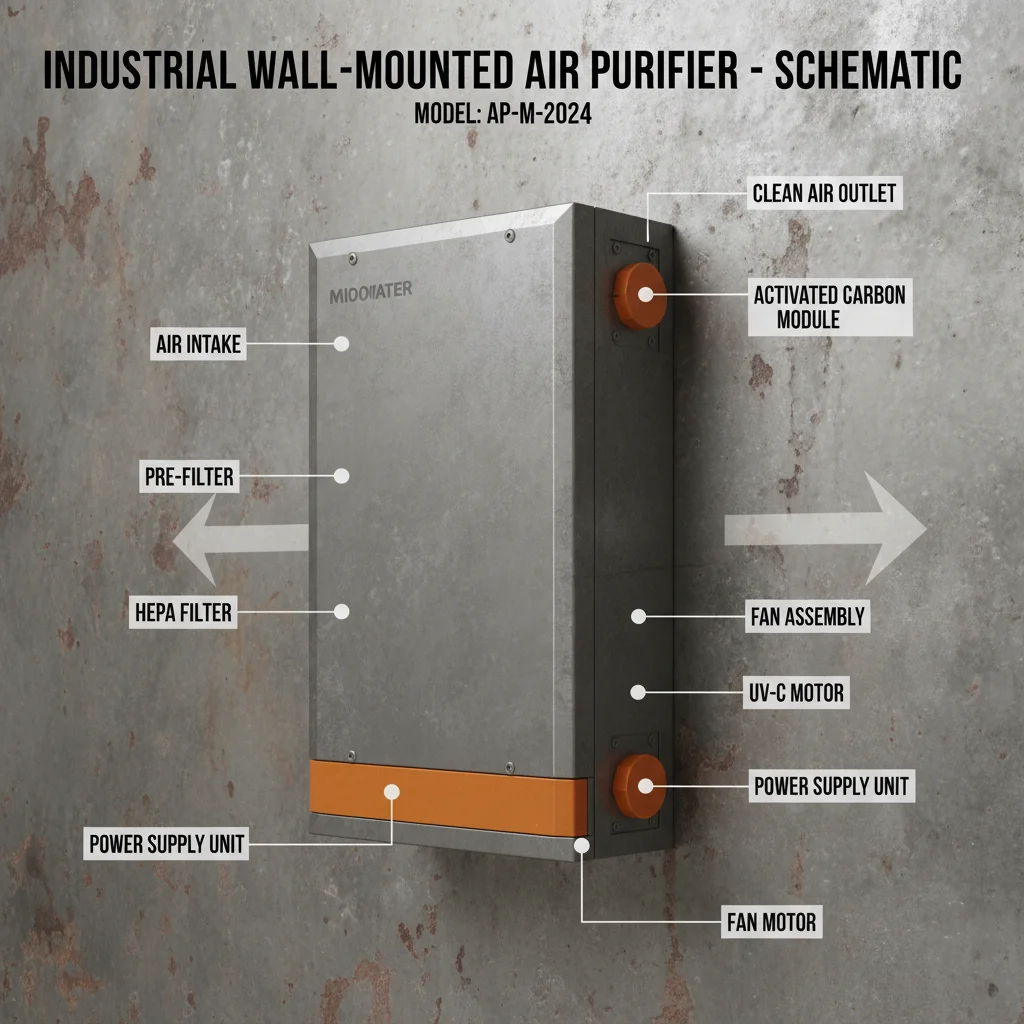
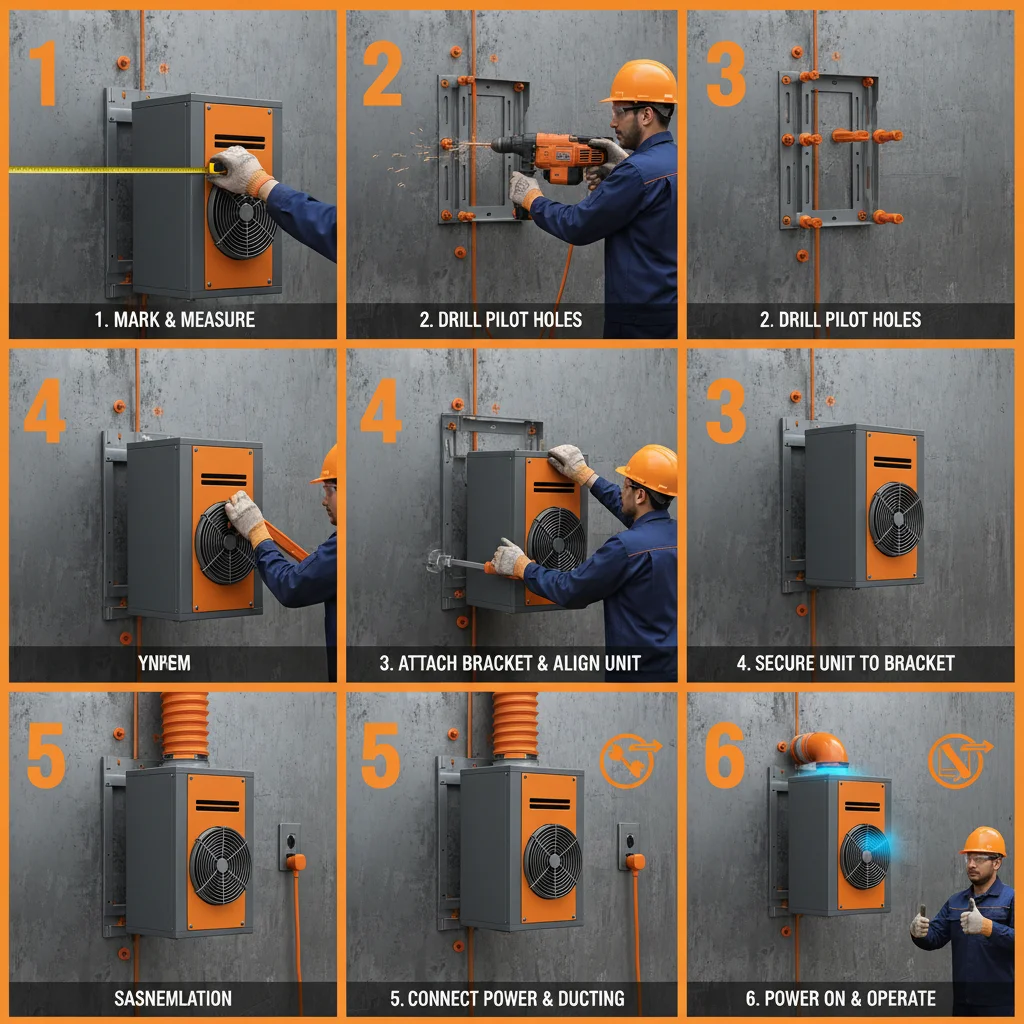
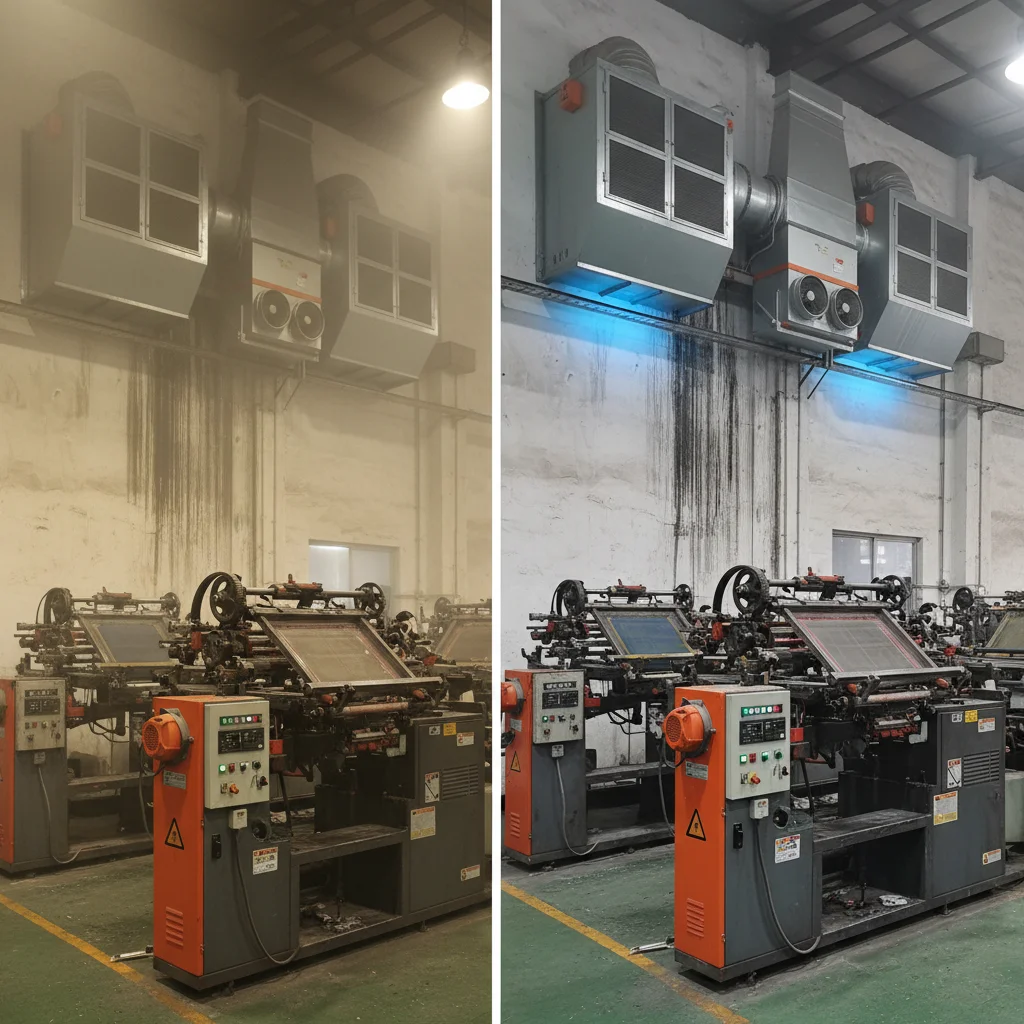
Industrial Wall Mounted Air Filtration for Clean Work Environments