
February 04, 2026
The demand for robust and reliable fencing solutions is consistently high across agricultural, industrial, and residential sectors. At the heart of meeting this demand lies efficient and high-quality fencing wire manufacturing machines. This article will delve into the intricacies of these machines, exploring their types, key features, operational principles, and the factors to consider when making an investment. Understanding these machines is crucial for businesses looking to produce fencing wire effectively and competitively. We'll cover everything from basic wire drawing to the final coiling or weaving processes.
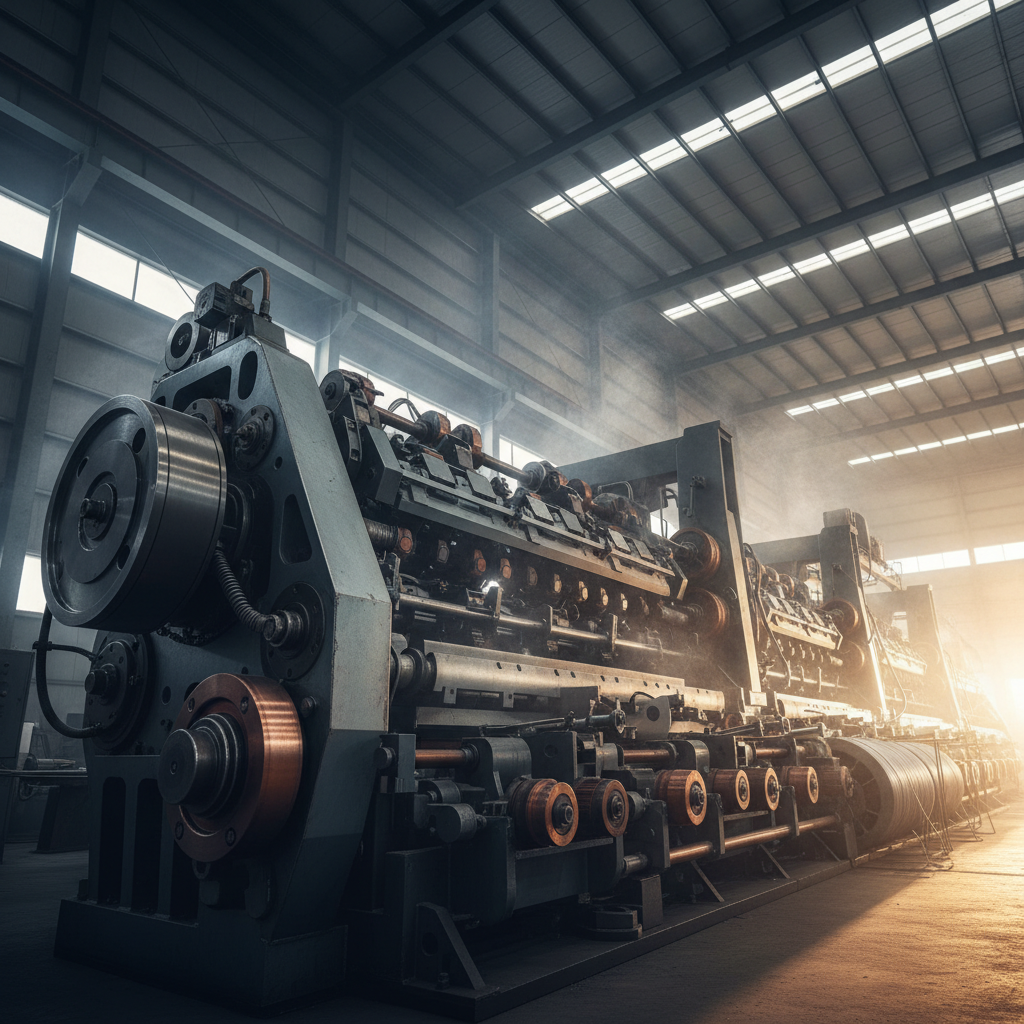
Different fencing applications require different types of wire. Consequently, a variety of machines cater to specific needs. These can be broadly categorized into wire drawing machines, galvanizing lines, twisting and weaving machines, and coiling machines. Wire drawing machines reduce the diameter of the wire, galvanizing lines add a protective zinc coating, twisting/weaving machines create different fence patterns, and coiling machines prepare the finished product for transport and sale. The choice of machine depends heavily on the desired fencing type – whether it's barbed wire, woven wire, chain link, or field fence. Mesh Machinery provides a range of solutions for diverse fencing needs.
Key Machine Categories: Wire drawing, galvanizing, twisting/weaving, and coiling – each serving a critical stage in fencing wire production.
A typical fencing wire manufacturing machine comprises several essential components. These include the unwinding mechanism, drawing dies, lubricating system, galvanizing bath (for galvanized wire), twisting or weaving units, and a coiling or packaging station. The unwinding mechanism feeds the raw material into the machine. Drawing dies progressively reduce the wire's diameter. Lubrication minimizes friction and wear. The galvanizing bath applies a protective coating, enhancing corrosion resistance. Twisting/weaving units create the desired fence pattern. Finally, the coiling/packaging station prepares the finished wire for shipping. High-quality components are critical for ensuring consistent output and minimizing downtime.
Essential Components:
• Unwinding Mechanism
• Drawing Dies
• Lubricating System
• Galvanizing Bath (if applicable)
• Twisting/Weaving Units
• Coiling/Packaging Station
When evaluating fencing wire manufacturing machines, different technologies present unique advantages. For instance, continuous galvanizing lines offer higher production speeds compared to batch galvanizing. CNC-controlled twisting machines provide greater precision and pattern flexibility than mechanical twisting machines. Automated coiling machines significantly reduce labor costs and improve packaging consistency. The best technology for a particular application depends on the production volume, desired wire quality, and budget constraints.
Several crucial factors influence the selection of a fencing wire manufacturing machine. These include production capacity, wire material type, desired fencing style, budget constraints, and available space. It's essential to accurately assess your production needs to avoid overspending on unnecessary capacity or underspending on a machine that cannot meet your demands. Consider the long-term costs of operation, including maintenance, energy consumption, and labor. Finally, ensure the supplier provides adequate technical support and after-sales service. Mesh Machinery offers tailored solutions to match specific business requirements.
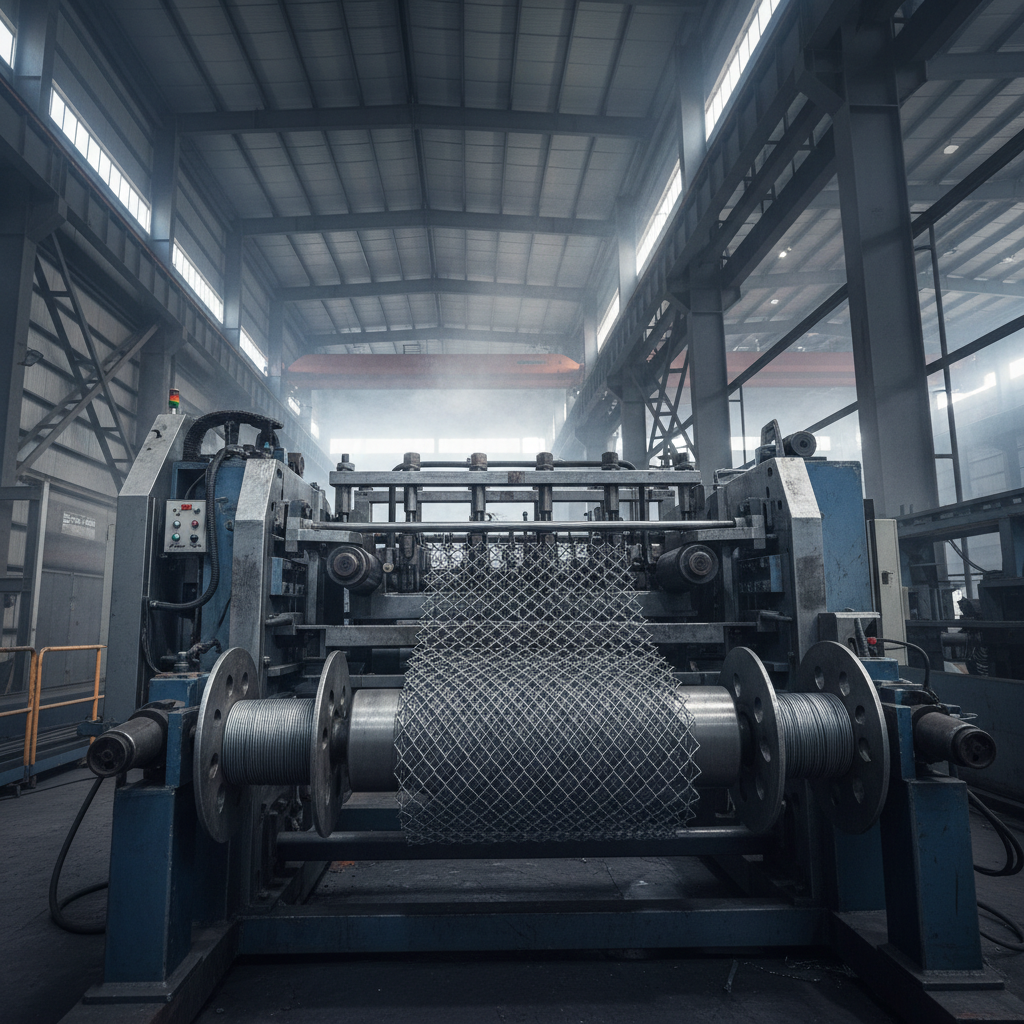
Regular maintenance is paramount for ensuring the longevity and optimal performance of your fencing wire manufacturing machine. This includes lubricating moving parts, inspecting dies for wear, cleaning galvanizing baths, and checking electrical connections. Promptly address any unusual noises or vibrations. Develop a preventative maintenance schedule to minimize downtime and costly repairs. Proper operator training is also essential for preventing accidental damage and ensuring safe operation. Refer to the machine's manual for specific maintenance instructions.
Investing in a reliable and efficient fencing wire manufacturing machine is crucial for businesses aiming to succeed in the competitive fencing market. By carefully considering your production needs, choosing the right technology, and prioritizing regular maintenance, you can maximize your return on investment and ensure consistent, high-quality output. Don’t compromise on quality – choose the right machine for your business.
Power consumption varies significantly based on the machine’s size, automation level, and production capacity. Smaller, manually operated machines may consume around 5-10kW, while large, fully automated lines can require 50kW or more. Galvanizing lines typically have the highest power demand due to the heating requirements of the galvanizing bath. Choosing energy-efficient components and optimizing operating procedures can help reduce energy costs. Always consult the machine's specifications for accurate power consumption data.
Safety is paramount. Operators should always wear appropriate personal protective equipment (PPE), including safety glasses, gloves, and hearing protection. Ensure all safety guards are in place and functioning correctly. Lockout/tagout procedures should be followed during maintenance or repairs. Be aware of pinch points and moving parts. Never attempt to operate the machine without proper training. Regularly inspect the machine for any safety hazards.
The space requirements depend on the line’s length and configuration. A basic line might require 30-50 meters of floor space, while a complete automated line can occupy 100 meters or more. Consider sufficient space for material storage, machine operation, maintenance access, and product packaging. Adequate ventilation and lighting are also essential. Careful planning is crucial to optimize space utilization and ensure a safe and efficient workflow.
The lifespan of drawing dies depends on the wire material being processed and the frequency of use. Softer materials like aluminum will wear dies faster than harder materials like steel. Regular inspection is crucial; replace dies when you notice significant wear or changes in wire diameter. High-quality dies made from tungsten carbide typically last longer. Proper lubrication also extends die life. A typical lifespan can range from several months to a year with regular use.
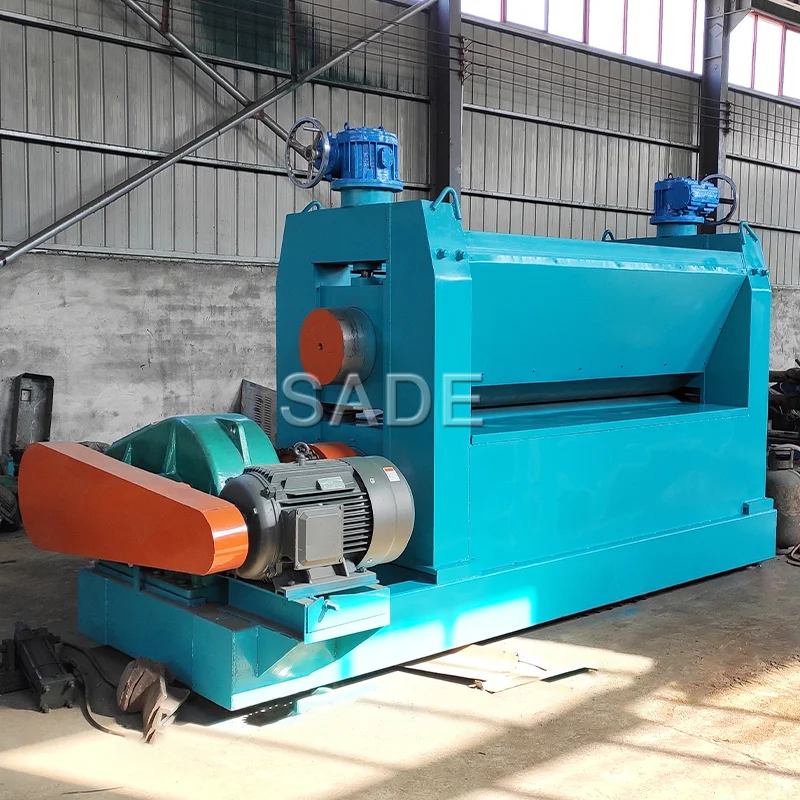
ZPJ Metal Mesh Flatting Machine
ZPJ metal mesh flatting machine is special designed for expanded metal flatting.It’s a corollary equipment of expanded metal machine. It can make expanded wire-mesh smoothly.And the flattened expanded metal have much more widely different applications.
Apr 24, 2026
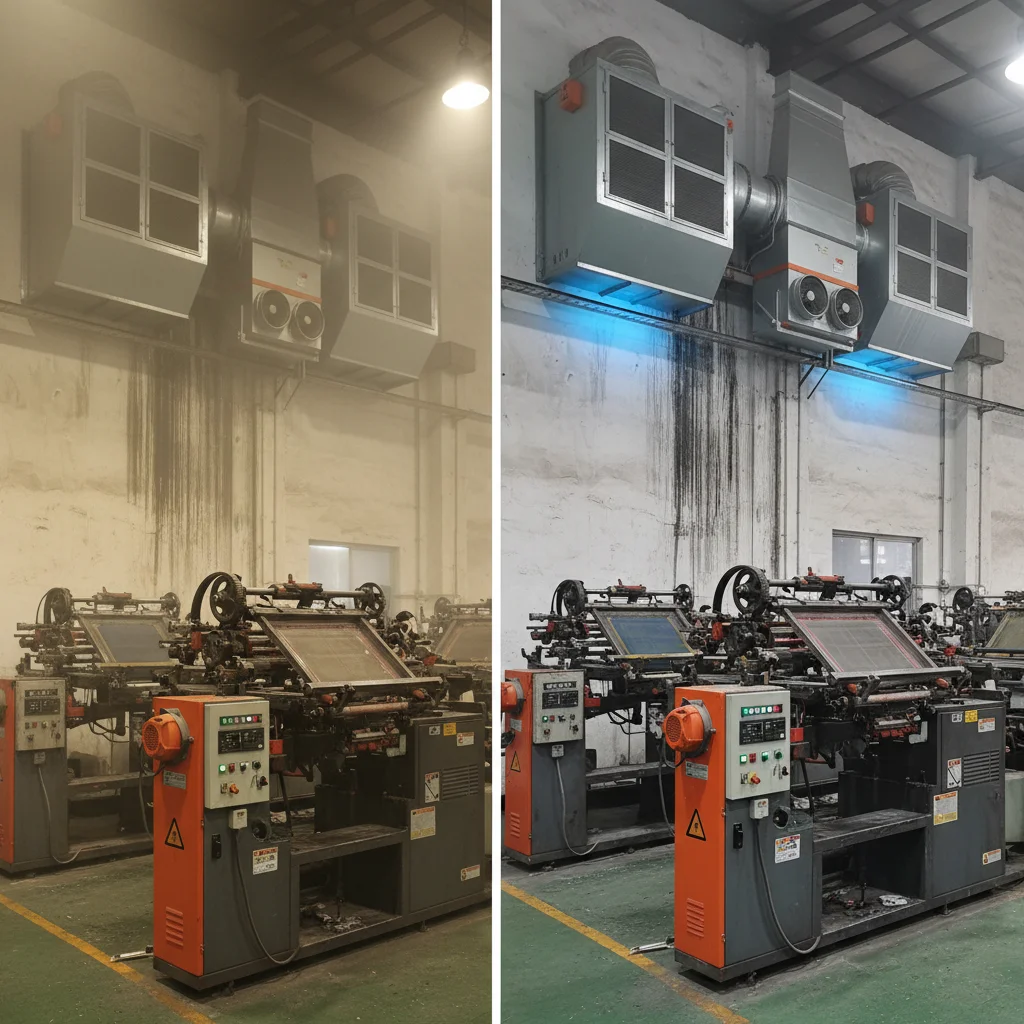
Industrial Wall Mounted Air Filtration for Clean Work Environments