
February 03, 2026
The demand for secure fencing solutions continues to grow across various industries, from agriculture and livestock farming to residential and industrial applications. At the heart of producing high-quality fence wire lies the fence wire making machine. This article delves into the intricacies of these machines, exploring their types, components, applications, and future trends. Whether you're a seasoned professional or new to the field, understanding these machines is vital for sourcing or manufacturing efficient and durable fencing materials. Mesh Machinery provides tailored solutions to meet diverse fencing needs.
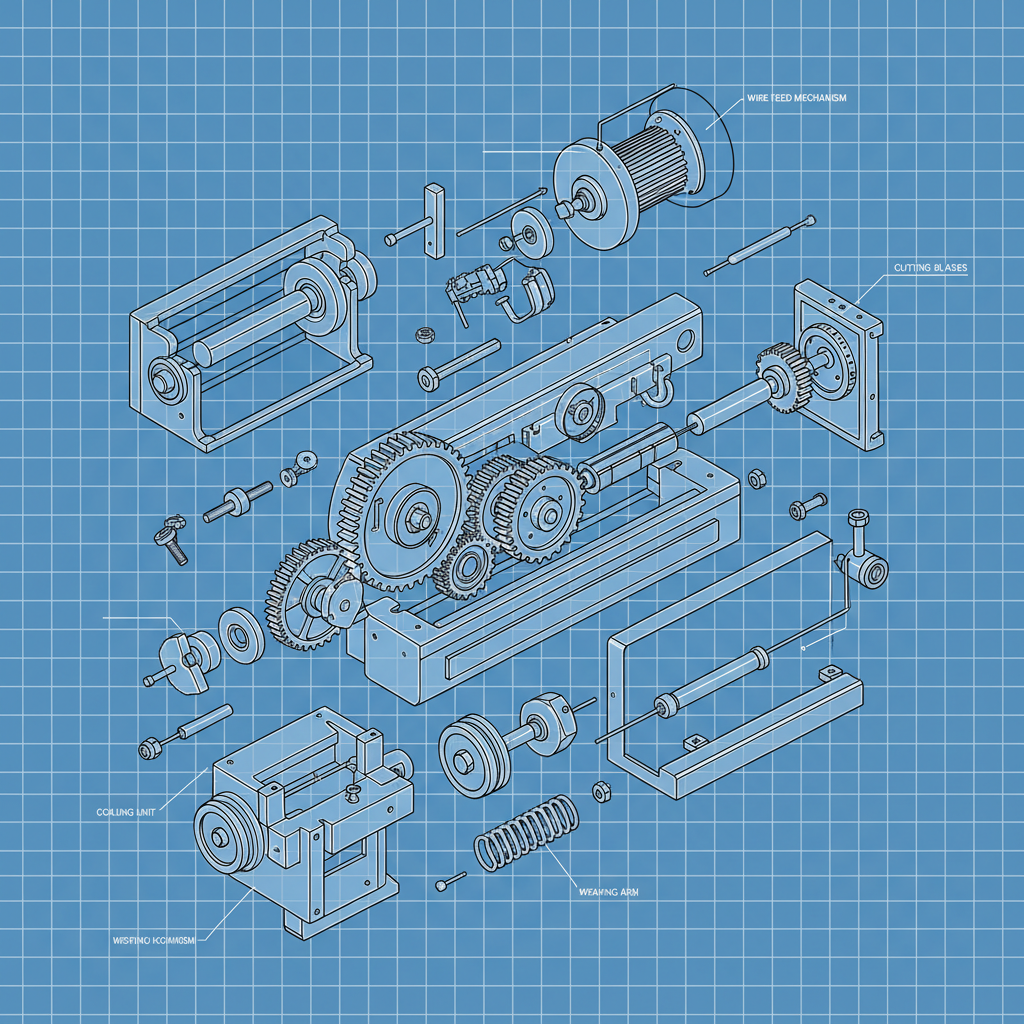
A robust fence wire making machine consists of several key components working in harmony. These include the wire drawing unit, which reduces the wire diameter to the desired thickness; the galvanizing unit, which provides corrosion resistance; the winding unit, responsible for forming coils; and the control system, which automates and monitors the entire process. The quality of each component directly influences the final product's strength, durability, and longevity. Modern machines often integrate PLC (Programmable Logic Controller) systems for increased precision and efficiency.
Key Highlights: Core components include wire drawing, galvanizing, winding, and a sophisticated control system. Modern machines leverage PLC technology for superior automation and precision.
The market offers various types of fence wire making machines, each tailored to specific production needs. Automatic machines offer high throughput and minimal labor requirements, ideal for large-scale production. Semi-automatic machines provide a balance between automation and manual control, suitable for medium-sized operations. Manual machines, while less efficient, are often chosen for small-batch or specialized fencing requirements. Selecting the right type depends on factors such as production volume, budget, and desired level of automation.
Machine Type Comparison:
• Automatic: High throughput, minimal labor, suitable for large-scale production.
• Semi-Automatic: Balance of automation and manual control, ideal for medium-sized operations.
• Manual: Lower efficiency, ideal for small-batch or specialized fencing.
Galvanizing is a critical step in the production of fence wire, providing protection against corrosion. Two primary methods are commonly employed: hot-dip galvanizing and electro-galvanizing. Hot-dip galvanizing involves immersing the wire in a molten zinc bath, creating a thick, durable coating. Electro-galvanizing uses an electric current to deposit a thin layer of zinc onto the wire. Each method has its advantages and disadvantages concerning cost, coating thickness, and corrosion resistance.
Fence wire produced by these machines finds application across diverse sectors. Agriculture utilizes it for livestock fencing, protecting crops, and defining property boundaries. The construction industry employs it for site security and temporary barriers. Residential applications include garden fencing and perimeter security. Industrial settings use it for compound security and safety enclosures. The versatility and durability of fence wire, powered by efficient fence wire making machines, make it a crucial material in numerous industries.
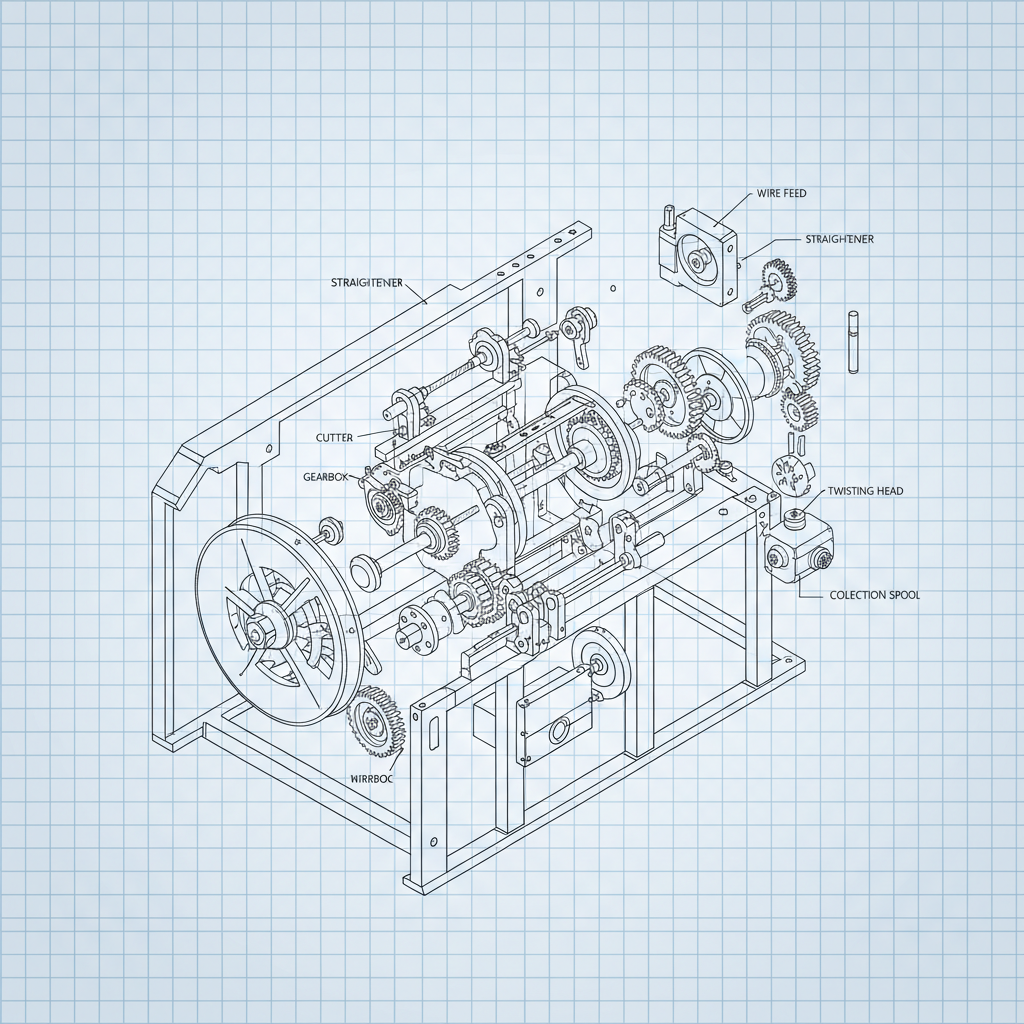
The future of fence wire making machine technology is geared toward increased efficiency, automation, and sustainability. Expect to see more machines incorporating AI-powered control systems for predictive maintenance and optimized production parameters. The development of eco-friendly galvanizing processes is also gaining momentum. Furthermore, integration with Industry 4.0 principles, such as real-time data monitoring and remote diagnostics, will become increasingly prevalent.
Investing in a high-quality fence wire making machine from a reputable supplier like Mesh Machinery is a strategic move for businesses aiming to deliver reliable, durable, and cost-effective fencing solutions. By embracing innovation and focusing on efficiency, manufacturers can stay ahead of the curve and meet the evolving demands of the market.
The production capacity of an automatic fence wire making machine varies depending on the wire diameter, machine configuration, and level of automation. However, a typical machine can produce between 500 to 2000 kg of fence wire per day. Factors influencing the output include the speed of the wire drawing and galvanizing processes, as well as the efficiency of the winding unit. High-end machines with advanced automation features can achieve even higher production rates.
Regular maintenance is crucial for ensuring the optimal performance and longevity of a fence wire making machine. This includes lubricating moving parts, inspecting and replacing worn components (such as dies and rollers), cleaning the galvanizing bath, and checking the electrical connections. Preventive maintenance schedules should be followed diligently to avoid costly breakdowns and downtime. Routine inspections can identify potential issues before they escalate.
The power consumption of a fence wire making machine depends on its size, type (automatic, semi-automatic, or manual), and the features it incorporates. Generally, automatic machines consume more power than manual or semi-automatic machines. A typical automatic machine can consume between 20 to 50 kW of power. Energy-efficient models are available that can help reduce power consumption and operating costs.
Safety is paramount when operating a fence wire making machine. Essential safety features include emergency stop buttons, safety guards around moving parts, proper ventilation to remove fumes and gases, and electrical safety measures. Operators should receive comprehensive training on safe operating procedures and wear appropriate personal protective equipment (PPE), such as safety glasses, gloves, and hearing protection. Regularly inspect safety features to ensure they are functioning correctly.
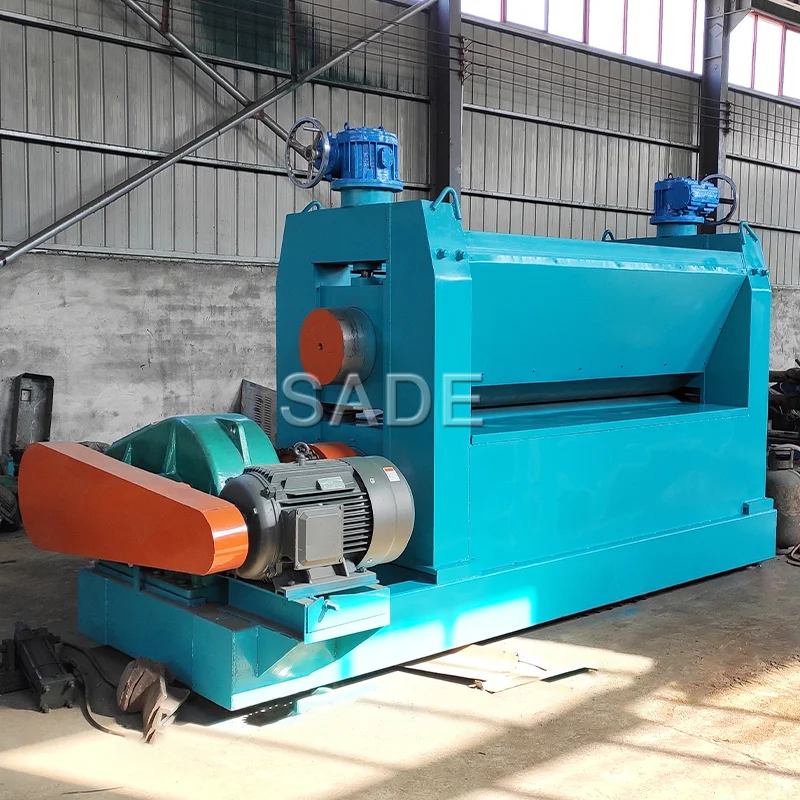
ZPJ Metal Mesh Flatting Machine
ZPJ metal mesh flatting machine is special designed for expanded metal flatting.It’s a corollary equipment of expanded metal machine. It can make expanded wire-mesh smoothly.And the flattened expanded metal have much more widely different applications.
Apr 24, 2026
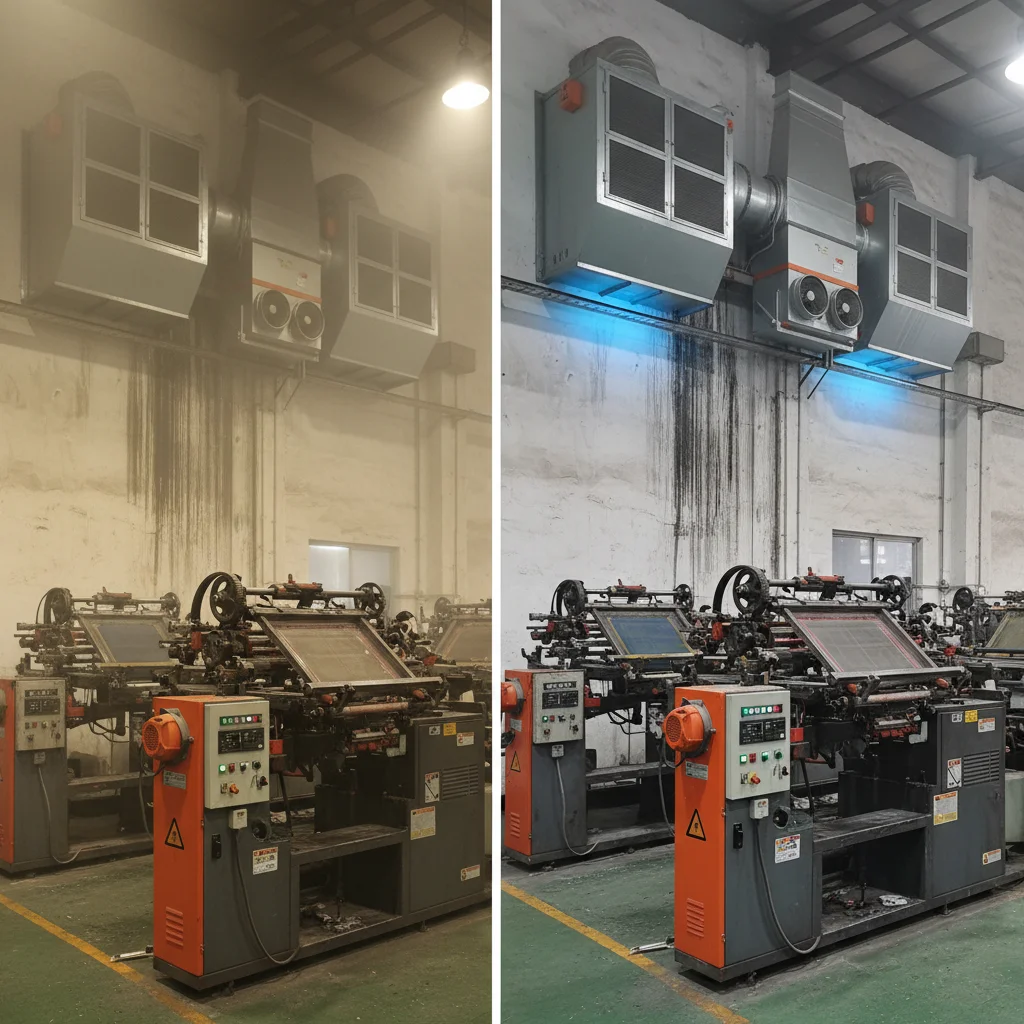
Industrial Wall Mounted Air Filtration for Clean Work Environments