

February 02, 2026
The demand for barbed wire remains consistently strong across various sectors, including agriculture, security, and animal husbandry. A reliable barbed wire making machine is crucial for manufacturers aiming to meet this demand efficiently and cost-effectively. This article provides an in-depth look at barbed wire making machines, their types, components, operational principles, and factors to consider when making a purchase. We will also explore the key features offered by Mesh Machinery, a leading provider of high-quality machinery.
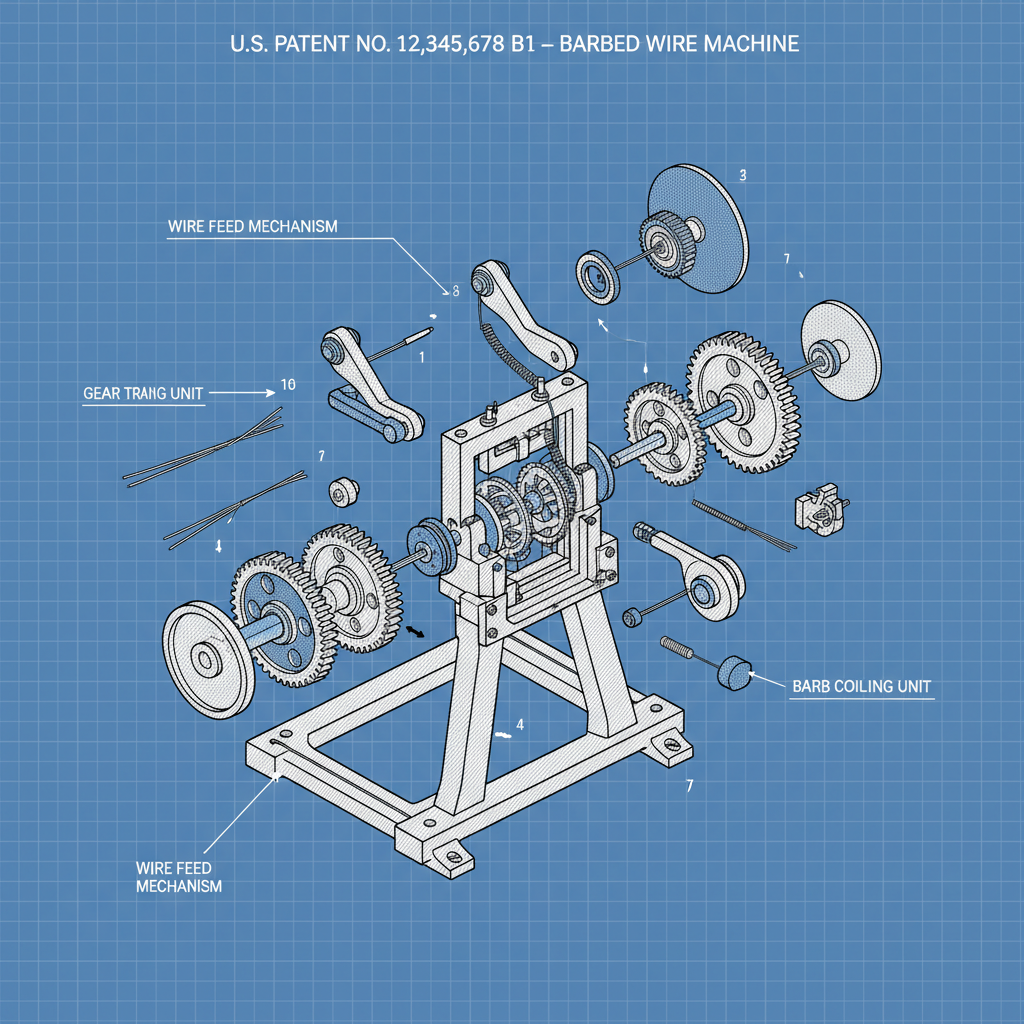
A barbed wire making machine automates the process of transforming steel wire into barbed wire. The core components typically include a wire feeding system, a barbed wire twisting machine, a die, and a coiling machine. The process begins with feeding the steel wire into the machine, where it's twisted with barbed clips. These clips are precisely spaced and securely fastened to the core wire. The twisted wire is then coiled into the desired length and packaged. Modern machines offer features like automatic tension control, adjustable barb spacing, and programmable coil lengths, improving both efficiency and product quality. Selecting the right machine is critical for long-term success.
Key Benefits: Automation increases production speed, reduces labor costs, ensures consistent product quality, and enhances safety.
Several types of barbed wire making machines cater to different production needs and budgets. The most common types include:
Automatic Barbed Wire Machines: These machines fully automate the entire process, offering high production rates and minimal operator intervention.
Semi-Automatic Barbed Wire Machines: Require some manual operation, such as wire loading and coil handling, making them more affordable but less efficient than fully automatic models.
Manual Barbed Wire Machines: These are typically smaller and less expensive, suitable for low-volume production or demonstration purposes.
Machine Type Comparison:
• Automatic: High production, minimal labor, high initial cost.
• Semi-Automatic: Moderate production, some labor required, moderate cost.
• Manual: Low production, significant labor, low cost.
Understanding the components of a barbed wire making machine is crucial for maintenance and troubleshooting. The primary components are:
Several factors influence the ideal barbed wire machine for your operation:
Production Capacity: Determine your required output to select a machine with sufficient speed.
Wire Diameter: Ensure the machine can handle the diameter of wire you intend to use.
Barb Spacing: Select a machine that allows adjustable barb spacing to meet diverse customer needs.
Automation Level: Choose between automatic, semi-automatic, or manual based on your budget and labor availability.
Power Requirements: Verify the machine’s power specifications align with your facility’s electrical infrastructure.
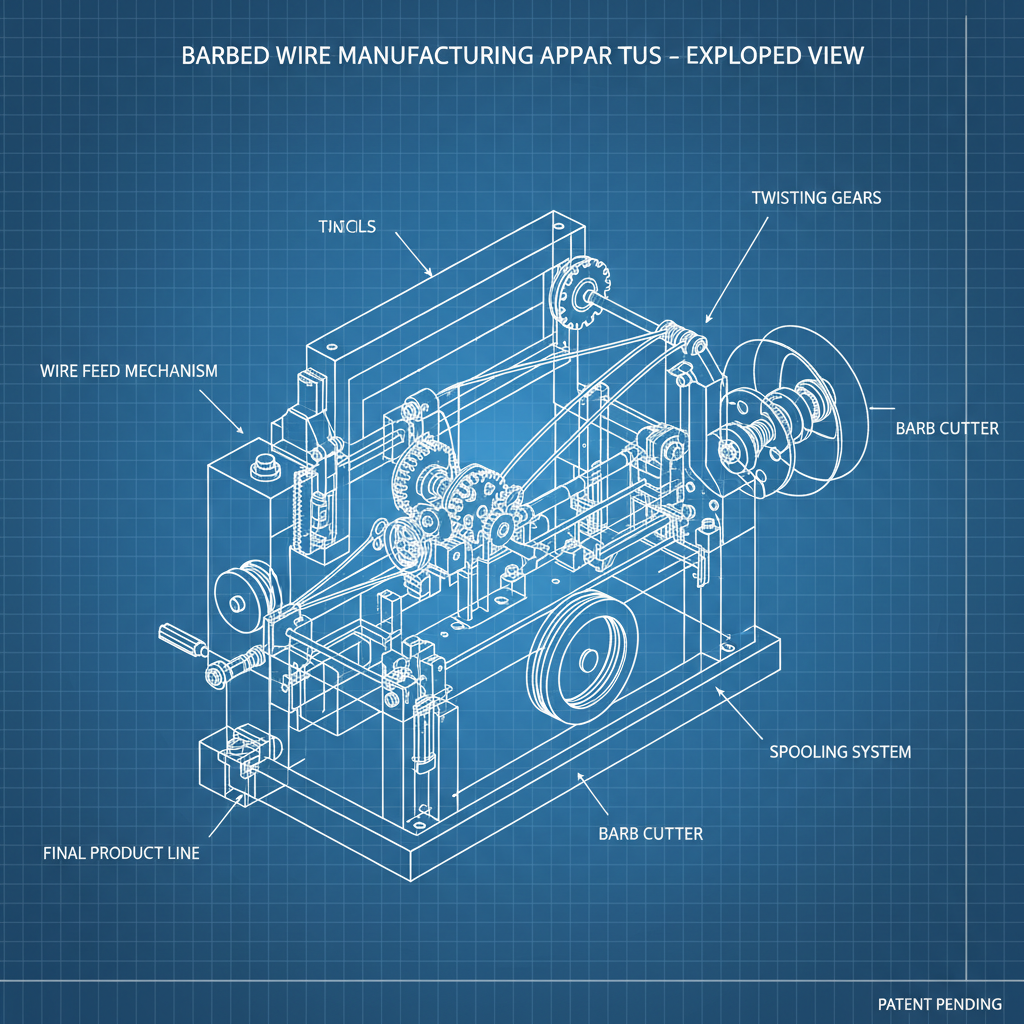
Mesh Machinery offers a wide range of high-quality barbed wire making machines designed for efficiency, reliability, and durability. We provide customized solutions to meet specific production requirements and offer comprehensive after-sales support. Our machines are engineered for optimal performance and longevity.
Choosing the right barbed wire making machine is a crucial investment for any manufacturer. By prioritizing quality, efficiency, and reliability, you can ensure a consistent supply of high-quality barbed wire to meet market demands. Mesh Machinery is committed to providing innovative solutions and exceptional customer service.
The lifespan of a barbed wire making machine largely depends on the quality of construction, maintenance practices, and operating conditions. Generally, a well-maintained machine can last between 10 to 15 years or even longer. Regular lubrication, cleaning, and timely replacement of worn parts are essential for maximizing its lifespan. Investing in a machine from a reputable manufacturer like Mesh Machinery ensures a higher-quality build and increased longevity.
Regular maintenance is crucial for optimal performance. This includes daily lubrication of moving parts, weekly cleaning of dust and debris, and monthly inspection of belts, gears, and bearings. Annual servicing by a qualified technician is also recommended. Pay close attention to the wire feeding system and twisting mechanism, as these are prone to wear and tear. Replacing worn parts promptly prevents more significant damage and downtime.
Power consumption varies depending on the machine’s size, automation level, and production capacity. Smaller, manual machines typically consume around 1-2 kilowatts, while larger, fully automatic machines can consume 5-10 kilowatts or more. It’s important to consider the power requirements when planning your facility’s electrical infrastructure. Mesh Machinery provides detailed power specifications for each machine.
Yes, Mesh Machinery provides comprehensive installation and training services to ensure a smooth setup and operation. Our experienced technicians will install the machine at your facility and provide thorough training to your operators. We also offer ongoing technical support and maintenance services to help you maximize the machine’s performance and longevity.

High Precision Wedge Wire Screen Welding Machine Factory Suppliers in China


Nov 10, 2026
Technical Factors Influencing the Gabion Machine Price


