
March 04, 2026
Powder coating is a durable and aesthetically pleasing finish widely used across numerous industries. Mesh Machinery specializes in equipment for achieving high-quality powder coating, and understanding the nuances of “ideal line” powder coating is crucial for optimal results. This article will delve into what constitutes an ideal powder coating line, its benefits, key considerations, and how to maximize its effectiveness. We’ll cover everything from pre-treatment to curing, helping you achieve a flawless and long-lasting finish.
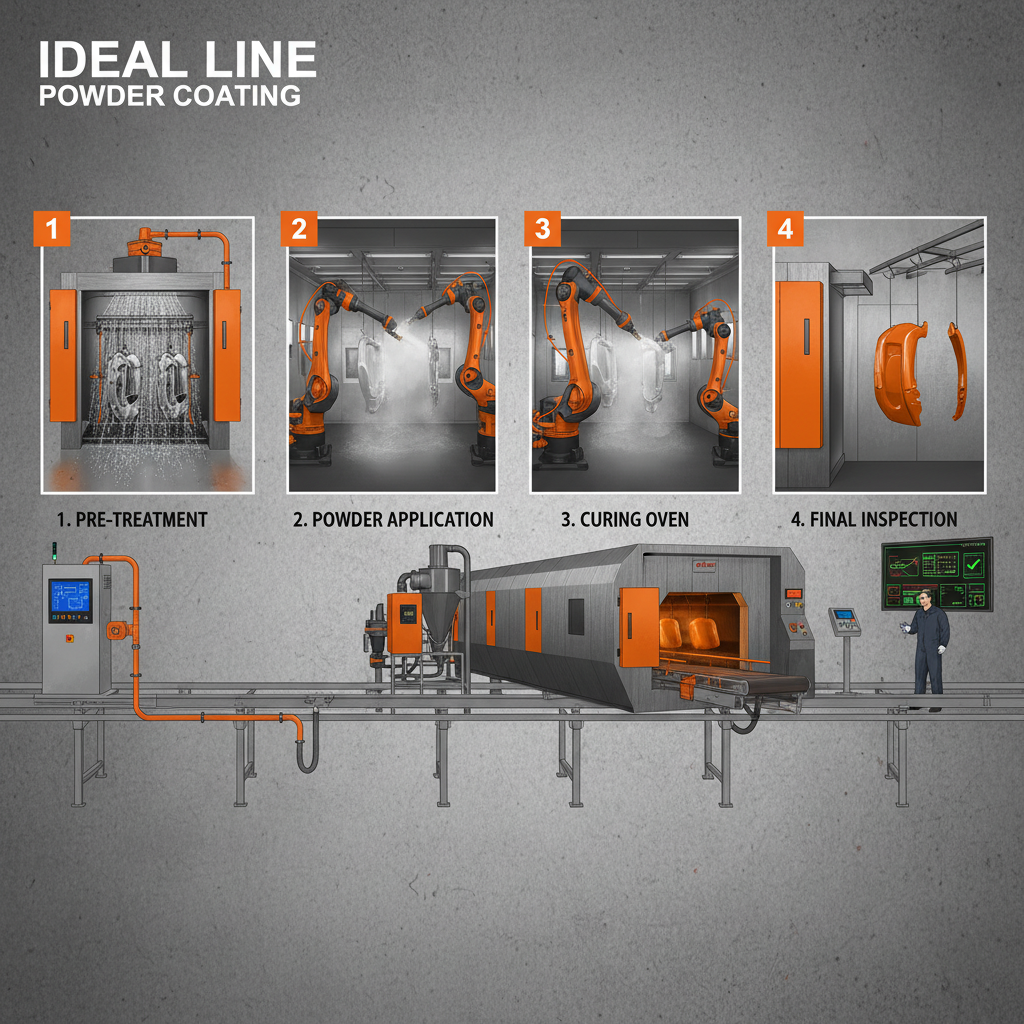
An "ideal" powder coating line isn’t simply about having the latest equipment; it's a holistic system designed to deliver consistent, high-quality coatings efficiently. It encompasses everything from the preparation of the substrate to the final curing process. Key elements include effective pre-treatment, precise powder application, and a carefully controlled curing process. An ideal line minimizes waste, reduces defects, and maximizes productivity. It's tailored to the specific materials being coated and the desired finish characteristics.
Key Highlights: Effective pre-treatment, precise powder application, carefully controlled curing process, minimizes waste, maximizes productivity.
A successful powder coating process can be broken down into several critical stages. First is pre-treatment, which involves cleaning, degreasing, and often applying a chemical conversion coating to the substrate. This ensures proper adhesion. Next is powder application, typically using electrostatic spray deposition (ESD), ensuring uniform coverage. Following application is the curing process, where the coated parts are heated to melt and fuse the powder, creating a durable finish. Finally, quality control is essential to identify and address any defects. Each stage requires meticulous attention to detail and optimized parameters.
Process Benefits:
• Enhanced Adhesion
• Uniform Coverage
• Durable, Long-Lasting Finish
• Minimized Defects
Compared to traditional liquid painting, powder coating offers significant advantages. Powder coating is environmentally friendly due to its lack of volatile organic compounds (VOCs). It also provides a more durable and chip-resistant finish. While liquid painting may have a lower initial equipment cost, the long-term benefits of powder coating – including reduced material waste and lower operating costs – often make it a more economical choice. The table below highlights a detailed comparison.
Several factors come into play when designing and implementing an ideal line powder coating system. These include the size and shape of the parts being coated, the desired coating thickness, production volume, and budget constraints. Selecting the right equipment – including spray booths, curing ovens, and conveyor systems – is paramount. Proper ventilation and dust collection are also essential for maintaining a safe and clean working environment. It's also crucial to choose a powder coating formulation compatible with the substrate material.
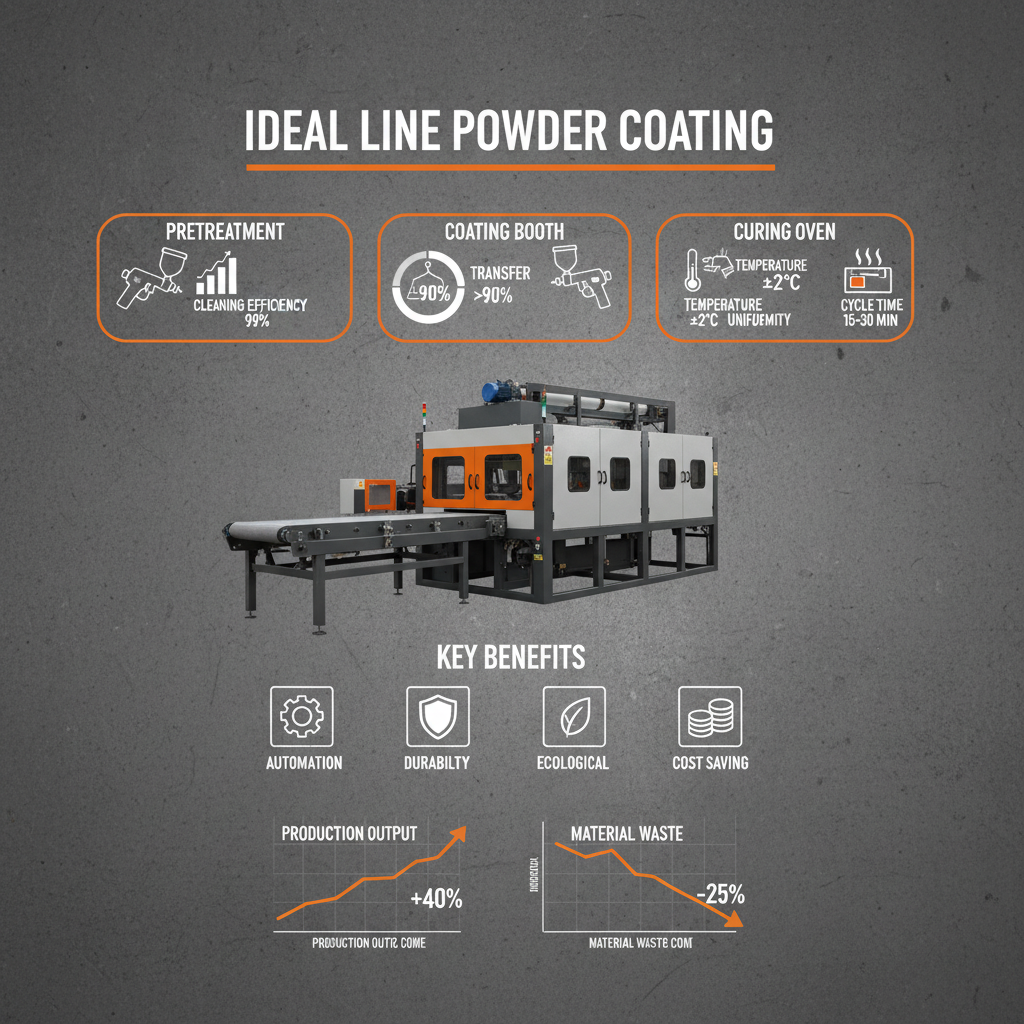
To truly maximize the benefits of an ideal line powder coating system, consistent monitoring and maintenance are vital. Regularly calibrate equipment, inspect spray guns, and verify oven temperatures. Implementing a robust quality control system to identify and address any defects promptly is also crucial. Training personnel properly on all aspects of the process will ensure consistent results. Preventative maintenance schedules can help avoid costly downtime and ensure the longevity of your equipment. Consider exploring automation options to further streamline the process and reduce human error.
Investing in an ideal line powder coating system offers significant benefits – from improved quality and durability to reduced environmental impact and increased efficiency. By carefully considering the key elements discussed in this article and partnering with a reputable equipment supplier like Mesh Machinery, you can achieve coating excellence and gain a competitive edge.
Powder coating is incredibly versatile and can be applied to a wide range of materials, including metals like steel, aluminum, and stainless steel. It’s also increasingly used on certain plastics and composite materials, though pre-treatment requirements may vary. The key is ensuring the substrate is clean, properly prepared, and compatible with the powder coating formulation. It’s essential to consult with a powder coating expert or the powder manufacturer to determine the best approach for your specific material.
Curing time and temperature vary depending on the specific powder coating formulation, the substrate material, and the thickness of the coating. However, a common range is 150-200°C (302-392°F) for 10-20 minutes. It's crucial to adhere to the manufacturer’s recommendations for the specific powder being used. Incorrect curing can lead to defects like blistering, cracking, or poor adhesion. Using a calibrated oven and monitoring temperature accurately is vital for achieving optimal results.
Several steps can be taken to minimize defects. Ensure proper substrate preparation, including thorough cleaning and pre-treatment. Maintain optimal humidity levels in the spray booth. Control the powder application process by adjusting spray gun settings and maintaining consistent application speed. Follow the manufacturer’s recommended curing schedule precisely. Regularly inspect and maintain your equipment, including spray guns and ovens. Implement a quality control system to identify and address defects promptly.
Pre-treatment is arguably the most critical step in the powder coating process. It involves cleaning the substrate to remove any contaminants like oil, grease, dirt, and rust. It often includes applying a chemical conversion coating to improve adhesion. Without proper pre-treatment, the powder coating may not adhere properly, leading to premature failure. The specific pre-treatment process will depend on the substrate material and the intended application.
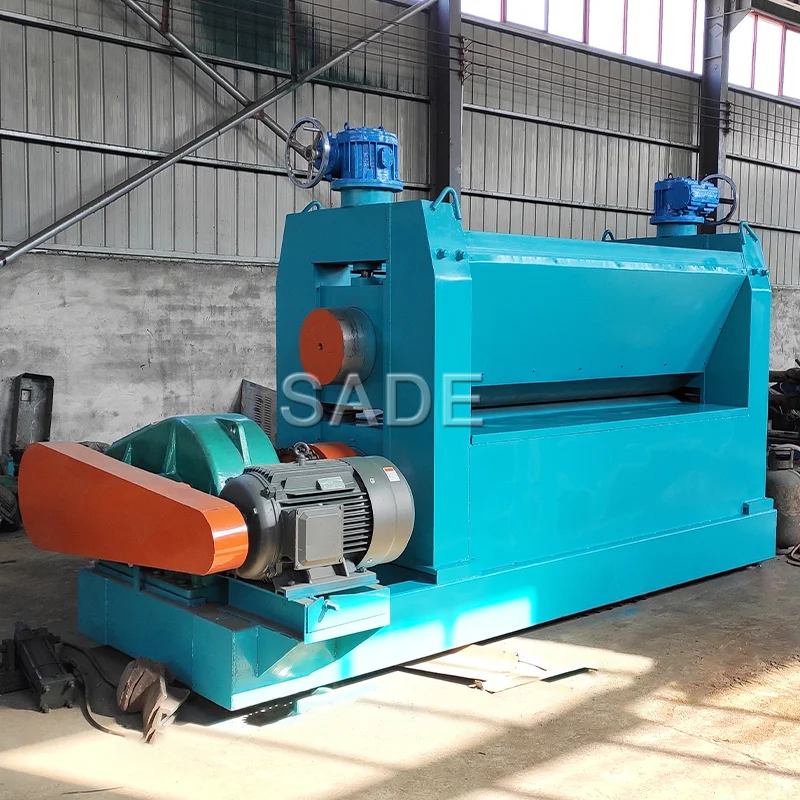
ZPJ Metal Mesh Flatting Machine
ZPJ metal mesh flatting machine is special designed for expanded metal flatting.It’s a corollary equipment of expanded metal machine. It can make expanded wire-mesh smoothly.And the flattened expanded metal have much more widely different applications.
Apr 24, 2026
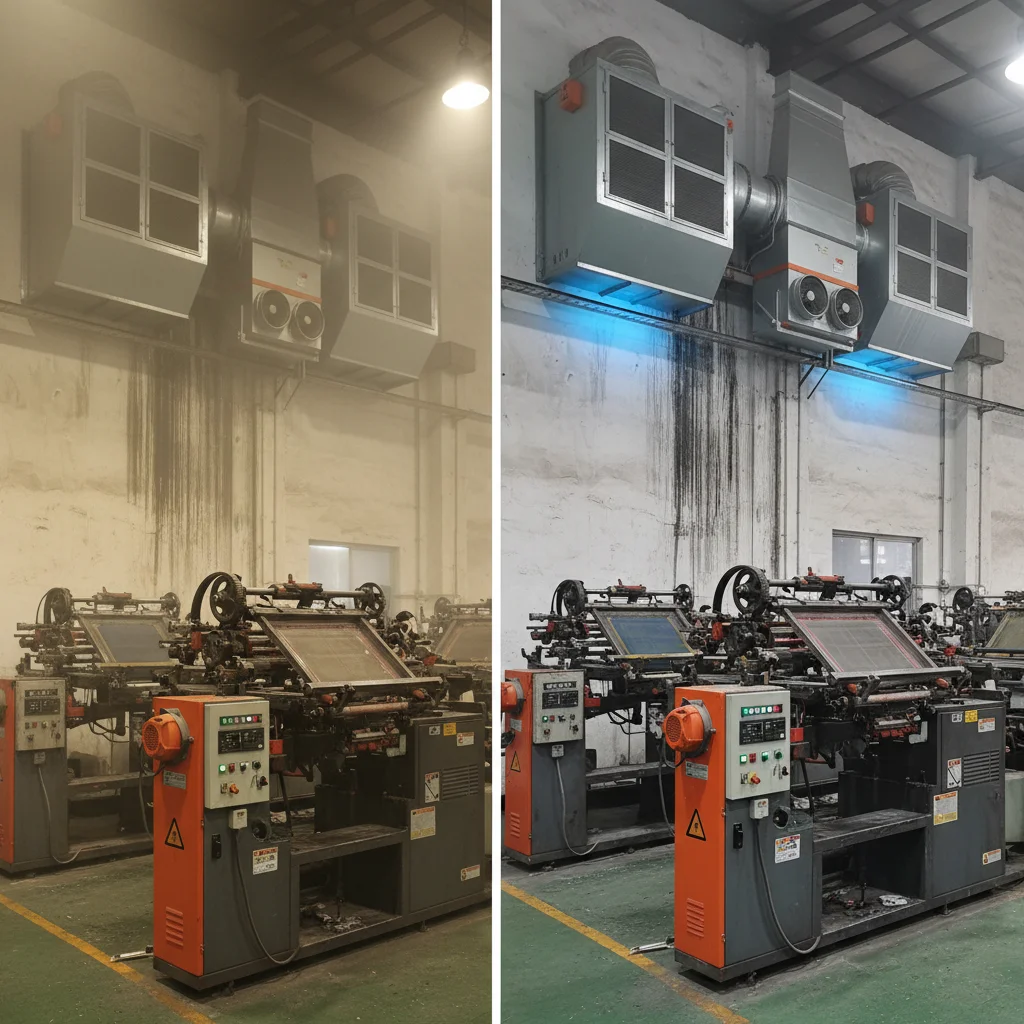
Industrial Wall Mounted Air Filtration for Clean Work Environments