
February 03, 2026
The demand for barbed wire fencing continues to grow across various sectors, including agriculture, security, and animal containment. Investing in a high-quality barbed wire fencing manufacturing machine is crucial for businesses aiming to capitalize on this market. This article provides a detailed overview of these machines, exploring their types, features, applications, and factors to consider when making a purchase. Efficient and reliable barbed wire production is now more accessible than ever.
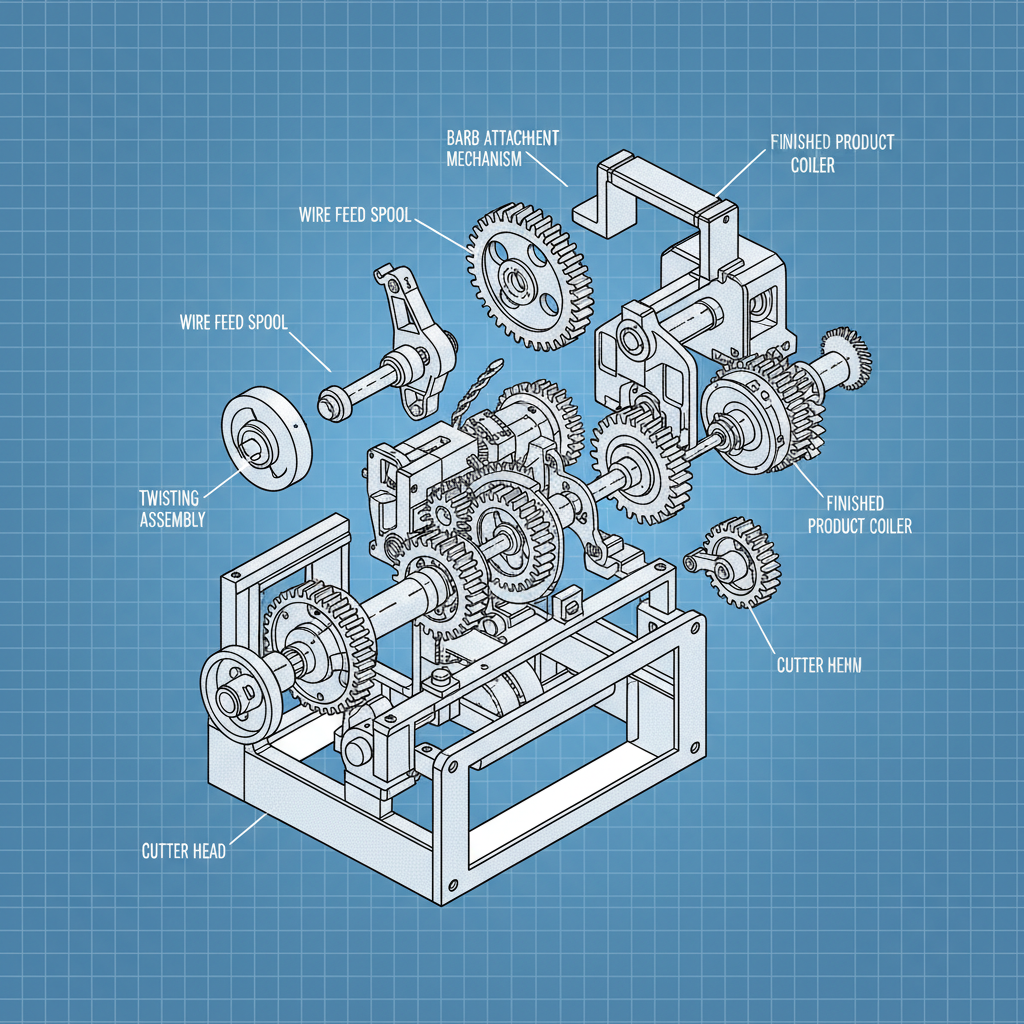
Several types of machines are used to produce barbed wire, each catering to different production volumes and fencing specifications. The most common types include automatic barbed wire machines, semi-automatic machines, and manual machines. Automatic machines offer the highest production capacity and require minimal operator intervention. Semi-automatic machines require some manual input for tasks like wire feeding and coil winding. Manual machines, while being the most affordable option, are labor-intensive and suitable for small-scale production. Choosing the right type depends largely on the scale of your operation and your budget. Mesh Machinery provides a variety of solutions to meet your needs.
Key Consideration: Selecting the correct type of machine depends on production volume, budget, and desired level of automation.
When evaluating barbed wire manufacturing machines, consider several key features. Look for machines with robust construction for durability and long-term reliability. Precision control systems are crucial for ensuring consistent wire diameter and barb spacing. Efficient winding mechanisms are essential for producing neat and uniform coils. User-friendly interfaces and safety features are also paramount. Machines from Meshmachinery incorporate these features to deliver optimal performance and safety.
Different machines offer varying levels of functionality and efficiency. Here's a comparison of the major types:
Barbed wire fencing has a wide range of applications. In agriculture, it’s used for livestock containment and pasture management. In security, it provides a robust perimeter defense. It is also employed for border control and in industrial settings for safety and demarcation. Consequently, the demand for efficient barbed wire production is consistently high. The right barbed wire fencing manufacturing machine can help businesses meet this demand effectively.
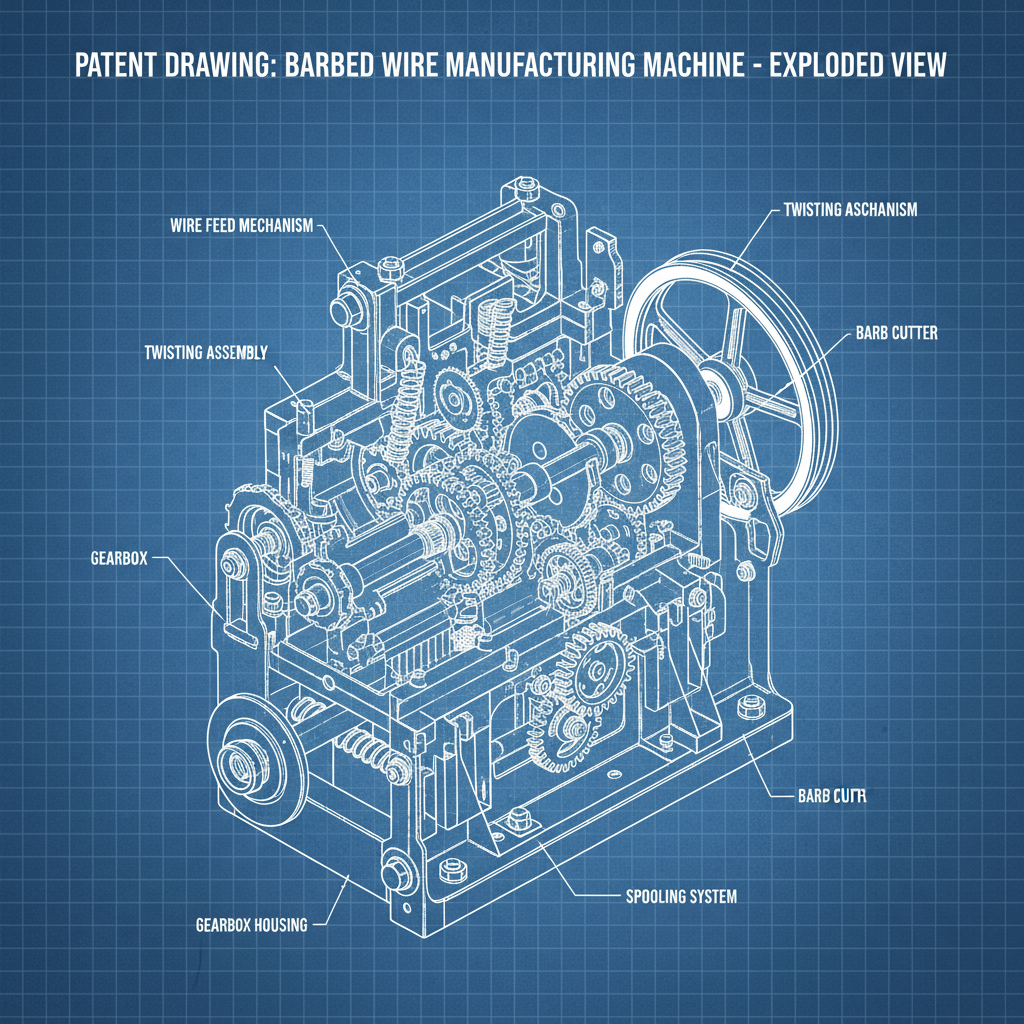
Before investing in a barbed wire machine, consider factors like production capacity, wire gauge compatibility, barb type options (e.g., two-strand, four-strand), power requirements, and after-sales service. Also, evaluate the machine's ease of maintenance and the availability of spare parts. Choosing a reputable supplier like Mesh Machinery ensures quality and ongoing support.
Investing in a high-quality barbed wire fencing manufacturing machine is a strategic decision for any business involved in fencing production. By carefully considering your needs and choosing a reliable supplier, you can enhance your production capacity, improve product quality, and maximize your return on investment. Don’t compromise on efficiency and durability – choose wisely.
The power consumption of an automatic barbed wire machine varies depending on its size and capacity, but typically ranges from 5kW to 15kW. It’s important to ensure your facility has adequate electrical infrastructure to support the machine’s power requirements. Energy-efficient models are available that can help reduce operating costs. Contact Mesh Machinery for detailed specifications on specific models.
Regular maintenance is crucial for ensuring the longevity and optimal performance of your barbed wire machine. This includes lubricating moving parts, cleaning the machine regularly, inspecting and replacing worn components (such as dies and blades), and checking electrical connections. Following the manufacturer’s recommended maintenance schedule is essential. Mesh Machinery offers comprehensive maintenance support and spare parts.
The lead time for ordering a barbed wire manufacturing machine can vary depending on the machine’s complexity, customization requirements, and the manufacturer’s production schedule. Typically, lead times range from 4 to 12 weeks. It's recommended to place your order well in advance to ensure timely delivery and avoid production delays. Mesh Machinery provides accurate lead time estimates upon order confirmation.
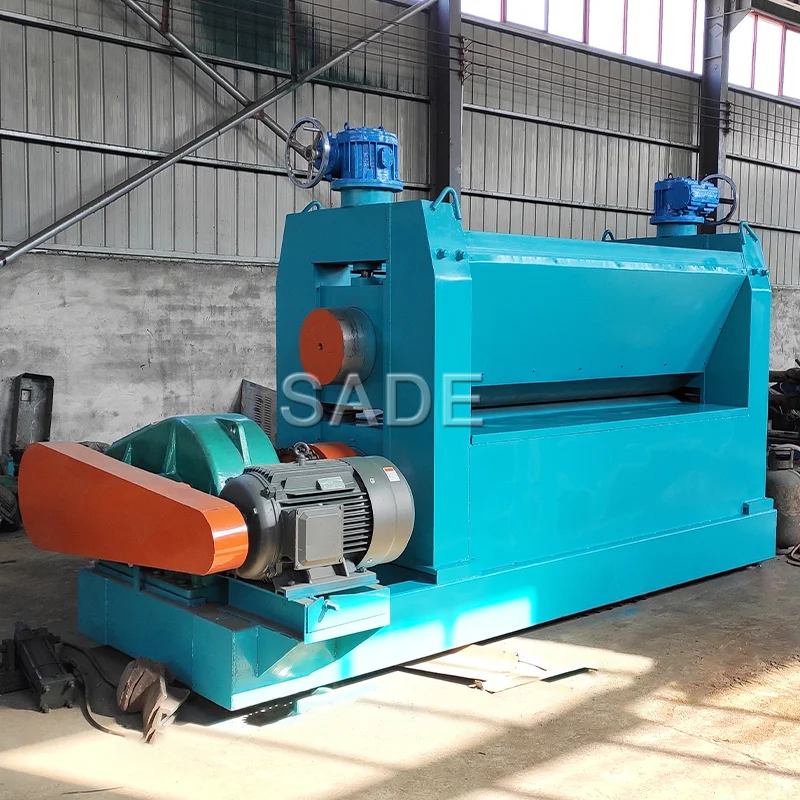
ZPJ Metal Mesh Flatting Machine
ZPJ metal mesh flatting machine is special designed for expanded metal flatting.It’s a corollary equipment of expanded metal machine. It can make expanded wire-mesh smoothly.And the flattened expanded metal have much more widely different applications.
Apr 24, 2026
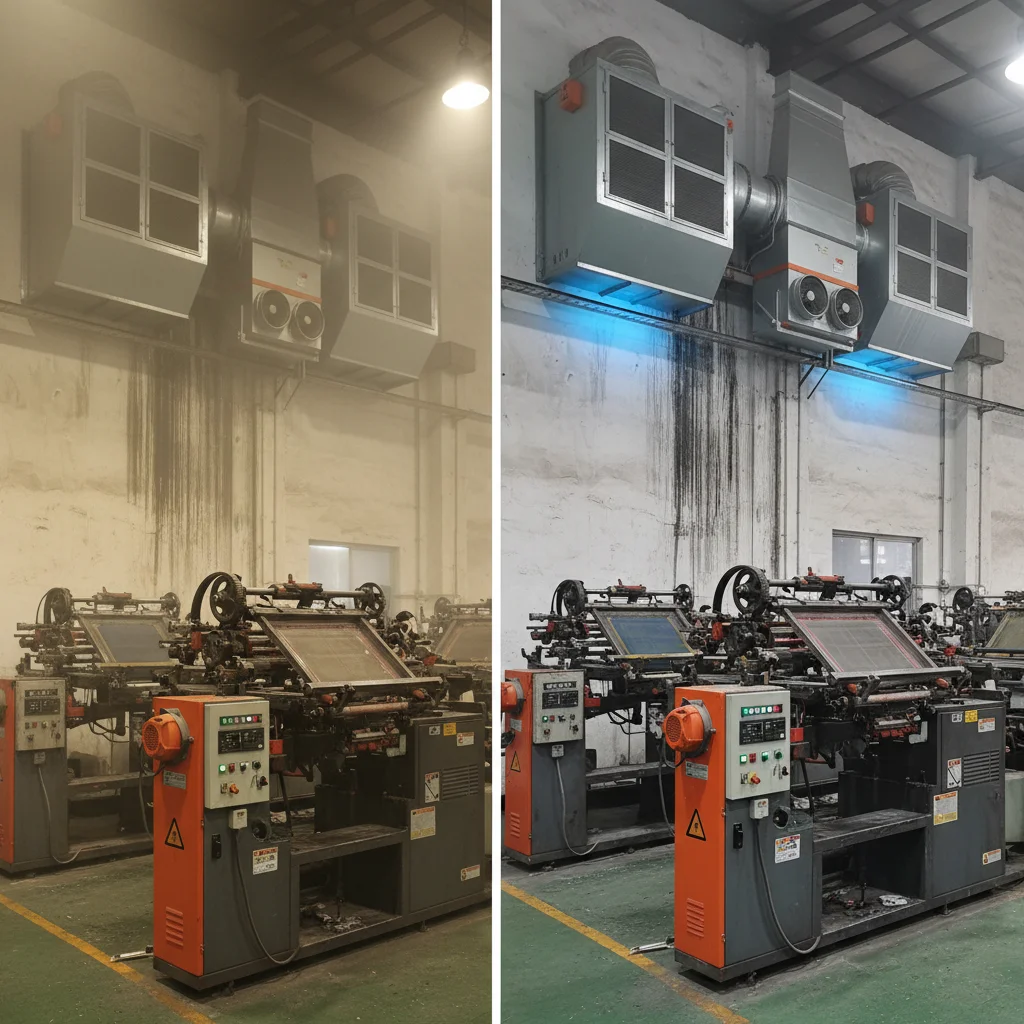
Industrial Wall Mounted Air Filtration for Clean Work Environments