
February 09, 2026
The demand for chain link fencing is consistently high across various sectors, including agriculture, construction, and security. To meet this demand efficiently, manufacturers are increasingly turning to automatic chain link fence machines. These machines streamline the production process, reducing labor costs and increasing output. This article will delve into the benefits, types, key features, and considerations when investing in an automatic chain link fence machine, providing valuable insights for businesses looking to optimize their fencing production. Understanding these machines is crucial for anyone involved in the fencing industry.
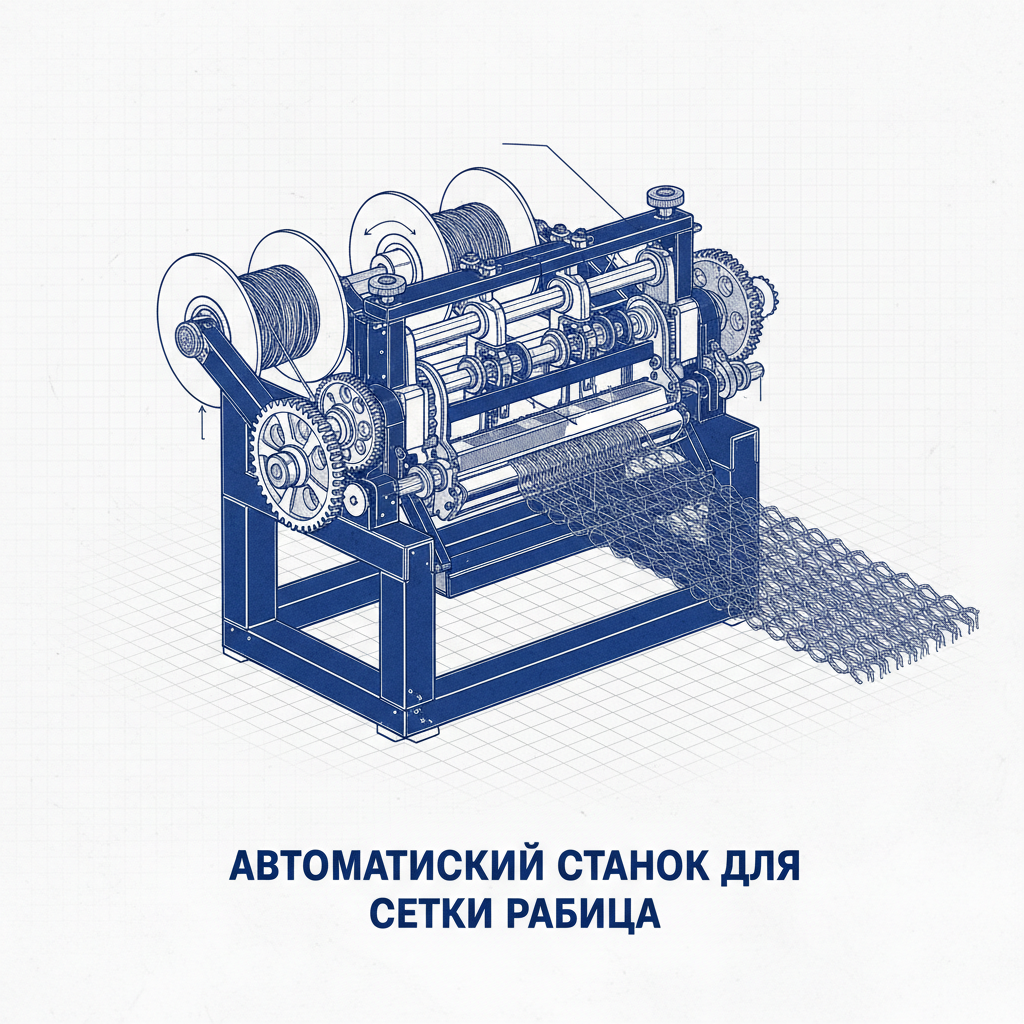
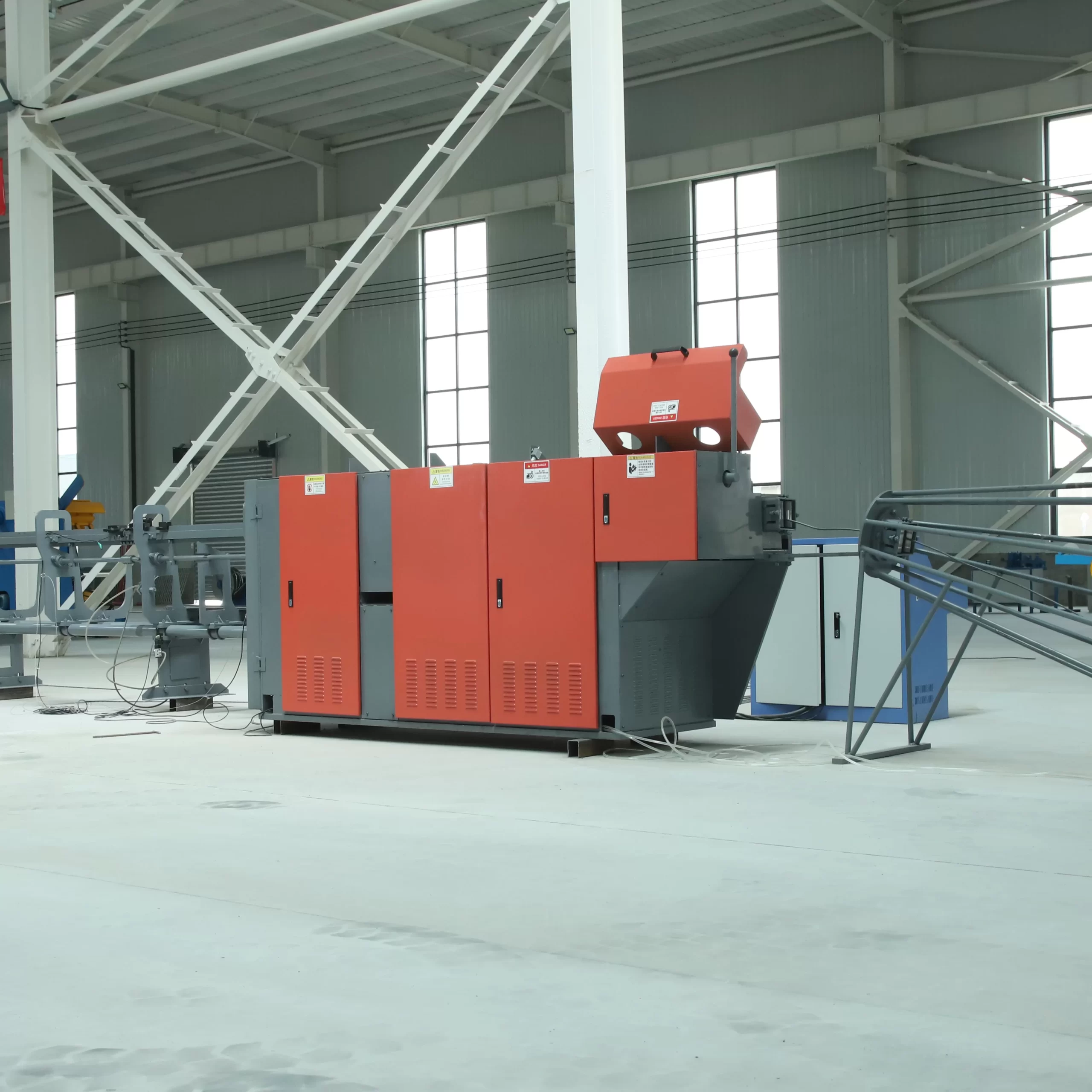
An automatic chain link fence machine, also known as a chain link mesh machine, is designed to automatically produce chain link fencing from steel wire. These machines typically handle the entire process, from wire feeding and twisting to forming the interlocking diamond pattern. They significantly outperform manual methods in terms of speed and consistency. The automated process reduces reliance on skilled labor and minimizes errors, leading to higher quality fencing and increased profitability. Different models exist to cater to varying production volumes and fencing specifications.
Key Benefits: Increased production speed, reduced labor costs, improved product consistency, minimized material waste, and enhanced safety.
Several types of automatic chain link fence machines are available, each suited for different production needs. Common types include:
Single Die Chain Link Machine: Suitable for smaller production volumes and simpler fencing designs.
Double Die Chain Link Machine: Offers higher output than single die machines, ideal for medium-sized operations.
Computer-Controlled Chain Link Machine: Provides precise control over the production process, enabling the creation of complex fencing patterns and customized specifications. These are often the most expensive, but offer the greatest flexibility and efficiency. Selecting the right machine type depends on factors like budget, production capacity, and the range of fencing products offered.
Choosing the Right Machine:
• Production Volume: How much fencing do you need to produce daily/weekly?
• Wire Material: What type and gauge of wire will you be using?
• Mesh Size: What mesh sizes do you need to produce?
• Automation Level: How much automation do you require?
When selecting an automatic chain link fence machine, several key features should be considered. Look for machines with robust construction for long-term durability. A user-friendly control panel is essential for easy operation and adjustment. Precise feeding mechanisms ensure consistent wire delivery, while efficient forming dies guarantee accurate mesh creation. Safety features, such as emergency stop buttons and protective guards, are crucial for operator safety. Finally, consider the availability of after-sales support and spare parts from the manufacturer, like Meshmachinery.
Understanding the technical specifications of a machine is key to making an informed purchase. Here is a representative example of specifications you might encounter:
Investing in an automatic chain link fence machine is a strategic move for businesses aiming to enhance production capabilities, reduce costs, and improve product quality. By carefully evaluating the different types of machines, key features, and specifications, you can select the optimal solution to meet your specific fencing needs. Choosing a reputable supplier with strong after-sales support, like Meshmachinery, will ensure a smooth transition and long-term success.
Power consumption varies depending on the machine's size and capacity. Smaller, single-die machines typically consume around 5.5kW, while larger, double-die or computer-controlled machines can require up to 11kW or more. It's essential to consider your facility's electrical capacity and ensure it can handle the machine's power requirements. Energy efficiency should also be a factor when choosing a model, as this can impact long-term operating costs. Understanding the machine’s voltage requirements is also critical for safe and efficient operation.
Regular maintenance is crucial for ensuring the machine's longevity and optimal performance. This includes daily lubrication of moving parts, regular inspection of the dies and cutting tools for wear and tear, and periodic cleaning to remove debris. It is also important to check the wire feeding mechanism and ensure it's functioning smoothly. A qualified technician should perform more in-depth maintenance tasks, such as motor inspections and electrical checks, at least once a year.
Reputable manufacturers, like Meshmachinery, typically offer comprehensive training to operators and maintenance personnel. This training usually covers machine operation, safety procedures, troubleshooting common issues, and routine maintenance tasks. Some manufacturers offer on-site training, while others provide remote training via video conferencing or online modules. Proper training is vital for maximizing the machine’s efficiency and preventing accidents.
Lead times can vary depending on the machine's complexity, customization requirements, and the manufacturer's production schedule. Generally, standard machines have a lead time of 4-8 weeks, while customized machines may take 8-12 weeks or longer. It's important to discuss lead times with the supplier upfront and factor them into your production planning. Consider also the shipping time and any potential customs clearance delays.
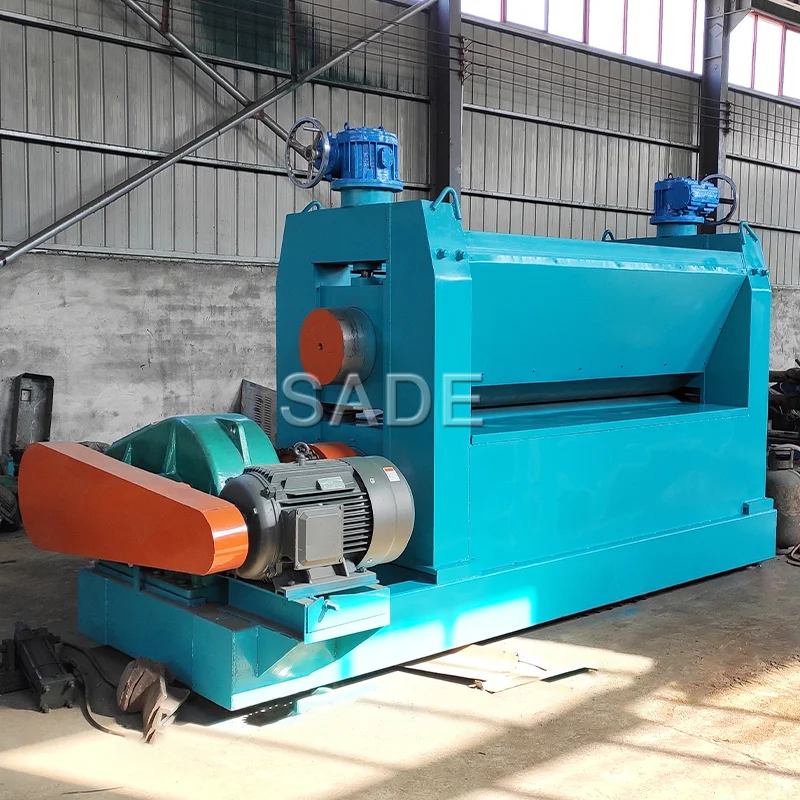
ZPJ Metal Mesh Flatting Machine
ZPJ metal mesh flatting machine is special designed for expanded metal flatting.It’s a corollary equipment of expanded metal machine. It can make expanded wire-mesh smoothly.And the flattened expanded metal have much more widely different applications.
Apr 24, 2026
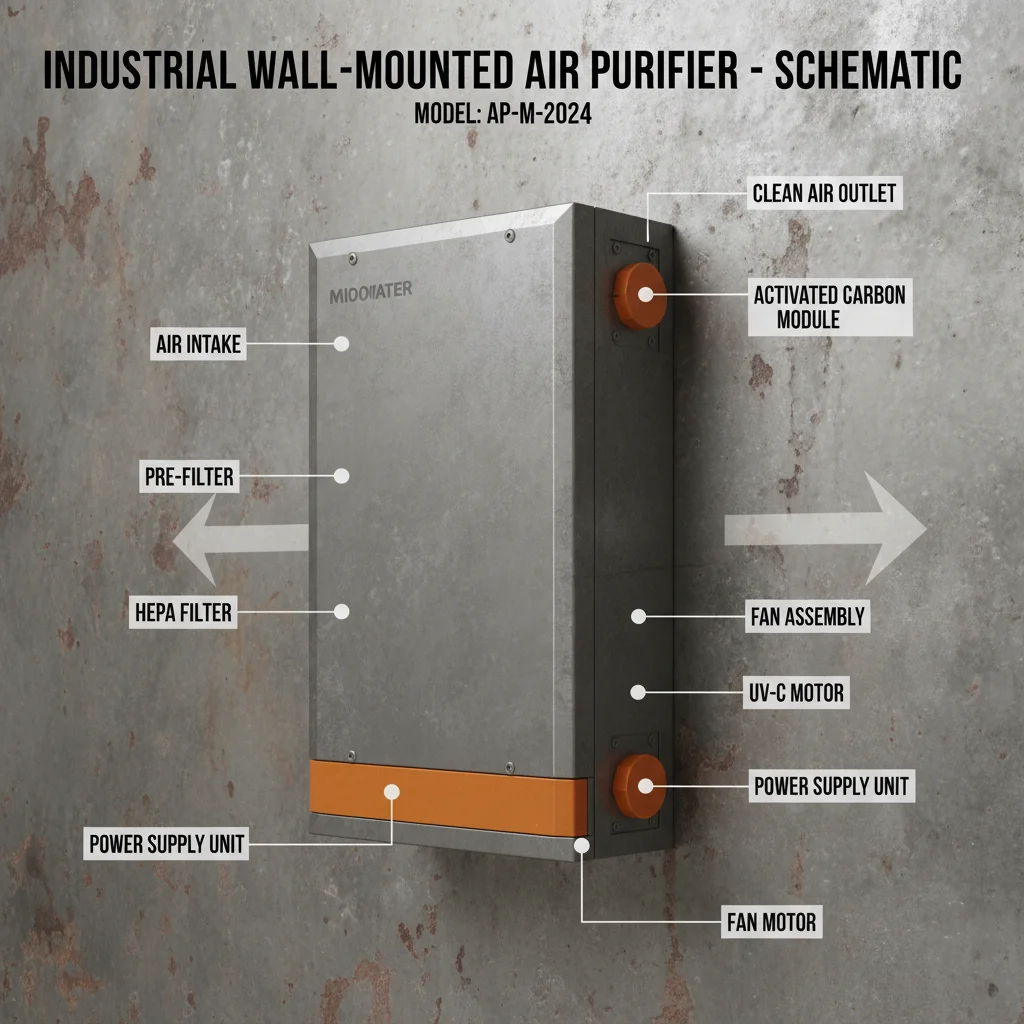
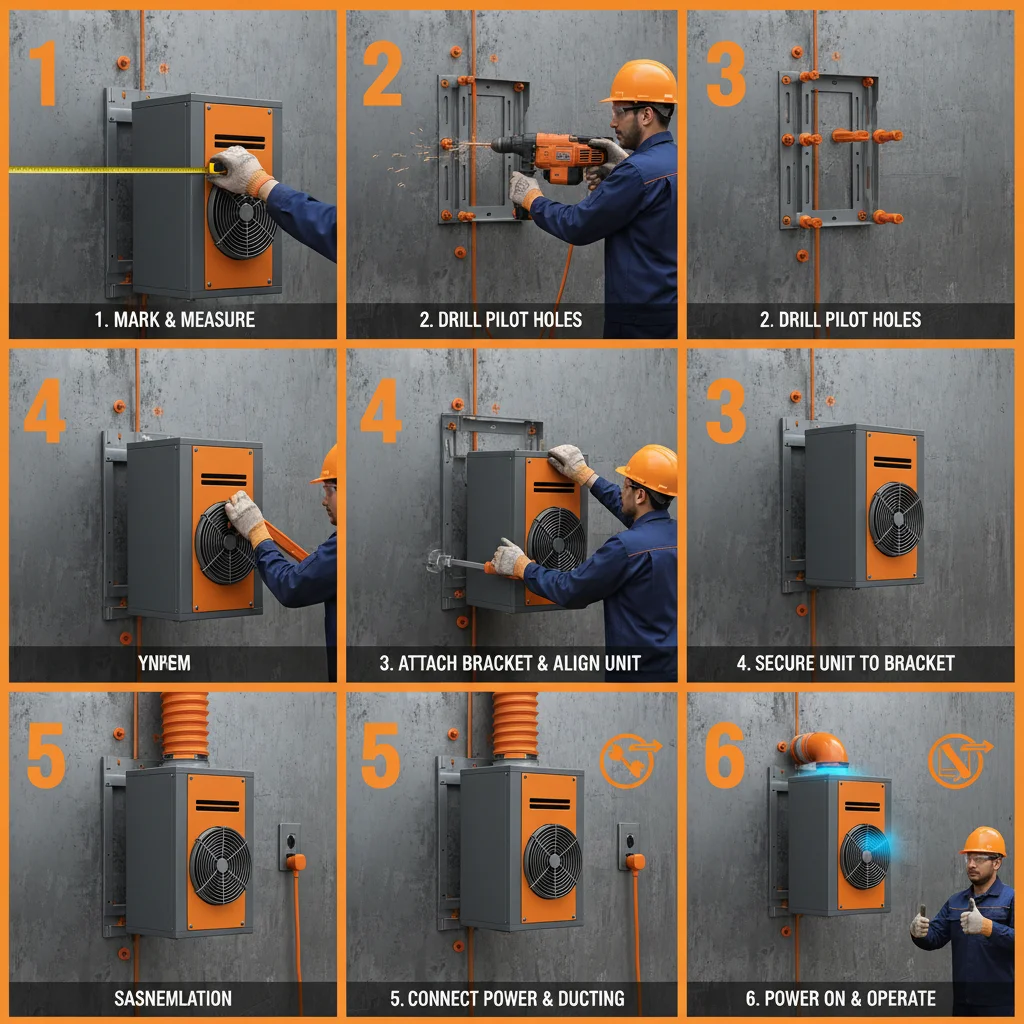
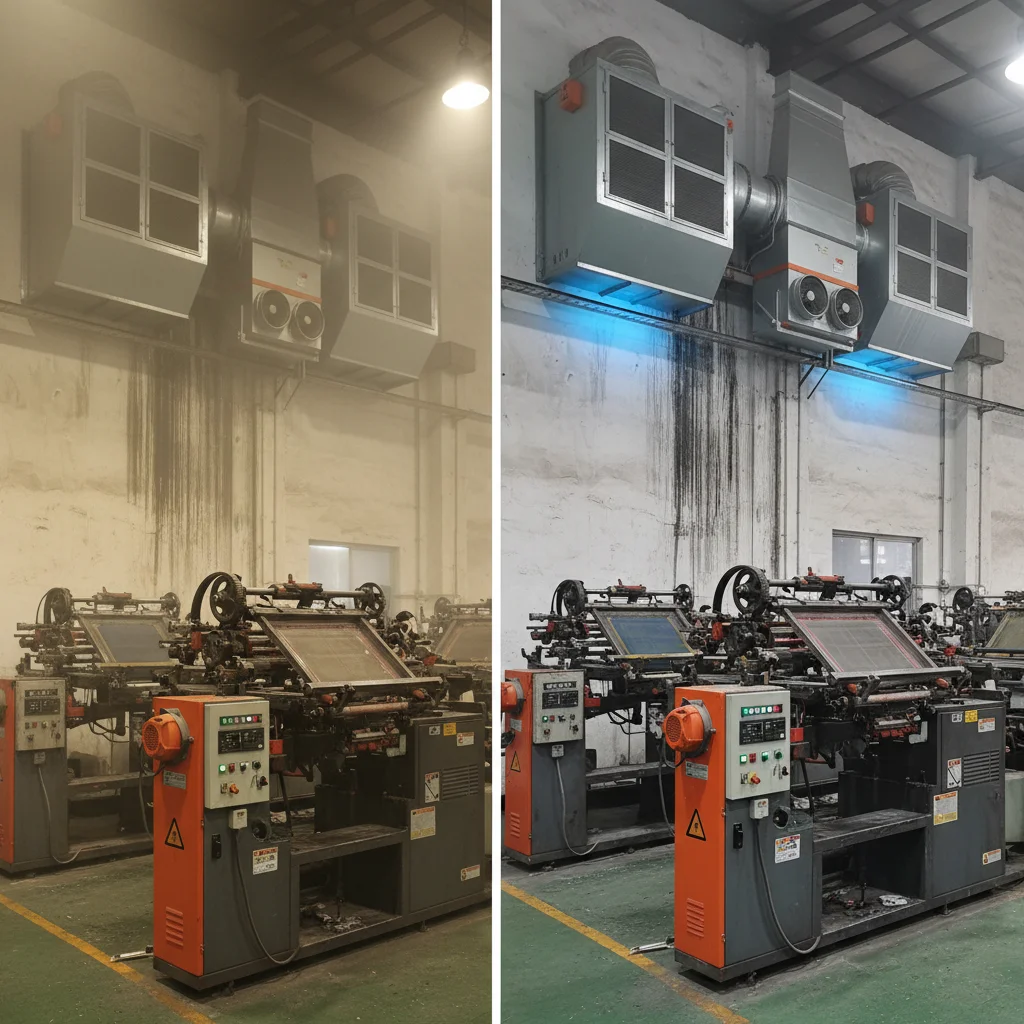
Industrial Wall Mounted Air Filtration for Clean Work Environments