
April 04, 2026
Creating a secure and durable fence is essential for various applications, from agricultural boundaries to livestock containment. While pre-made fencing solutions are available, a DIY simple fence wire netting machine offers cost-effectiveness and customization. This article will explore the benefits of building your own machine, the core components involved, key considerations for operation, and where to source quality parts. We’ll guide you through the process and connect you with resources to get started. Learn how a custom-built machine can streamline your fencing projects and save you money. For high-quality fencing machinery components, visit Mesh Machinery.
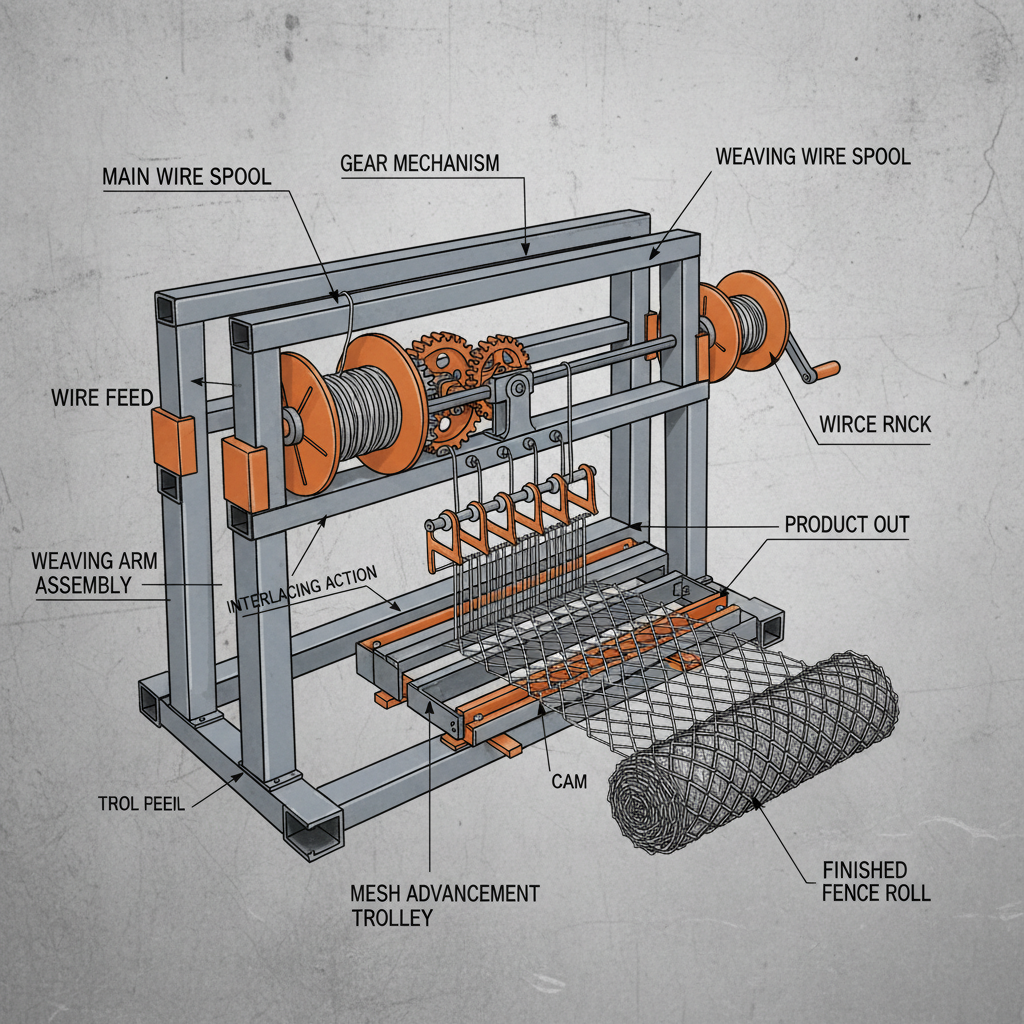
Investing in a DIY simple fence wire netting machine presents several advantages over purchasing commercially available options. Primarily, it offers significant cost savings. Building your own machine can dramatically reduce expenses, especially for large-scale fencing projects. Secondly, a DIY approach allows for complete customization. You can tailor the machine's specifications to match your specific fencing requirements, such as mesh size, wire gauge, and fence height. Furthermore, a DIY machine provides a valuable learning experience, enhancing your understanding of mechanical systems and fabrication techniques. Finally, you gain the freedom to modify and improve the machine over time, adapting it to evolving needs.
Key Advantages: Cost savings, Customization, Educational Opportunity, Adaptability.
A basic DIY simple fence wire netting machine typically consists of several key components. A sturdy frame, often constructed from steel, provides the structural foundation. A wire feeding mechanism, using rollers and guides, ensures smooth and consistent wire delivery. A weaving shuttle, powered manually or by a small motor, interlocks the wires to create the netting pattern. A tensioning system, crucial for maintaining mesh integrity, controls the wire tightness. Finally, a winding mechanism, such as a spool or drum, collects the finished netting. Sourcing quality components is vital for reliable operation and longevity. Consider Mesh Machinery for reliable wire and component supply.
Choosing between a DIY simple fence wire netting machine and a commercially produced machine involves weighing various factors. DIY machines excel in affordability and customization but require significant time and skill to build. Commercial machines offer convenience and reliability but come with a higher price tag and limited customization options. The scale of your fencing project is also crucial – DIY machines are often sufficient for smaller projects, while larger operations may benefit from the efficiency of a commercial setup. Here’s a detailed comparison:
Safe and efficient operation of your DIY simple fence wire netting machine is paramount. Ensure all moving parts are properly guarded to prevent accidental contact. Regularly lubricate the mechanism to minimize friction and wear. Use appropriate personal protective equipment (PPE), including safety glasses and gloves. Monitor wire tension consistently to maintain mesh quality. Finally, always disconnect the power source before performing any maintenance or repairs. For reliable wire netting supplies and machine components, Mesh Machinery offers a comprehensive selection.
The quality of materials directly impacts the performance and durability of your DIY simple fence wire netting machine. Source strong, corrosion-resistant steel for the frame and key components. Choose high-quality wire that meets your fencing requirements. Look for reputable suppliers offering consistent material specifications. Mesh Machinery is a trusted source for wire netting materials and machine components, offering a range of options to suit your needs.
Building a DIY simple fence wire netting machine can be a rewarding project, offering cost savings, customization, and a deeper understanding of fencing technology. By carefully planning, sourcing quality components, and prioritizing safety, you can create a machine that meets your specific needs. Don't hesitate to leverage resources like Mesh Machinery for expert guidance and reliable supplies.
Building a DIY simple fence wire netting machine requires a moderate to high level of mechanical skill. Experience with metal fabrication, welding, and basic mechanics is highly beneficial. You'll need to be comfortable using tools such as saws, drills, and wrenches. A good understanding of how mechanical systems work is also crucial. However, with detailed plans and patience, even those with limited experience can successfully complete the project. Online resources and communities can provide valuable guidance and support throughout the process.
The best type of wire for your DIY simple fence wire netting machine depends on the intended application. Galvanized steel wire is a popular choice for its corrosion resistance and strength. Stainless steel wire offers even greater durability, particularly in harsh environments. The wire gauge (thickness) should be appropriate for the size and type of animals or objects you need to contain. Mesh Machinery offers a variety of wire options to suit different fencing needs.
Achieving consistent mesh size requires precise adjustment of the weaving shuttle's movement and the wire tensioning system. Calibrate the shuttle's travel distance to determine the spacing between the vertical wires. Maintain consistent wire tension throughout the weaving process. Regularly inspect the machine's components for wear and tear, as this can affect accuracy. Experiment with different settings to fine-tune the machine's performance and achieve the desired mesh size.
Safety is paramount when operating any machinery. Always wear appropriate personal protective equipment (PPE), including safety glasses, gloves, and hearing protection. Ensure all moving parts are properly guarded to prevent accidental contact. Never reach into the machine while it's running. Disconnect the power source before performing any maintenance or repairs. Be aware of your surroundings and maintain a clear workspace. Read and understand the machine's operating instructions thoroughly before use.
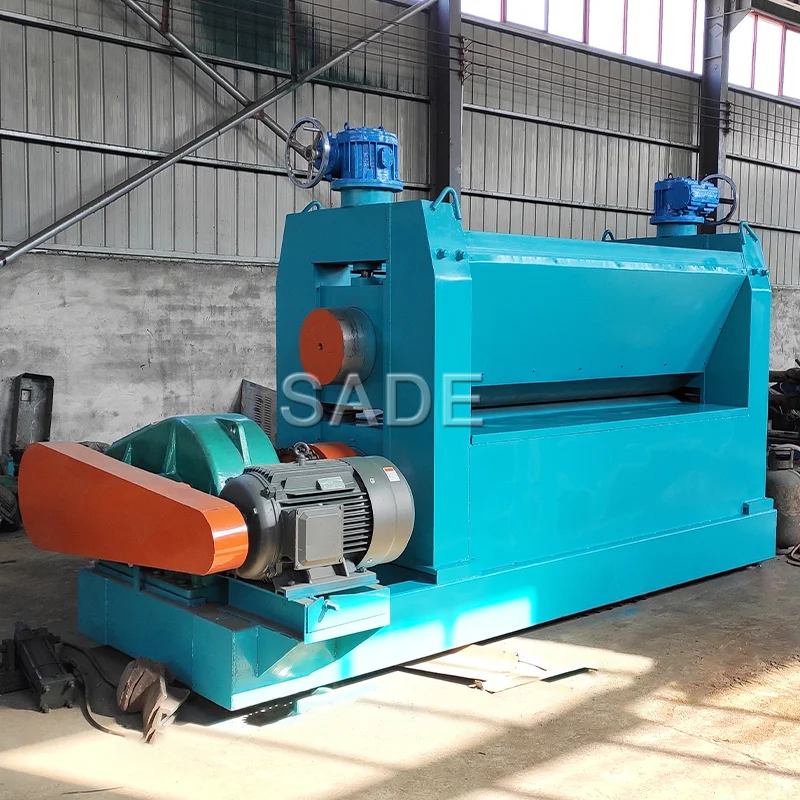
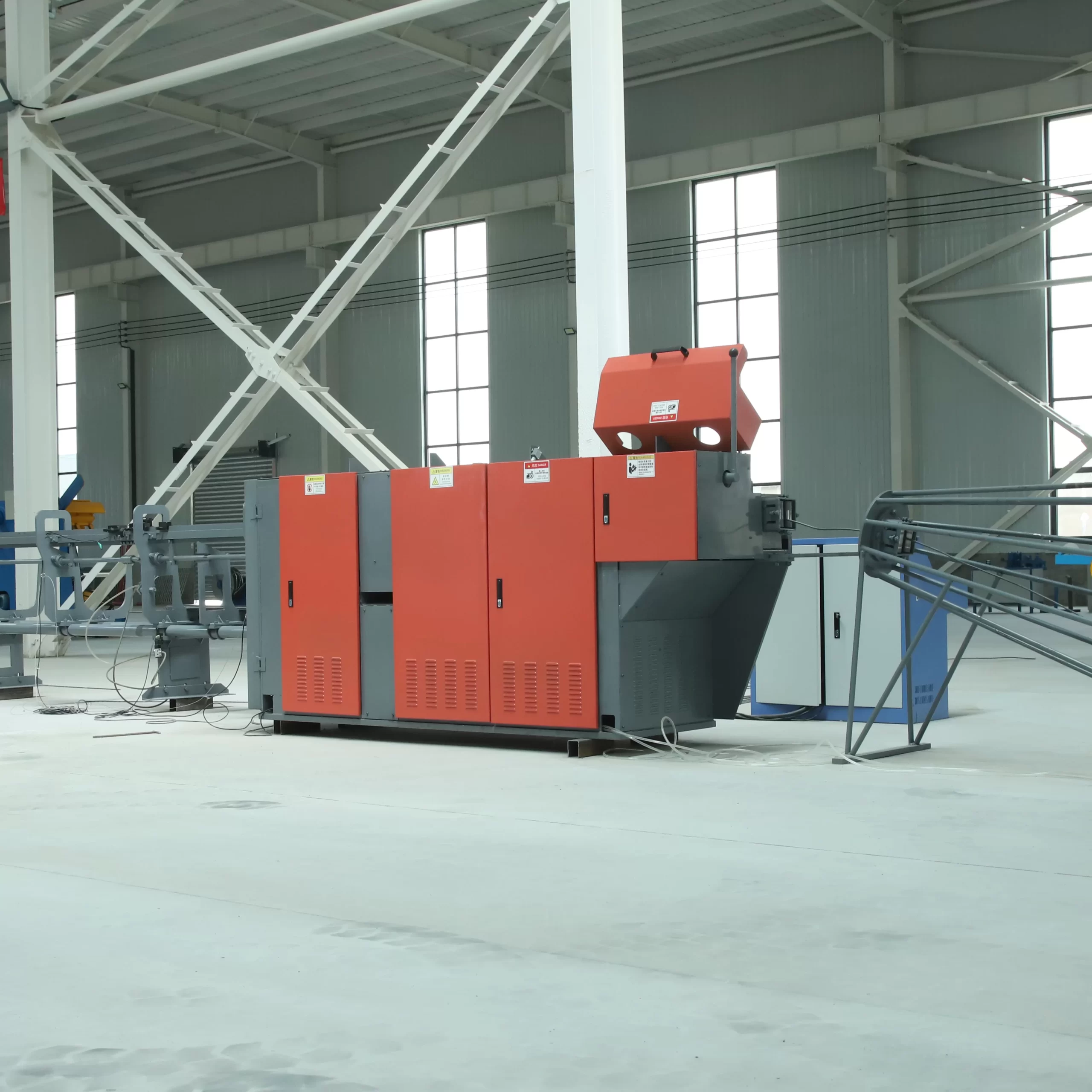
ZPJ Metal Mesh Flatting Machine
ZPJ metal mesh flatting machine is special designed for expanded metal flatting.It’s a corollary equipment of expanded metal machine. It can make expanded wire-mesh smoothly.And the flattened expanded metal have much more widely different applications.
Apr 24, 2026
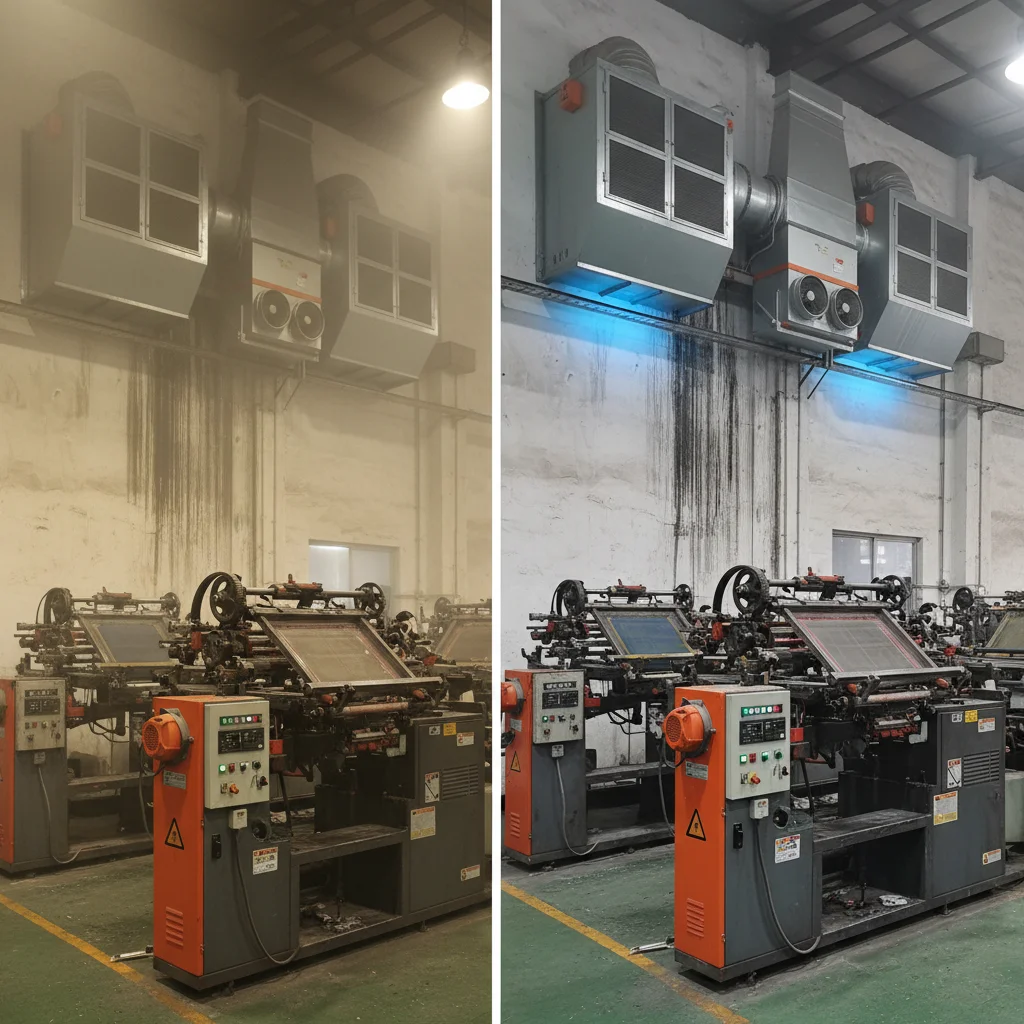
Industrial Wall Mounted Air Filtration for Clean Work Environments