
April 21, 2026
The demand for robust and efficient fencing, reinforcement materials, and protective enclosures is constantly growing. At the heart of this production lies the automatic wire mesh welding machine, a critical piece of equipment for manufacturers worldwide. This article will explore the features, benefits, applications, and considerations when choosing an automatic wire mesh welding machine. We'll examine how these machines are revolutionizing the production of wire mesh and helping businesses meet escalating demands.
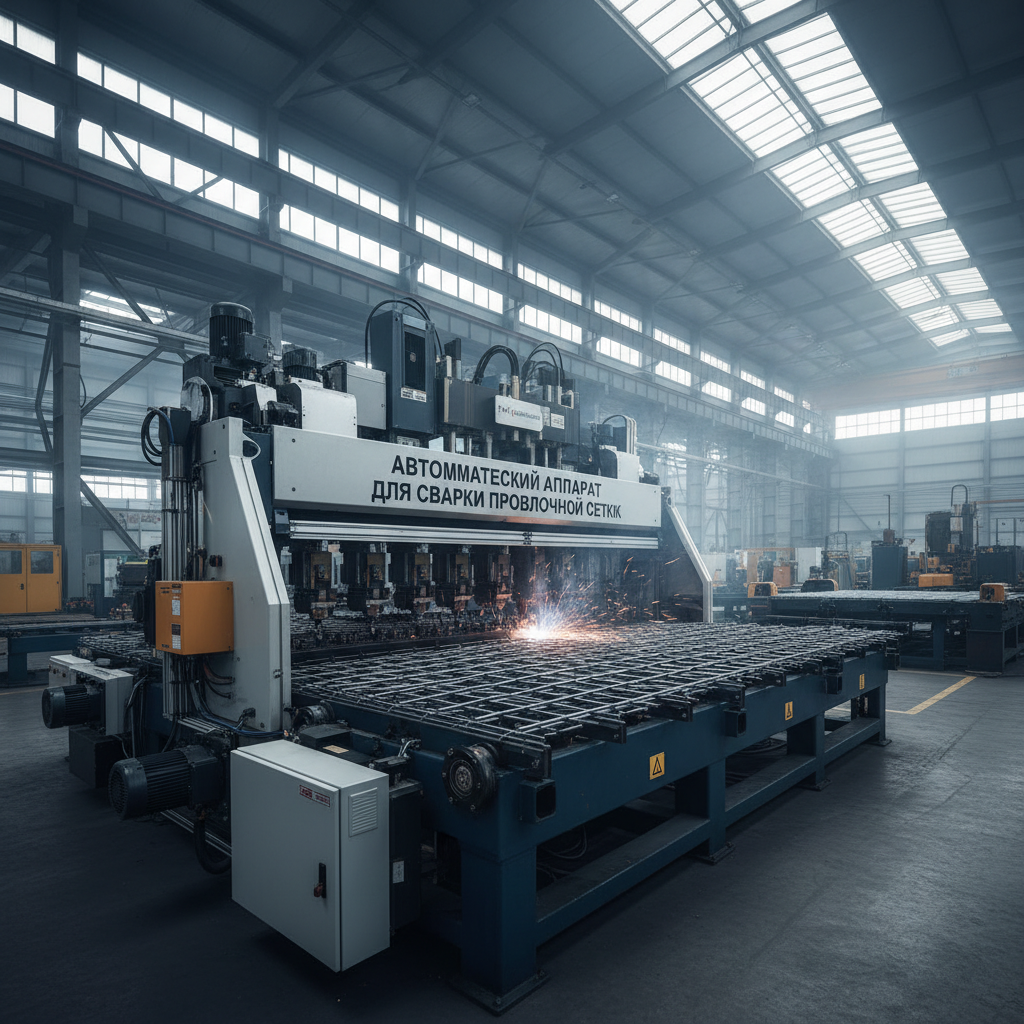
Modern automatic wire mesh welding machines are equipped with a range of features designed to optimize performance and efficiency. These include programmable logic controllers (PLCs) for precise control, automatic wire feeding systems, adjustable welding parameters (voltage, current, and time), and integrated cooling systems to prevent overheating. Many machines also feature automatic mesh length cutting and stacking capabilities, minimizing manual handling. Advanced models can handle different wire diameters and mesh apertures, offering versatility for diverse applications. Furthermore, some machines are designed for specific mesh types like hexagonal, square, or gabion baskets.
Key Highlights: Programmable logic controllers (PLCs) provide precise control, automatic wire feeding systems ensure consistent material delivery, and adjustable welding parameters enable customization for various mesh types.
There are several welding types utilized in automatic wire mesh welding machines. Resistance welding is the most common, utilizing electrical resistance to generate heat and fuse the wire intersections. Another method involves using transformer welding, providing a higher welding current for thicker wires. The choice of welding type influences the mesh strength, production speed, and overall cost-effectiveness. Understanding these differences is crucial when selecting a machine that aligns with your production needs. The efficiency of these welding types contributes significantly to the speed and quality of the finished product.
Welding Type Benefits:
• Resistance Welding: Cost-effective, suitable for most wire types.
• Transformer Welding: Ideal for thicker wires, provides strong welds.
• Efficient and reliable fusion of wire intersections.
While manual welding remains an option, automatic wire mesh welding machines offer significant advantages in terms of speed, consistency, and cost-effectiveness. Manual welding is labor-intensive, prone to errors, and slower, resulting in higher production costs. Automatic machines deliver uniform welds, minimize material waste, and can operate continuously, maximizing throughput. The long-term return on investment for an automatic machine is typically far greater than manual methods.
The applications of wire mesh produced by automatic machines are widespread. Common uses include fencing (agricultural, residential, and industrial), reinforcement for concrete (mesh and rebar), gabion baskets for erosion control, animal cages, shelving, and various industrial filters. Different mesh sizes and wire gauges are used for these various purposes. The ability to precisely control the welding process ensures that the mesh meets the specific requirements of each application.
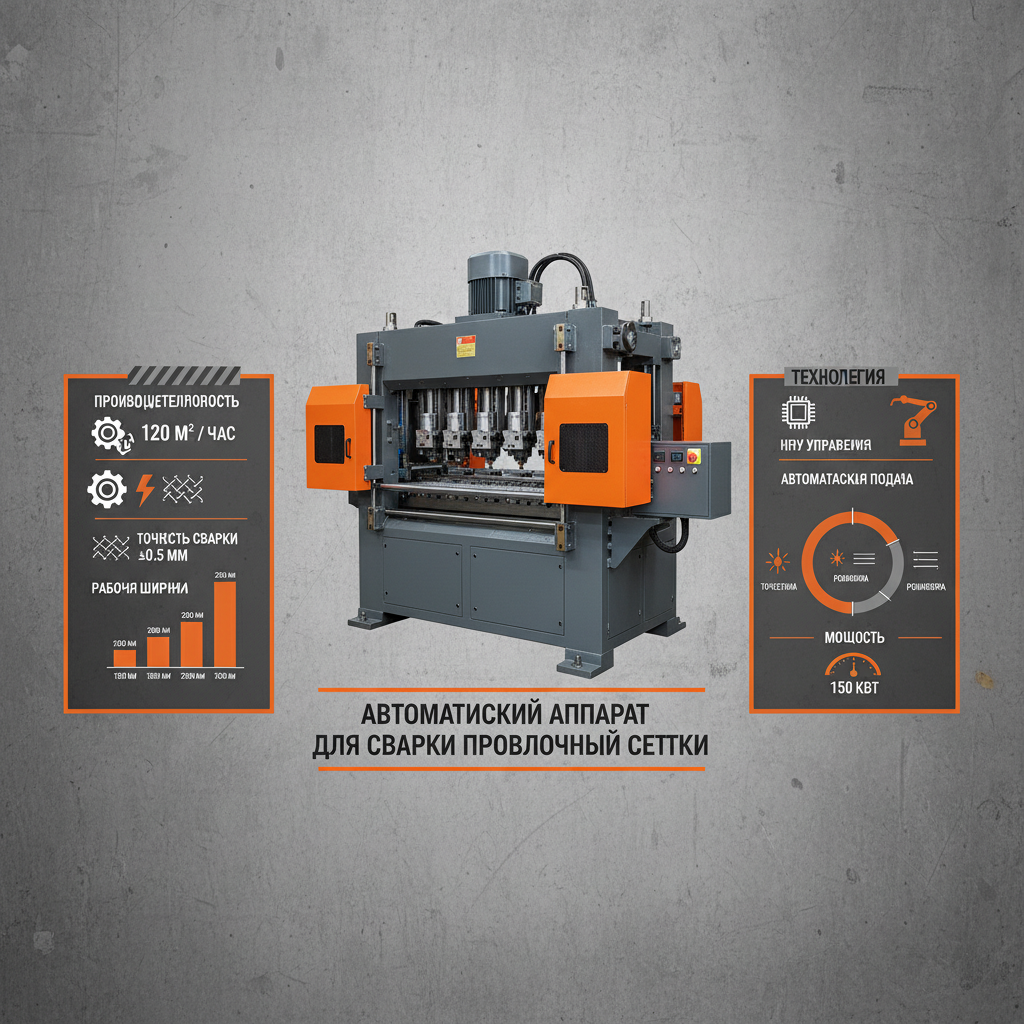
When investing in an automatic wire mesh welding machine, several specifications should be carefully considered. These include the maximum wire diameter the machine can handle, the mesh aperture range, the welding speed, the power requirements, and the overall dimensions of the machine. Also, consider the level of automation (fully automatic vs. semi-automatic) and the availability of technical support and spare parts. Finally, ensure the machine meets relevant safety standards and certifications.
Investing in an automatic wire mesh welding machine is a strategic move for any business looking to enhance production efficiency, reduce costs, and improve product quality. By carefully evaluating your specific needs and selecting a machine with the appropriate specifications, you can unlock significant benefits and gain a competitive edge.
Regular maintenance is crucial for ensuring optimal performance and longevity. This includes cleaning the welding electrodes, checking and replacing worn-out parts (such as welding tips and wire feeders), lubricating moving components, and inspecting the cooling system. Following the manufacturer's recommended maintenance schedule is highly advised. Preventative maintenance can minimize downtime and extend the lifespan of the machine.
Most automatic wire mesh welding machines can accommodate a variety of wire types, including galvanized steel, stainless steel, mild steel, and even aluminum wire, depending on the machine's capabilities. However, it's essential to verify that the wire diameter and material are compatible with the machine's specifications. Using incompatible wire can damage the machine or result in poor weld quality.
Setup time depends on the complexity of the mesh pattern and the machine's control system. Machines with user-friendly PLCs and pre-programmed settings can typically switch between patterns in a matter of minutes. More complex patterns might require some manual adjustments and programming, potentially taking longer. Investing in a machine with a graphical user interface (GUI) can significantly reduce setup time.
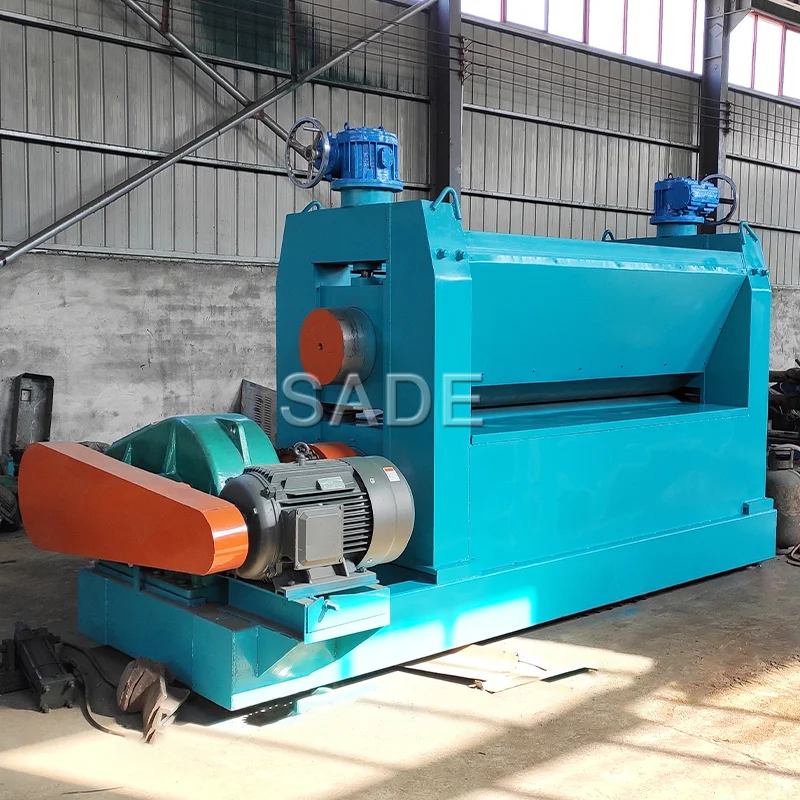
ZPJ Metal Mesh Flatting Machine
ZPJ metal mesh flatting machine is special designed for expanded metal flatting.It’s a corollary equipment of expanded metal machine. It can make expanded wire-mesh smoothly.And the flattened expanded metal have much more widely different applications.
Apr 24, 2026
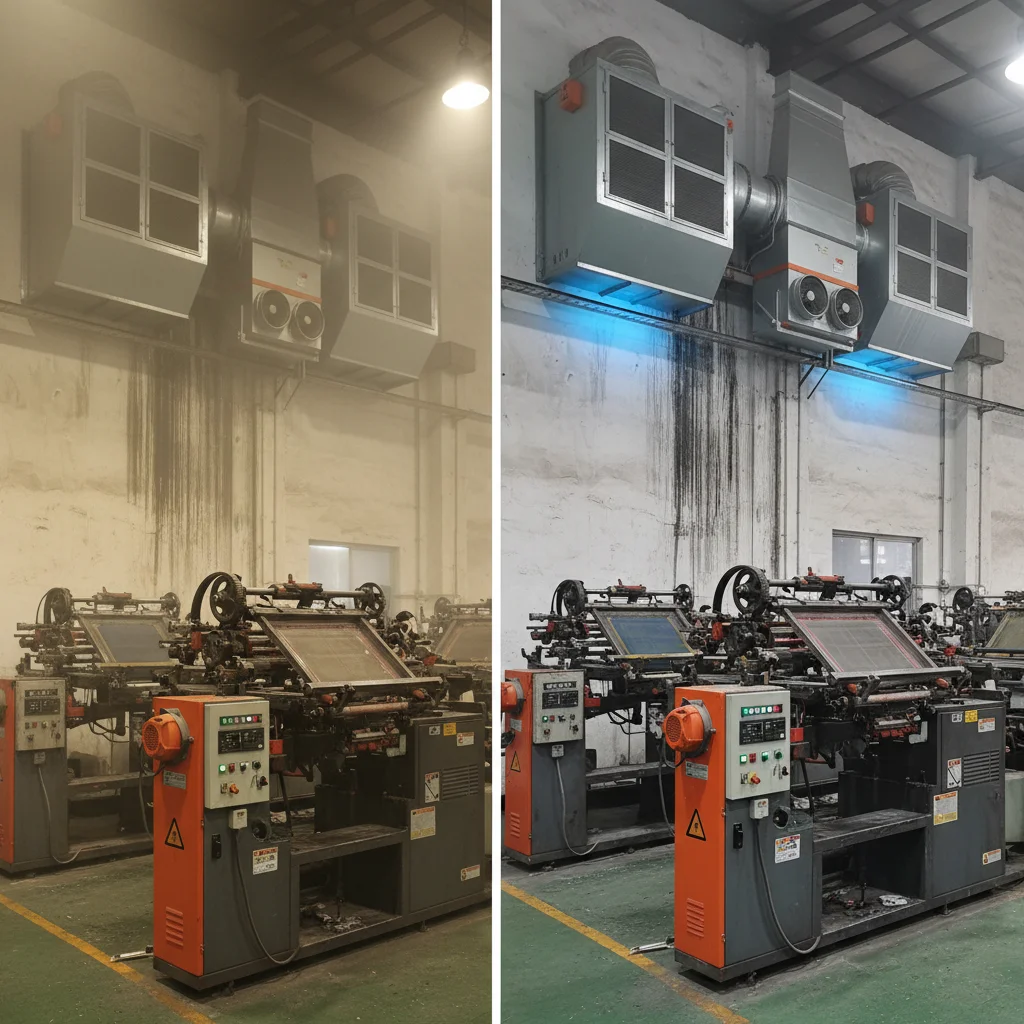
Industrial Wall Mounted Air Filtration for Clean Work Environments