

October 23, 2026
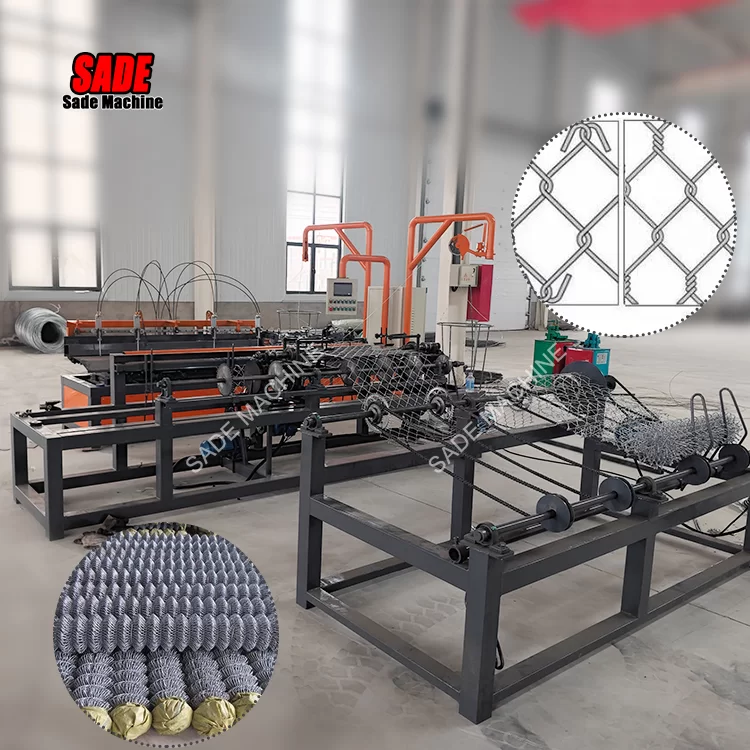
Capital expenditure evaluation requires establishing uniform baseline parameters before financial comparisons begin. Purchasing teams evaluate equipment quotations by aligning commercial terms across competing offers.
Different machine configurations and wire types require structured baseline assessments. Competing equipment proposals must be reviewed against identical conditions.
Capital expenditure reviews begin by defining exact machine parameters across Single Wire, New Double Wire, and New Double Wire (High Speed) offerings.
Procurement departments align formal quotation requests to evaluate equipment capable of processing the specified input materials: galvanized wire, PVC coated wire, and stainless steel wire without exception.
Commercial baselines concerning order quantities, delivery schedules, and warranty conditions must match prior to financial evaluation. Sector deployment targets span residential areas, commercial and industrial sites, sports facilities, and infrastructure projects to secure uniform cost distribution.
Comparative financial evaluations rely on structuring vendor data strictly across designated model configurations and material inputs.
| model | material | size | capacity | moq | warranty | lead_time | application |
|---|---|---|---|---|---|---|---|
| Single Wire | Galvnaized wire | Confirm with vendor | Confirm with vendor | Confirm with vendor | Confirm with vendor | Confirm with vendor | Residential Areas |
| New Double Wire | PVC coated wire | Confirm with vendor | Confirm with vendor | Confirm with vendor | Confirm with vendor | Confirm with vendor | Commercial & Industrial |
| New Double Wire (High Speed) | Stainless steel wire | Confirm with vendor | Confirm with vendor | Confirm with vendor | Confirm with vendor | Confirm with vendor | Sports Facilities |
Pricing structures undergo review by mapping offered parameters against known manufacturing specifications.
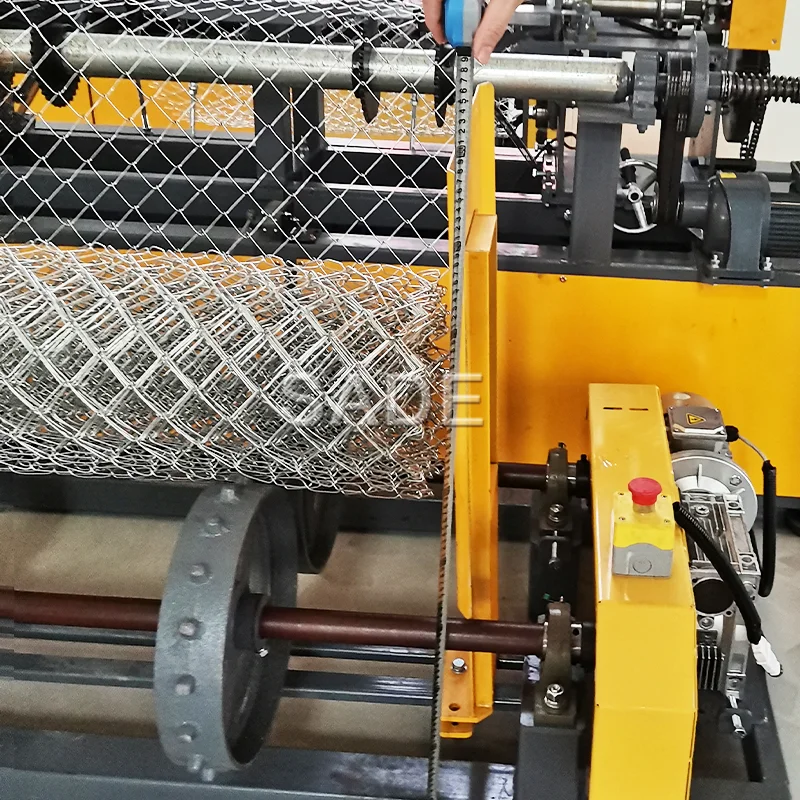
Material choices directly impact initial vendor quotation discussions when evaluating equipment compatibility across authorized wire inputs. Supplier pricing structures depend on whether quotations account for processing multiple material types simultaneously. Purchasing teams review proposals to ensure all authorized wire options are fully integrated into the baseline pricing.
Vendor proposals require direct verification to ensure offers cover the complete set of authorized input materials without omitting specific variations. Equipment pricing models shift when suppliers price machinery for singular input types rather than the full authorized material range. Quotation consistency depends entirely on whether proposals include all specified wire inputs under identical terms.
Project deployment sectors from residential zones to heavy infrastructure require uniform input validation during preliminary cost assessments. Machine model selections determine how effectively designated input wires are processed across various site conditions. Supplier pricing schedules remain comparable only when proposals reflect identical material scopes across every requested machine configuration.
Cost differences across Single Wire, New Double Wire, and New Double Wire (High Speed) configurations require direct vendor inquiries to isolate equipment expenses from ancillary setup components.
Capital expenditure reviews separate baseline machine costs from optional tooling and auxiliary feeding mechanisms, ensuring that optional attachments do not distort core equipment valuations.
Pricing structures for high-speed variants are reviewed against standard models without assuming specific output volumes or efficiency gains.
Model-specific quotations account for the full intended scope of use, ranging from residential areas and commercial or industrial sites to sports facilities and infrastructure projects.
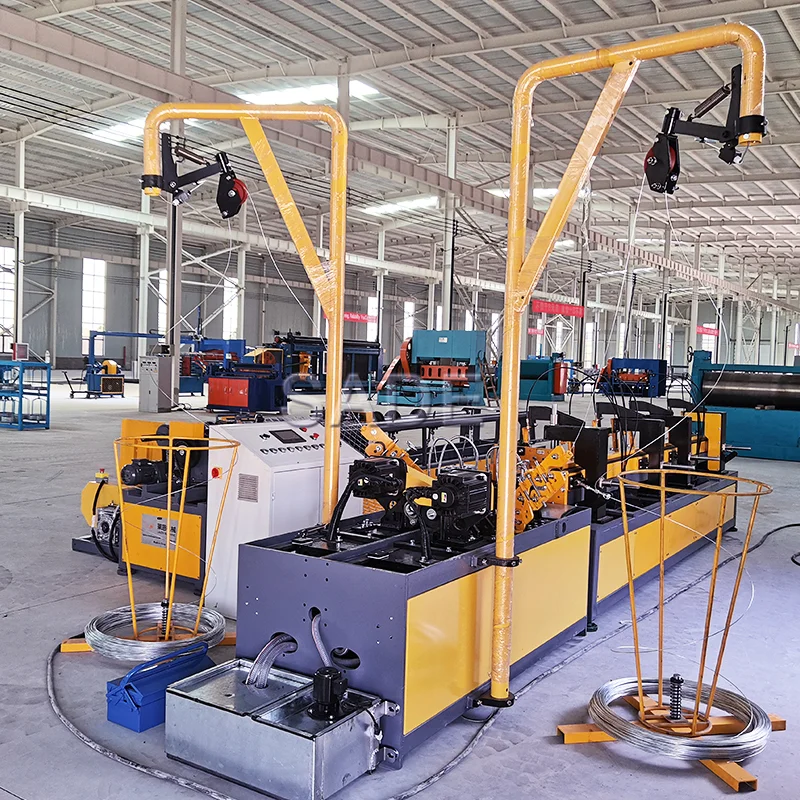
Specific metrics regarding production capacity, delivery schedules, warranty boundaries, and minimum order quantities remain missing from current vendor records. Procurement audits must treat these absent data points as critical information gaps requiring direct manufacturer intervention.
Independent laboratory testing reports and formal certification documents are not included in the provided materials. Official requests for information must be submitted directly to equipment makers to retrieve these missing parameters before financial commitments are finalized.
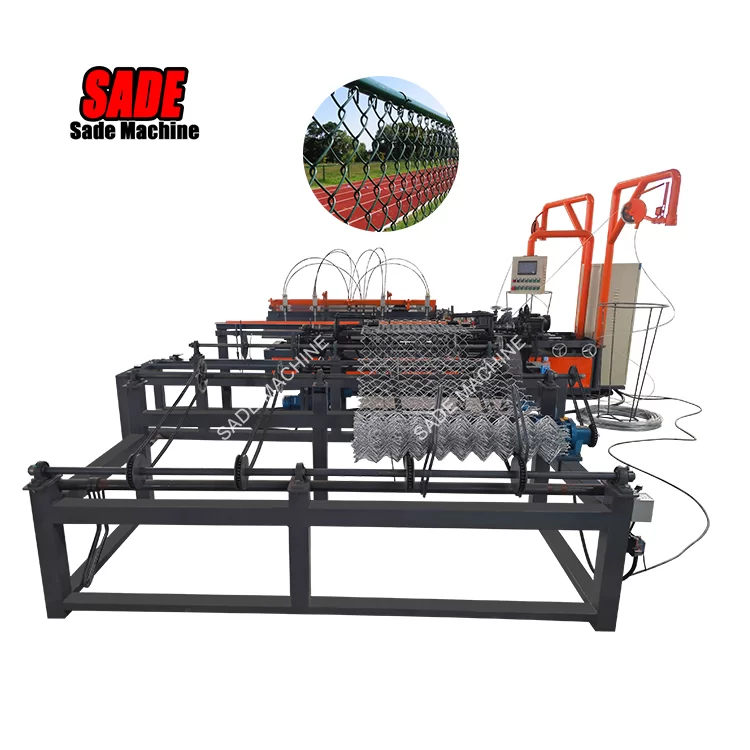
Formal written inquiries are dispatched to suppliers to address unstated delivery lead times, warranty definitions, and exact model specifications. Vendor responses are recorded systematically to ensure complete alignment across all competing equipment proposals.
Technical evidence collection relies strictly on manufacturer correspondence rather than external testing methods or unprovided regulatory numbers. Capital expenditure evaluations proceed using only the verified parameters obtained through these structured information requests.
Internal documentation reflects verified facts regarding open commercial and technical fields required to finalize the capital expenditure decision.
Formal written inquiries are sent directly to suppliers for addressing unstated lead times, warranty definitions, and exact model specifications. Vendor responses are recorded systematically for comparing final equipment costs under identical delivery and service conditions.
Financial comparisons depend strictly on matching the designated machine categories—specifically Single Wire units, standard New Double Wire systems, and the New Double Wire variant optimized for accelerated output. Cost alignment requires locking identical delivery terms and quantity parameters before evaluating baseline figures.
Procurement audits rely strictly on verifying the presence of authorized machine models and input materials within formal vendor proposals. Missing technical documentation requires direct written clarification regarding lead times, warranty definitions, and exact model specifications before contract finalization.
Financial evaluations remain invalid unless order quantities, delivery schedules, and warranty conditions align perfectly across all competing vendor offers. Quotation variances often stem from mismatched delivery terms rather than baseline equipment costs.
Capital expenditure calculations depend heavily on whether equipment is deployed in heavy Infrastructure projects versus standard Residential Areas. The integration of PVC coated wire or Stainless steel wire alters baseline pricing structures depending on the selected machine model.
Purchasing teams verify that vendor quotations explicitly account for all three authorized wire inputs and three specified machine models. Total expenditure reviews remain incomplete unless baseline manufacturing capabilities cover the entire intended scope of use.
Formal capital expenditure contracts require a mandatory Request for Information dispatched to evaluate vendors prior to final execution. Itemized pricing structures for Single Wire, New Double Wire, and New Double Wire (High Speed) variants demand direct clarification alongside delivery timelines.
Purchasing teams must record response details systematically within internal audit files.


High Precision Wedge Wire Screen Welding Machine Factory Suppliers in China


Nov 10, 2026
Technical Factors Influencing the Gabion Machine Price


