
March 28, 2026
In the realm of fabrication and construction, the demand for strong, reliable mesh structures is continually growing. A wire mesh welding machine is the cornerstone of efficient and precise mesh production. These machines automate the process of joining wires at intersecting points, creating a robust and consistent mesh suitable for a variety of applications. This article delves into the technology, applications, factors to consider when purchasing, and the future trends shaping the world of wire mesh welding. We'll explore how choosing the right machine can dramatically improve your production efficiency and product quality.
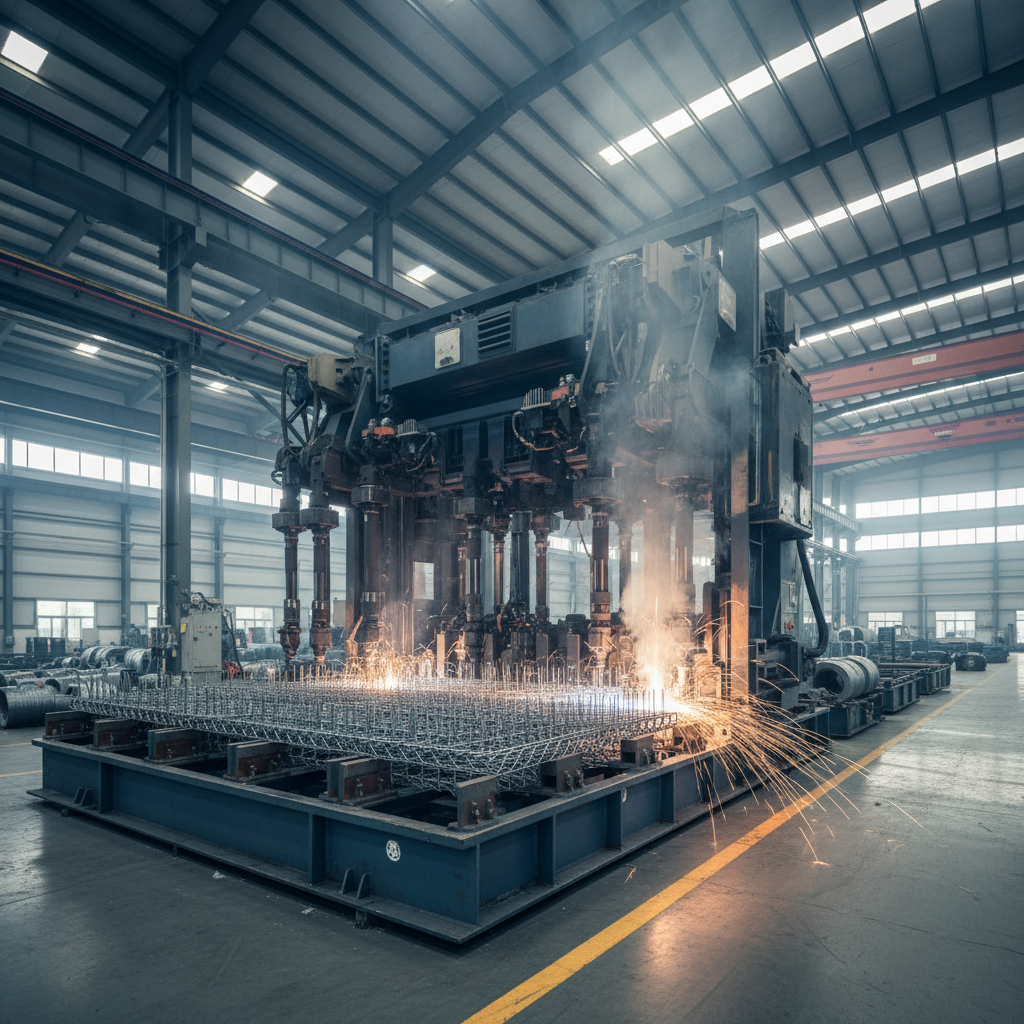
At their core, wire mesh welding machines employ resistance welding principles. Wires are precisely positioned in a grid pattern and then subjected to high current and pressure at the intersection points. This generates heat, melting the wires and fusing them together. The process is typically automated, using a combination of mechanical drives, welding transformers, and control systems. Different types of machines exist, including CNC wire mesh welding machines offering enhanced precision and flexibility, and simpler, manually operated machines for smaller-scale operations. Understanding the underlying mechanics is crucial for effective operation and maintenance of these systems. Meshmachinery.com provides detailed insights into various machine types.
Key Process Steps: Precise wire feeding, accurate positioning, application of welding current and pressure, cooling and discharge of finished mesh.
The versatility of welded wire mesh makes it indispensable across numerous industries. Construction utilizes it for reinforcement in concrete, creating stronger foundations, walls, and floors. Agriculture relies on it for fencing, animal cages, and crop support structures. The automotive industry uses it in components like grills, filters, and safety cages. Beyond these, applications extend to security fencing, shelving, filter screens, and even decorative panels. The ability to tailor mesh size and wire diameter to specific requirements makes it a highly adaptable material.
Common Industry Applications:
• Construction (Reinforcement)
• Agriculture (Fencing, Cages)
• Automotive (Grills, Safety)
• Security (Fencing)
Choosing the right wire mesh welding machine requires careful consideration of several factors. The size and thickness of the wire, the desired mesh aperture (opening size), and the production volume are all crucial. CNC machines offer greater precision and flexibility but come at a higher cost. The level of automation, the power source requirements, and the availability of after-sales support are also important considerations. Understanding your specific needs and budget will help you narrow down the options and select a machine that delivers optimal performance and value.
The wire mesh welding industry is constantly evolving. Emerging trends include the integration of artificial intelligence (AI) for optimizing welding parameters and improving quality control. More efficient energy sources and reduced energy consumption are also becoming increasingly important. The development of machines capable of welding a wider range of materials, including exotic alloys, is expanding the potential applications of welded wire mesh. Furthermore, advancements in automation and robotics are leading to faster production speeds and reduced labor costs. Stay ahead of the curve by exploring the latest innovations in wire mesh welding.
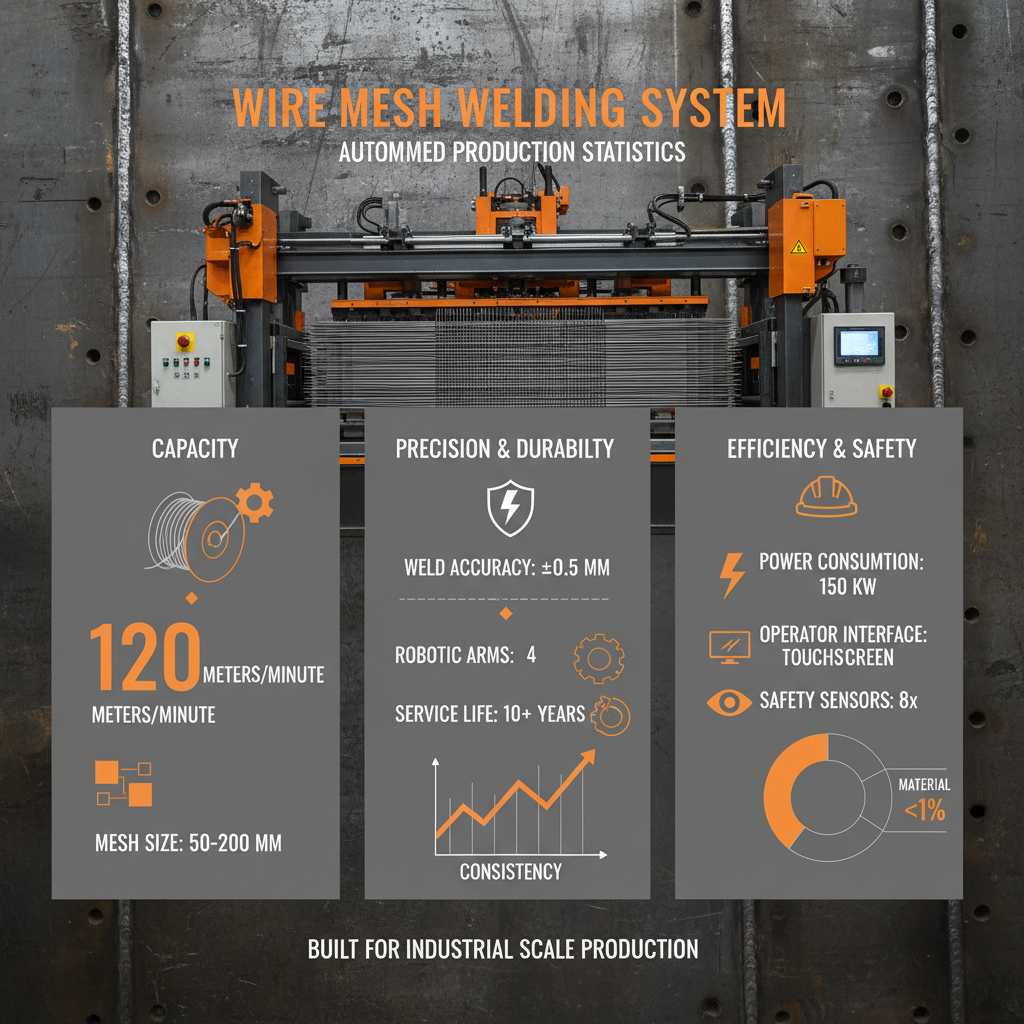
Choosing the appropriate machine involves assessing your production requirements, budget, and the complexity of the mesh designs you intend to create. Consider factors like the wire diameter range, mesh aperture sizes, and required production speed. CNC machines offer superior precision and are suitable for complex designs and high-volume production, while manual machines are a cost-effective option for smaller projects. It’s also crucial to evaluate the machine’s energy efficiency, maintenance requirements, and the availability of technical support. Meshmachinery.com offers a wide range of machines to fit every need and budget.
Investing in a quality wire mesh welding machine is a strategic move for any business reliant on robust and consistent mesh structures. From construction to agriculture and beyond, the versatility and efficiency of these machines are undeniable. By carefully considering your specific needs and exploring the latest advancements, you can select a machine that optimizes your production process and delivers lasting value.
Most wire mesh welding machines are designed to handle a variety of metal wires, including carbon steel, stainless steel, galvanized steel, and aluminum. The specific compatibility depends on the machine's capabilities and the welding parameters used. It’s essential to check the manufacturer's specifications to ensure compatibility with the intended wire type. Using the wrong wire can damage the machine or result in weak, unreliable welds. Proper wire preparation, such as cleaning to remove rust or coatings, is also crucial for achieving optimal welding results.
Regular maintenance is key to ensuring the longevity and performance of your wire mesh welding machine. This includes daily cleaning of welding surfaces, checking and lubricating moving parts, and inspecting electrical connections. Periodic maintenance tasks, such as replacing welding electrodes and checking the cooling system, should be performed according to the manufacturer's recommendations. Proper maintenance prevents breakdowns, improves welding quality, and extends the machine's lifespan. Meshmachinery.com provides detailed maintenance guides and support.
Safety is paramount when operating a wire mesh welding machine. Always wear appropriate personal protective equipment (PPE), including safety glasses, gloves, and a welding helmet. Ensure the machine is properly grounded to prevent electrical shock. Be aware of the potential for burns from hot surfaces and flying sparks. Never operate the machine in a damp or wet environment. Follow all safety guidelines provided by the manufacturer and receive adequate training before operating the equipment.
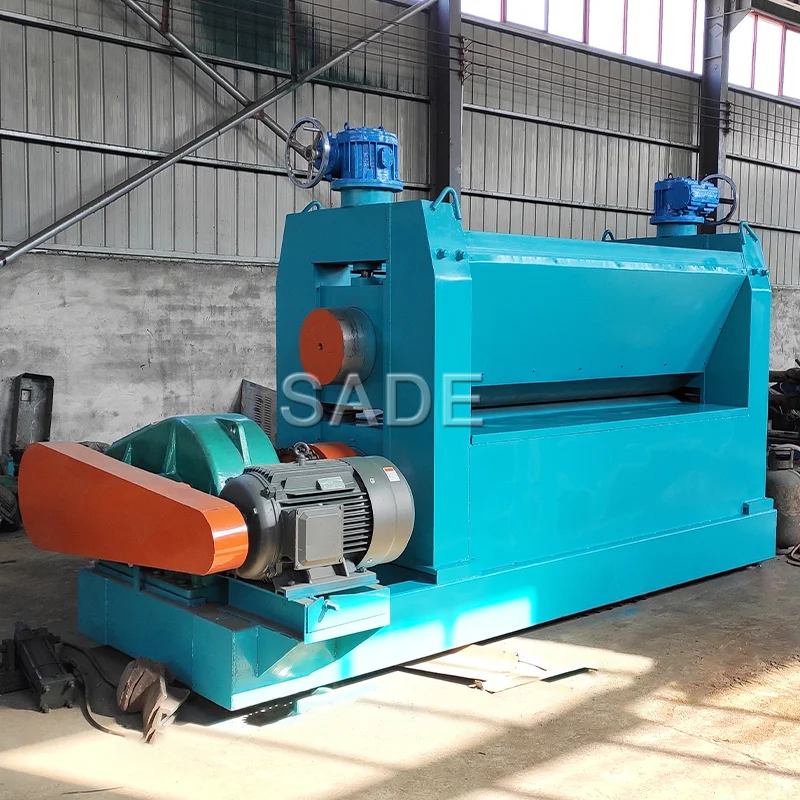
ZPJ Metal Mesh Flatting Machine
ZPJ metal mesh flatting machine is special designed for expanded metal flatting.It’s a corollary equipment of expanded metal machine. It can make expanded wire-mesh smoothly.And the flattened expanded metal have much more widely different applications.
Apr 24, 2026
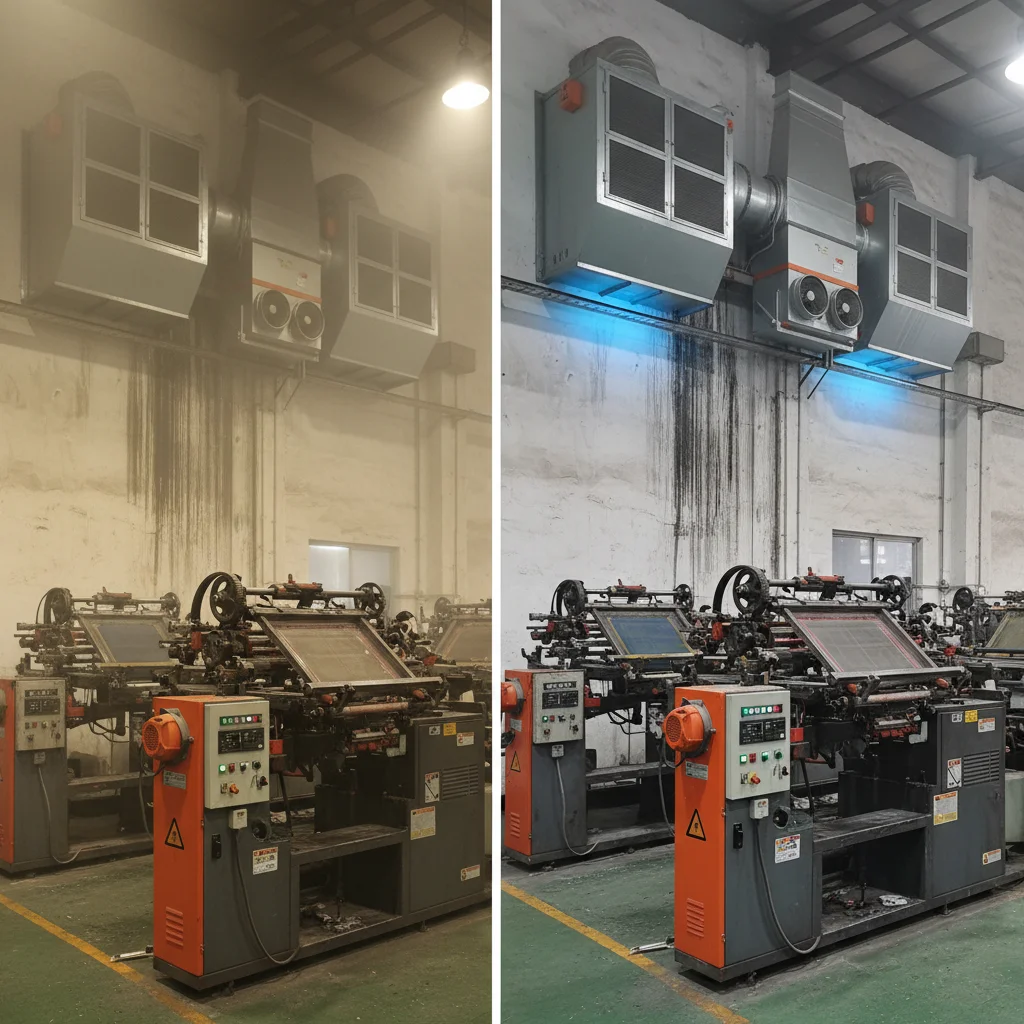
Industrial Wall Mounted Air Filtration for Clean Work Environments