
• Home
  • Global Service
  • HighEfficiency mesh welding machine Solutions for Indonesia’s Industrial Growth

High-Efficiency mesh welding machine Solutions for Indonesia's Industrial Growth

Empowering Indonesia's construction and mining sectors with precision-engineered wire mesh and expanded metal machinery tailored for tropical climates and heavy-duty applications.

High-Efficiency mesh welding machine Solutions for Indonesia's Industrial Growth

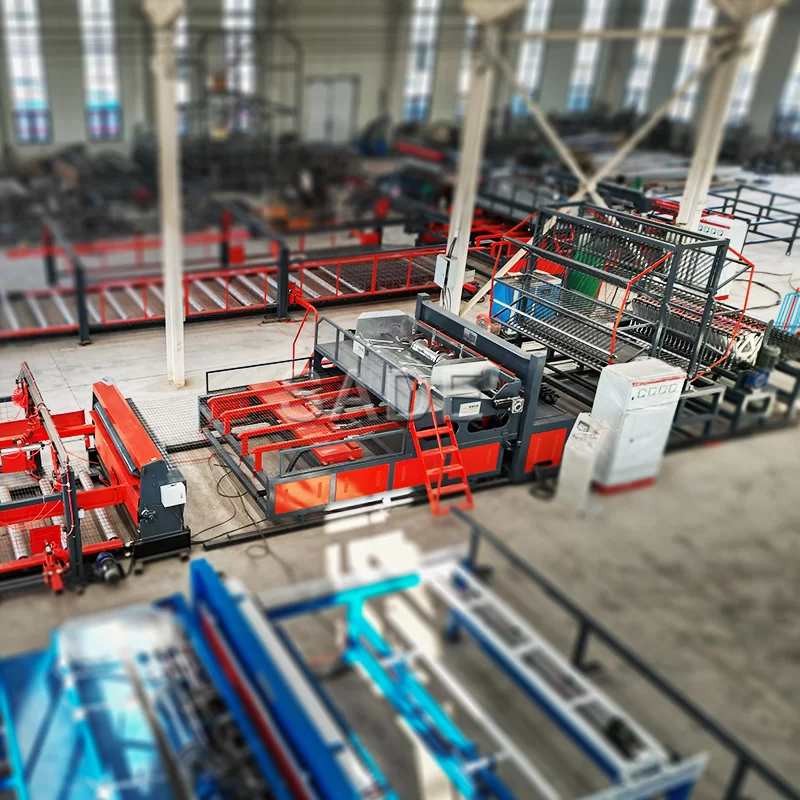
Providing the most reliable industrial-grade machinery to automate the production of reinforced mesh and expanded metal across the Indonesian archipelago, ensuring structural integrity and high production speed.

Current State of Mesh Manufacturing in Indonesia

Analyzing the intersection of infrastructure demand and machinery capabilities in Southeast Asia's largest economy.

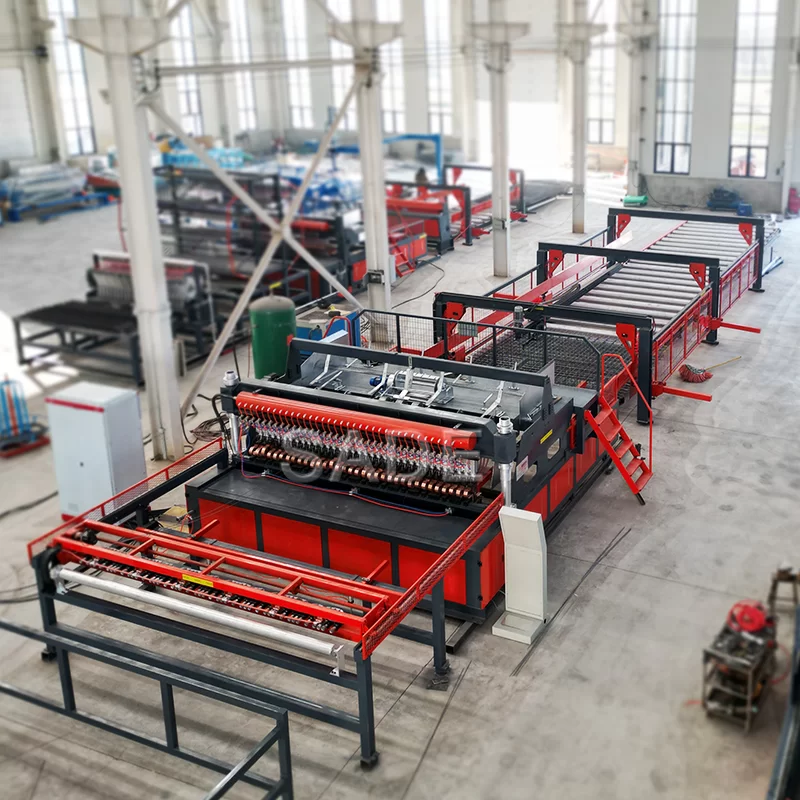
Indonesia's manufacturing landscape is currently experiencing a surge in demand for reinforced materials due to massive urban development and the "Making Indonesia 4.0" initiative. However, many local workshops still rely on semi-manual processes, creating a significant market gap for automated wire mesh welding machine technology to increase output and consistency.

The humid tropical climate of Indonesia poses unique challenges for machinery maintenance. Oxidation and corrosion are primary concerns, necessitating the use of high-grade alloys and specialized coatings on an expanded metal press to ensure long-term operational stability in coastal industrial zones like Bekasi or Surabaya.

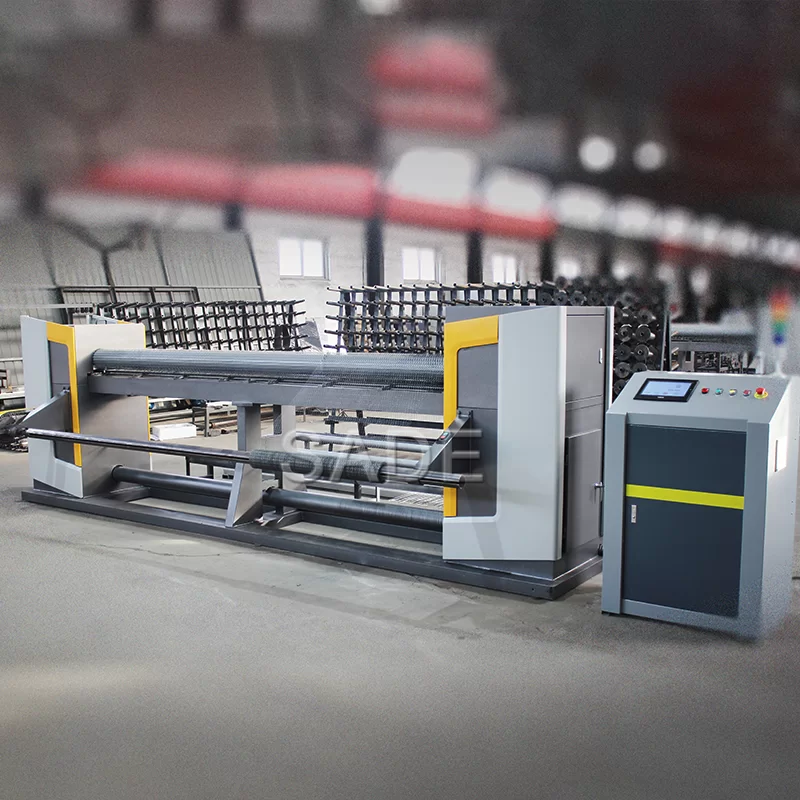
Economically, there is a strategic shift toward localized production of building materials to reduce import costs. This has led to an increased investment in versatile wire mesh weaving machine systems that can handle various wire gauges, supporting everything from agricultural fencing to high-strength industrial filters.
Evolution of Mesh Technology and Development Trajectory

From traditional manual weaving to the era of PLC-controlled automated precision.

Market Development History

In the early 2000s, the Indonesian market was dominated by manual weaving and spot welding, which were slow and lacked dimensional accuracy. Production was primarily fragmented across small-scale family enterprises focusing on simple garden mesh.

Between 2010 and 2018, the introduction of semi-automatic mesh welding machine units allowed for the production of standardized construction mesh. This period saw the transition from simple mechanical timers to basic electronic controls, increasing efficiency by nearly 40%.

Since 2019, the integration of CNC systems and high-frequency welding technology has revolutionized the industry. The adoption of the bender expanded metal machine has enabled the creation of complex 3D geometries, essential for the modern architectural facades seen in Jakarta's skyscrapers.

Future Development Trends

IoT-Integrated Monitoring

Future systems will integrate real-time sensors to monitor weld strength and wire tension, allowing Indonesian operators to reduce scrap rates through predictive maintenance.

Energy-Efficient Power Modules

With rising electricity costs, the shift toward inverter-based power sources in welding machinery will reduce energy consumption by 20-30% while maintaining high heat output.

Multi-Material Compatibility

Increased demand for anti-corrosive materials will drive the development of machines capable of processing stainless steel and galvanized coatings without compromising the weld integrity.

Industry Trends and Future Outlook

Strategic projections for the specialized equipment manufacturing sector in the Indonesian market.

Full Automation Shift
Transitioning from manual loading to fully automatic feeding and cutting systems to eliminate human error.
High-Precision Calibration
Integrating laser measurement tools to ensure mesh aperture accuracy within ±0.1mm for industrial filters.
Green Manufacturing
Implementing low-emission welding processes to comply with evolving Indonesian environmental regulations.
Customizable Modularity
Developing modular machine frames that can be easily upgraded as production scale increases.

Industry Outlook

Based on Google search trends for "industrial automation" and "construction machinery" in Southeast Asia, there is a projected 15% annual growth in the adoption of high-speed welding systems in Indonesia. The focus is shifting from simple output to "quality-per-watt," where energy efficiency becomes a competitive advantage.

We anticipate that the synergy between the metallurgical sector and machinery manufacturing will lead to a new generation of hybrid machines, combining the capabilities of a bender expanded metal machine and weaving units into a single integrated production line.

Localized Application Scenarios in Indonesia

Real-world implementations of our machinery across diverse Indonesian industries.

1. Infrastructure & Bridge Construction (Java-Bali)

Using high-capacity wire mesh welding machine units to produce heavy-duty reinforced steel mesh for highway overpasses and bridge foundations, ensuring seismic resistance in earthquake-prone regions.

2. Mining Safety & Filtration (Kalimantan & Papua)

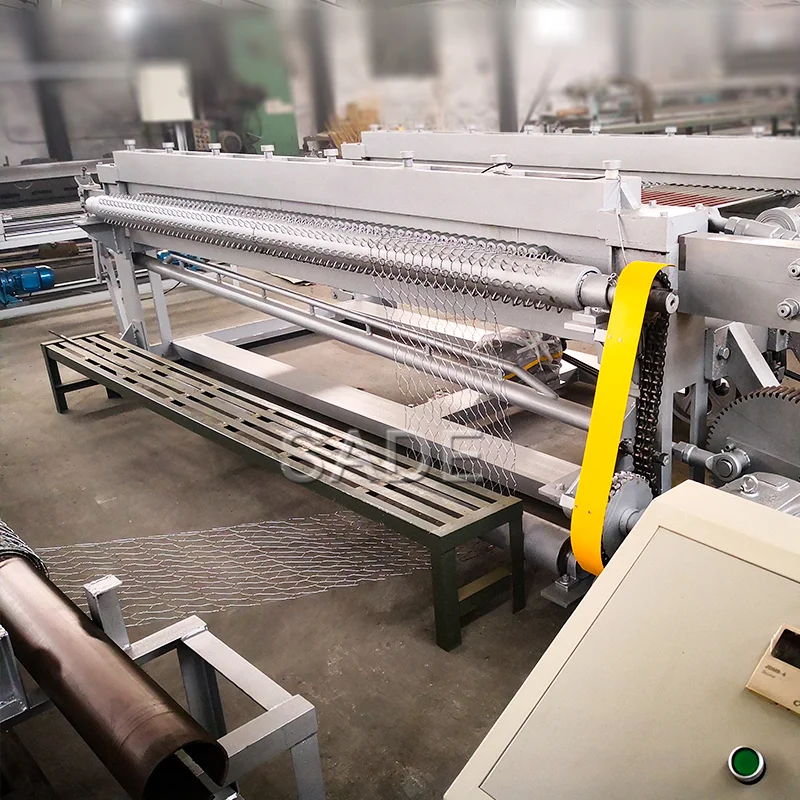
Deploying the wire mesh weaving machine to create high-strength screening mesh for mineral processing plants, capable of withstanding abrasive ores and harsh mining environments.

3. Architectural Facades & Interior Design (Jakarta)

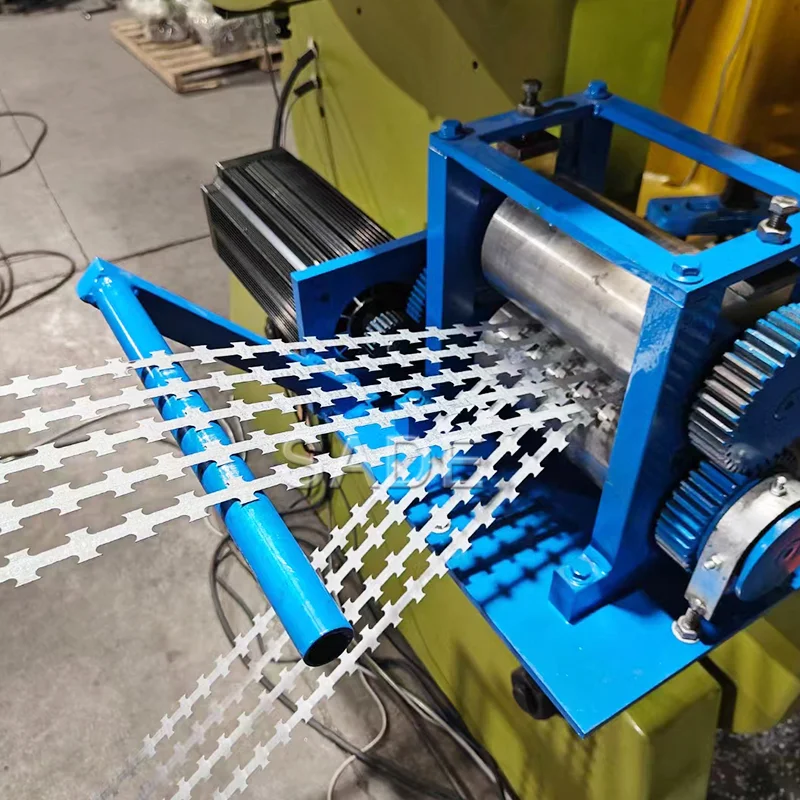
Utilizing the bender expanded metal machine to manufacture decorative yet secure metal panels for commercial malls and luxury hotels, blending aesthetics with security.

4. Agricultural Fencing & Livestock (Sumatra)

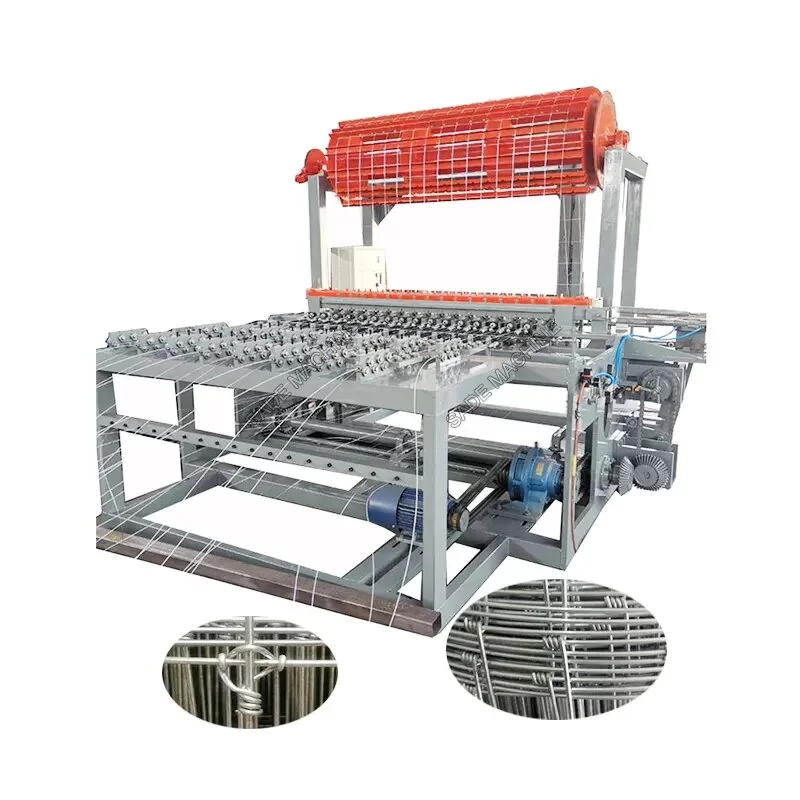
Implementing cost-effective mesh welding machine systems to produce large-scale galvanized fencing for palm oil plantations and livestock enclosures, reducing manual labor costs.

5. Industrial Walkways & Gratings (Surabaya Port)

Employing the expanded metal press to create slip-resistant industrial gratings and walkways for shipping terminals and chemical warehouses.

Brand Story

Global Development Journey of Hebei Sade Machinery Manufacturing Co., Ltd.

Foundational Excellence

Established with a focus on metallurgical precision, we began by solving the instability of weld points in basic wire mesh production.

Technological Breakthrough

Developed our first patented high-speed welding control system, drastically reducing production cycles for industrial mesh.

Global Market Expansion

Expanded our footprint into Southeast Asia, adapting our machinery to meet the specific electrical and environmental standards of the Indonesian market.

Innovation in Expanded Metal

Launched the advanced series of expanded metal presses, enabling clients to produce complex shapes with zero material waste.

Vision for Industry 4.0

Currently leading the transition toward smart manufacturing by integrating AI-driven diagnostics into every piece of equipment we ship globally.

Comprehensive Mesh Machinery Portfolio for Indonesia

A full range of equipment designed to cover every stage of wire mesh and expanded metal production.

Frequently Asked Questions for Indonesian Clients

Expert answers to common technical and logistical queries regarding mesh machinery.

Which wire mesh welding machine is best for high-humidity environments in Indonesia?

We recommend our specialized corrosion-resistant series which features upgraded sealing for electrical components and rust-proof coating on the frame to prevent degradation in tropical climates.

Can a mesh welding machine handle both galvanized and stainless steel wires?

Yes, our versatile machines allow for adjustable current and pressure settings, making them compatible with various materials including galvanized, stainless steel, and black annealed wire.

What is the difference between a bender expanded metal machine and a standard press?

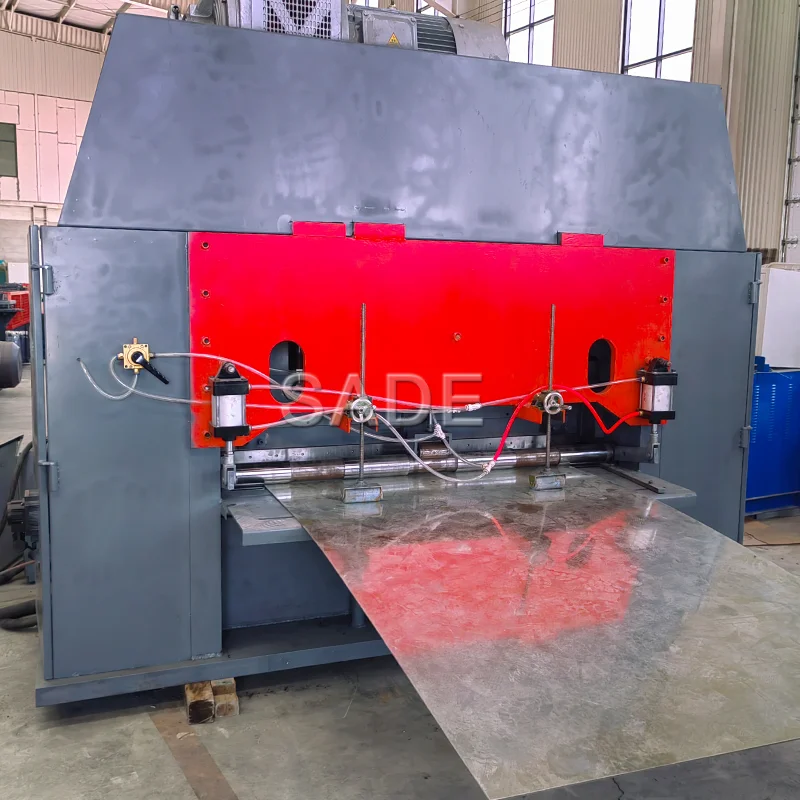
A standard expanded metal press focuses on the slitting and stretching of the sheet, while a bender expanded metal machine adds the capability to shape the finished mesh into specific angles or curves.

How do I maintain my wire mesh weaving machine to ensure long-term accuracy?

Regular lubrication of the moving parts and daily calibration of the tensioning system are crucial. We provide a detailed maintenance schedule tailored to the industrial environment of Indonesia.

What is the typical lead time for shipping an expanded metal press to Jakarta?

Production typically takes 15-30 days, with sea freight to Jakarta usually taking an additional 2-4 weeks depending on the shipping line and customs clearance.

Does the machine come with a PLC system for automated production?

Yes, all our modern industrial models are equipped with PLC control systems that allow for easy programming of mesh size, quantity, and welding time.

Ready to Upgrade Your Production?

Contact our engineering team today for a customized machinery consultation tailored to your business needs in Indonesia.

Contact Us Now