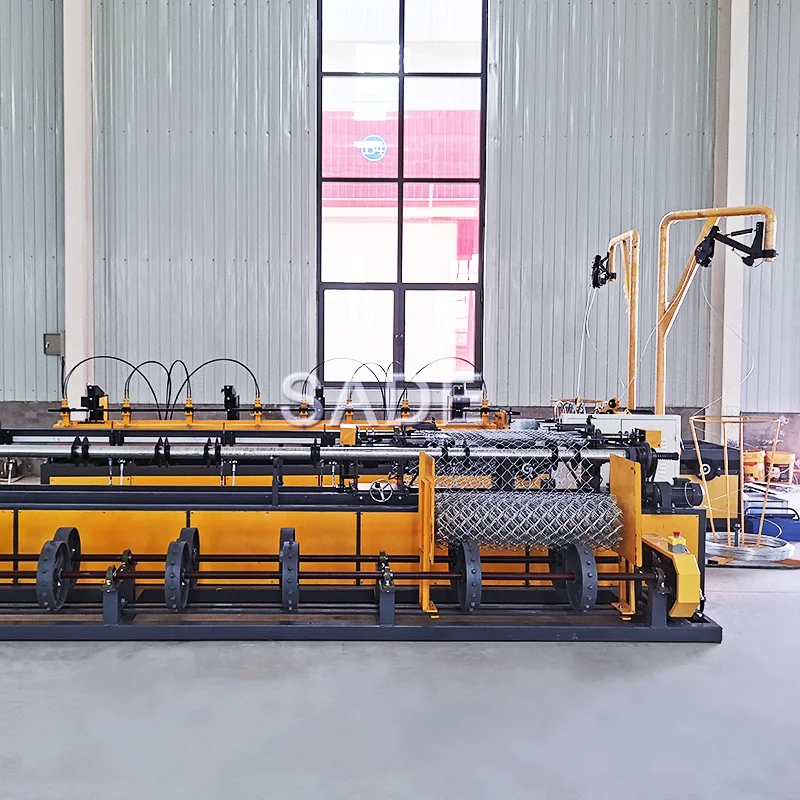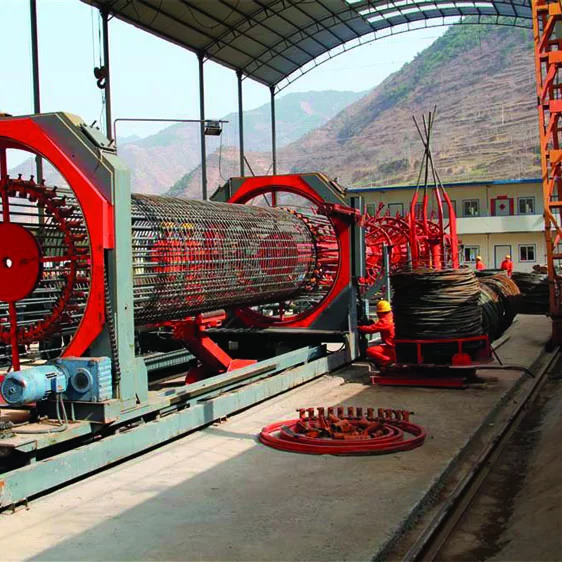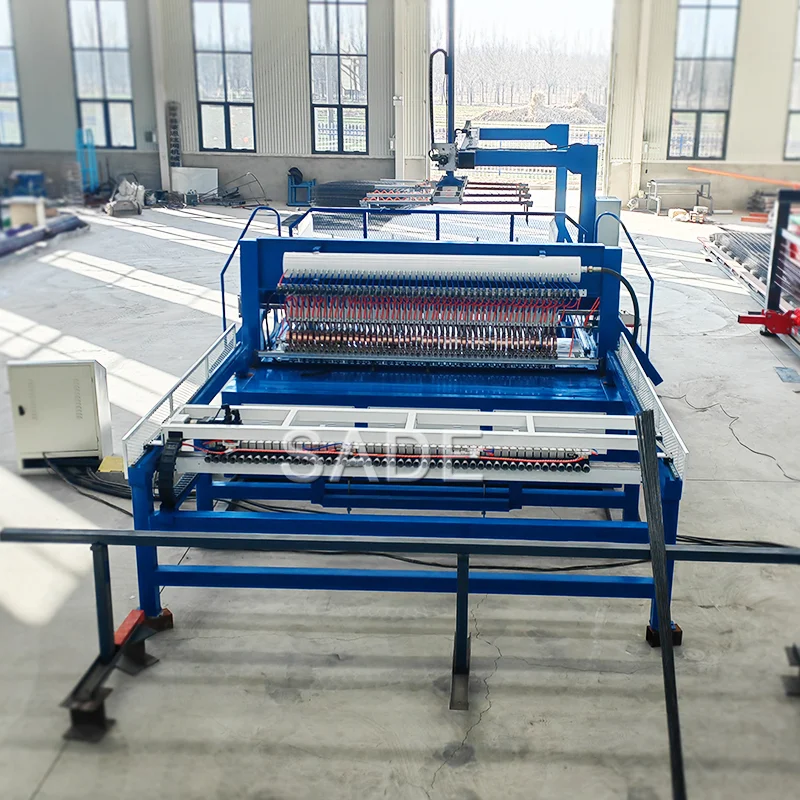

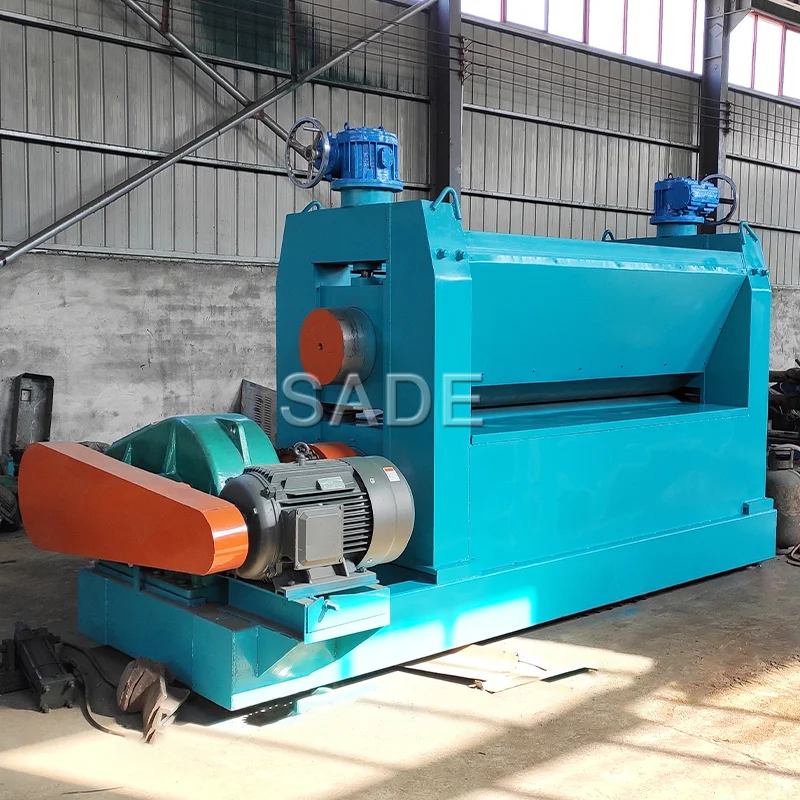
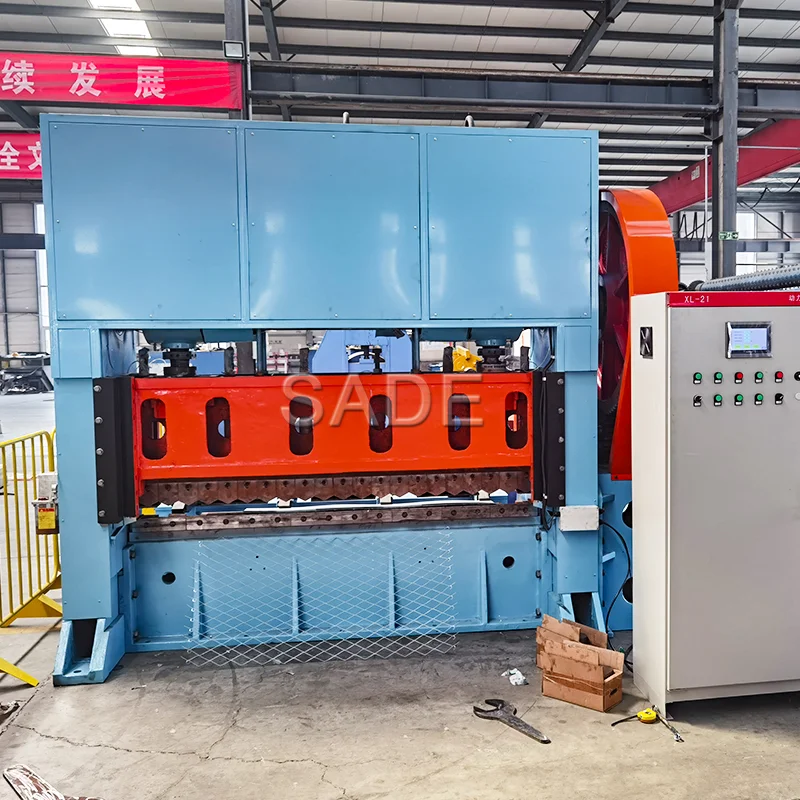
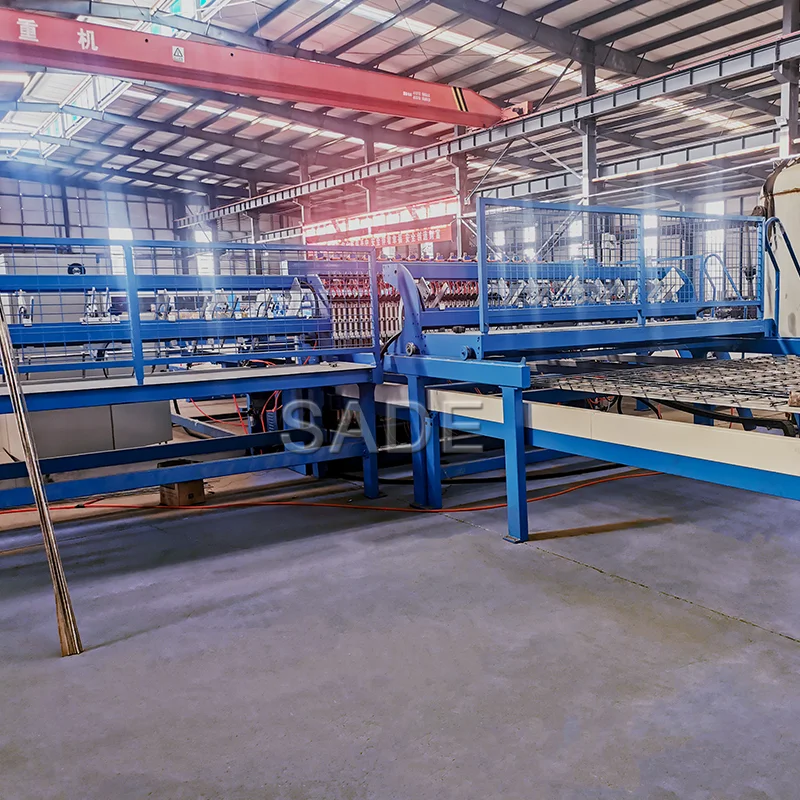
The Russian manufacturing landscape is characterized by a strong legacy of heavy metallurgy, yet it currently faces a critical transition toward automation. In regions like the Urals and Siberia, the demand for a robust wire mesh welding machine has surged as infrastructure projects require reinforced steel mesh that can withstand extreme temperature fluctuations ranging from -40°C to +40°C.
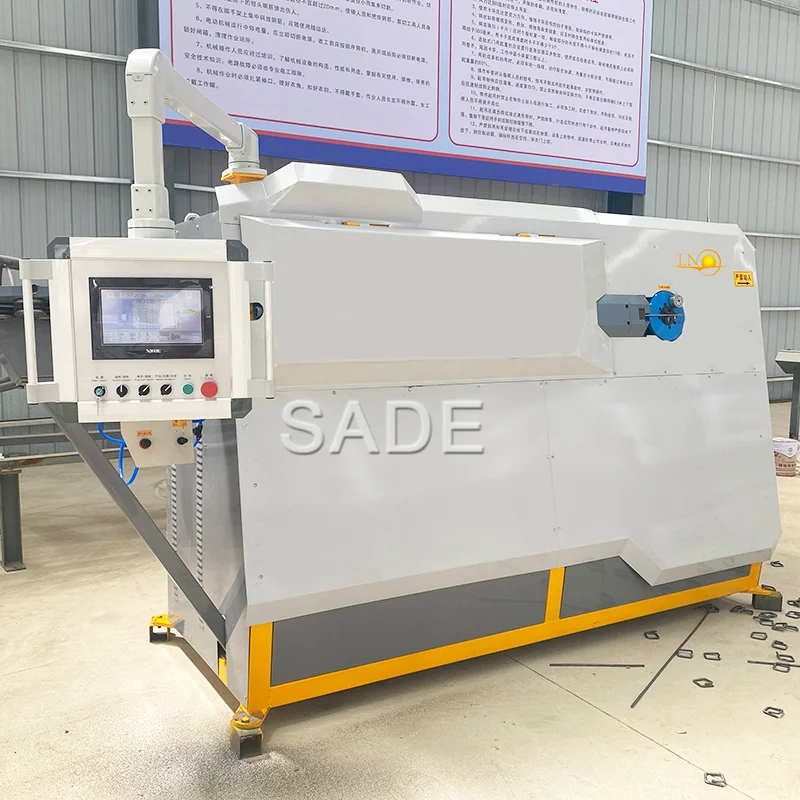
Economic shifts have led local producers to seek higher efficiency to reduce labor costs. The adoption of the mesh welding machine has evolved from manual spot welding to fully automated CNC systems, allowing Russian factories to compete on a global scale while maintaining the structural integrity required for mining and oil-gas pipelines.
Furthermore, the specialized needs of the Russian aerospace and defense sectors have driven a demand for high-precision wire mesh weaving machine units. These machines must handle high-tensile alloys and maintain strict tolerances, pushing the local industry toward integrated smart-manufacturing ecosystems.