
• Home
  • Global Service
  • Advanced mesh welding machine Solutions for Hungary’s Industrial Sector

Advanced mesh welding machine Solutions for Hungary's Industrial Sector

Empowering Hungarian metallurgy and construction with high-precision automated welding and weaving technology to enhance productivity and structural integrity.

Advanced mesh welding machine Solutions for Hungary's Industrial Sector

Providing state-of-the-art equipment for the Hungarian market, specializing in the manufacturing of durable wire mesh for infrastructure, agriculture, and industrial filtration.

Industrial Landscape of Mesh Production in Hungary

Analyzing the current state of specialized equipment manufacturing within the Central European hub.

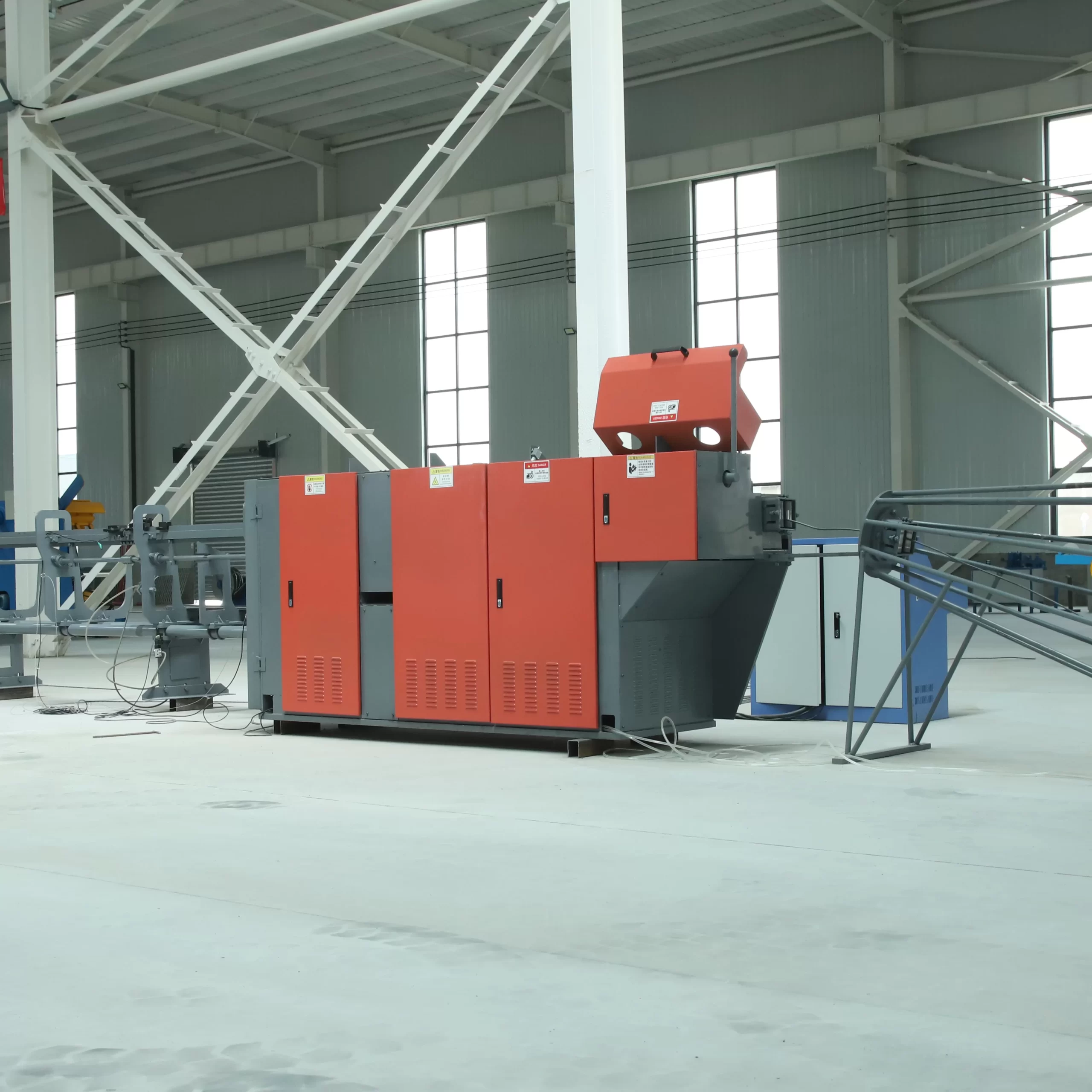
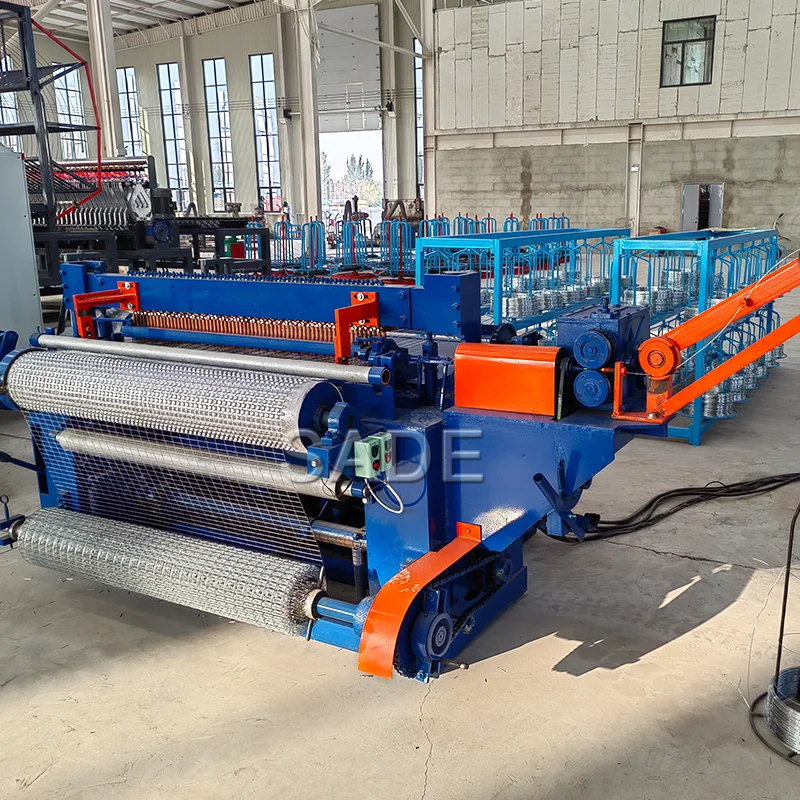
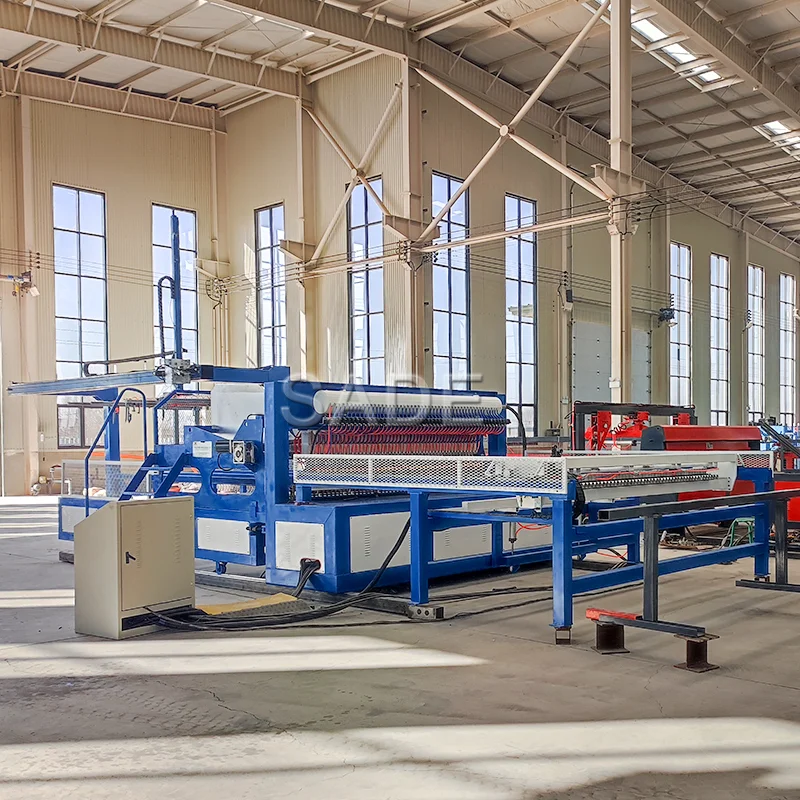
Hungary's manufacturing sector, particularly in the metallurgical and mechanical engineering domains, is currently undergoing a transition toward high-automation. The demand for a robust wire mesh welding machine has increased as the local construction industry shifts toward prefabricated reinforced concrete and modular fencing systems to meet EU efficiency standards.

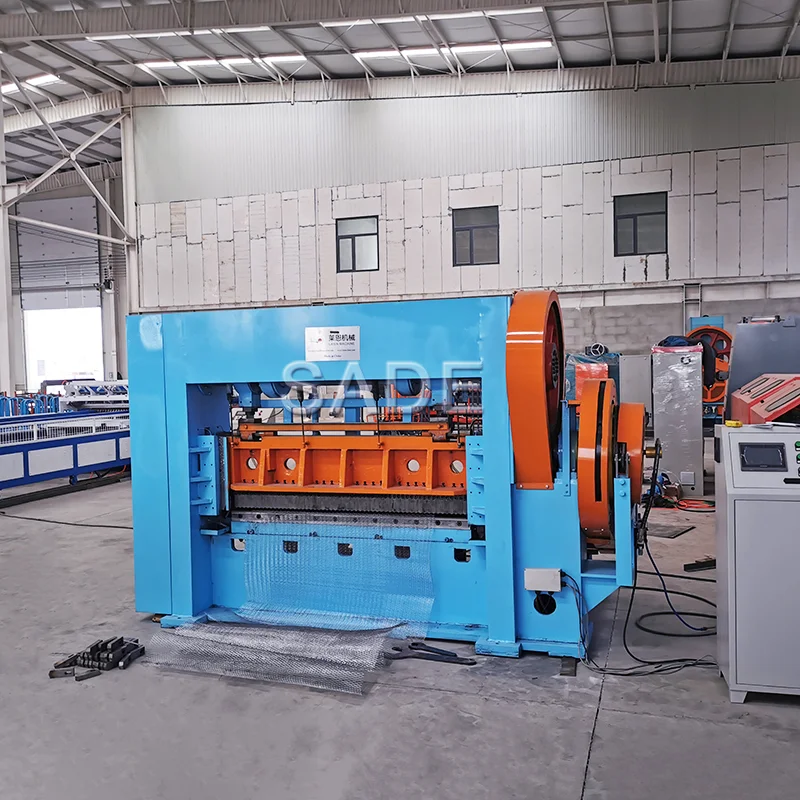
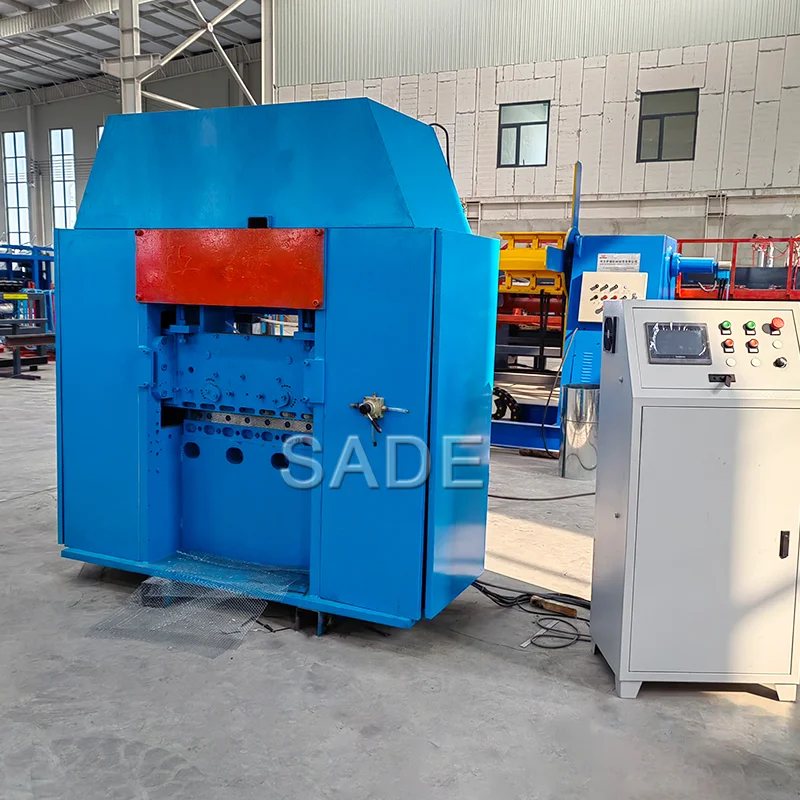
The geographic positioning of Hungary as a logistics hub in Europe creates a unique competitive environment. Local producers are facing pressure to reduce labor costs while increasing output precision. Consequently, the adoption of a professional expanded metal press has become essential for producing lightweight yet high-strength gratings used in the region's automotive and industrial flooring projects.

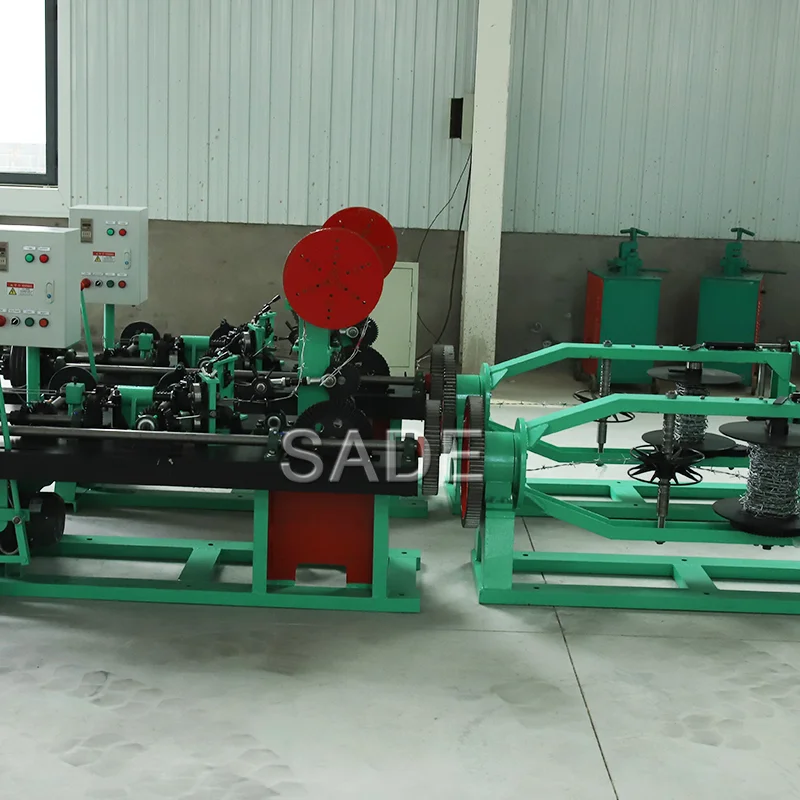
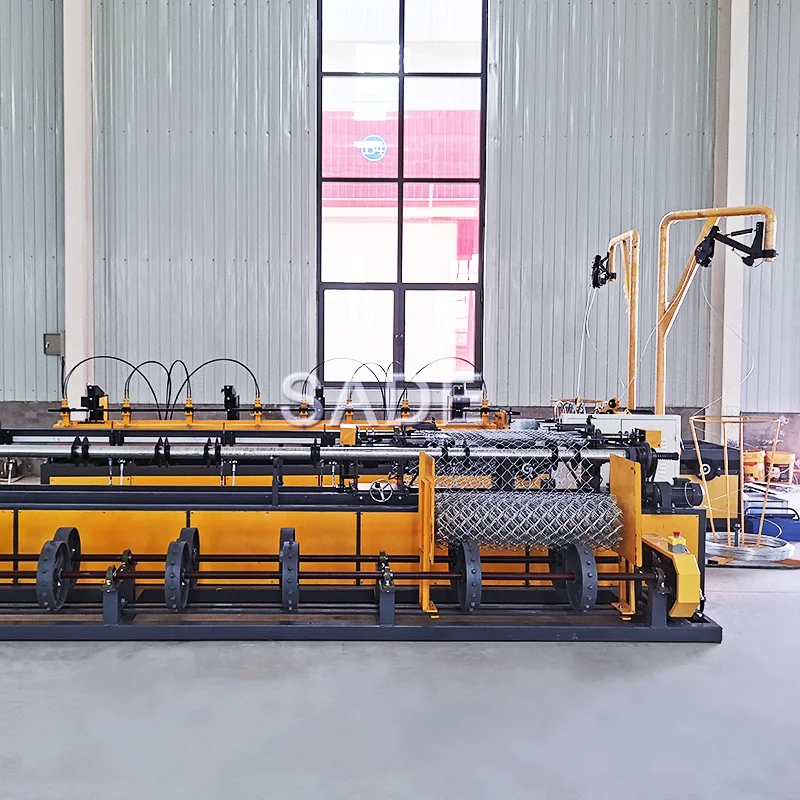
Despite the presence of traditional workshops, there is a visible gap in the availability of multi-functional equipment. Many Hungarian enterprises are seeking to upgrade from manual processes to automated wire mesh weaving machine systems to maintain competitiveness against larger Western European exporters.
Evolution of Mesh Manufacturing Technology in Hungary

From manual weaving to the era of intelligent automation and digital control.

Market Development History

In the late 20th century, the Hungarian mesh industry relied heavily on mechanical looms and manual spot welding. These traditional methods were sufficient for small-scale agricultural fencing but lacked the precision required for industrial-grade filtration or structural reinforcement.

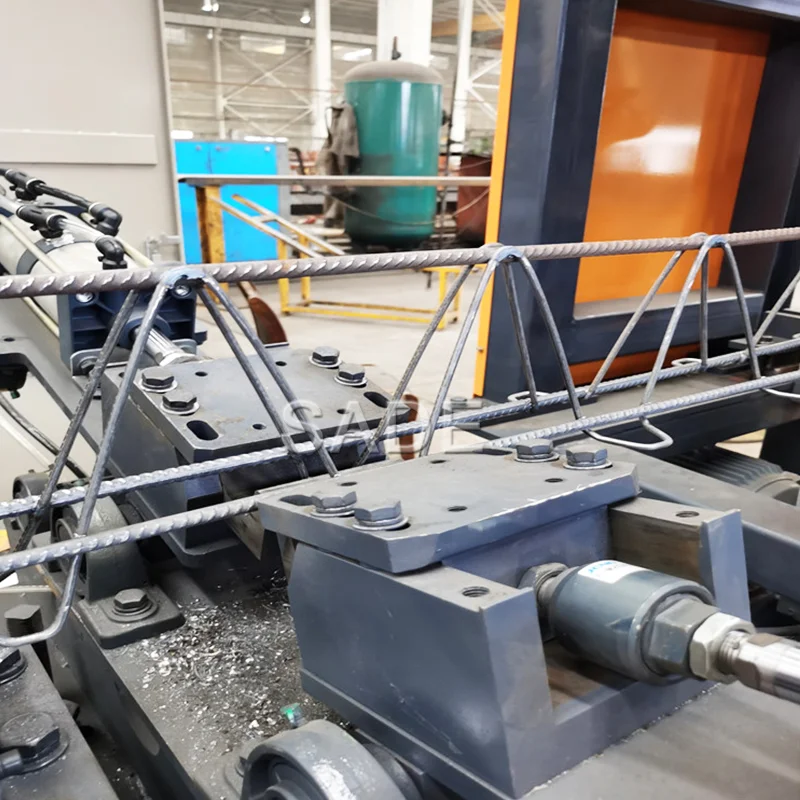
Between 2000 and 2015, the introduction of PLC-controlled systems marked a significant turning point. The transition to early-generation mesh welding machine models allowed for consistent weld quality and faster production cycles, aligning with the growth of Hungary's automotive supply chain.

From 2016 to the present, the focus has shifted toward "Smart Manufacturing." The integration of servo-motor drives and high-frequency inverter technology has enabled the production of complex patterns, making the bender expanded metal machine a staple in high-end architectural mesh production.

Future Development Trends

Industry 4.0 Integration

Future systems will feature IoT connectivity, allowing Hungarian plant managers to monitor real-time production data and predictive maintenance for their welding lines.

Sustainable Energy Efficiency

New equipment is focusing on reducing energy consumption per weld, utilizing advanced capacitors to lower the carbon footprint of metal processing in accordance with EU Green Deal goals.

Precision Customization

There is a growing trend toward small-batch, high-precision customized meshes, requiring machines with rapid change-over capabilities and digital pattern libraries.

Industry Trends and Future Outlook

Strategizing the trajectory of metal mesh equipment in the Hungarian market.

Automated Precision
Shift toward fully autonomous welding lines to eliminate human error in structural mesh production.
Material Diversification
Increased use of galvanized and stainless steel alloys requiring specialized high-frequency welding.
Green Manufacturing
Implementation of energy-saving power sources to meet strict European environmental regulations.
Digitalized Control
Adoption of touch-screen interfaces and cloud-based programming for rapid design iteration.

Industry Outlook

Based on Google search trends for the CEE region, there is a rising query volume for "automated mesh production" and "high-efficiency welding," indicating that Hungarian manufacturers are actively seeking to replace legacy machinery with high-throughput systems.

The synergy between the automotive industry's growth in Hungary and the need for specialized industrial gratings will likely drive the market toward integrated solutions that combine weaving, welding, and expanding capabilities in a single facility.

Localized Application Scenarios in Hungary

Practical implementations of mesh technology across various Hungarian industrial sectors.

01. Infrastructure and Civil Engineering

Using a high-output wire mesh welding machine to produce reinforcement mesh for highway expansions and bridge construction across the Danube region, ensuring seismic stability.

02. Agricultural Fencing and Protection

Deployment of the wire mesh weaving machine to manufacture heavy-duty livestock fencing and crop protection nets tailored for the fertile plains of the Great Hungarian Plain.

03. Automotive Plant Flooring

Utilizing an expanded metal press to create non-slip industrial walkways and ventilation grates for the large-scale battery and vehicle plants in Debrecen and Győr.

04. Architectural Facade Design

Applying the bender expanded metal machine to produce decorative and functional exterior cladding for modern commercial buildings in Budapest, balancing aesthetics with durability.

05. Industrial Filtration Systems

Manufacturing precise micron-level filter mesh for Hungary's chemical and pharmaceutical industries, utilizing advanced weaving technology to ensure purity and flow control.

Brand Story

Global Development History of Hebei Sade Machinery Manufacturing Co., Ltd.

Foundational Excellence

Started as a specialized workshop focusing on the core mechanics of metal joining, we dedicated our first decade to mastering the stability of welding currents.

Technological Breakthrough

Developed the first generation of fully automated PLC controls, solving the common pain point of inconsistent weld strength in large-scale industrial mesh.

Global Market Expansion

Extended our reach into the European market, adapting our machinery to meet CE standards and the rigorous quality requirements of EU manufacturers.

Innovation Hub Establishment

Launched a dedicated R&D center to explore the integration of AI and IoT in mesh welding, focusing on energy efficiency and waste reduction.

Commitment to Hungary

Established a focused service network for Central Europe, ensuring Hungarian clients receive rapid technical support and customized equipment configuration.

Comprehensive Mesh Equipment Portfolio for Hungary

A full suite of machinery designed to cover every stage of wire mesh production, from raw wire weaving to precision expanding.

Common Questions for Hungarian Mesh Manufacturers

Expert answers to technical and operational queries regarding mesh machinery.

How to choose the right wire mesh welding machine for construction mesh?

For construction, focus on the welding speed and the thickness of the wire the machine can handle. We recommend a high-power PLC-controlled system that ensures consistent weld penetration across large sheets.

What is the difference between a mesh welding machine and a weaving machine?

A welding machine uses electrical resistance to fuse wires at intersection points, while a weaving machine interlaces wires in a cross-pattern. Welding is typically used for structural rigidity, while weaving is for filtration or fencing.

Can a bender expanded metal machine handle stainless steel?

Yes, provided the machine is equipped with high-strength alloy dies and a powerful hydraulic press system capable of overcoming the higher tensile strength of stainless steel.

How does an expanded metal press improve production efficiency?

An expanded metal press automates the slitting and stretching process in one operation, eliminating the need for separate cutting and bending stages, which significantly reduces labor costs.

What maintenance is required for a wire mesh weaving machine?

Regular lubrication of the shuttle and loom components, periodic tension checks on the wire feed system, and software updates for the control unit are essential for long-term precision.

Are these machines compliant with European safety standards?

All our equipment exported to Hungary is designed to meet CE safety certifications, including emergency stop systems, protective guarding, and electrical grounding specifications.

Ready to Optimize Your Production?

Consult with our engineers to find the perfect mesh machinery solution tailored for your operations in Hungary.

Contact Us Now