
• Home
  • Global Service
  • Advanced expanded metal press Solutions for Poland’s Industrial Sector

Advanced expanded metal press Solutions for Poland's Industrial Sector

Empowering Polish metallurgical and construction enterprises with high-precision automated mesh production technology to drive industrial efficiency.

Advanced expanded metal press Solutions for Poland's Industrial Sector

Providing Poland with cutting-edge machinery for high-strength wire mesh and expanded metal production, optimizing the workflow from raw material to finished industrial grids.

Industrial Landscape of Mesh Production in Poland

Analyzing the current state of specialized equipment manufacturing within the Polish metallurgical market.

Poland's manufacturing sector, particularly in regions like Silesia, maintains a strong tradition of metallurgy. However, the current reliance on legacy wire mesh weaving machine technology often leads to bottlenecks in productivity and higher energy consumption, which is a critical concern given the rising electricity costs in Central Europe.

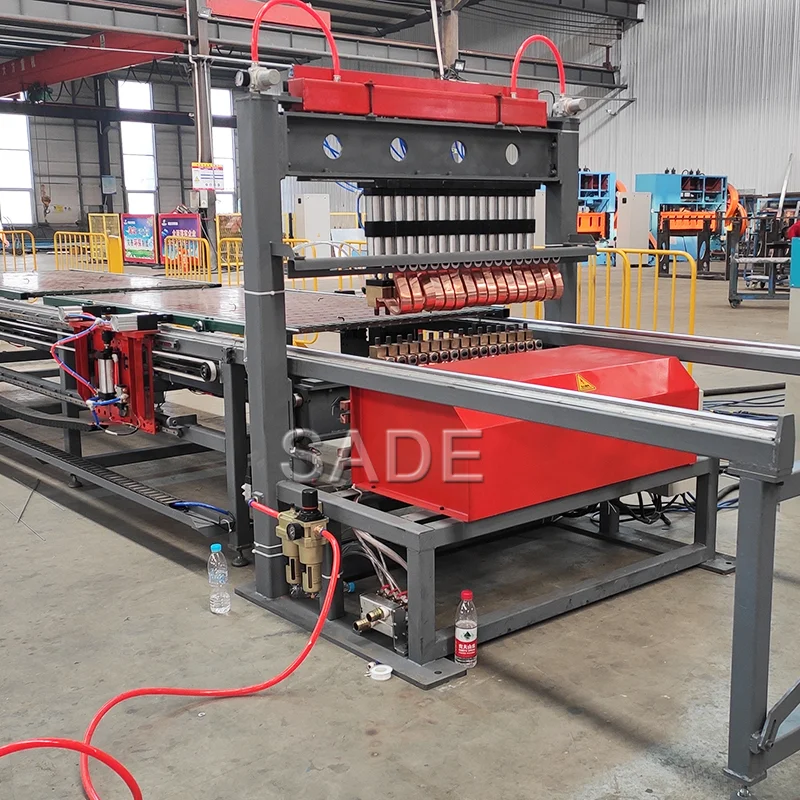
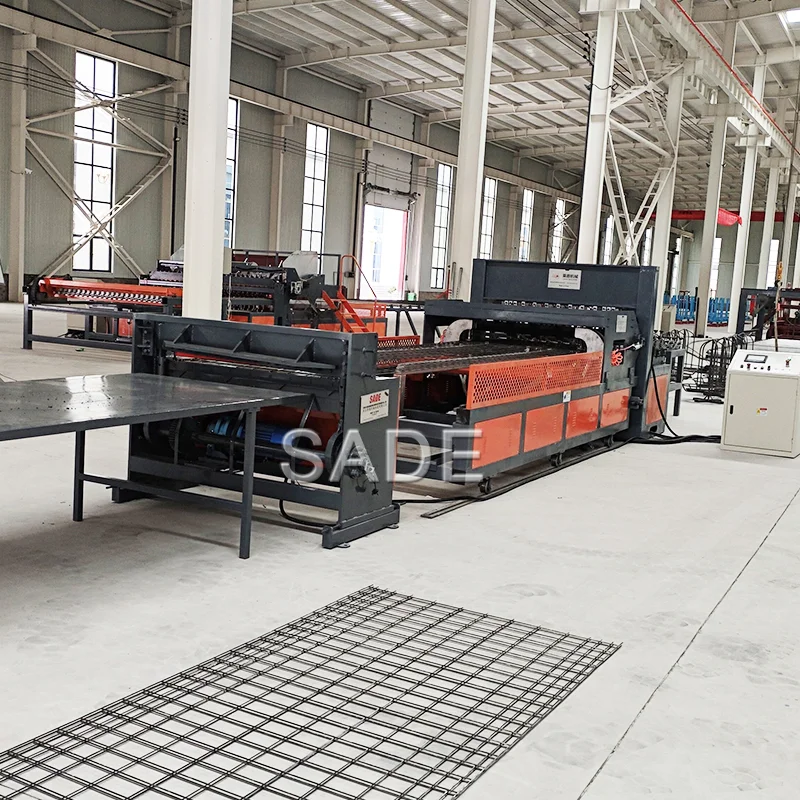
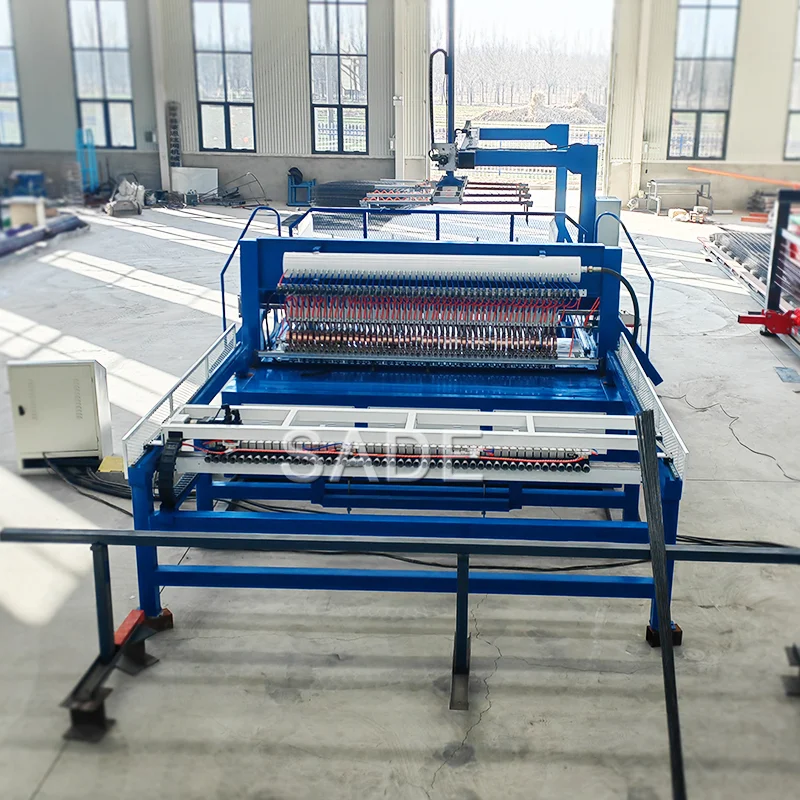
The demand for precision-engineered fencing and industrial filtering is surging. Polish factories are increasingly transitioning toward automated mesh welding machine systems to meet the rigorous quality standards required for EU-wide exports, moving away from manual spot-welding processes.

Economic shifts toward green energy and infrastructure modernization in Poland have created a void for high-performance equipment. There is a significant gap between the available traditional presses and the need for an intelligent bender expanded metal machine capable of handling high-tensile alloys used in modern Polish architecture.
Evolution of Wire Mesh Technology in Poland

From traditional mechanical weaving to AI-driven precision welding.

Market Development History

In the 1990s, the Polish market was dominated by heavy mechanical looms. The early phase focused on volume over precision, utilizing basic wire mesh weaving machine setups that required extensive manual labor for alignment and cutting.

Between 2005 and 2015, the introduction of PLC (Programmable Logic Controllers) revolutionized the sector. This era saw the rise of the wire mesh welding machine, allowing Polish manufacturers to produce consistent grid sizes for the booming construction and reinforcement sectors.

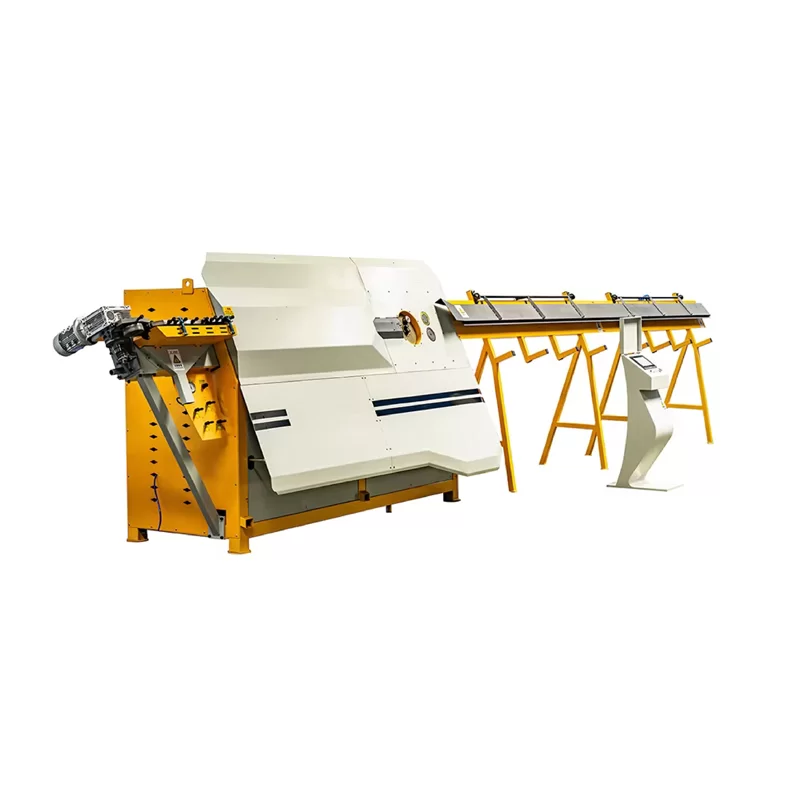
Since 2018, the focus has shifted toward material versatility. The integration of servo-drive systems has enabled the bender expanded metal machine to produce complex geometries, catering to the high-end aesthetic and functional requirements of the modern automotive and aerospace industries in Poland.

Future Development Trends

Industry 4.0 Integration

The transition toward "Smart Factories" in Poland will involve IoT-enabled monitoring of mesh welding parameters to reduce waste and predict maintenance needs.

Energy-Efficient Power Sources

Future machinery will adopt inverter-based welding technology to align with the European Green Deal, drastically reducing the carbon footprint of mesh production.

High-Precision Alloy Processing

Increased demand for stainless steel and titanium alloys will drive the development of ultra-hardened tooling for expanded metal presses.

Future Trends and Strategic Outlook

Predicting the trajectory of specialized equipment manufacturing for the Polish market.

AI-Driven Optimization
Implementation of AI to optimize welding currents and press pressure in real-time to ensure zero-defect production.
Modular Hardware Design
Shifting toward modular machinery that allows Polish SMEs to scale production capacity without replacing entire lines.
Sustainable Materials
Increasing compatibility with recycled steel wires to support Poland's circular economy objectives.
Ultra-High Speed Processing
Developing next-generation welding heads that reduce cycle times by 30% for high-volume Polish construction projects.

Industry Outlook

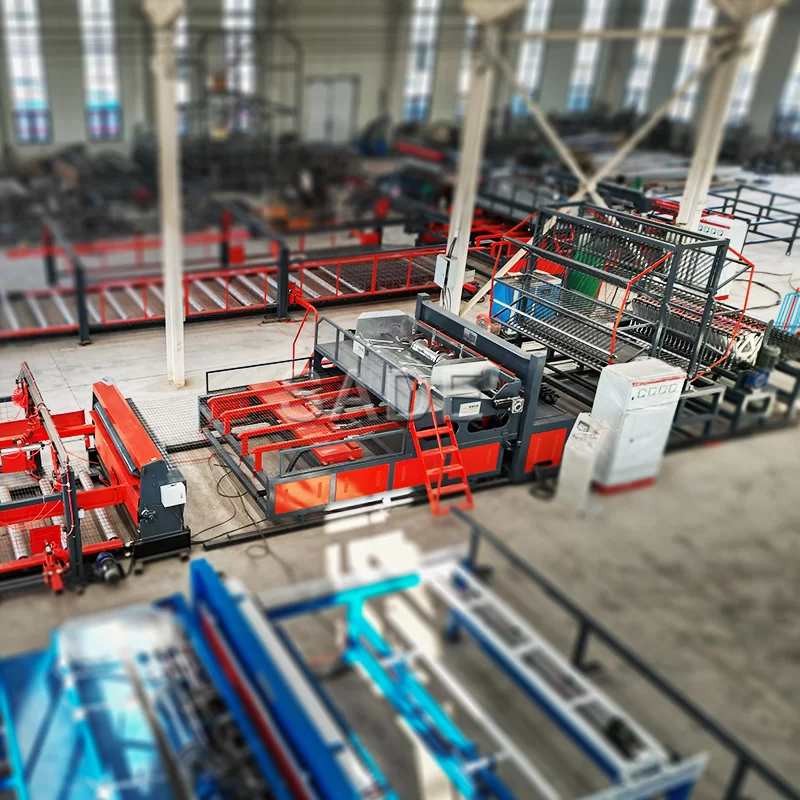
Based on search trends for "automated metal processing" in Central Europe, there is a clear pivot toward integrated production lines. We expect Polish firms to move away from standalone machines toward fully synchronized systems where weaving, welding, and pressing are linked by robotic transfer arms.

The synergy between Poland's strategic location as a logistics hub and the adoption of high-efficiency machinery will likely position the country as the primary exporter of high-quality wire mesh products to the rest of the European Union over the next five years.

Localized Application Scenarios in Poland

Real-world implementations of mesh machinery across various Polish industrial sectors.

1. Infrastructure Reinforcement in Warsaw

Using high-capacity mesh welding machine units to produce heavy-duty reinforcement mesh for the expansion of the Warsaw Metro and urban bridge projects, ensuring seismic stability.

2. Agricultural Fencing in Greater Poland

Deploying precision wire mesh weaving machine technology to create durable, corrosion-resistant livestock fencing tailored for the large-scale farming estates in the Wielkopolska region.

3. Automotive Grilles in Silesia

Utilizing the bender expanded metal machine to manufacture intricate, lightweight radiator grilles and interior panels for Poland's growing automotive component industry.

4. Industrial Filtration in Łódź

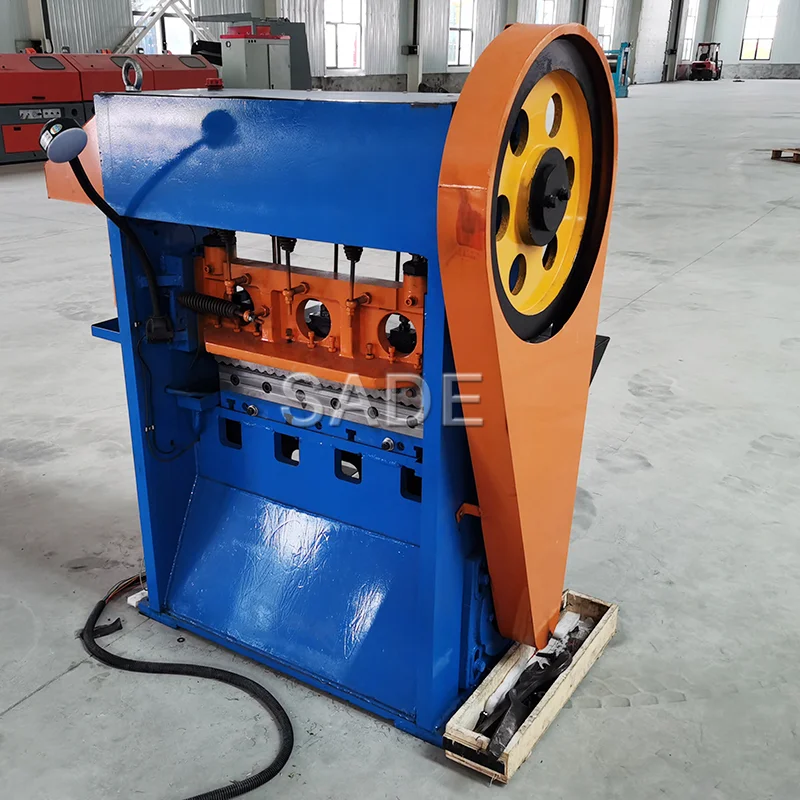
Implementing an advanced expanded metal press to create high-precision filter screens for the chemical and textile processing plants located in the Łódź industrial hub.

5. Architectural Facades in Kraków

Customizing expanded metal patterns via specialized pressing equipment for modern architectural cladding in Kraków's business districts, combining structural strength with aesthetic transparency.

Brand Story

Global Development Journey of Hebei Sade Machinery Co., Ltd.

The Engineering Foundation

Founded on the principle of metallurgical excellence, we began by solving the fundamental instability of traditional wire welding, creating the first generation of precision controllers.

Technological Breakthroughs

We pioneered the integration of servo-motor technology into mesh machinery, reducing energy consumption by 25% while increasing production speed for our global clients.

Expanding to the European Market

Recognizing the need for precision in the EU, we tailored our equipment to meet CE standards, establishing a strong presence in the Polish and German industrial sectors.

Commitment to Sustainability

We evolved our product line to include energy-saving inverter systems, helping manufacturers worldwide reduce their carbon footprint without sacrificing output.

Vision for the Future

Our mission is to lead the "Smart Mesh" revolution, blending AI and robotics to eliminate manual errors in the specialized equipment manufacturing industry.

Comprehensive Mesh Machinery Portfolio for Poland

A full suite of professional equipment designed to optimize every stage of metal mesh production.

Common Questions for Polish Industrialists

Expert answers to the most technical queries regarding mesh production equipment.

How does a wire mesh welding machine improve production efficiency in Poland?

By automating the positioning and welding process, these machines eliminate manual measurement errors and increase the output rate by up to 400% compared to traditional manual welding.

What is the difference between a bender expanded metal machine and a standard press?

A bender expanded metal machine integrates both cutting and bending actions in one cycle, allowing for the creation of 3D mesh structures, whereas a standard press is typically limited to 2D flattening and shearing.

Can a mesh welding machine handle stainless steel wires?

Yes, our high-end models feature adjustable current controllers and specialized electrodes designed specifically for the high resistance of stainless steel and other alloy wires.

Which expanded metal press is best for architectural facades in Poland?

For architectural use, we recommend our precision hydraulic presses that offer micron-level control over the mesh aperture, ensuring a perfectly uniform visual pattern.

Is the wire mesh weaving machine compatible with recycled wire?

Yes, provided the recycled wire meets the minimum tensile strength and diameter consistency requirements, our weaving machines can be calibrated to process eco-friendly materials.

What maintenance is required for a high-speed mesh welding machine?

Regular electrode dressing, cooling system checks, and lubrication of the mechanical feed system every 500 operating hours are essential to maintain precision and longevity.

Ready to Upgrade Your Production Line?

Contact our technical experts today for a customized equipment consultation tailored to your factory's needs in Poland.

Contact Us Now