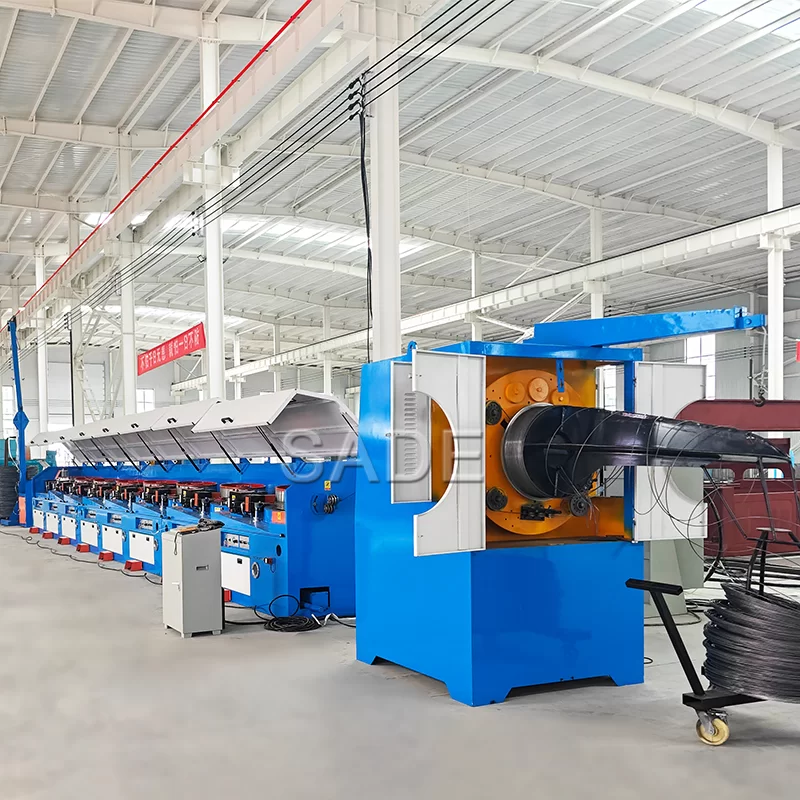
For industrial operators requiring high-precision filtration and specialized architectural screening, the transition from raw metallic sheets to high-performance expanded metal elements requires more than just basic machinery. The 6.3T Expanded Metal Filter Element Production Line represents a sophisticated engineering response to the need for consistency in light expanded metal mesh production. By integrating automated PLC controls with a robust mechanical architecture, this system eliminates the variability often found in manual punching processes, ensuring that every filter element meets stringent global engineering standards.
Whether the goal is producing intricate stereo shields for audio equipment or durable industrial filters, the technical challenge lies in maintaining precise opening sizes and material thickness across large batches. This production line addresses these challenges by offering versatile material support—ranging from stainless steel to nickel alloys—and a synchronized pneumatic system that ensures structural stability during high-speed operation. For those evaluating crimped wire mesh machine manufacturers or expanded metal solutions, understanding the synergy between digital precision and mechanical durability is key to optimizing operational throughput.

The 6.3T production line is engineered as a high-precision industrial solution specifically for the manufacturing of light expanded metal mesh. At its core, the system utilizes a sophisticated combination of a 4kW motor and a PLC (Programmable Logic Controller) to manage the feeding and cutting cycles. This digital integration allows operators to set mesh lengths and feeding distances with extreme accuracy, reducing the margin of error that typically leads to material waste in traditional setups.
One of the standout technical features is the pneumatic clutch system. In heavy-duty manufacturing, mechanical vibration can lead to misalignment and premature wear of the cutters. The pneumatic clutch minimizes these shocks, ensuring that the machine operates smoothly even at speeds of 280-320 pieces per minute. This stability is critical when processing thinner materials (down to 0.15 mm) where slight fluctuations in pressure could result in inconsistent mesh openings.

The versatility of the 6.3T line makes it an essential asset for businesses operating across multiple industrial sectors. In the filtration industry, the ability to precisely control the expanded opening size allows for the creation of high-efficiency filter elements that can be tailored to specific micron requirements. This is particularly vital for chemical processing and water treatment applications where filtration consistency directly impacts product quality.
Beyond industrial filtration, the machine excels in the production of decorative and functional screens. Architectural art installations often require large-scale metallic meshes with specific geometric patterns; by simply switching the upper cutters, the 6.3T line can adapt to these artistic requirements without needing a total system overhaul. Additionally, the production of stereo shields and sound case screens benefits from the machine's ability to handle aluminum and copper, providing the necessary acoustic properties and aesthetic finish required for high-end audio equipment.
Operational efficiency is further enhanced by the optimized feeding system, which ensures seamless transitions between different metal sheet rolls. This allows manufacturers to switch between material types—such as moving from stainless steel for a filter project to aluminum for a decorative screen—with minimal downtime, thereby maximizing the return on investment.
When comparing the 6.3T production line to standard manual or semi-automatic machines, the primary value proposition lies in the reduction of operational costs and the increase in output stability. Manual setups are often plagued by high material waste due to human error in feeding and cutting. In contrast, the digital control of the 6.3T system ensures that every cut is identical, significantly lowering raw material costs over time.
Labor requirements are also substantially reduced. Because the PLC system is operator-friendly, the level of specialized skill required to run the machine is lower than that of manual equipment. Setup time is reduced from hours of manual calibration to rapid digital adjustments, allowing the facility to respond more quickly to custom orders or changes in project specifications.
Furthermore, the inclusion of integrated safety sensors and emergency stops protects the workforce during high-speed production cycles. This focus on safety, combined with the energy-efficient 4kW motor, ensures that the production line is not only productive but also sustainable and safe for long-term industrial deployment.
| Evaluation Feature | Standard Machines | 6.3T Production Line | Business Impact |
|---|---|---|---|
| Setup Time | Manual & Slow | PLC Rapid Setup | Higher Throughput |
| Material Waste | High (Manual Error) | Low (Digital Control) | Reduced Raw Cost |
| Output Stability | Variable | Ultra-Stable | Consistent Quality |
| Labor Requirement | High Skill Needed | Operator-Friendly | Lower Labor Cost |
| Product Range | Limited Materials | Multi-Metal Support | Expanded Market |
Selecting the right equipment requires a deep dive into the specific requirements of the end product. For those sourcing from crimped wire mesh machine manufacturers or expanded metal specialists, the focus should be on the flexibility of the tooling. The 6.3T line's quick-change cutter system is a critical advantage, as it allows the user to pivot between different mesh opening sizes without extensive downtime, making it ideal for shops that handle a variety of small-to-medium custom projects.
Another key consideration is the long-term reliability of electrical components. The 6.3T line utilizes world-renowned electrical parts to ensure minimal downtime in heavy-duty environments. In the machinery industry, the cost of a single day of unplanned downtime can often outweigh the initial price difference between a budget machine and a premium system. Investing in a line with a proven track record of stability is a strategic move for scaling operations.
Finally, buyers should evaluate the support for multiple materials. A machine that can process not only low carbon steel but also nickel, copper, and aluminum alloys opens up new market opportunities, allowing the business to serve the aerospace, automotive, and architectural sectors simultaneously.
The industry is moving toward an era of "smart manufacturing" where data-driven precision is the baseline. We are seeing an increased demand for filter elements that can operate under more extreme conditions, requiring materials like Al-Mg alloys and higher precision in mesh consistency. The integration of PLC systems, as seen in the 6.3T line, is the first step toward fully autonomous production where real-time quality monitoring becomes integrated into the machinery itself.
Environmental considerations are also reshaping procurement. There is a growing push for energy-efficient motors and waste-reduction technologies. By optimizing power consumption and utilizing digital feeding to minimize scrap, modern production lines are helping manufacturers meet green building and sustainable manufacturing certifications.
As architectural trends shift toward more complex, organic metallic structures, the demand for flexible, high-speed expanded metal equipment will continue to grow. The ability to rapidly iterate designs through interchangeable tooling will remain the most significant competitive advantage for manufacturers in this space.
The machine is designed for a wide variety of metals including low carbon steel, aluminum, stainless steel, copper, nickel, and aluminum-magnesium alloy sheets.
Different mesh opening sizes can be easily achieved by replacing the upper cutters with the corresponding size required for your specific mesh design.
Yes, the mesh length can be precisely set and adjusted using the integrated PLC (Programmable Logic Controller) for maximum accuracy.
The pneumatic clutch device ensures that the machine operates more stably, reducing mechanical shock and improving the longevity of the components.
It is widely used for industrial filters, stereo shields, architectural decorations, arts and crafts, and as covering screens for premium sound cases.
The 6.3T Expanded Metal production line supports a maximum material width of 650 mm.
Ready to optimize your mesh production efficiency? Contact our engineering team today to discuss custom configurations for the 6.3T Expanded Metal Filter Element Production Line and explore how we can scale your manufacturing capacity.