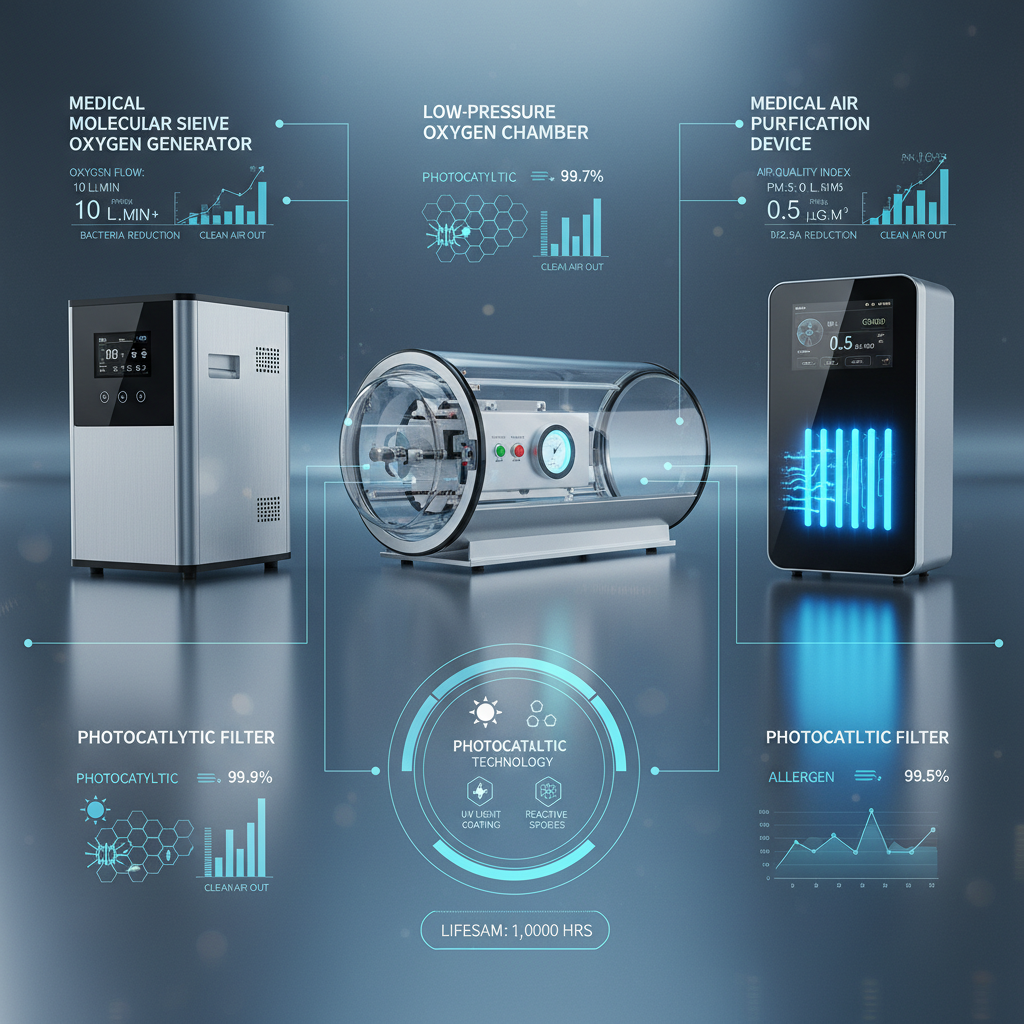
The pursuit of air purity and environmental safety has led to the rise of advanced filtration technologies, where the photocatalytic filter stands as a cornerstone of modern industrial and residential health. Unlike traditional passive filters that merely trap particles, these active systems utilize light-activated catalysts to decompose volatile organic compounds (VOCs) and neutralize pathogens on a molecular level.
Across the globe, the integration of photocatalytic materials into mesh substrates has revolutionized how we handle indoor air quality (IAQ) and industrial emissions. By leveraging the synergistic effect of UV light and titanium dioxide (TiO2) coatings, a photocatalytic filter transforms pollutants into harmless water vapor and carbon dioxide, providing a sustainable alternative to chemical-heavy air scrubbers.
Understanding the mechanics and applications of this technology is essential for engineers and facility managers aiming to reduce their carbon footprint while ensuring a sterile environment. From hospital ventilation to high-precision manufacturing plants, the adoption of the photocatalytic filter represents a shift toward proactive, self-cleaning environmental control.
The Global Industrial Context of Photocatalytic Filtration
In an era characterized by rapid urbanization and intensifying industrialization, air pollution has become a critical global challenge. According to World Health Organization (WHO) reports, a significant percentage of the global population breathes air that exceeds safety limits for particulate matter and gaseous toxins. This crisis has accelerated the demand for the photocatalytic filter, as industries seek ways to mitigate their impact on the atmosphere while complying with strict ISO air quality standards.
The challenge lies in the failure of conventional HEPA filters to eliminate odors, viruses, and gaseous pollutants. By integrating photocatalytic oxidation (PCO) into the mesh design, manufacturers can now offer solutions that don't just capture pollutants but destroy them. This transition from "capture-and-dispose" to "destroy-on-contact" is pivotal for reducing waste in industrial filtration cycles.
Defining the Mechanism of the Photocatalytic Filter
At its simplest level, a photocatalytic filter is a device comprising a substrate (usually a metallic or ceramic mesh) coated with a semiconductor material, most commonly titanium dioxide (TiO2). When this catalyst is exposed to ultraviolet (UV) light, it generates powerful hydroxyl radicals (•OH) and superoxide anions (O2−) on the surface of the filter.
These reactive oxygen species act as molecular "scissors," breaking the chemical bonds of organic pollutants. Whether it is formaldehyde from furniture, toluene from industrial paints, or protein shells of airborne bacteria, the photocatalytic filter oxidizes these complex molecules into simple, non-toxic substances like CO2 and H2O.
This process is fundamentally different from carbon adsorption, which eventually saturates and requires the filter to be replaced. Because the catalyst is not consumed during the reaction, the photocatalytic filter provides a continuous, long-term purification effect, making it an indispensable tool for modern environmental engineering.
Core Components and Engineering Factors
The efficacy of a photocatalytic filter depends heavily on the surface area of the substrate. High-precision mesh weaving machines are used to create intricate wire mesh structures that maximize the contact area between the air stream and the catalyst coating, ensuring that no pollutant passes through without interaction.
Another critical factor is the "Band Gap" of the photocatalytic material. For a photocatalytic filter to operate, the energy of the incoming light must match or exceed this gap to excite electrons. Innovations in doping—adding elements like nitrogen or silver—allow these filters to work under visible light, reducing the dependency on energy-intensive UV lamps.
Finally, the durability of the coating is paramount. In high-velocity industrial airflow, the catalyst must remain bonded to the mesh without flaking. Advanced welding mesh techniques and plasma-enhanced chemical vapor deposition (PECVD) ensure that the photocatalytic filter maintains its performance over thousands of operating hours.
Comparative Performance and Efficiency Metrics
When evaluating the effectiveness of different filtration technologies, the photocatalytic filter consistently outperforms traditional mechanical filters in the removal of VOCs and odors. While mechanical filters are excellent for dust, they are powerless against gaseous chemical pollutants, which is where the chemical oxidation of PCO excels.
The balance between airflow resistance (pressure drop) and purification rate is the primary engineering trade-off. A well-designed photocatalytic filter utilizes an optimized mesh density to allow maximum air passage while maintaining a sufficient "residence time" for the catalyst to neutralize the pollutants.
Efficiency Comparison of Air Purification Methods
Global Applications and Industrial Use Cases
In the healthcare sector, the photocatalytic filter is deployed in operating rooms and isolation wards to eliminate airborne pathogens. By integrating these filters into the HVAC systems of hospitals in Europe and North America, medical facilities can significantly reduce the risk of Hospital-Acquired Infections (HAIs), ensuring a safer environment for both patients and staff.
In industrial zones, particularly in chemical plants and semiconductor cleanrooms, the photocatalytic filter is used to scrub toxic fumes and maintain ultra-pure air. In remote industrial sites in Southeast Asia, where power grids may be unstable, solar-powered UV-PCO systems are becoming a popular choice for sustainable air purification.
Long-term Value and Sustainability Advantages
The long-term economic value of the photocatalytic filter lies in its longevity and reduced maintenance requirements. Because the catalyst is not consumed, the need for frequent filter replacements—common with carbon-based systems—is drastically reduced, lowering the total cost of ownership and reducing landfill waste.
Sustainability is further enhanced by the filter's ability to operate with low-energy LED UV sources. By reducing the carbon footprint associated with filter production and disposal, companies utilizing photocatalytic filter technology can better align with global ESG (Environmental, Social, and Governance) goals.
Beyond the balance sheet, there is a profound human impact. Providing clean, toxin-free air in schools and offices fosters better cognitive function and overall well-being. The trust built through the implementation of such advanced safety measures enhances brand reputation and employee loyalty.
Future Trends in Photocatalytic Material Science
The next frontier for the photocatalytic filter is the development of "Visible-Light-Active" catalysts. Current systems rely heavily on UV radiation, but the shift toward using standard indoor lighting to trigger the photocatalytic reaction will make these filters ubiquitous in everyday consumer products, from air conditioners to wearable masks.
Furthermore, the integration of Nanotechnology and 3D-printed mesh substrates is allowing for the creation of hierarchical structures. These "nano-meshes" increase the active surface area by several orders of magnitude, allowing a smaller photocatalytic filter to achieve the same results as a much larger traditional unit.
We are also seeing a trend toward "smart filters" that incorporate IoT sensors to monitor the degradation of the catalyst coating in real-time. This digital transformation allows for predictive maintenance, ensuring that the photocatalytic filter is always operating at peak efficiency.
Analysis of Photocatalytic Filter Material Evolution and Performance
| Material Type |
Activation Source |
VOC Removal Rate |
Lifespan Score (1-10) |
| Pure TiO2 Mesh |
UV-C Light |
High |
9 |
| Nitrogen-Doped TiO2 |
Visible Light |
Medium-High |
8 |
| Ag-TiO2 Composite |
UV/Visible Hybrid |
Ultra-High |
7 |
| ZnO-based Coating |
UV Light |
Medium |
6 |
| Graphene-TiO2 |
Visible Light |
High |
9 |
| Hybrid Ceramic Mesh |
UV-A Light |
High |
10 |
FAQS
While a HEPA filter acts as a physical sieve that traps particles like dust and pollen, a photocatalytic filter uses a chemical reaction to decompose pollutants. HEPA filters cannot stop gases or VOCs; the photocatalytic filter actually destroys these molecules, converting them into harmless substances, and it does not clog as quickly since it doesn't just "store" the dirt.
Yes, the photocatalytic process requires an energy source to activate the catalyst. Most traditional filters use UV-C lamps. However, newer versions using doped TiO2 can be activated by visible light. Without a light source, the filter acts as a standard mesh; the "active" purification only occurs when the catalyst is irradiated.
Absolutely. When properly designed, the UV light is contained within the filter housing, meaning users are not exposed to harmful radiation. The byproduct of the reaction is simply water vapor and a tiny amount of CO2, making it one of the safest and most eco-friendly ways to eliminate indoor air toxins.
One of the biggest advantages is that the catalyst itself is not consumed. However, the mesh can eventually accumulate heavy dust or the UV lamp may dim. Depending on the environment, the catalyst coating usually lasts for several years, though the UV bulbs typically require replacement every 9,000 to 12,000 hours of use.
Yes, the photocatalytic filter is highly effective against organic odors. It breaks down the molecular structure of the odor-causing compounds rather than just masking them with fragrances. This makes it ideal for industrial kitchens, factories, and waste treatment facilities.
The choice depends on your airflow requirements and the chemicals you are targeting. Stainless steel mesh is preferred for corrosive environments, while ceramic meshes are better for extreme heat. We recommend consulting with a mesh weaving specialist to balance the pore size with the necessary catalyst surface area.
Conclusion
The photocatalytic filter represents a paradigm shift in air purification, moving from simple filtration to active molecular decomposition. By combining advanced mesh weaving technology with semiconductor catalysts, it addresses the critical gaps left by traditional filters—specifically the removal of VOCs and airborne pathogens. Its ability to provide long-term, sustainable, and high-efficiency purification makes it an essential component in the fight against global air pollution.
Looking ahead, the convergence of nanotechnology and IoT will only enhance the precision and accessibility of these systems. For industries and homeowners alike, investing in photocatalytic technology is not just a matter of compliance, but a commitment to health and environmental stewardship. To explore the machinery required to produce high-quality filtration substrates, visit our website: www.meshmachinery.com.