
• Home
  • Global Service
  • HighPrecision wire mesh weaving machine Solutions for South Korea’s Industrial Sector

High-Precision wire mesh weaving machine Solutions for South Korea's Industrial Sector

Empowering South Korean metallurgy and construction with advanced automation in mesh production and expanded metal fabrication.

High-Precision wire mesh weaving machine Solutions for South Korea's Industrial Sector

Integrating cutting-edge welding and weaving technologies to meet the rigorous quality standards of South Korea's specialized equipment manufacturing industry.

Industrial Landscape of Mesh Production in South Korea

Analyzing the synergy between high-tech infrastructure and specialized metal fabrication.

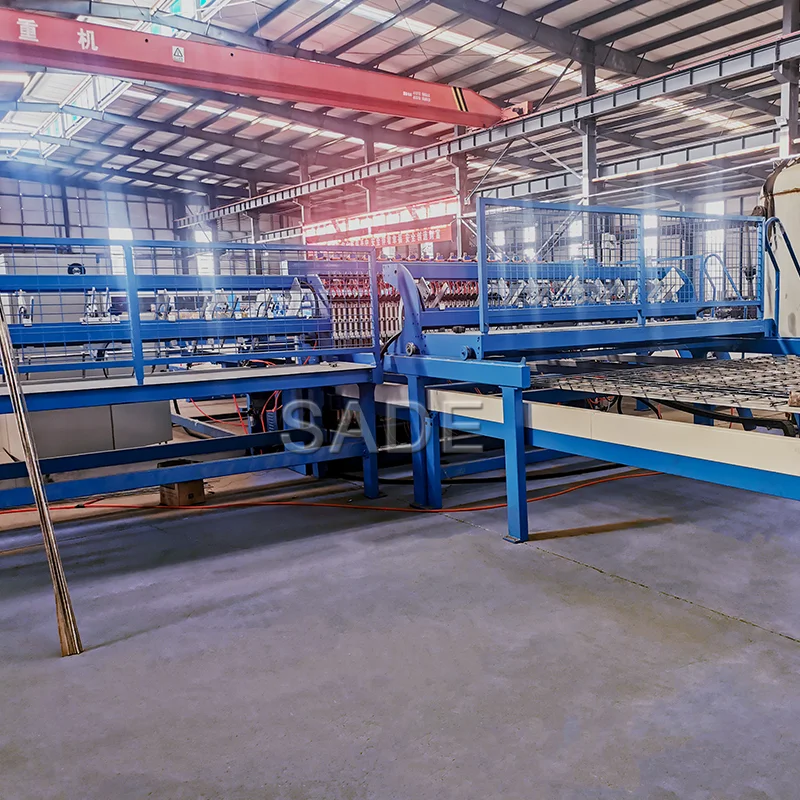
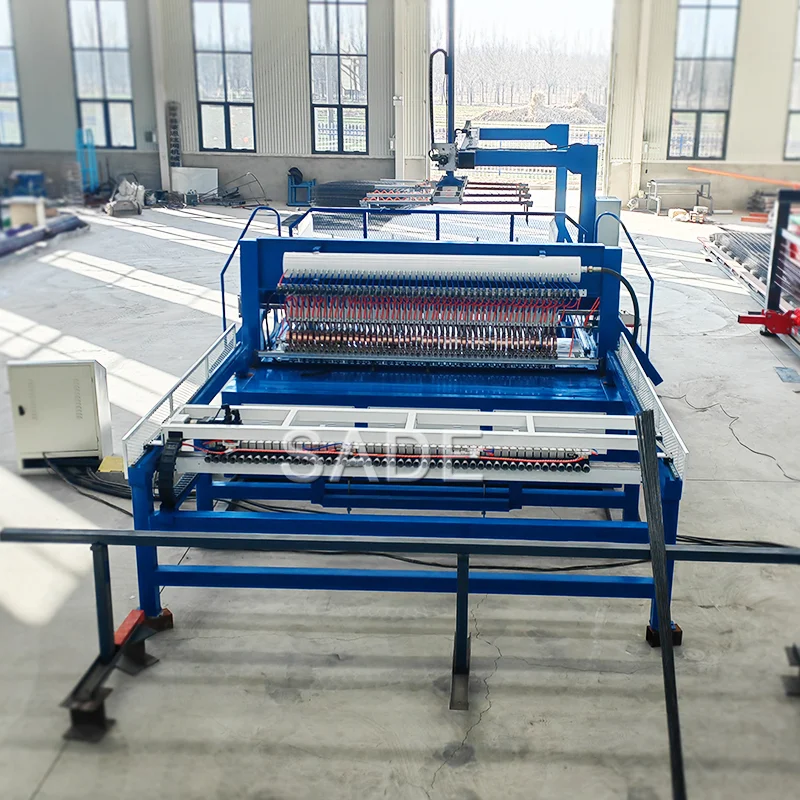
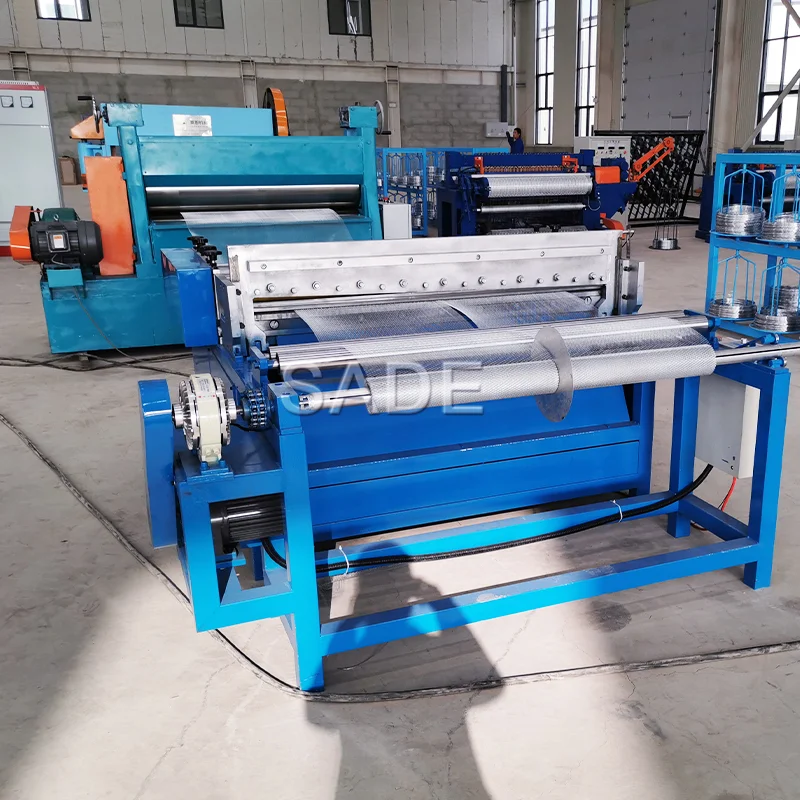
South Korea's manufacturing sector is characterized by its extreme precision and integration of Smart Factory initiatives. In the realm of metallurgy, the demand for a high-performance mesh welding machine has surged as the construction and automotive industries shift toward lightweight yet high-strength structural components.

The geographical concentration of industrial complexes in areas like Ulsan and Gyeonggi has created a competitive ecosystem where efficiency is paramount. Local manufacturers are increasingly replacing manual processes with an automated wire mesh welding machine to ensure consistent weld quality and reduce labor costs in a high-wage economy.

Furthermore, the South Korean market exhibits a strong preference for versatility. Equipment that can handle multiple wire diameters and materials—essential for the diverse needs of the shipbuilding and semiconductor clean-room sectors—is now the primary driver for equipment upgrades across the peninsula.
Evolution of Mesh Fabrication Technology

From mechanical weaving to AI-driven precision welding.

Market Development History

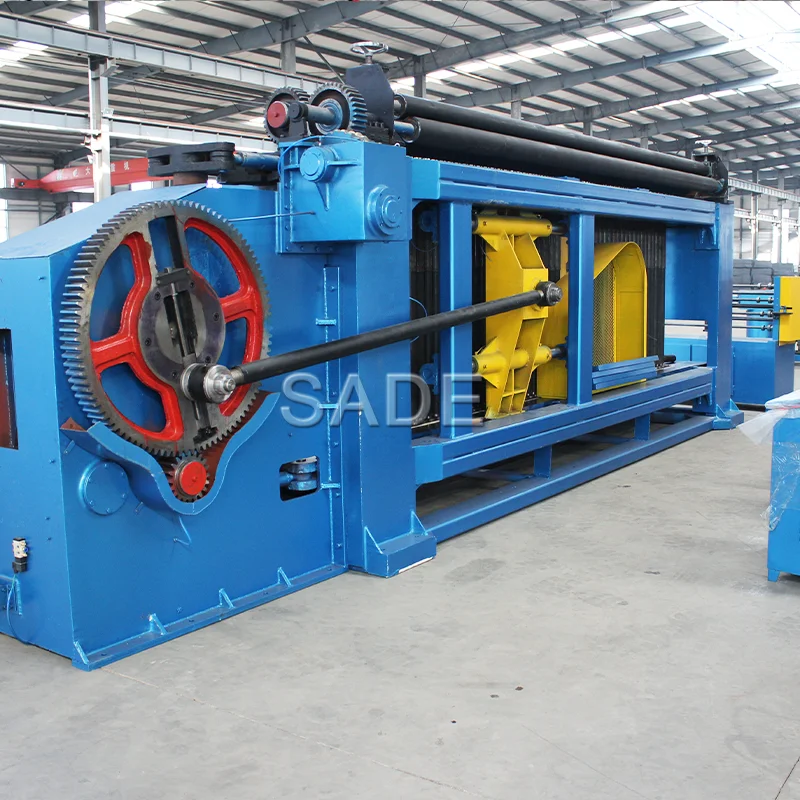
In the 1980s and 90s, South Korea relied heavily on semi-automatic mechanical looms for basic wire mesh. The focus was primarily on volume and basic architectural screening, utilizing early-stage wire mesh weaving machine technology that required significant manual oversight.

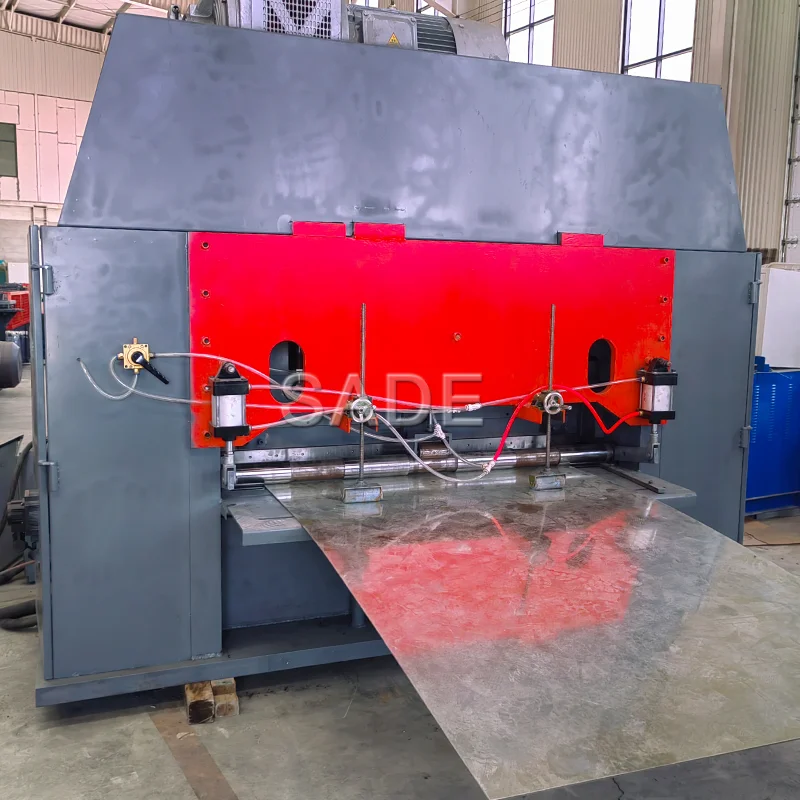
The turn of the millennium saw a transition toward CNC-controlled systems. The introduction of the digital expanded metal press allowed Korean firms to produce complex expanded metal patterns for industrial flooring and filtration, marking a shift from simple weaving to advanced shearing and stretching.

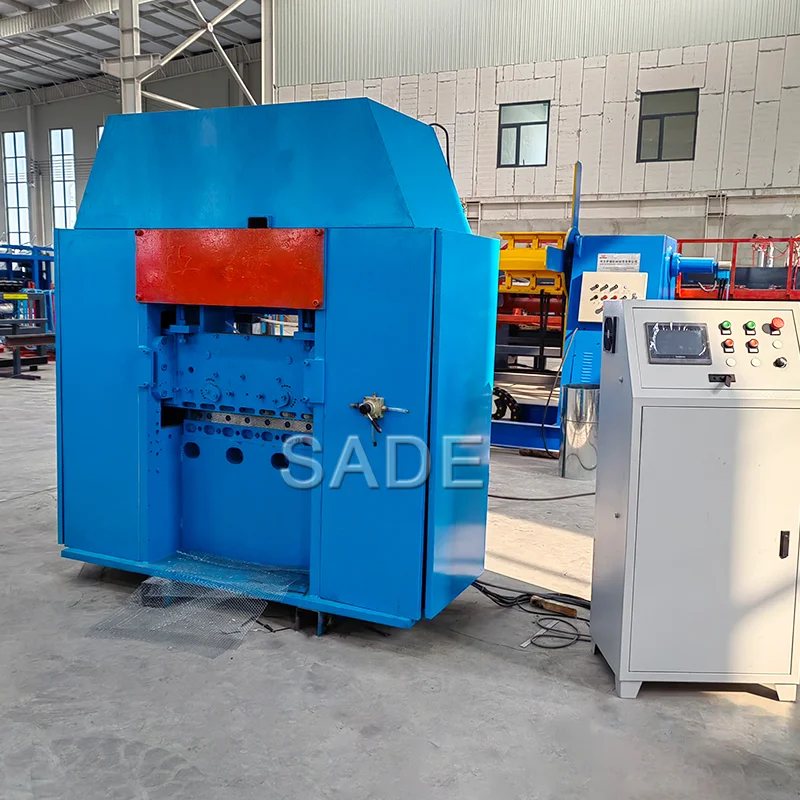
By the 2020s, the industry entered the era of "Industry 4.0." The modern bender expanded metal machine now integrates IoT sensors to monitor tension and alignment in real-time, ensuring that every mesh panel meets the zero-defect requirements of the global export market.

Future Development Trends

Carbon-Neutral Fabrication

Driven by South Korea's Green New Deal, future machinery will focus on energy-efficient power supplies and reduced scrap rates during the welding process.

AI-Driven Quality Control

Integration of computer vision to detect weld splashes or weaving gaps instantly, reducing the need for manual inspection.

Hyper-Customization

The move toward modular machine designs that allow rapid switching between different mesh apertures and wire gauges for small-batch, high-value orders.

Strategic Outlook for Metal Mesh Equipment

Projecting the technological trajectory for the next 3-5 years.

Robotic Integration
Replacing manual loading with robotic arms to optimize the feed rate of the mesh welding machine.
Material Diversification
Adapting the expanded metal press for high-nickel alloys and composite fibers.
Predictive Maintenance
Using vibration analysis to predict tool wear in the bender expanded metal machine.
Energy Optimization
Reducing power consumption by 30% through advanced inverter technology in welding systems.

Industry Outlook

Based on Google search trends within South Korea, there is a significant increase in queries regarding "automated industrial mesh" and "precision welding standards." This suggests that the market is moving away from general-purpose machinery toward specialized, high-tolerance equipment.

We anticipate that within the next five years, the convergence of software-defined manufacturing and high-strength metal processing will redefine the role of the wire mesh manufacturer, evolving them from component suppliers to integrated structural solution providers.

Localized Application Scenarios in South Korea

Real-world implementations of mesh machinery in key Korean sectors.

01. Shipbuilding Infrastructure in Busan

Utilizing heavy-duty welding machines to produce reinforced mesh panels for ship deck grating and internal structural supports, ensuring maximum corrosion resistance and load-bearing capacity.

02. Semiconductor Clean-Rooms in Pyeongtaek

Deploying high-precision weaving machines to create ultra-fine stainless steel meshes used in air filtration systems and ESD-safe flooring for high-tech fabrication plants.

03. Automotive Chassis Components in Ulsan

Applying advanced expanded metal presses to create lightweight, high-strength radiator grills and interior reinforcement meshes for next-generation electric vehicles (EVs).

04. Urban High-Rise Construction in Seoul

Implementing automated welding lines for the production of standardized rebar mesh used in the rapid construction of earthquake-resistant residential skyscrapers.

05. Specialized Mining Equipment in Gangwon

Using robust bender expanded metal machines to manufacture heavy-duty screening equipment for mineral processing and ore filtration in mountain mining operations.

Brand Story

Global Development History of Hebei Sade Machinery Manufacturing Co., Ltd.

Foundational Innovation

Established with a vision to bridge the gap between manual craftsmanship and industrial automation in the wire mesh sector.

Technological Breakthrough

Developed the first generation of high-speed welding controllers, drastically increasing production efficiency for industrial clients.

Global Expansion

Successfully entered the East Asian market, establishing a reputation for reliability in the demanding South Korean industrial landscape.

Smart Manufacturing Pivot

Integrated PLC and IoT capabilities into all machine lines, enabling remote diagnostics and precision synchronization.

Industry Leadership

Now recognized as a global leader in specialized mesh equipment, solving critical pain points in metallurgical precision and output speed.

Comprehensive Product Portfolio for South Korea

A full suite of equipment designed for high-precision metallurgical and industrial applications.

Common Questions from South Korean Partners

Expert answers regarding the installation and operation of mesh machinery.

How does the automatic wire mesh welding machine ensure weld consistency in high-humidity coastal areas?

Our machines utilize stabilized current controllers and corrosion-resistant components to maintain arc stability regardless of environmental humidity, ensuring every joint meets international standards.

What is the typical lead time for a customized mesh welding machine for the Korean market?

Depending on the complexity of the customization (wire gauge and automation level), the typical lead time is 30 to 45 days, including rigorous factory acceptance testing.

Can the bender expanded metal machine handle high-tensile stainless steel alloys?

Yes, our benders are equipped with reinforced hydraulic systems and tungsten-carbide dies specifically designed to process high-tensile alloys without compromising tool life.

Does the expanded metal press support rapid pattern changes for small-batch production?

Absolutely. Our presses feature quick-change die systems that allow operators to switch patterns in under 15 minutes, supporting the agility needed for specialized industrial orders.

What maintenance is required for a high-speed wire mesh weaving machine?

Maintenance primarily involves periodic lubrication of the weaving head and calibration of the tension sensors. We provide a detailed digital maintenance schedule with every installation.

Is your equipment compatible with South Korea's industrial power standards?

Yes, all our electrical panels are configured to match the specific voltage and frequency requirements of South Korean industrial grids, including optional surge protection.

Ready to Upgrade Your Production Line?

Our technical experts are ready to provide tailored mesh machinery solutions for your facility in South Korea.

Contact Us Now