
• Home
  • Global Service
  • Industrial mesh welding machine Solutions for Kenya’s Infrastructure

Industrial mesh welding machine Solutions for Kenya's Infrastructure

Empowering Kenyan metallurgy and construction with high-precision welding and weaving technology for sustainable urban development.

Industrial mesh welding machine Solutions for Kenya's Infrastructure

Providing the Kenyan manufacturing sector with advanced automated machinery to produce high-strength wire mesh and expanded metal for diverse industrial applications.

The State of Mesh Manufacturing in Kenya

Analyzing the intersection of regional economic growth and metal fabrication technology.

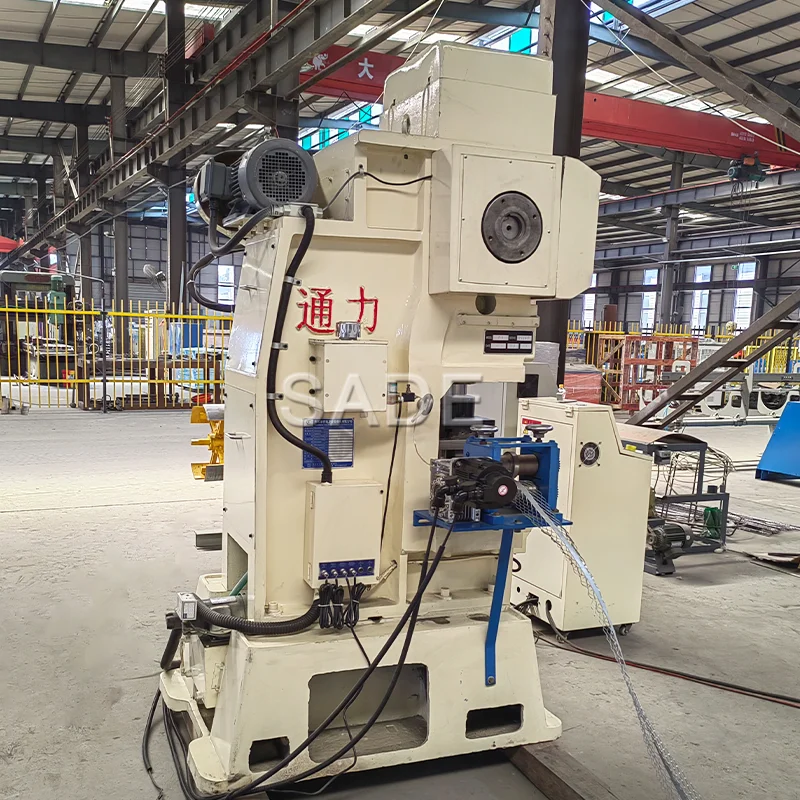
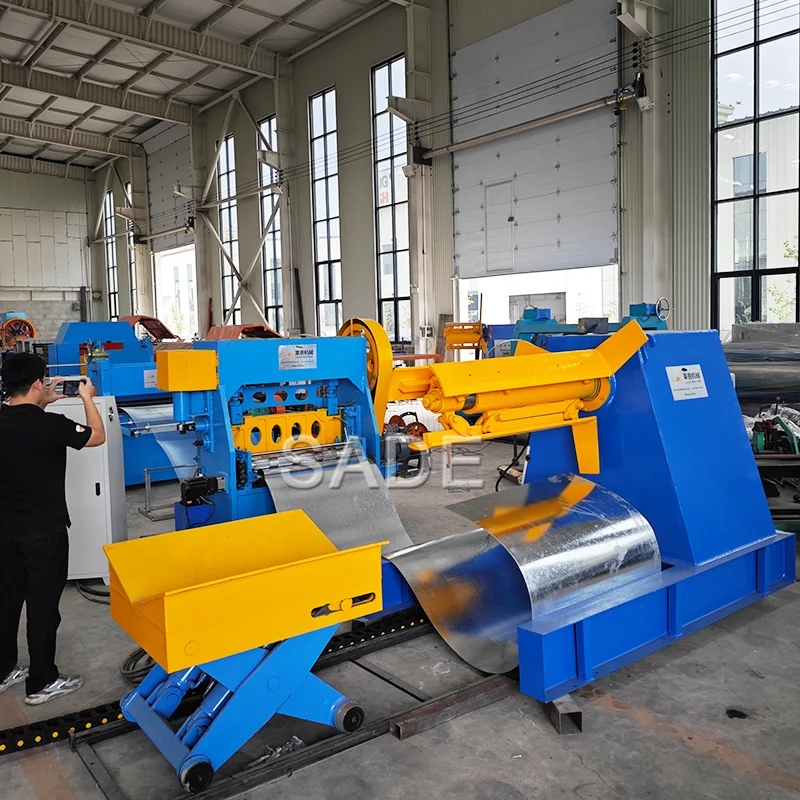
Kenya serves as the industrial hub of East Africa, where the demand for fencing, reinforcement mesh, and filtration systems is surging. However, many local workshops still rely on semi-automated processes, creating a critical need for a professional wire mesh welding machine to improve production consistency and reduce waste.

The regional climate, characterized by high humidity in coastal areas like Mombasa and arid conditions in the north, necessitates the production of galvanized and corrosion-resistant mesh. This has pushed Kenyan manufacturers to seek more durable wire mesh weaving machine setups that can handle specialized alloys and coatings.

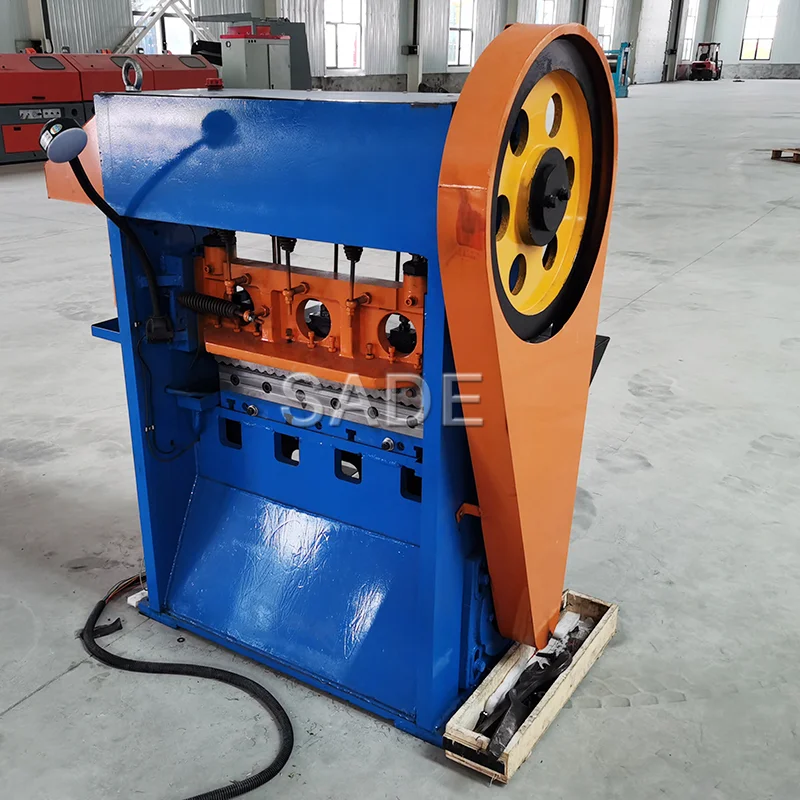
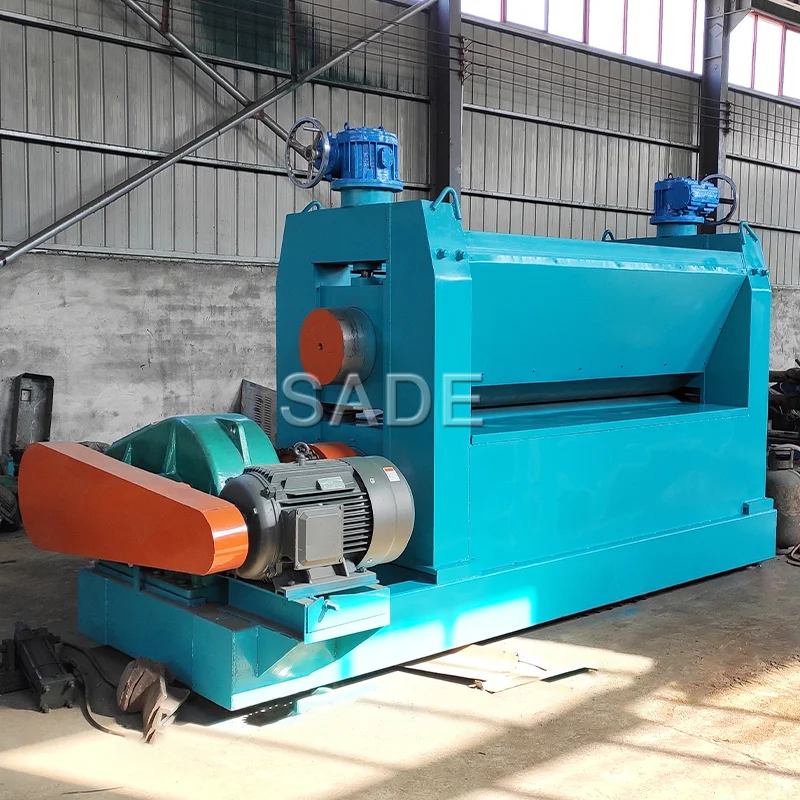
With the "Big Four Agenda" focusing on affordable housing, the construction sector in Nairobi and surrounding counties is shifting toward prefabricated materials. This economic pivot is accelerating the adoption of high-capacity expanded metal press systems to produce architectural gratings and security panels at scale.
Evolution of Mesh Technology in East Africa

From manual craft to intelligent automation in metal fabrication.

Market Development History

In the early 2000s, the Kenyan market was dominated by manual weaving and spot welding, which resulted in low precision and high labor costs. Production was largely fragmented among small-scale artisans serving local agricultural needs.

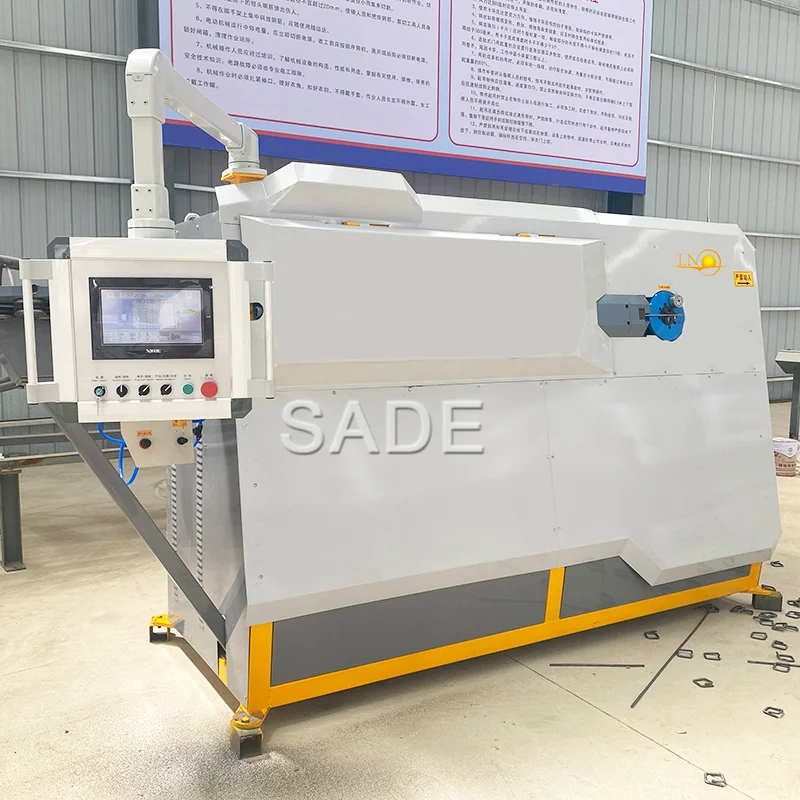
Between 2010 and 2020, the introduction of basic PLC-controlled systems marked a transition. Manufacturers began importing entry-level mesh welding machine units, allowing for the standardization of reinforcement mesh for the growing concrete industry.

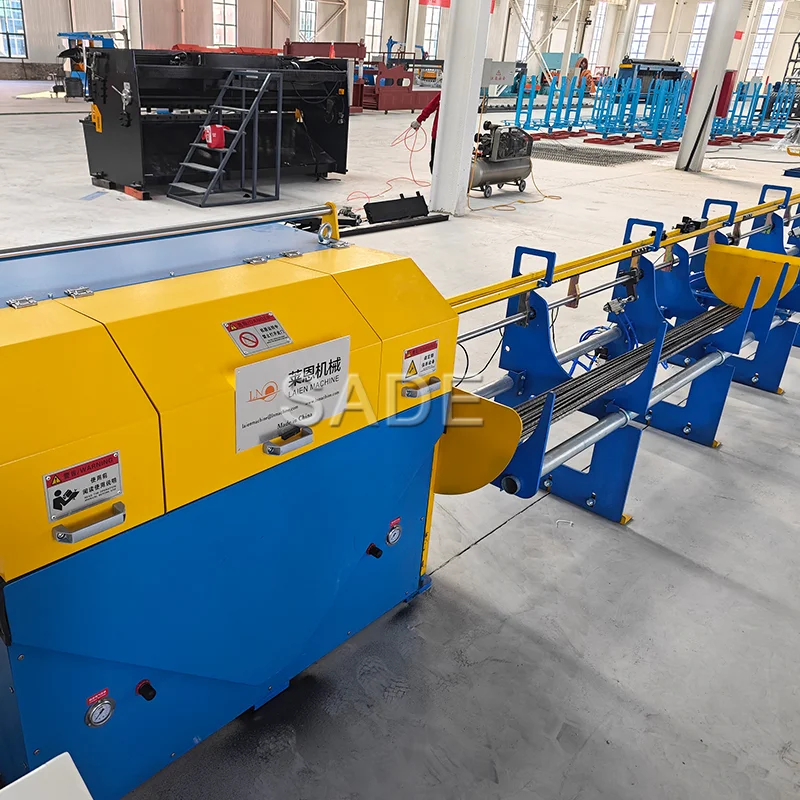
From 2021 to the present, the focus has shifted toward multi-functional integration. The industry is now adopting hybrid lines that combine cutting, welding, and bending, significantly increasing the output of complex structural components.

Future Development Trends

IoT-Integrated Production

Integration of remote monitoring and predictive maintenance to reduce downtime in Kenyan factories where skilled technicians may be scarce.

Energy-Efficient Power Modules

Transitioning to inverter-based welding technology to combat unstable power grids and reduce operational electricity costs.

High-Precision Expanded Metal

Growing demand for specialized bender expanded metal machine technology to create lightweight yet high-strength industrial flooring.

Strategic Outlook for Kenyan Metal Equipment

Predicting the trajectory of the specialty equipment sector over the next 5 years.

Automation Shift
Rapid transition from manual labor to fully automated CNC lines to meet urban infrastructure deadlines.
Material Diversification
Increased use of stainless steel and composite wires requiring high-precision heating and welding.
Green Manufacturing
Adoption of low-emission power sources and recyclable metal waste management systems.
Export Expansion
Kenya evolving from an importer to an exporter of wire mesh products to the EAC region.

Industry Outlook

Based on Google search trends in the East African region, there is a significant increase in queries related to "automated industrial mesh" and "precision metal pressing." This indicates a professionalization of the local market, moving away from makeshift solutions toward certified industrial equipment.

The synergy between Kenya's Vision 2030 and the availability of high-performance machinery will likely lead to a 15% annual growth in the capacity of local mesh factories, driven by the need for standardized construction materials.

Localized Applications in Kenya

Real-world deployment of mesh machinery across various Kenyan sectors.

1. Urban Housing & Concrete Reinforcement

Using mesh welding machine units to produce BRC mesh for flooring and walls in Nairobi's high-rise residential projects.

2. Agricultural Perimeter Fencing

Deploying wire mesh weaving machine technology to create durable, pest-resistant livestock fencing for farms in the Rift Valley.

3. Industrial Flooring & Walkways

Applying expanded metal press systems to fabricate anti-slip gratings for the processing plants in Mombasa's industrial zone.

4. Mining & Mineral Screening

Manufacturing heavy-duty vibrating screens for the gold and soda ash mining operations in Lake Magadi using reinforced welding lines.

5. Architectural Security Panels

Utilizing a bender expanded metal machine to create decorative and high-security facades for commercial buildings in the CBD.

Brand Story

Global Development Journey of Hebei Sade Machinery Manufacturing Co., Ltd.

Engineering Foundations

Founded with a vision to eliminate production bottlenecks in the metallurgy sector, focusing on the precision of wire contact and welding strength.

Technological Breakthroughs

Developing patented automated control systems that reduced energy consumption by 30% while increasing mesh uniformity.

Global Market Expansion

Establishing a footprint across Africa, providing customized machinery tailored to the voltage and environmental conditions of East African markets.

Quality Certification

Achieving international standards for machine safety and durability, ensuring our equipment thrives in the most demanding industrial environments.

Sustainable Future

Committing to the "Smart Factory" concept, integrating AI diagnostics to help our clients in Kenya maximize their ROI.

Complete Product Portfolio for the Kenyan Market

From entry-level workshops to large-scale industrial plants, we provide the full spectrum of mesh production tools.

Frequently Asked Questions in Kenya

Expert answers to the most common technical and commercial queries from our local partners.

How to choose the right wire mesh welding machine for BRC production?

You should consider the wire diameter and mesh aperture required. For standard BRC, a PLC-controlled automated machine with adjustable welding points is recommended for consistency.

Can a mesh welding machine handle galvanized wire without damaging the coating?

Yes, by adjusting the welding current and using specialized electrodes, our machines ensure a strong bond while minimizing the burn-through of the zinc coating.

What is the difference between an expanded metal press and a bender expanded metal machine?

The press is primarily for the initial slitting and stretching of the metal sheet, whereas the bender is used to create specific angles and 3D shapes for architectural applications.

How do I maintain a wire mesh weaving machine in humid coastal climates like Mombasa?

Regular lubrication with anti-corrosive grease and keeping the electronics in a climate-controlled environment are essential to prevent rust and electrical shorts.

Is it possible to customize the mesh size on a standard mesh welding machine?

Absolutely. Our machines feature adjustable spacing parameters via the HMI panel, allowing you to switch between different mesh sizes in minutes.

What are the power requirements for industrial expanded metal press equipment in Kenya?

Most of our industrial presses require 3-phase power. We recommend using a voltage stabilizer to protect the PLC and motors from local grid fluctuations.

Ready to Upgrade Your Production?

Get a personalized consultation for your metal fabrication project in Kenya.

Contact Us Now