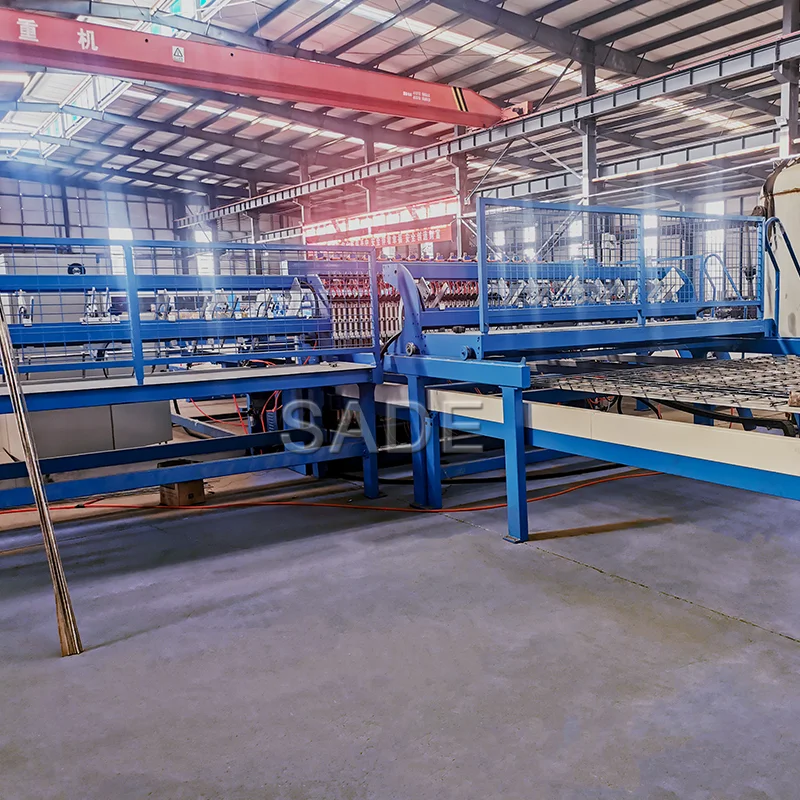

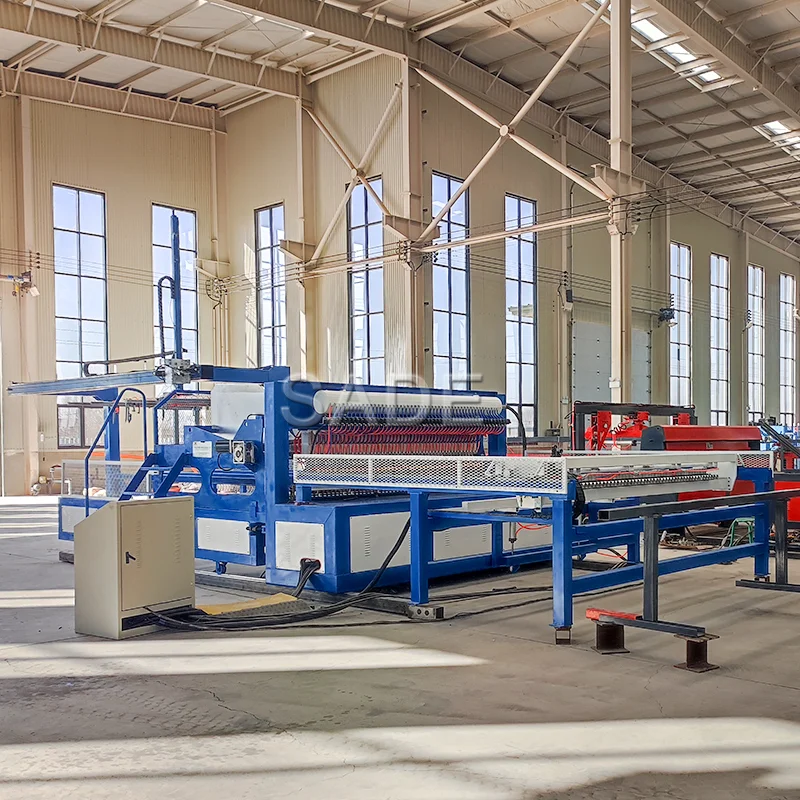
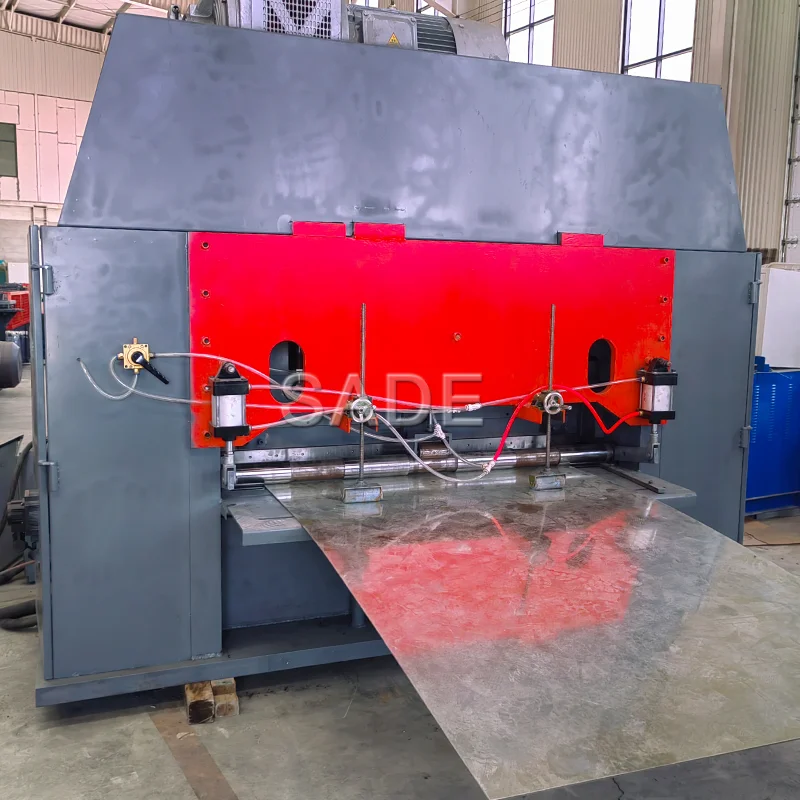
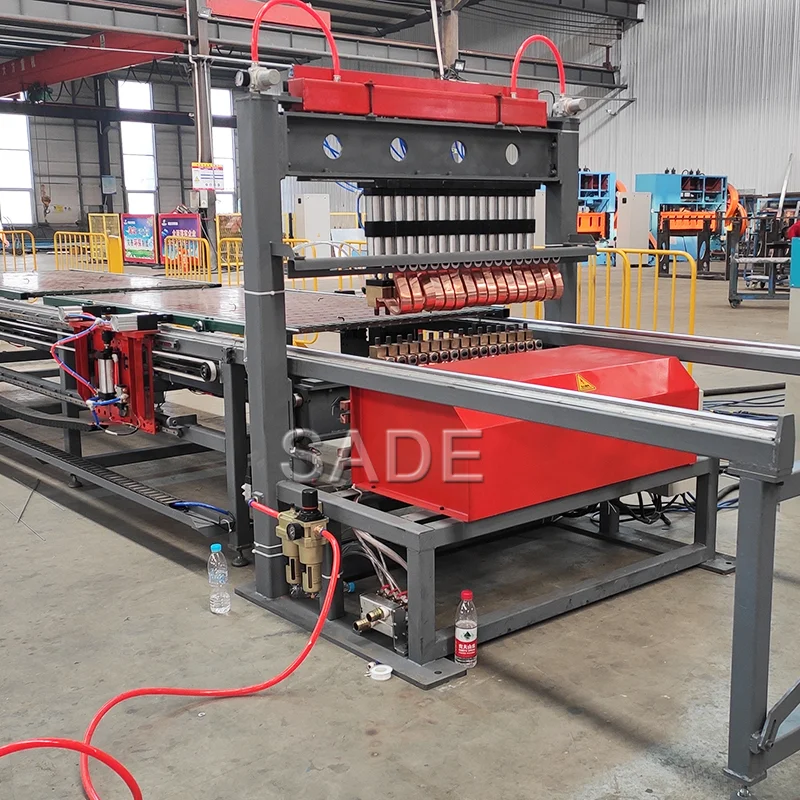
In Equatorial Guinea, the manufacturing landscape is heavily influenced by the oil and gas sector, which creates a secondary demand for reinforced structures. However, the high humidity and saline air of coastal cities like Malabo lead to rapid oxidation of low-grade machinery. This necessitates the use of a high-quality wire mesh welding machine that features corrosion-resistant components and stabilized power intake.
Most local workshops still rely on manual welding or outdated semi-automatic tools, leading to inconsistent mesh spacing and low productivity. As the country diversifies its economy into agriculture and mining, the need for professional-grade mesh welding machine systems has surged to produce standardized fencing and construction reinforcements.
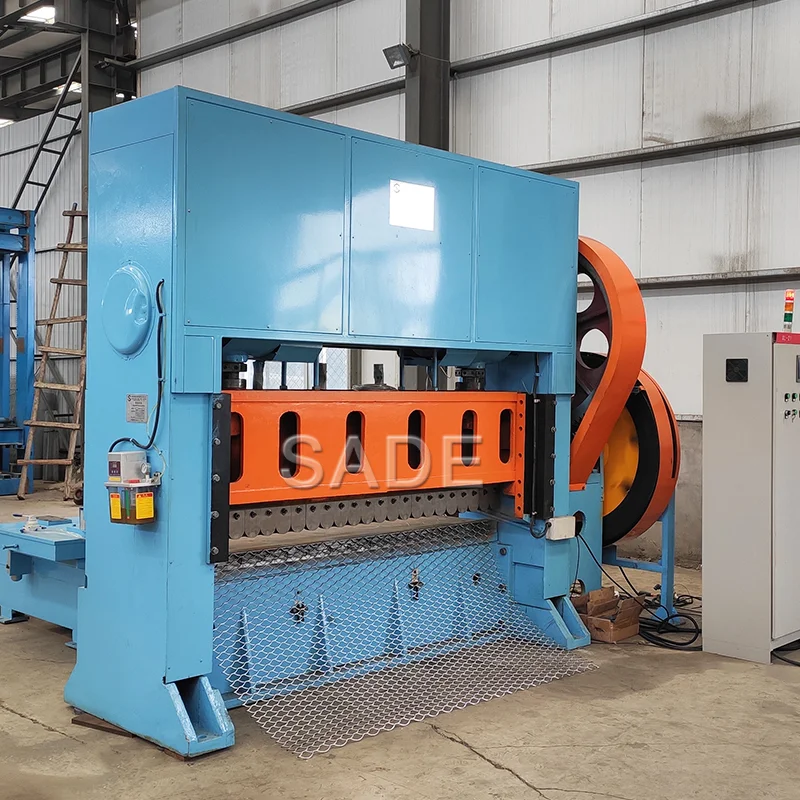
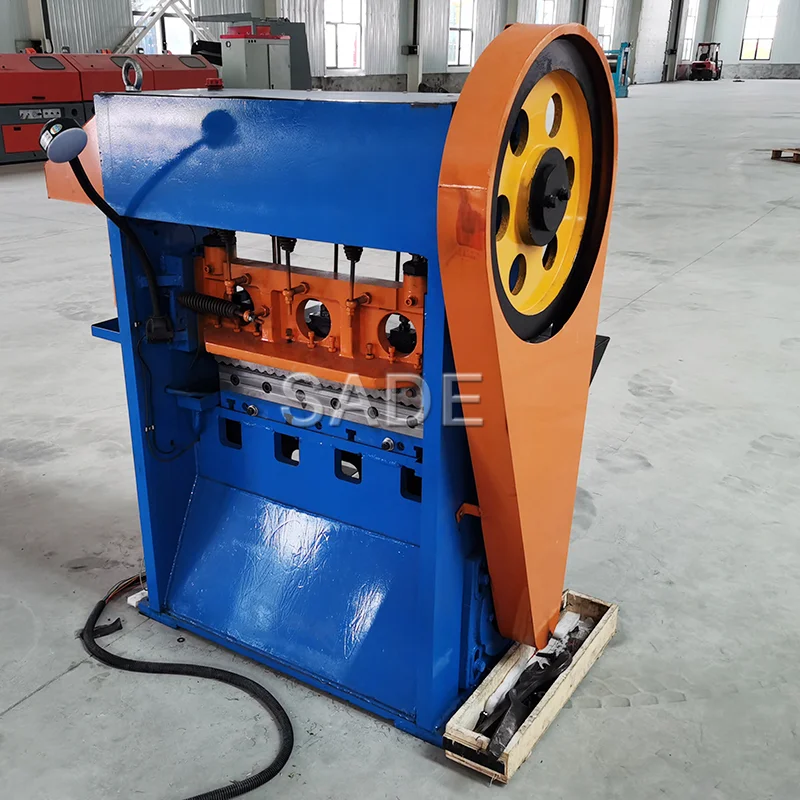
The logistics of the region also mean that equipment must be robust and easy to maintain. There is a growing shift toward integrated solutions, such as the expanded metal press, to reduce the reliance on imported finished mesh products and foster local industrial autonomy.