
April 16, 2026
In the modern industrial landscape, the precision and efficiency of wire mesh production are critical for maintaining a competitive edge. A high-performance mesh weaving machine is the heartbeat of any successful mesh manufacturing plant, transforming raw wire into high-strength filters, architectural screens, and industrial sieves. Whether you are upgrading an existing facility or starting a new venture, understanding the nuances of weaving technology is essential. This comprehensive guide explores the technical capabilities, operational advantages, and selection criteria for professional weaving equipment to help you maximize your production ROI.
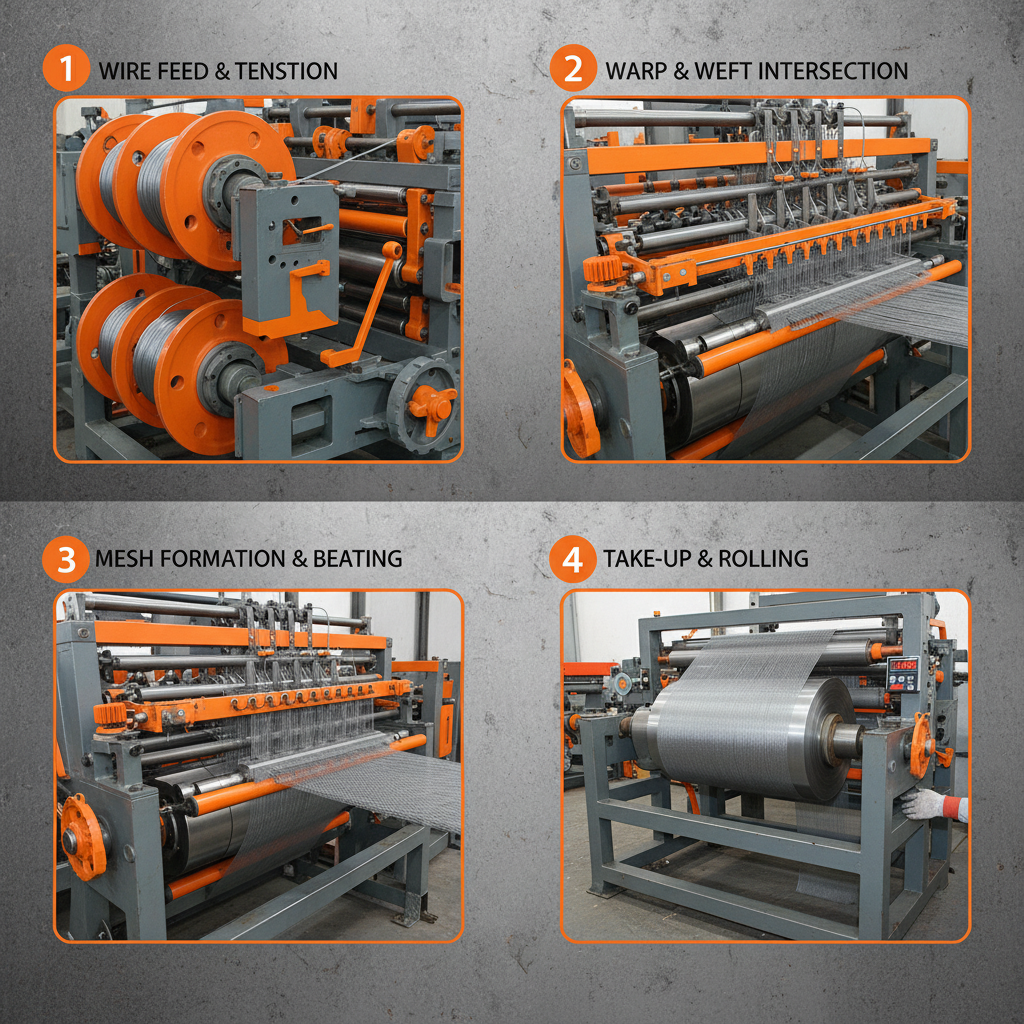
At its core, a mesh weaving machine operates on a complex synchronization of warp and weft wires. The process begins with the precise tensioning of the warp wires, which are then interlaced with the weft wire through a rapid mechanical shedding motion. Advanced PLC control systems now allow operators to adjust the weave pattern—ranging from plain weaves to twill and dutch weaves—with minimal downtime. The integration of high-precision bearings and hardened steel components ensures that the machine can handle high-tensile materials like stainless steel and nickel alloy without premature wear.
Technical Insight: Modern machines utilize automatic stop motions. If a single wire breaks during the process, the machine halts instantly, preventing the production of defective mesh and reducing material waste significantly.
Efficiency in mesh production isn't just about speed; it's about the balance between output volume and structural integrity. The speed of a mesh weaving machine is often determined by the stability of its frame and the precision of its timing gears. Vibrations at high speeds can lead to uneven apertures, which is unacceptable for precision filtration applications. Therefore, investing in machines with heavy-duty cast iron bases and vibration-damping technology is crucial for long-term stability and product consistency.
Efficiency Boosters:
• Automatic warp beaming systems for faster setup
• High-torque servo motors for consistent weaving speed
• Low-friction coating on guide components to reduce wire abrasion
• Real-time monitoring sensors for tension control
Choosing between a manual and an automatic mesh weaving machine depends largely on your production scale and budget. Manual machines are ideal for small-batch, custom orders where flexibility is more important than volume. However, for industrial-scale production, automatic machines are indispensable. They offer significantly higher speeds, reduced labor costs, and a level of precision that eliminates human error in the weaving process.
The output from a high-quality mesh weaving machine finds its way into almost every major industrial sector. In the chemical industry, precision-woven mesh is used for liquid filtration and catalyst support. The aerospace sector relies on high-grade alloy mesh for heat shields and electromagnetic interference (EMI) shielding. Even in modern architecture, stainless steel mesh produced by these machines is used for facade cladding and safety barriers. The ability to control the micron level of the wire and the openness of the weave makes this equipment versatile across diverse markets.
When evaluating a mesh weaving machine, technical specifications are the only objective way to measure performance. Key metrics include the maximum working width, the minimum wire diameter the machine can handle, and the power consumption per hour of operation. A machine capable of weaving wires as thin as 0.1mm requires much tighter tolerances and higher-grade steel components than one designed for coarse industrial screening. Below is a typical specification table for an industrial-grade automatic model.
To ensure that your mesh weaving machine operates at peak performance for decades, a proactive maintenance schedule is non-negotiable. Regular lubrication of the cams and gears prevents friction-induced heat, which can warp precision components. Additionally, the tensioning rollers should be inspected weekly for wear; a worn roller can lead to "loose" weave sections, resulting in rejected product batches. Implementing a digital maintenance log allows managers to track part replacement cycles and predict failures before they cause expensive downtime.
Investing in a premium mesh weaving machine is more than just a purchase; it is a strategic move toward industrial automation and quality excellence. By selecting a machine that matches your specific wire diameter needs and production volume, you can significantly reduce operational costs while increasing your market share. Whether you prioritize the high-speed capabilities of automatic systems or the versatility of manual models, the key lies in precision and reliability. Elevate your production standards and secure your future in the wire mesh industry today.
Most industrial weaving machines are designed to handle a wide variety of metallic wires. Stainless steel (304, 316L) is the most common due to its corrosion resistance. However, specialized machines can also weave copper, brass, nickel, and titanium wires. The choice of material depends on the final application—for instance, nickel is preferred for high-temperature environments, while stainless steel is the standard for food and pharmaceutical filtration. Always ensure your machine's guide components are compatible with the hardness of the wire material to avoid premature wear.
To determine the correct size, you must analyze your average order width and the volume of mesh required per month. If your primary products are wide industrial screens, a machine with a width of 2000mm or more is necessary. If you produce narrow filter strips, a compact model is more cost-effective. Additionally, consider your growth projections for the next 3-5 years. It is often more economical to invest in a slightly larger automatic machine now than to purchase a small one and be forced to upgrade within a year as your demand grows.
Plain weave is the simplest pattern where the weft wire passes over one warp wire and under the next. This creates a very stable, tight mesh with high transparency. Twill weave involves the weft wire passing over two or more warp wires, creating a diagonal rib pattern. Twill weaves are generally denser and more flexible, making them ideal for heavy-duty filtration. Modern mesh weaving machines allow you to switch between these patterns by adjusting the shedding mechanism and PLC settings, providing immense product versatility.
For high-precision applications (such as micron-level filtration), we recommend a full calibration every 3 months or after every 1,000 hours of operation. Calibration involves checking the tension uniformity across the warp beam and verifying the timing of the picking motion. Daily checks of the wire tension and weekly cleaning of the weaving area are also essential to prevent debris from affecting the aperture size. Regular calibration ensures that every meter of mesh produced meets the strict tolerances required by your customers.
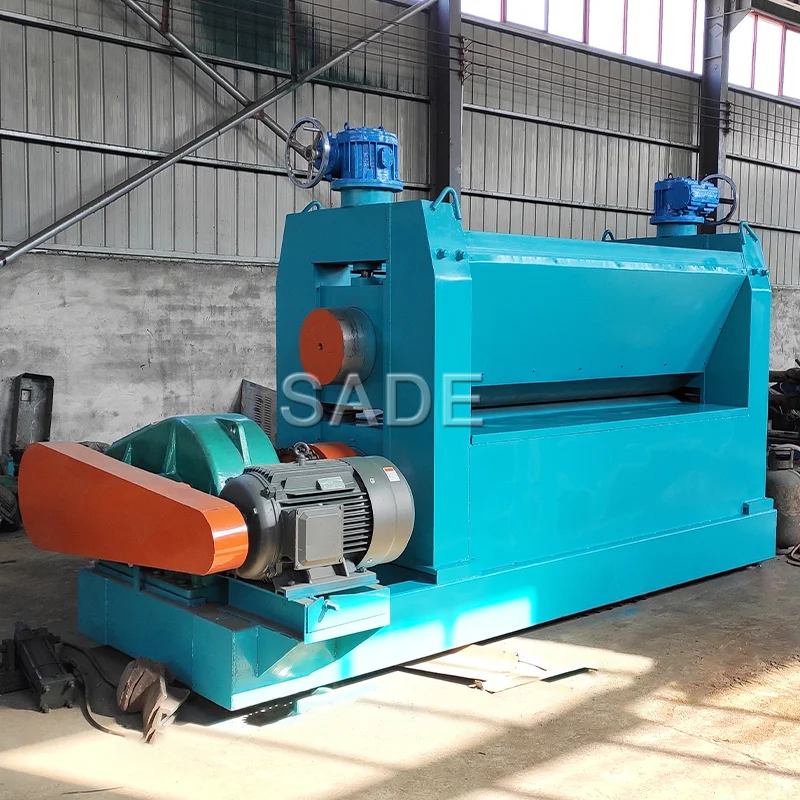
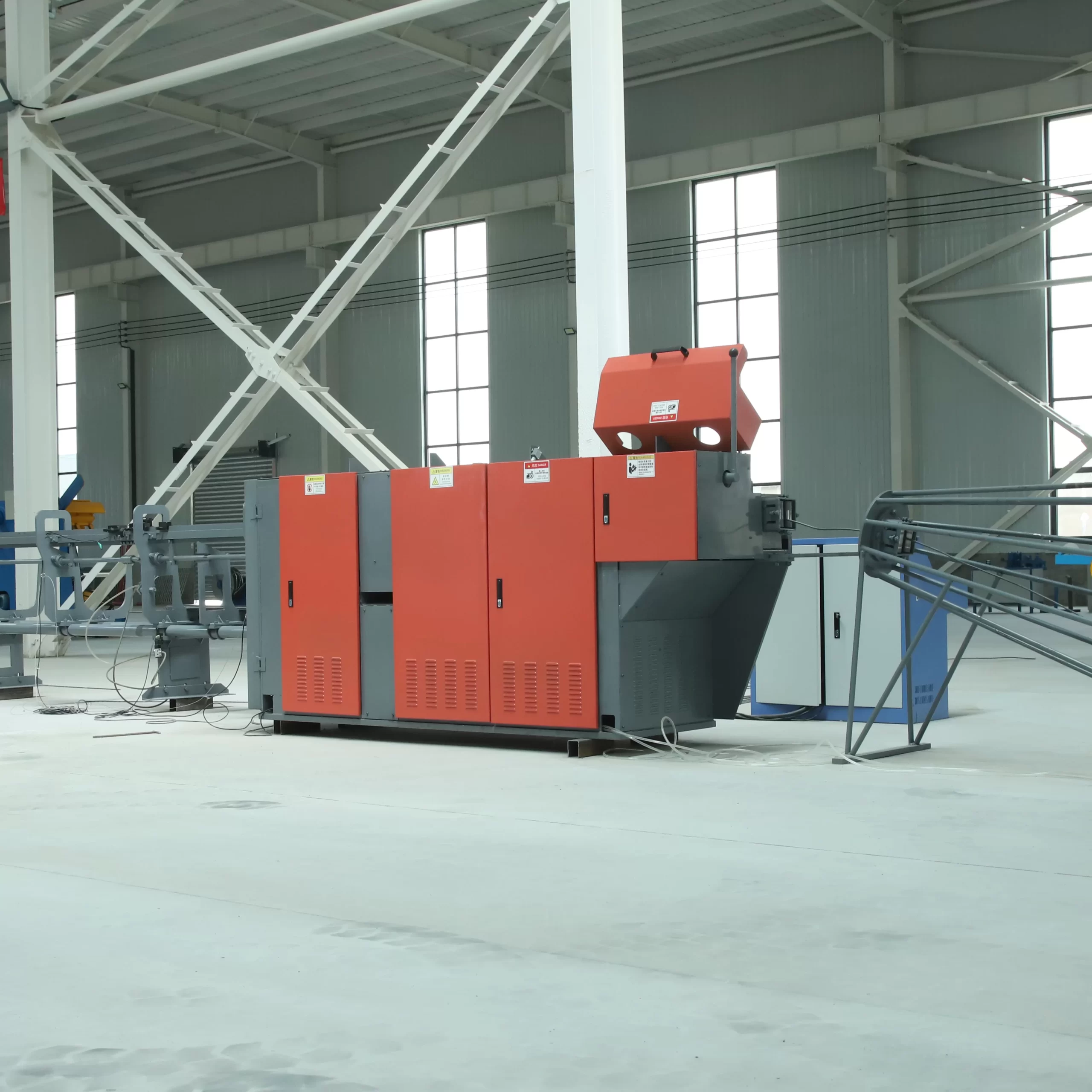
ZPJ Metal Mesh Flatting Machine
ZPJ metal mesh flatting machine is special designed for expanded metal flatting.It’s a corollary equipment of expanded metal machine. It can make expanded wire-mesh smoothly.And the flattened expanded metal have much more widely different applications.
Apr 24, 2026
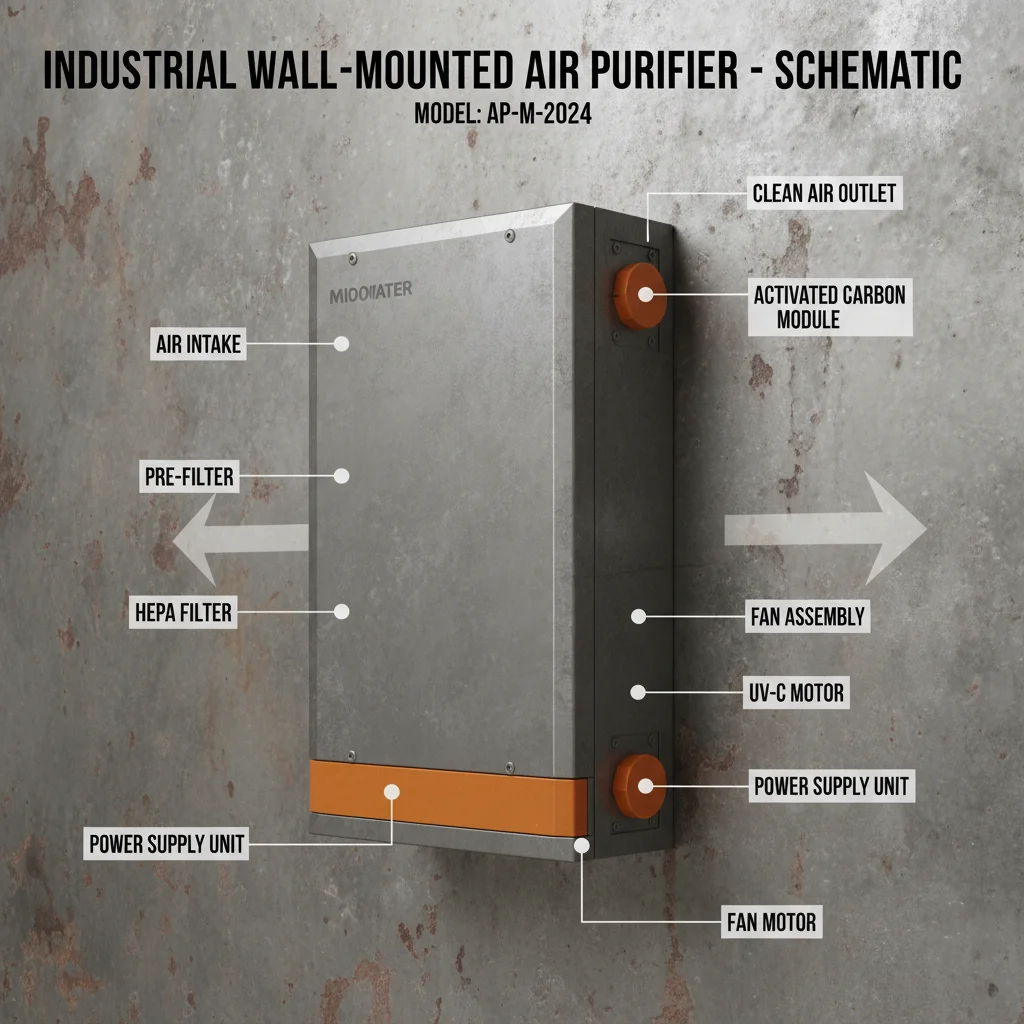
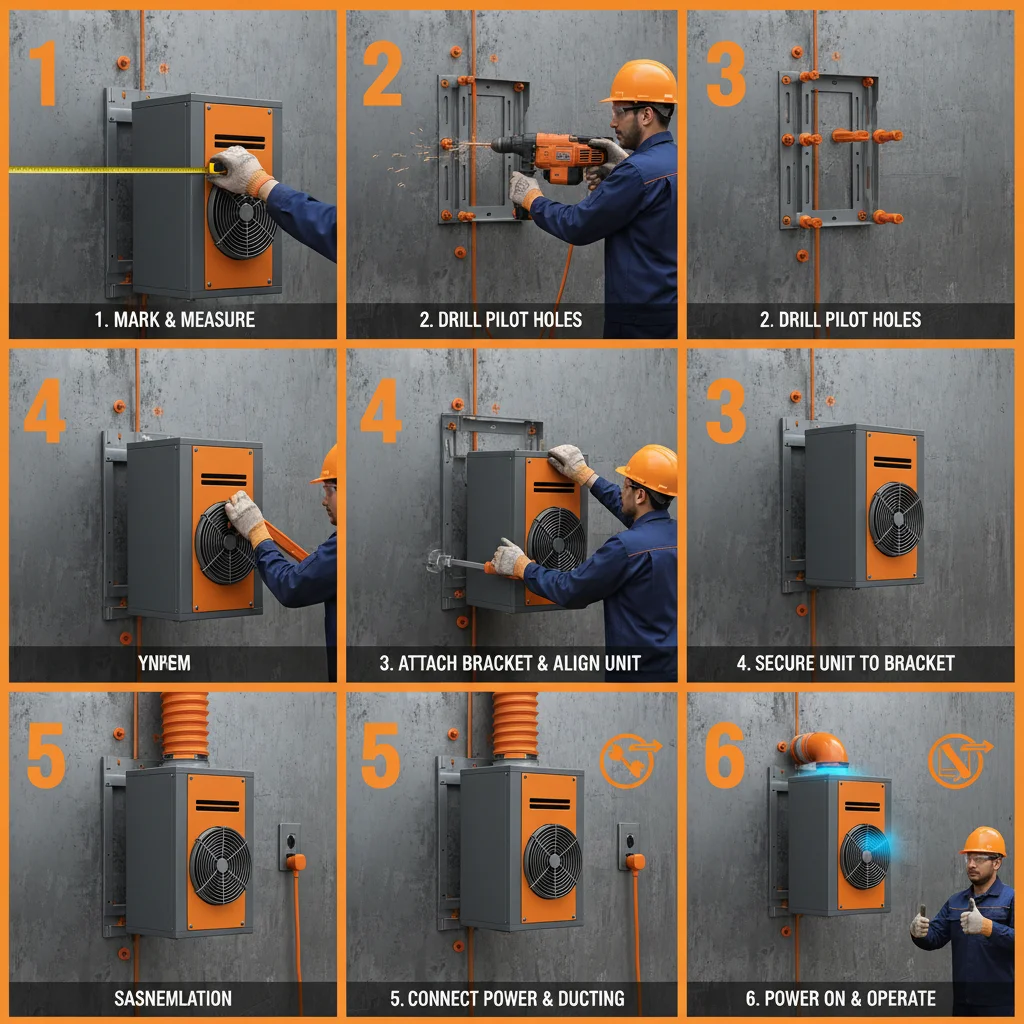
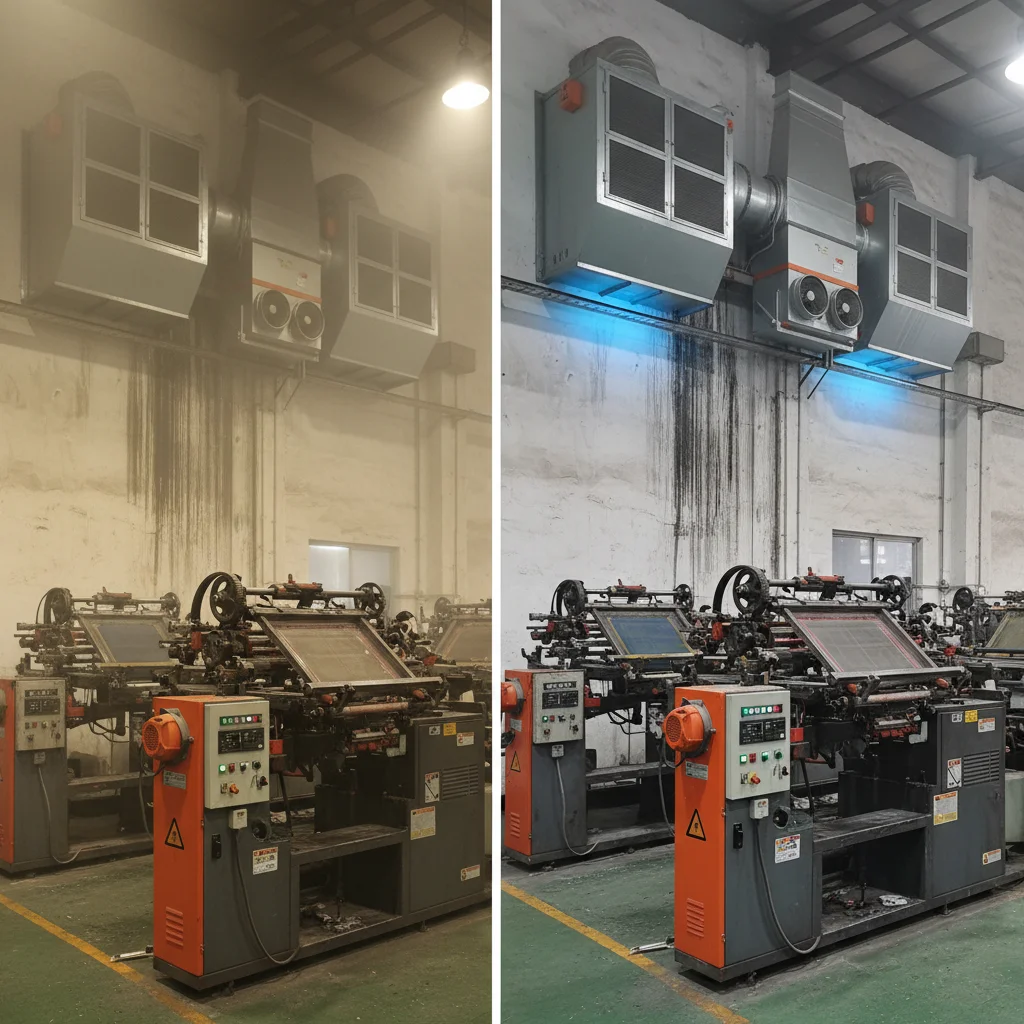
Industrial Wall Mounted Air Filtration for Clean Work Environments