
April 09, 2026
In the competitive landscape of industrial fencing and filtration, the efficiency of your production line depends heavily on the quality of your equipment. Investing in a professional mesh wire making machine is not just about buying hardware; it is about enhancing precision, reducing material waste, and increasing output. Whether you are producing stainless steel mesh for industrial filters or galvanized wire mesh for construction, the right machinery ensures consistency and durability. This guide explores the technical nuances, operational advantages, and selection criteria to help you optimize your manufacturing process.
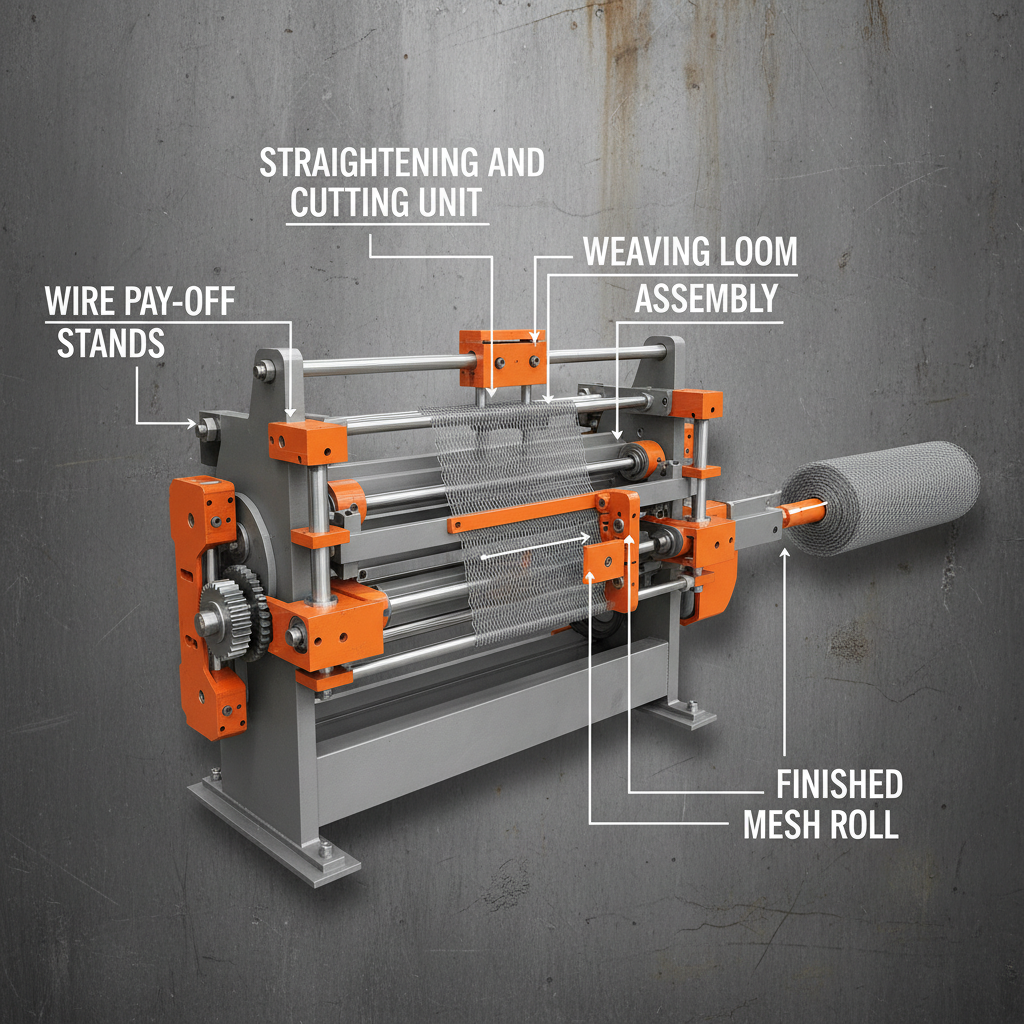
Modern mesh wire making machine technology has evolved from simple manual looms to fully automated CNC-driven systems. These machines utilize high-precision tension control to ensure that every intersection of the wire is perfectly aligned, preventing sagging or deformation in the final product. Automatic wire feeding systems and integrated cutting mechanisms have drastically reduced the need for manual intervention, thereby lowering labor costs and minimizing human error. Furthermore, the integration of PLC (Programmable Logic Controller) allows operators to switch between different mesh sizes and patterns with a few clicks, offering unparalleled flexibility for diverse client orders.
Industry Insight: The shift toward servo-motor drives in wire weaving has increased production speeds by up to 30% while simultaneously improving the energy efficiency of the entire factory floor.
Choosing between manual and automatic systems depends on your current scale of production and budget. Manual machines are often suitable for small-scale artisanal work or specialized prototyping. However, for commercial viability, an automatic mesh wire making machine is essential. Automated systems offer superior repeatability, meaning the 1,000th meter of mesh is identical to the first. This consistency is critical for industries like aerospace and medical filtration where tolerances are extremely tight. Below is a detailed comparison of the two approaches.
The versatility of the output from a mesh wire making machine allows it to serve multiple global industries. In the agricultural sector, welded wire mesh is indispensable for livestock fencing and crop protection. In the architectural world, expanded metal and decorative mesh are used for facades and interior design elements. Perhaps the most critical application is in industrial filtration, where fine-mesh screens are used to separate particles in chemical and oil processing plants. By diversifying the types of wire used—such as stainless steel, copper, or galvanized iron—manufacturers can expand their market reach significantly.
When sourcing a mesh wire making machine, understanding the technical specifications is paramount to ensure the machine fits your production goals. Key parameters include the wire diameter range, which determines the gauge of wire the machine can handle, and the mesh aperture size, which defines the size of the holes. Power consumption and production speed (meters per minute) also impact your operational overhead. High-quality machines are typically built with hardened steel components to resist wear and tear during high-speed operation.
To maximize the ROI of your mesh wire making machine, a rigorous maintenance schedule is mandatory. The most common cause of machine downtime is the wear of the weaving needles and rollers. Regular lubrication of all moving parts prevents friction-induced heat, which can warp the machine's precision alignment. Additionally, operators should perform daily checks on wire tensioners to avoid wire breakage, which can lead to costly production stops. Implementing a predictive maintenance program—where parts are replaced based on usage hours rather than after failure—can increase machine uptime by nearly 20%.
Choosing a supplier is just as important as choosing the machine itself. A reputable provider of a mesh wire making machine should offer comprehensive after-sales support, including installation guidance and operator training. Look for suppliers who provide a transparent warranty and have a ready stock of spare parts to ensure that your production doesn't halt due to a single broken component. Furthermore, checking for international certifications (such as CE or ISO) ensures that the machinery meets safety and quality standards required for export and industrial operation.
Upgrading to a high-performance mesh wire making machine is a strategic move for any manufacturer aiming for growth. By integrating automation, maintaining strict technical standards, and following a proactive maintenance plan, you can drastically improve your product quality and market competitiveness. Whether you are entering the market or expanding your current capacity, the right equipment is the foundation of industrial success. Invest in precision, invest in efficiency, and lead your industry with the best weaving technology available.
Choosing the right mesh size requires a clear understanding of the end-application. For filtration, you need a fine mesh with very small apertures and thin wire. For fencing or construction, a coarse mesh with thicker wire is required for structural strength. Most modern mesh wire making machines allow for adjustable apertures, but it is vital to ensure the machine's physical limits accommodate your range. We recommend analyzing your most frequent orders and selecting a machine that covers those specifications with a 20% margin for future variety.
The materials depend on the machine's build and the tension capabilities. Stainless steel (304, 316) is the most common due to its corrosion resistance. Galvanized steel is preferred for outdoor and agricultural uses. Some specialized machines can also handle copper, brass, or nickel-plated wires. It is important to ensure that the rollers and needles of your machine are made from materials harder than the wire being processed to prevent premature wear and tear of the equipment.
For industrial-grade production, we recommend a three-tier maintenance approach. Daily: Lubricate moving joints and check wire tension. Monthly: Inspect all weaving needles for wear and calibrate the PLC settings. Quarterly: Perform a deep clean of the machine and replace any high-friction components. Regular servicing of your mesh wire making machine prevents unexpected breakdowns and ensures that your product quality remains consistent over years of operation.
Yes, many advanced machines are designed for versatility. By changing the loom settings or replacing the weaving heads, you can switch between plain weave, twill weave, or Dutch weave patterns. High-end CNC models allow for programmed pattern changes, making the transition seamless. However, the extent of this versatility depends on the specific model. If you require multiple complex patterns, we suggest looking for a multi-pattern compatible mesh wire making machine during your procurement process.
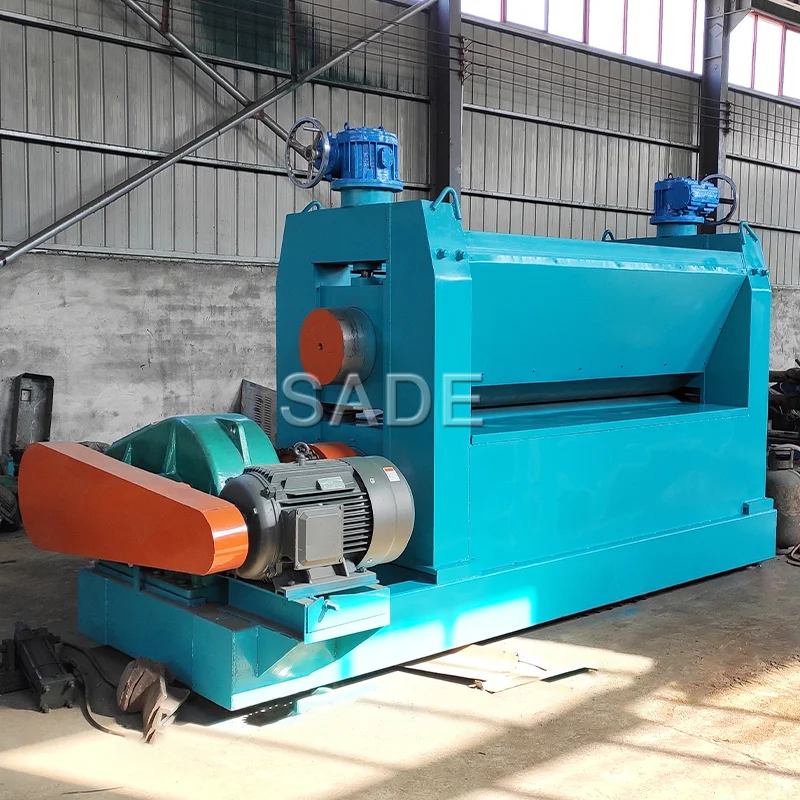
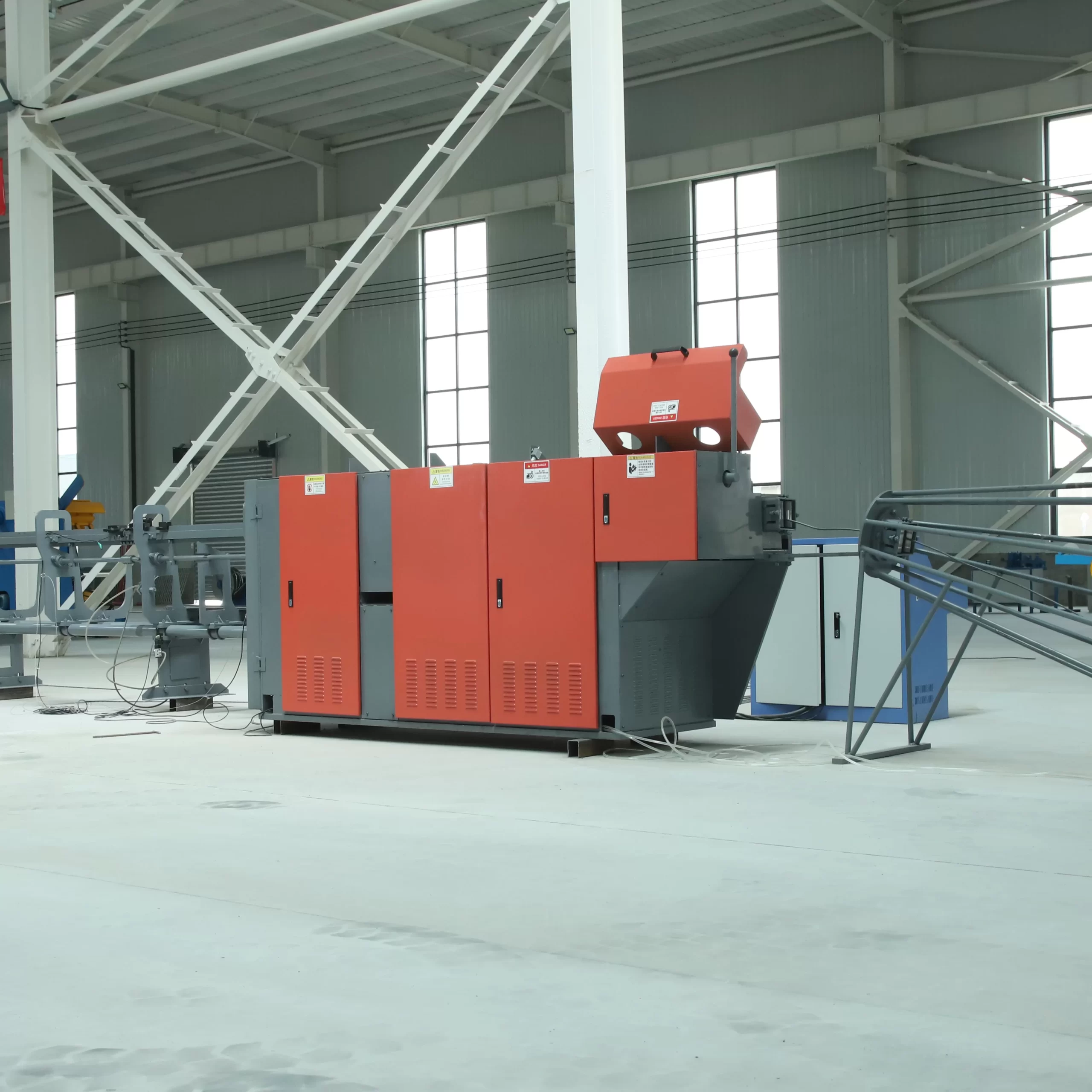
ZPJ Metal Mesh Flatting Machine
ZPJ metal mesh flatting machine is special designed for expanded metal flatting.It’s a corollary equipment of expanded metal machine. It can make expanded wire-mesh smoothly.And the flattened expanded metal have much more widely different applications.
Apr 24, 2026
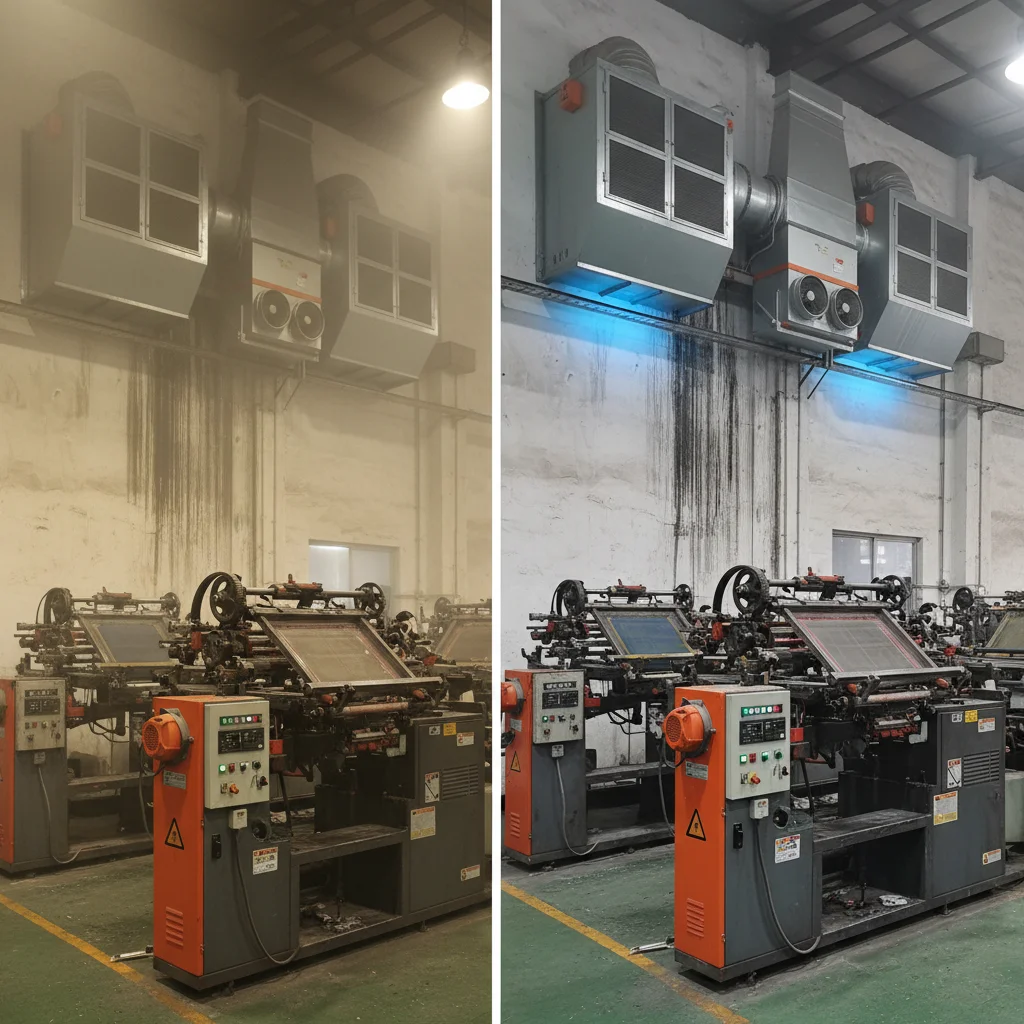
Industrial Wall Mounted Air Filtration for Clean Work Environments