

April 04, 2026
The demand for aesthetically pleasing and robust iron jali (lattice work) is consistently high across various applications, from architectural detailing to safety barriers. A high-quality iron jali making machine is essential for businesses looking to efficiently and accurately produce these intricate designs. This article explores the benefits, features, and considerations when investing in an iron jali making machine, catering to businesses involved in construction, interior design, and metal fabrication. Choosing the right machine can significantly enhance your production capacity and product quality.
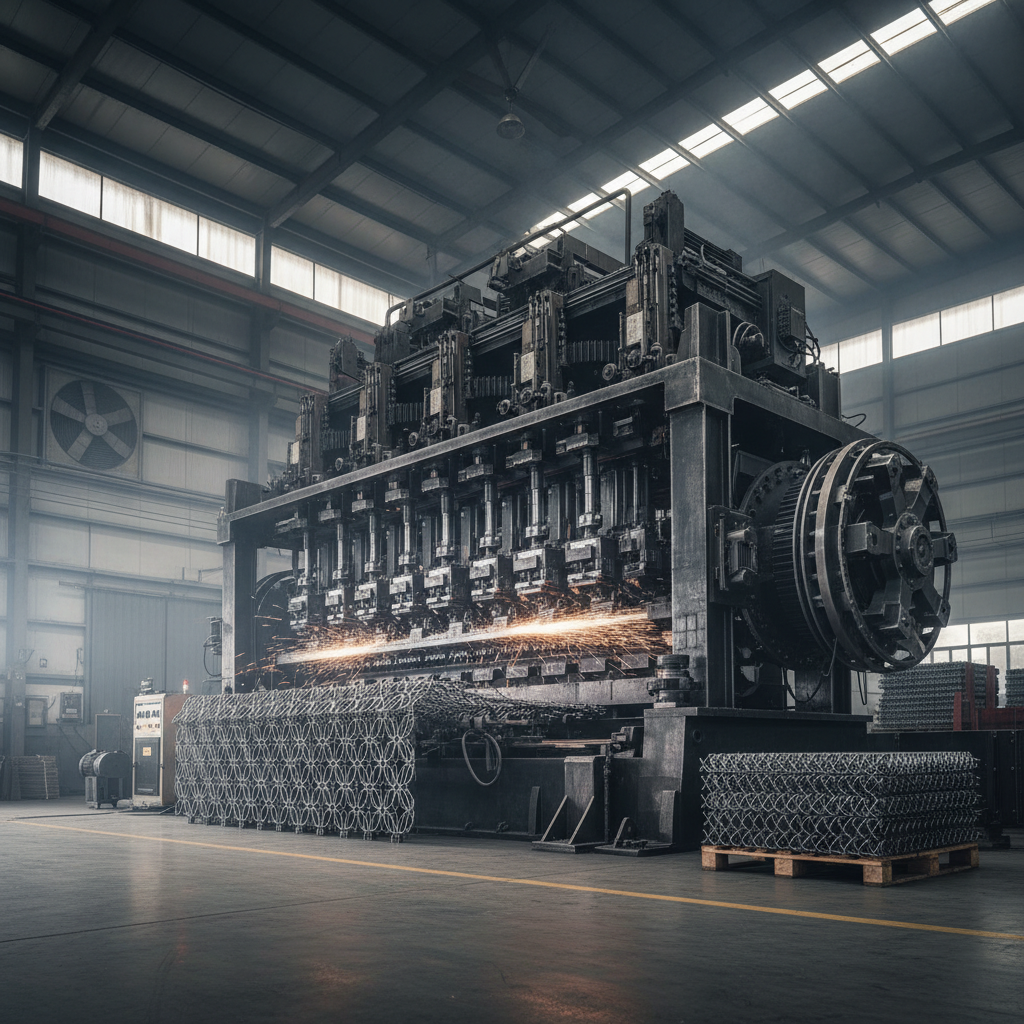
Iron jali making machines are specialized equipment designed to automate the process of creating intricate lattice patterns in iron. Traditionally, this work was performed manually, which was time-consuming and required skilled labor. Modern machines utilize various techniques, including mechanical pressing, die casting, and welding, to efficiently produce jali designs with precision and consistency. These machines are available in varying sizes and capacities, catering to small-scale workshops and large industrial operations. A key advantage of these machines is the ability to replicate designs accurately, ensuring uniformity in production.
Key Benefits: Automated production, increased efficiency, consistent quality, reduced labor costs, design replication.
Several types of iron jali making machines are available, each with its own advantages and disadvantages. The most common types include:
Mechanical Jali Making Machines: These machines use a mechanical pressing system to create the jali pattern. They are generally suitable for simpler designs and lower production volumes.
Hydraulic Jali Making Machines: Utilizing hydraulic power, these machines can handle more complex designs and higher production demands. They offer greater precision and control.
Welding Jali Making Machines: These machines utilize welding techniques to join the iron components, creating the jali pattern. This method is ideal for producing intricate designs with varying dimensions.
Die Casting Jali Making Machines: Offering high precision and speed, these machines are suitable for mass production of consistent jali designs.
The best choice of machine depends on the specific requirements of your business, including the complexity of the designs, the production volume, and your budget. Mesh Machinery offers a comprehensive range of options to suit diverse needs.
When selecting an iron jali making machine, consider the following key features:
Production Capacity: The machine's capacity should align with your production demands.
Design Complexity: Ensure the machine can handle the complexity of the jali designs you intend to produce.
Material Compatibility: Verify that the machine is compatible with the type of iron you plan to use.
Automation Level: Consider the level of automation offered by the machine to optimize efficiency.
Maintenance Requirements: Inquire about the maintenance requirements and availability of spare parts.
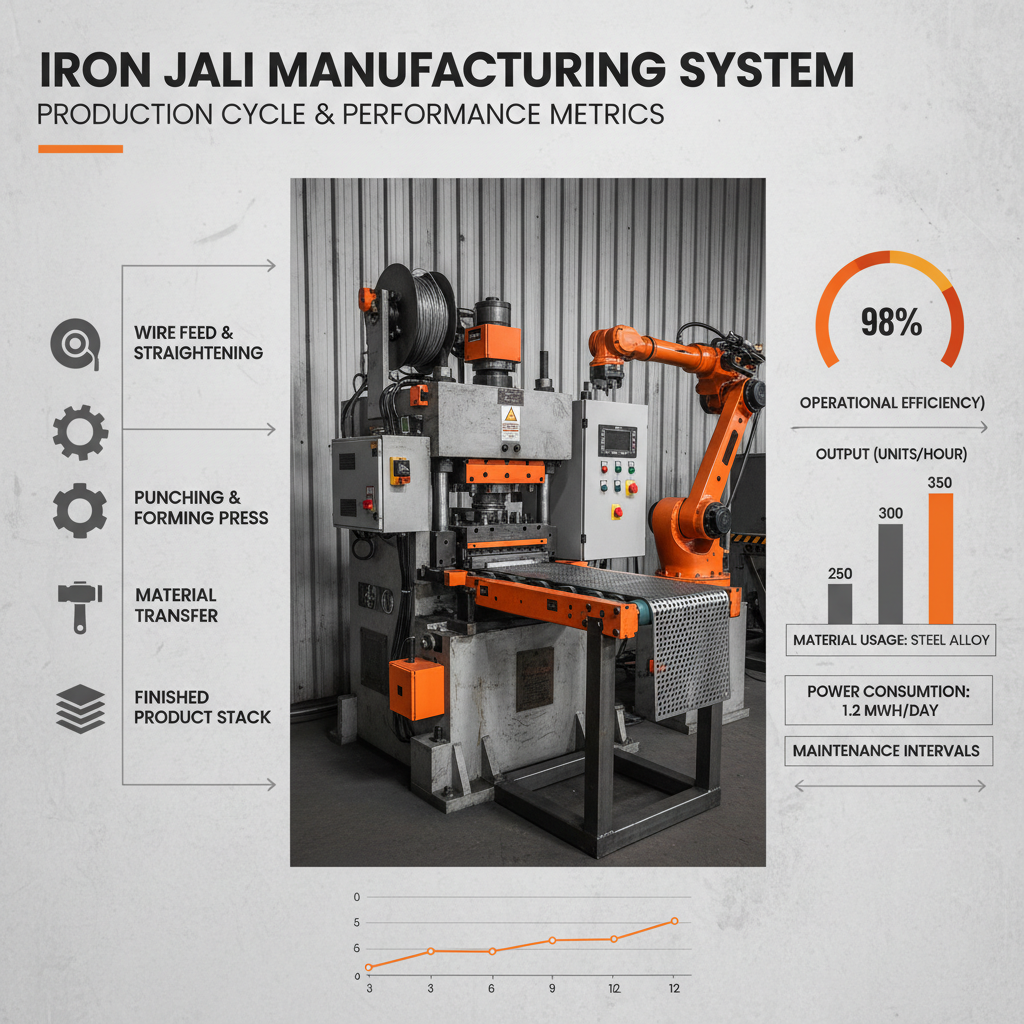
Here’s a comparison of some popular models to help you make an informed decision:
Selecting a reliable supplier is crucial for ensuring the quality and longevity of your iron jali making machine. Look for suppliers with a proven track record, positive customer reviews, and excellent after-sales support. Mesh Machinery is a trusted provider of high-quality iron jali making machines, offering comprehensive solutions and expert support to businesses worldwide.
Investing in the right iron jali making machine is a strategic decision that can significantly enhance your business's productivity, product quality, and profitability. By carefully considering your specific needs and choosing a reliable supplier like Mesh Machinery, you can ensure a successful investment that delivers long-term value.
Most iron jali making machines are designed to work with mild steel, galvanized iron, and stainless steel. However, the specific material compatibility can vary depending on the machine model. It's crucial to check the manufacturer's specifications to ensure the machine can handle the type of iron you intend to use. Using incompatible materials can damage the machine and void the warranty.
Power consumption varies significantly based on the machine's type and capacity. Mechanical machines generally have lower power requirements compared to hydraulic or welding machines. A typical mechanical machine might consume 2-3 kW, while a hydraulic machine could require 5-10 kW or more. It's important to factor in power consumption when calculating operating costs.
Regular maintenance is crucial for ensuring the longevity and optimal performance of your iron jali making machine. This typically includes lubricating moving parts, checking for wear and tear on components, cleaning the machine, and inspecting electrical connections. Refer to the manufacturer’s manual for specific maintenance recommendations. Preventive maintenance can significantly reduce the risk of breakdowns and costly repairs.
While some machines are relatively straightforward to operate, most benefit from specialized training. Training ensures operators understand the machine's features, safety protocols, and proper operating procedures. Mesh Machinery often provides training programs or resources to help customers effectively operate and maintain their equipment.

High Precision Wedge Wire Screen Welding Machine Factory Suppliers in China


Nov 10, 2026
Technical Factors Influencing the Gabion Machine Price


