
April 04, 2026
In the world of agriculture, construction, and various industrial applications, chicken wire plays a crucial role. Efficient and reliable production of this versatile material relies heavily on a robust chicken wire machine. This article delves into the intricacies of these machines, exploring their types, components, applications, and factors to consider when making a purchase. Whether you're a seasoned professional or new to the field, this guide provides a comprehensive overview of everything you need to know to optimize your chicken wire production process. Understanding the key features and capabilities of these machines will help you to make the most informed decision for your business.
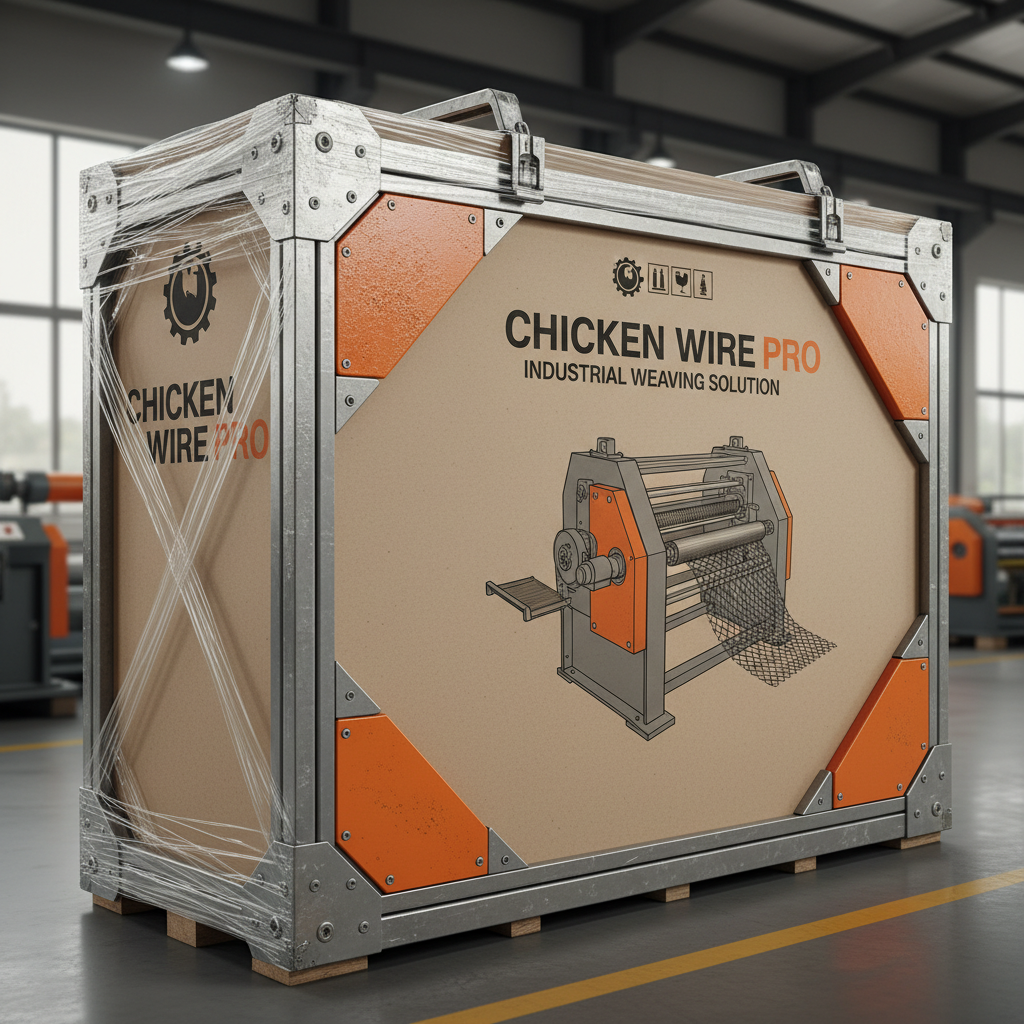
Chicken wire machines aren't a one-size-fits-all solution. Different types cater to varying production scales and desired wire thicknesses. The most common categories include manual, semi-automatic, and fully automatic machines. Manual machines require significant human effort and are best suited for small-scale operations. Semi-automatic machines assist with certain processes, increasing efficiency. Fully automatic machines, utilizing advanced PLC control systems, offer the highest production rates and minimal operator intervention. The choice depends on your production volume, budget, and labor availability. Increasingly, manufacturers like Mesh Machinery are focusing on developing automated solutions for maximum efficiency.
Key Considerations: When selecting a machine, consider your output needs, wire gauge, mesh size, and desired level of automation. Understanding these factors will ensure you choose a machine that aligns with your specific requirements.
A typical chicken wire machine comprises several key components working in harmony. These include a wire feeding system, a twisting die, a mesh forming section, and a winding mechanism. The wire feeding system ensures a consistent supply of wire to the machine. The twisting die is where the wire is twisted together to create the characteristic chicken wire pattern. The mesh forming section shapes the twisted wire into a flat sheet, and the winding mechanism neatly rolls the finished product into coils. The quality of each component directly impacts the final product's consistency and durability.
Essential Components:
• Wire Feeding System: Ensures smooth and consistent wire supply.
• Twisting Die: Creates the characteristic twisted wire pattern.
• Mesh Forming Section: Shapes the wire into a flat sheet.
• Winding Mechanism: Rolls the finished product into coils.
Choosing the right type of chicken wire machine requires understanding the advantages and disadvantages of each. Here's a comparative look to help guide your decision:
Chicken wire finds widespread use across diverse sectors. In agriculture, it's essential for poultry fencing, protecting crops, and creating garden supports. Construction utilizes it for reinforcing concrete, creating temporary barriers, and providing scaffolding support. Furthermore, it’s employed in crafting industrial filters, packaging materials, and even decorative elements. The demand for high-quality chicken wire is consistent, making investment in a reliable chicken wire machine a smart business decision.
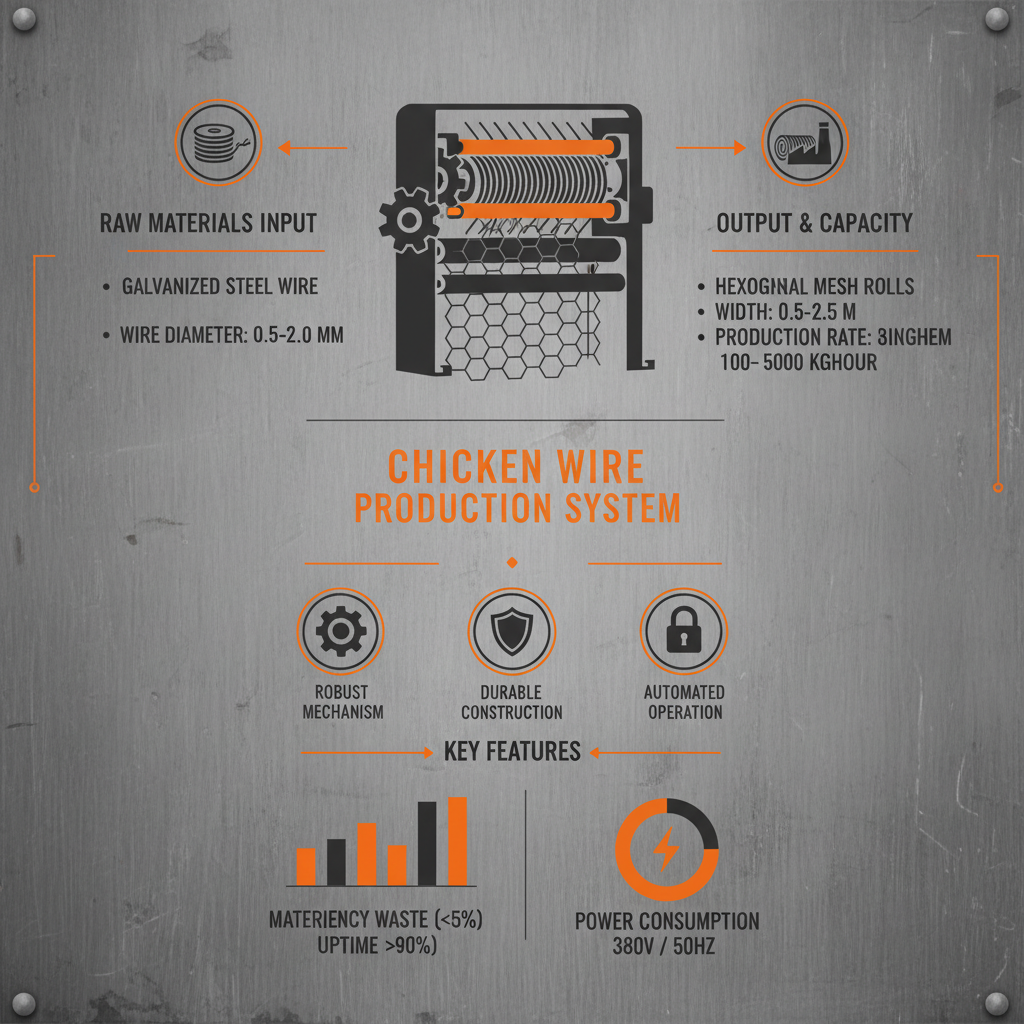
Before investing in a chicken wire machine, consider several critical factors. These include production capacity, wire material compatibility, power requirements, and after-sales support. Ensure the machine can handle the specific wire gauge and material you intend to use. Assess your power supply to ensure it meets the machine’s requirements. Furthermore, prioritize vendors like Mesh Machinery who provide comprehensive after-sales support, including installation, training, and spare parts availability. A reliable supplier can significantly minimize downtime and maximize your return on investment.
Investing in the right chicken wire machine is crucial for optimizing production, ensuring quality, and maximizing profitability. By carefully considering your needs, researching available options, and selecting a reputable supplier, you can secure a machine that delivers long-term value. Don’t hesitate to consult with experts to find the perfect solution for your business.
Most chicken wire machines are designed to process galvanized iron wire, PVC-coated wire, and stainless steel wire. However, it's crucial to confirm the machine's compatibility with your specific wire material before purchasing. Some machines may require adjustments or specialized components to handle certain wire types effectively. The wire gauge also plays a role, with machines typically supporting a range of diameters.
Regular maintenance is essential for ensuring the longevity and optimal performance of your chicken wire machine. This typically includes daily lubrication of moving parts, weekly cleaning of the wire feeding system, and monthly inspections of the twisting die and winding mechanism. It’s also vital to check and tighten bolts and screws periodically. Following the manufacturer’s recommended maintenance schedule will minimize downtime and prevent costly repairs.
Safety should always be a top priority when operating a chicken wire machine. Operators should wear appropriate personal protective equipment (PPE), including safety glasses, gloves, and ear protection. Never attempt to repair or adjust the machine while it's running. Ensure all safety guards are in place and functioning correctly. Proper training on machine operation and emergency procedures is crucial for preventing accidents.
Maintaining consistent wire tension, ensuring the twisting die is clean and properly aligned, and regularly inspecting the winding mechanism are key to improving product quality. Using high-quality wire material and controlling the machine's speed can also contribute to a more uniform and reliable final product. Regular calibration and maintenance will also help to achieve optimal results.
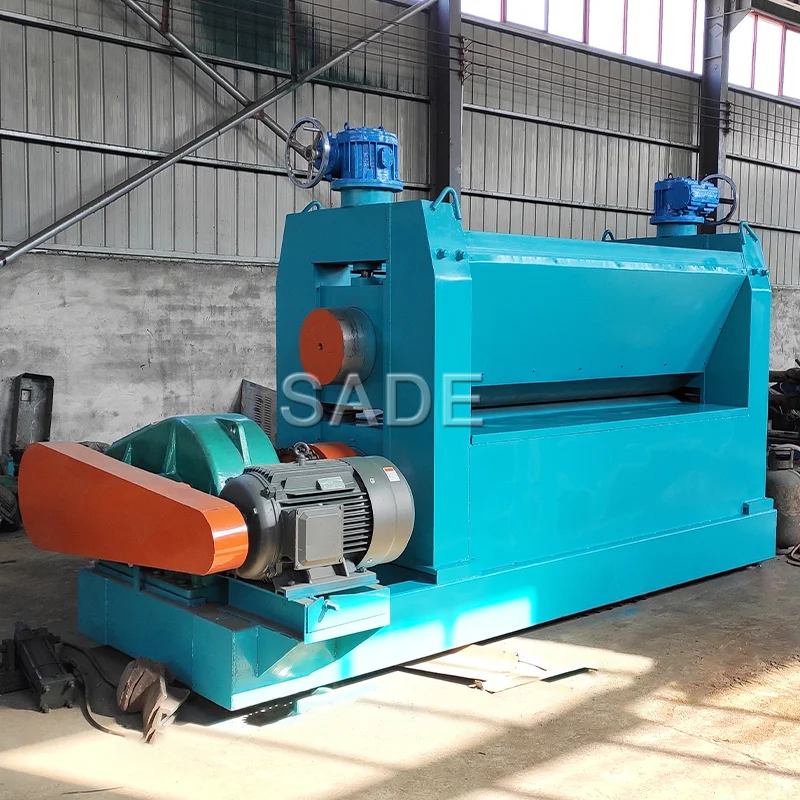
ZPJ Metal Mesh Flatting Machine
ZPJ metal mesh flatting machine is special designed for expanded metal flatting.It’s a corollary equipment of expanded metal machine. It can make expanded wire-mesh smoothly.And the flattened expanded metal have much more widely different applications.
Apr 24, 2026
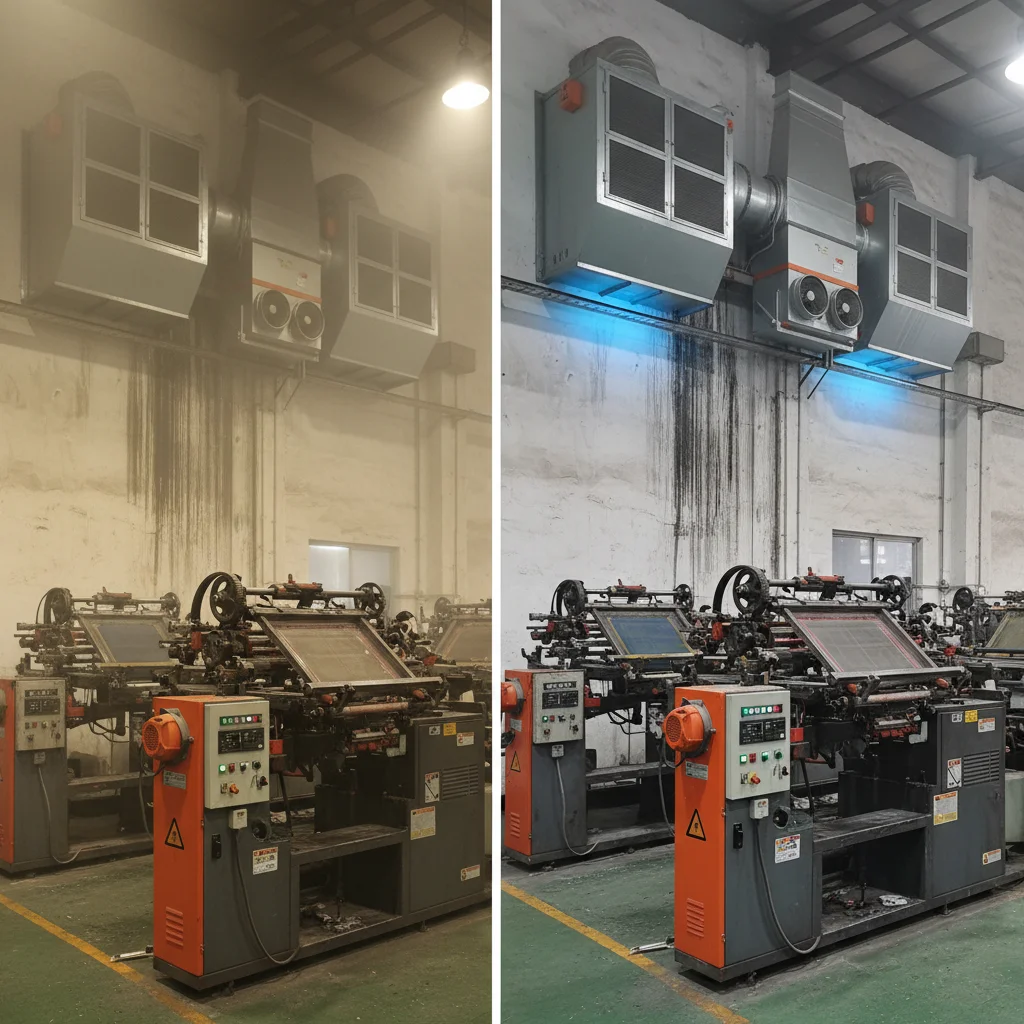
Industrial Wall Mounted Air Filtration for Clean Work Environments