
April 04, 2026
The demand for robust and reliable fencing solutions in agriculture, particularly for poultry farming, has fueled the need for efficient chicken mesh making machines. These machines are designed to produce high-quality wire mesh used in constructing secure enclosures for chickens, protecting them from predators and ensuring their safety. This article provides a detailed overview of these machines, covering their types, applications, key features, and factors to consider when choosing the right model. Understanding the intricacies of chicken mesh making machines is crucial for businesses involved in poultry farming and fencing material production.
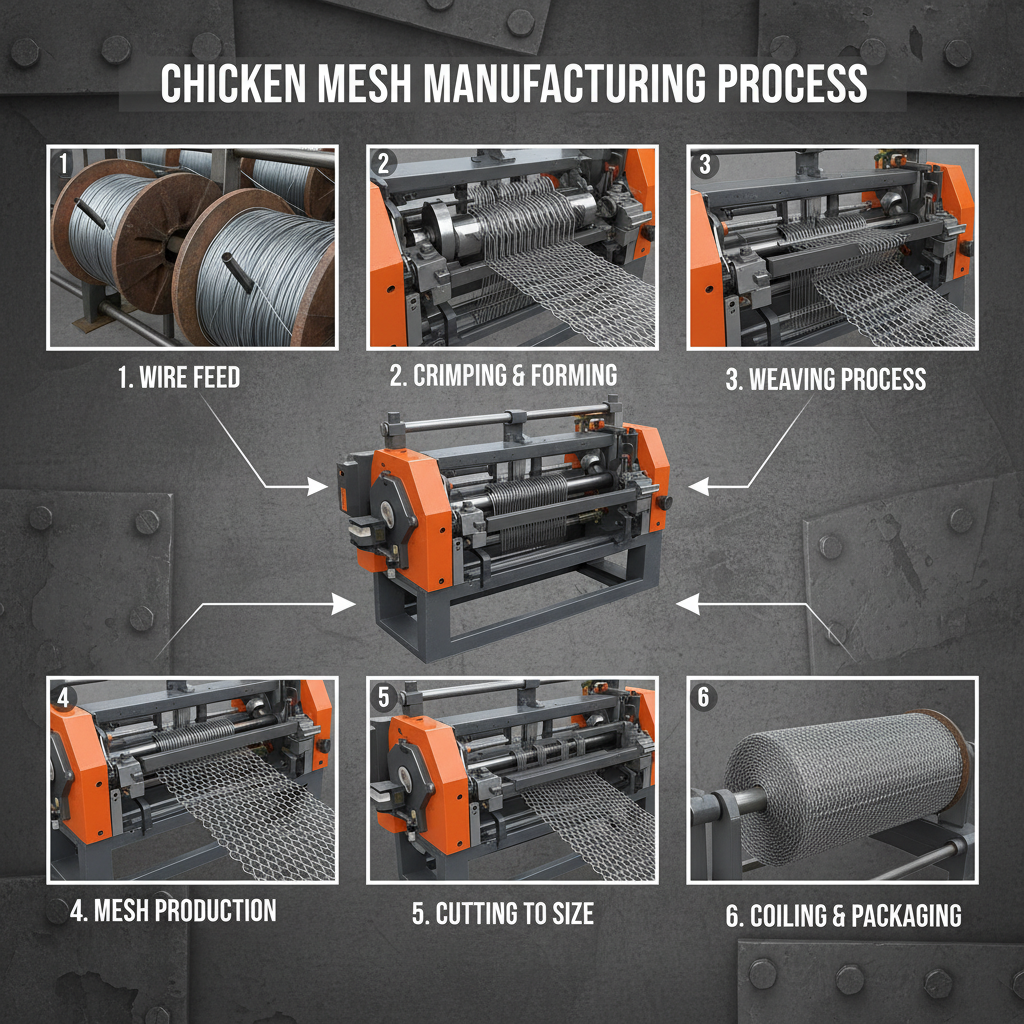
Several types of machines are available, each suited to different production needs and scales. Common types include chain link fence machines, hexagonal wire netting machines, and welded wire mesh machines. Chain link fence machines produce the familiar diamond-shaped mesh, while hexagonal netting machines create a tightly woven mesh ideal for poultry enclosures. Welded wire mesh machines offer a more rigid and uniform mesh structure. The choice depends on the desired mesh type, production volume, and budget. Mesh Machinery offers a wide variety of options to cater to these diverse needs.
Key Considerations: Consider production volume, desired mesh type, budget constraints, and available space when selecting a machine. Maintenance requirements and availability of spare parts are also vital factors.
When investing in a chicken mesh making machine, several key features should be considered. Automatic wire feeding systems minimize manual labor and ensure consistent production. Precise control panels allow for adjustments in mesh size and wire diameter. High-speed production capabilities maximize output and efficiency. Durable construction ensures long-term reliability and reduces downtime. Safety features, such as emergency stop buttons and protective guards, are crucial for operator safety.
Essential Features:
• Automatic Wire Feeding
• Precise Control Panels
• High-Speed Production
• Durable Construction
Selecting the right machine requires understanding the strengths and weaknesses of each type. Here's a comparison table to guide your decision:
The cost of a chicken mesh making machine varies depending on several factors. These include the machine type, production capacity, level of automation, and manufacturer. Fully automatic, high-capacity machines will naturally be more expensive than semi-automatic or manual models. The material and quality of components also influence the price. Mesh Machinery provides competitive pricing and financing options to suit different budgets.
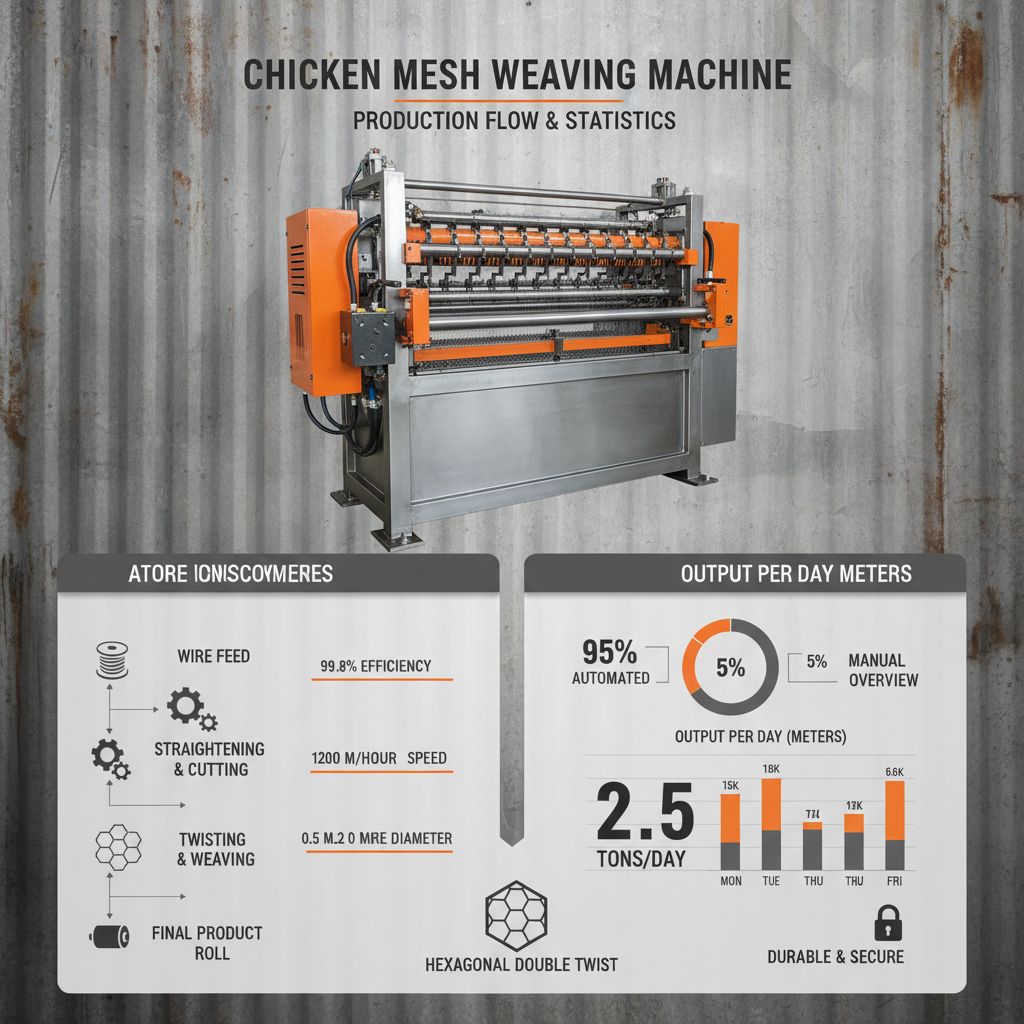
Regular maintenance is crucial for ensuring the longevity and efficiency of your chicken mesh making machine. This includes lubricating moving parts, cleaning dust and debris, and inspecting for worn or damaged components. Following the manufacturer’s recommended maintenance schedule is essential. Proper maintenance prevents breakdowns, reduces downtime, and ensures consistent product quality.
Investing in a high-quality chicken mesh making machine is a strategic decision for businesses aiming to produce durable and reliable fencing solutions. By carefully considering your specific needs, comparing different machine types, and prioritizing regular maintenance, you can maximize your return on investment and ensure long-term success. Don’t compromise on quality – choose a machine that delivers performance and reliability.
Power requirements vary depending on the machine's size and automation level. Smaller, semi-automatic machines may require a 220V single-phase power supply, while larger, fully automatic machines typically need a 380V three-phase power supply. It's crucial to check the manufacturer's specifications before installation to ensure your facility can provide the necessary power. Incorrect voltage can damage the machine and void the warranty.
Most chicken mesh making machines are designed to work with galvanized iron wire, stainless steel wire, and PVC-coated wire. The wire gauge (thickness) will depend on the machine's capacity and the desired mesh strength. It's important to use wire that meets the machine's specifications to avoid damage and ensure optimal performance. Mesh Machinery can advise on compatible wire types for specific models.
The level of training required varies depending on the machine’s complexity. Semi-automatic machines require less training than fully automated models. Manufacturers typically provide comprehensive training manuals and on-site training programs to ensure operators can safely and efficiently operate the machine. It is important to have personnel properly trained on all safety features and operational procedures.
Warranty periods vary by manufacturer, but generally range from 12 months to 24 months. The warranty typically covers defects in materials and workmanship. It’s important to carefully review the warranty terms and conditions before purchasing. Extended warranty options may also be available for added peace of mind.
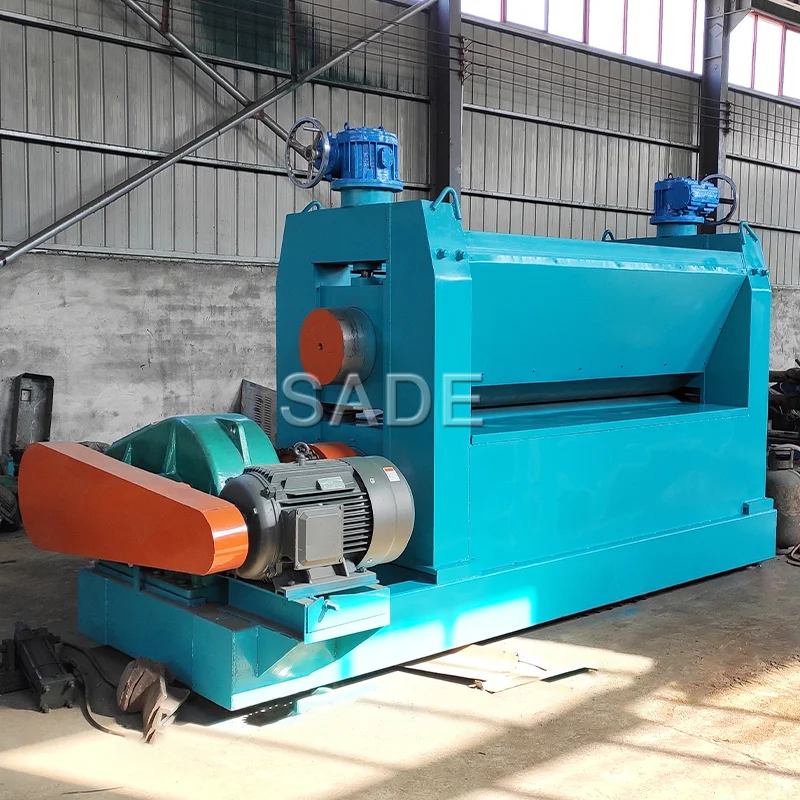
ZPJ Metal Mesh Flatting Machine
ZPJ metal mesh flatting machine is special designed for expanded metal flatting.It’s a corollary equipment of expanded metal machine. It can make expanded wire-mesh smoothly.And the flattened expanded metal have much more widely different applications.
Apr 24, 2026
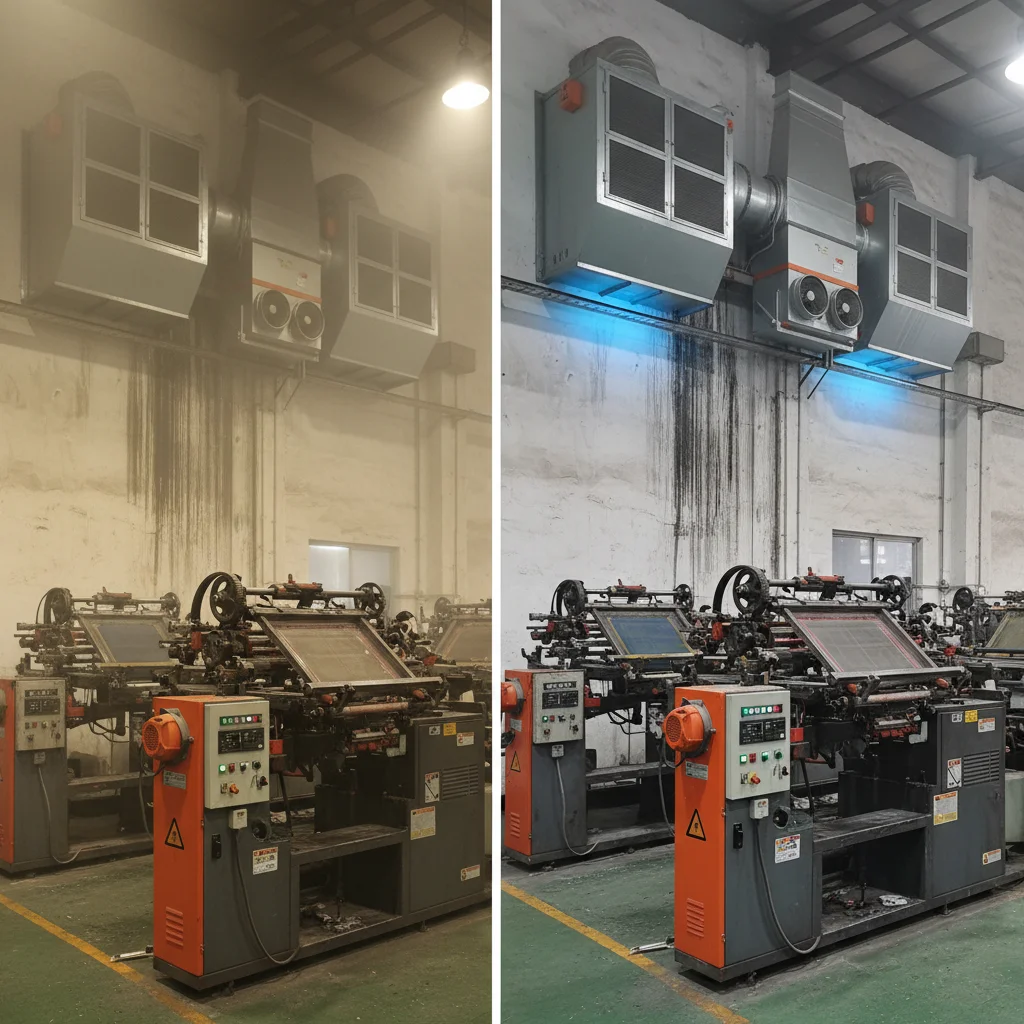
Industrial Wall Mounted Air Filtration for Clean Work Environments