
March 28, 2026
The demand for wire netting is steadily increasing across various industries, including agriculture, construction, and security. At the heart of meeting this demand is the wire netting machine, a sophisticated piece of equipment designed for efficient and precise fabrication. This article will explore the different types of wire netting machines, their applications, key considerations when choosing a machine, and the future trends shaping this technology. Understanding these aspects is crucial for businesses looking to invest in or optimize their wire netting production processes.
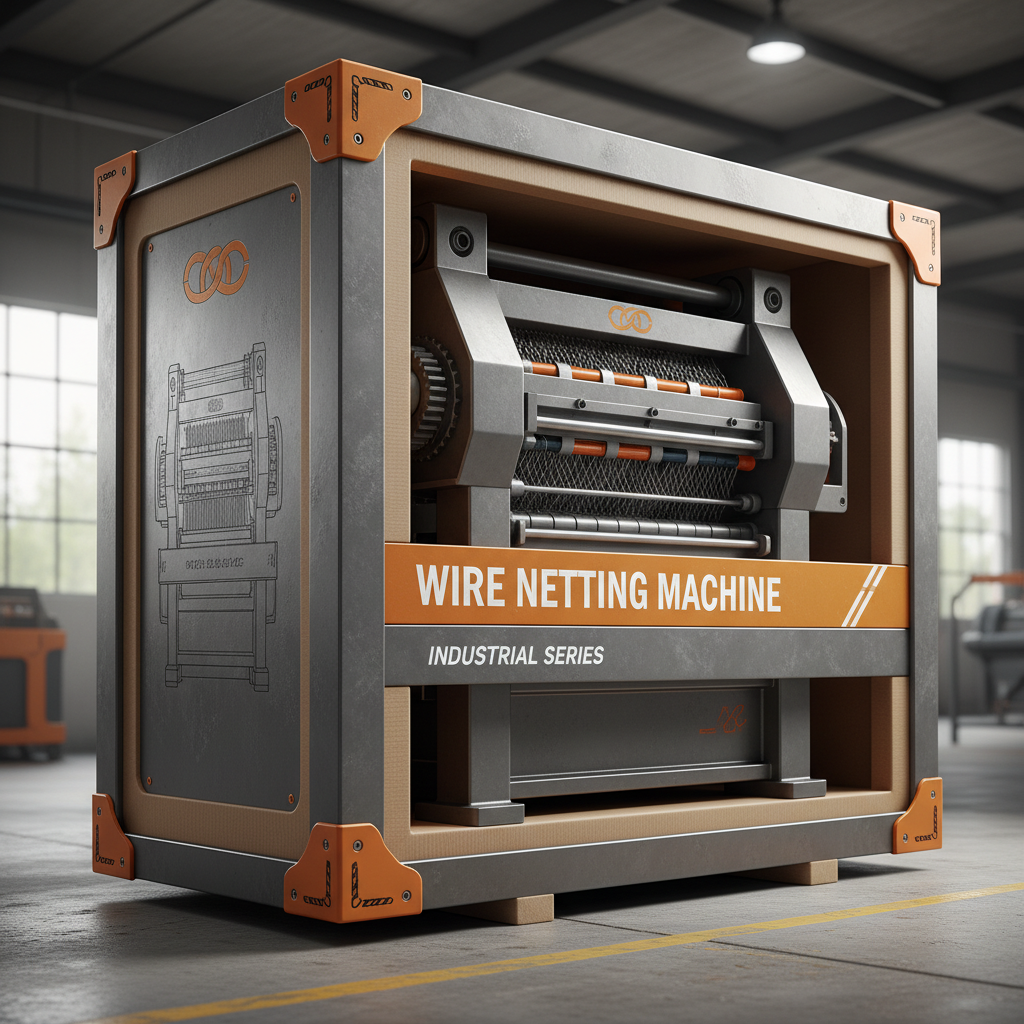
Wire netting machines come in several varieties, each tailored to specific production requirements. The most common types include chain link fence machines, hexagonal wire netting machines, and square mesh netting machines. Chain link fence machines are designed for creating the interwoven wire commonly used in fencing. Hexagonal wire netting machines produce netting with a hexagonal mesh pattern, frequently used in poultry enclosures and gabions. Square mesh netting machines create a uniform square pattern suitable for applications like window screens and filtration systems. Choosing the right machine depends on the desired mesh size, wire diameter, and production volume. Mesh Machinery offers a comprehensive range of these machine types.
Key Considerations: The selection of the correct wire netting machine is paramount to achieving efficient production, meeting market demands, and maximizing return on investment.
When investing in a wire netting machine, several key features should be considered. Automation level is critical – fully automatic machines offer higher production rates and reduced labor costs, while semi-automatic machines provide a balance between efficiency and manual control. The machine's capacity, specified in terms of output per hour, should align with your production goals. The material compatibility of the machine, ensuring it can handle the specific types of wire you intend to use (stainless steel, galvanized steel, etc.), is another important factor. Finally, consider the machine’s ease of maintenance and the availability of spare parts.
Essential Features:
• Automation Level (Fully/Semi-Automatic)
• Production Capacity (Output per Hour)
• Material Compatibility (Wire Types)
• Ease of Maintenance & Spare Parts Availability
Selecting the appropriate machine necessitates a clear understanding of the strengths and weaknesses of each type. Consider the following comparison to guide your decision-making process.
The versatility of wire netting extends across numerous sectors. In agriculture, it's used for poultry netting, crop protection, and vineyard trellising. Construction utilizes it for reinforcement, safety barriers, and concrete encasement. The security industry relies on chain link fencing and reinforced netting for perimeter protection. Additionally, wire netting finds applications in filtration, packaging, and even artistic installations. The breadth of these applications underscores the continued importance of reliable and efficient wire netting machines.
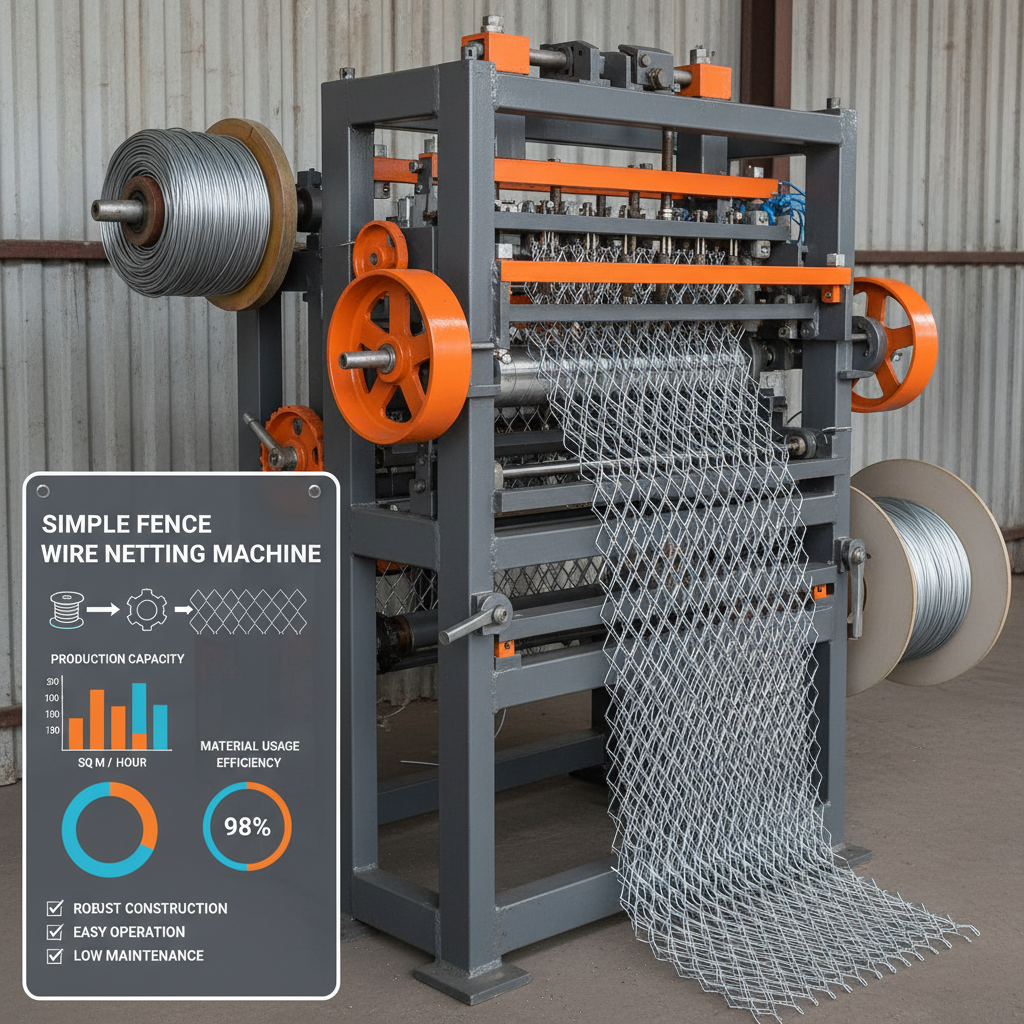
The wire netting machine industry is constantly evolving. Current trends include the integration of advanced sensors for real-time quality control, the development of more energy-efficient machines, and the increasing use of robotics for automated material handling. Furthermore, manufacturers are focusing on creating machines that can handle a wider range of wire diameters and materials, providing greater flexibility to their customers. The adoption of Industry 4.0 principles, such as data analytics and remote monitoring, is also gaining traction, allowing for predictive maintenance and optimized production processes.
Investing in a modern wire netting machine is a strategic decision for businesses aiming to enhance production efficiency, product quality, and overall profitability. By carefully considering your specific needs and selecting a machine with the appropriate features and automation level, you can unlock significant benefits. Mesh Machinery provides the expertise and equipment to support your success in the growing wire netting market.
Regular maintenance is crucial for extending the life of your wire netting machine. This includes daily lubrication of moving parts, periodic inspection of belts and gears for wear and tear, and regular cleaning to remove debris. It's also important to check and tighten all bolts and connections. Depending on the machine type, you might need to replace cutting tools or dies periodically. Refer to the manufacturer's manual for specific maintenance schedules and procedures. Proactive maintenance helps prevent costly breakdowns and ensures optimal performance.
Most wire netting machines can handle a variety of wire materials, including galvanized steel, stainless steel, iron wire, and copper wire. The specific capability depends on the machine’s design and tooling. Some machines are specifically designed for processing harder materials like stainless steel, while others are better suited for softer wires. It is important to specify the wire materials you intend to use when purchasing a machine to ensure compatibility.
Lead times for wire netting machines can vary depending on the machine type, complexity, and current order backlog. Generally, standard machines are available within 4-8 weeks, while customized machines can take 12-16 weeks or longer. It is best to inquire with the manufacturer directly for an accurate estimate based on your specific requirements. Factors like material availability and shipping logistics can also affect the lead time.
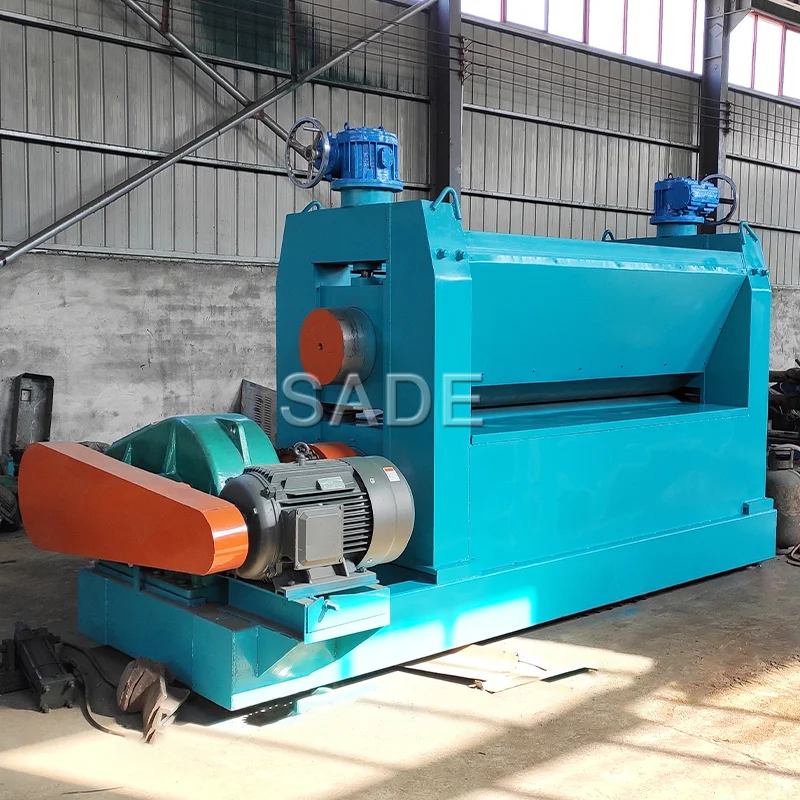
ZPJ Metal Mesh Flatting Machine
ZPJ metal mesh flatting machine is special designed for expanded metal flatting.It’s a corollary equipment of expanded metal machine. It can make expanded wire-mesh smoothly.And the flattened expanded metal have much more widely different applications.
Apr 24, 2026
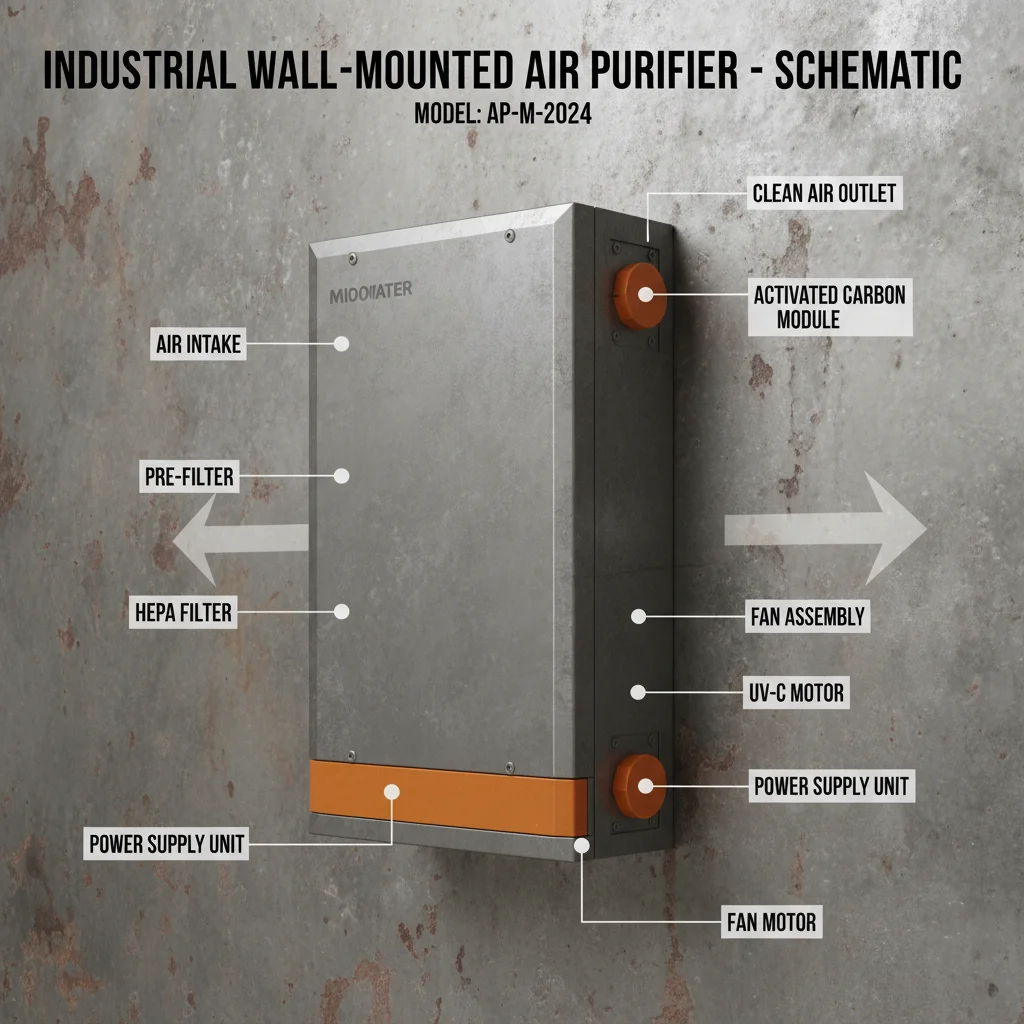
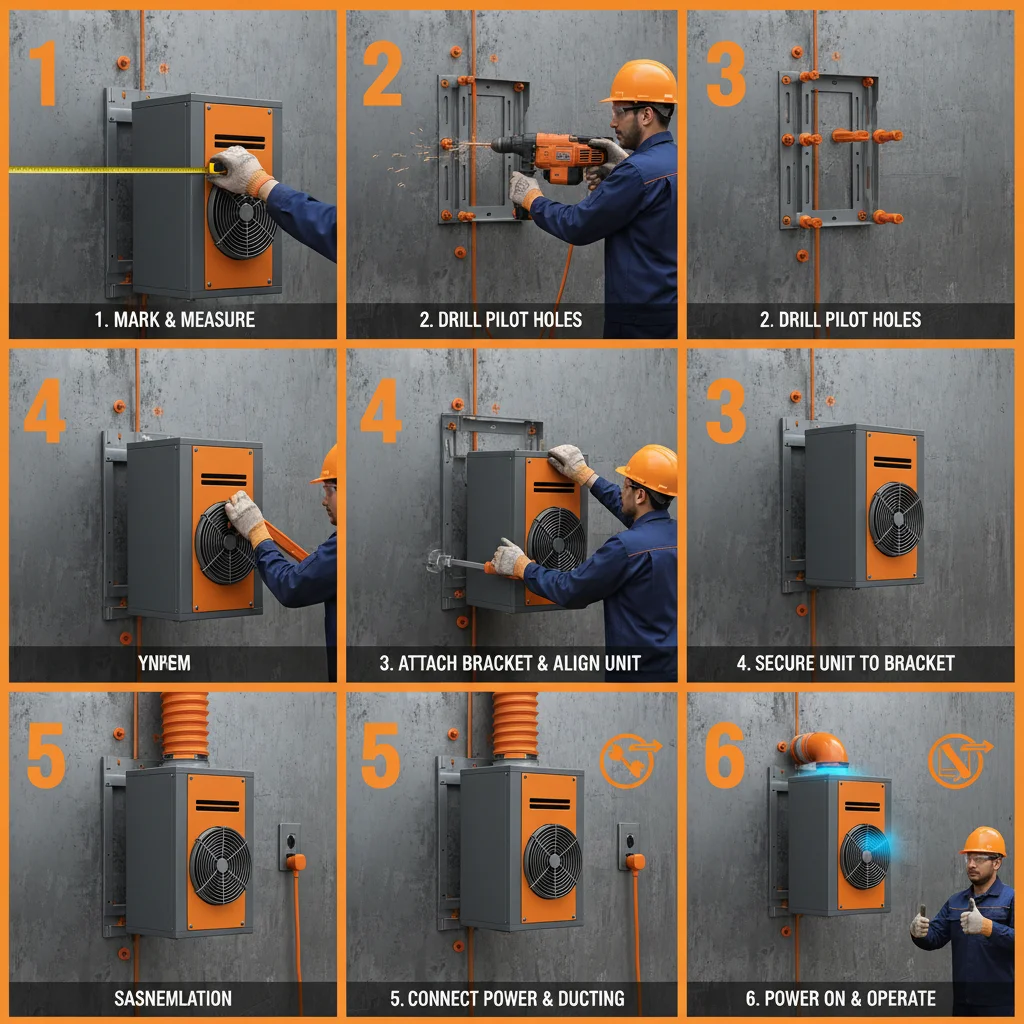
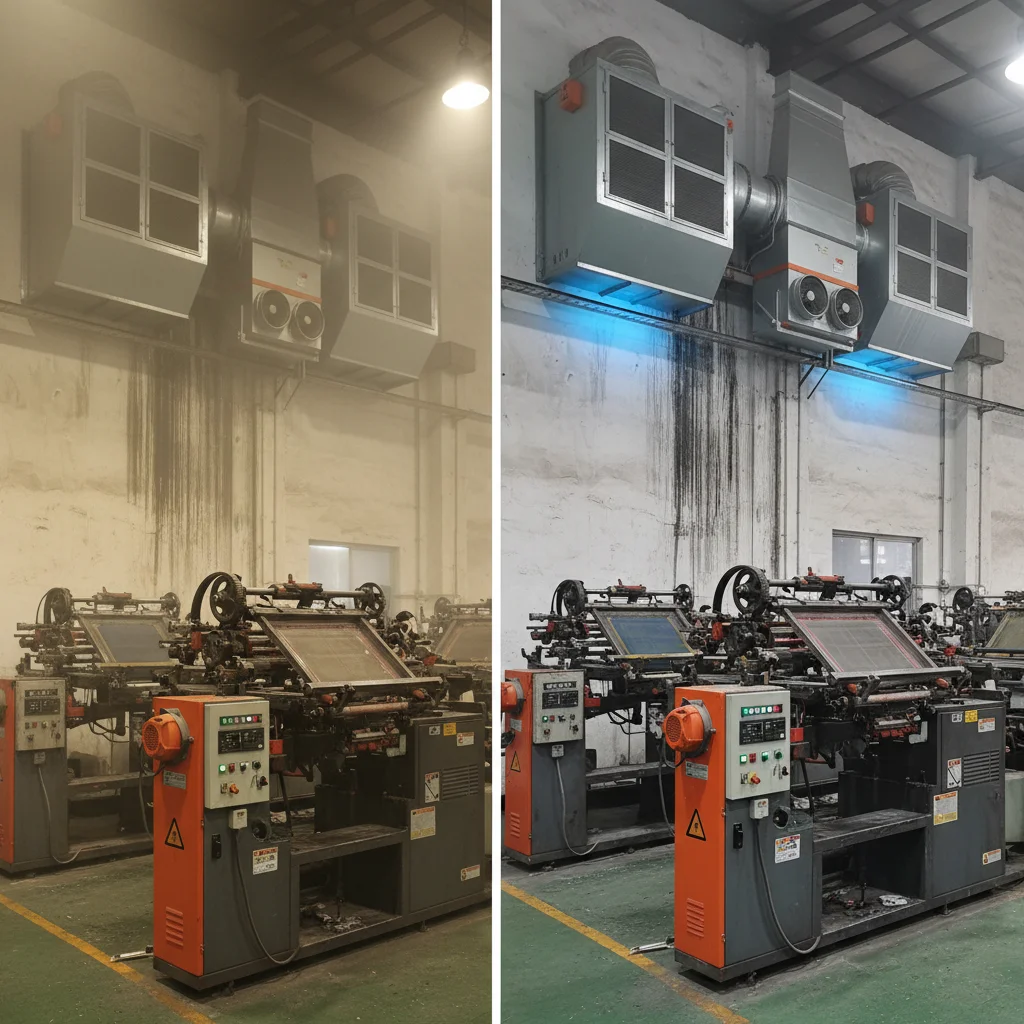
Industrial Wall Mounted Air Filtration for Clean Work Environments