
March 26, 2026
In the dynamic world of metal fabrication and construction, the efficiency and precision of a wire mesh cutting machine are paramount. Whether you’re working with hardware cloth, expanded metal, or woven wire mesh, choosing the correct machine can significantly impact your productivity and the quality of your finished products. This article provides a comprehensive guide to understanding the different types of wire mesh cutting machines, their applications, key features, and factors to consider when making a purchase. We'll explore how selecting the optimal machine can optimize your operations and deliver superior results.
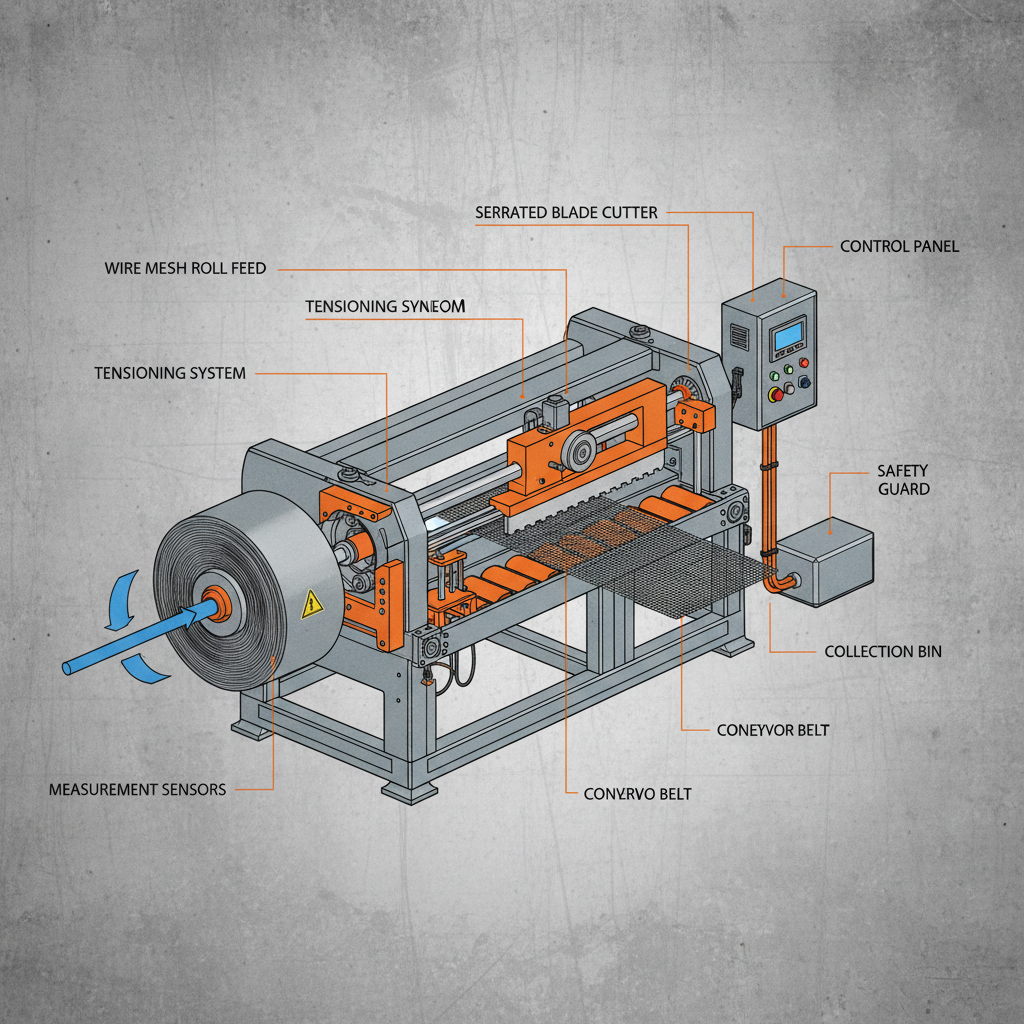
Wire mesh cutting machines come in various forms, each designed for specific applications and materials. The most common types include: Shear Type Cutting Machines – ideal for quickly cutting straight lines in softer wire meshes. Rotary Cutting Machines – best suited for intricate shapes and curves, offering high precision. Disc Cutting Machines – utilize abrasive discs for cutting through harder and thicker wire meshes. CNC Wire Mesh Cutting Machines – offer automated, computer-controlled cutting for complex patterns and high-volume production. Selecting the right type depends on the mesh type, thickness, desired cut quality, and production volume.
Key Considerations: The material of the wire mesh (stainless steel, galvanized steel, aluminum, etc.), the wire diameter, and the desired edge finish are crucial factors in determining the appropriate cutting machine.
When evaluating different wire mesh cutting machine options, several features are critical. Cutting Precision: Look for machines with adjustable guides and accurate cutting mechanisms. Cutting Speed: Consider the machine's cycle time and its ability to handle large production volumes. Material Compatibility: Ensure the machine can effectively cut the types of wire mesh you commonly work with. Safety Features: Prioritize machines with emergency stop buttons, safety guards, and other protective measures. Automation Capabilities: CNC machines offer automated operation, reducing labor costs and improving consistency.
Essential Features:
• Adjustable cutting parameters for different mesh types
• Durable construction for long-term reliability
• User-friendly interface and easy maintenance
• Robust safety mechanisms to protect operators
Choosing between shear, rotary, and disc cutting machines requires careful consideration of your specific needs. Shear machines are excellent for straight cuts and high-speed production, but struggle with curves. Rotary machines excel at complex shapes but are slower. Disc machines handle thicker materials but produce more heat and require frequent disc changes. Understanding these trade-offs is crucial for maximizing efficiency and achieving optimal cut quality. Investing in a machine that doesn't align with your typical projects can lead to wasted time and resources.
Computer Numerical Control (CNC) wire mesh cutting machines represent the cutting edge of this technology. These machines offer unparalleled precision, automation, and repeatability. They are ideal for complex designs, high-volume production runs, and intricate patterns. CNC machines minimize material waste, reduce labor costs, and ensure consistent quality. While they represent a higher initial investment, the long-term benefits often outweigh the costs.
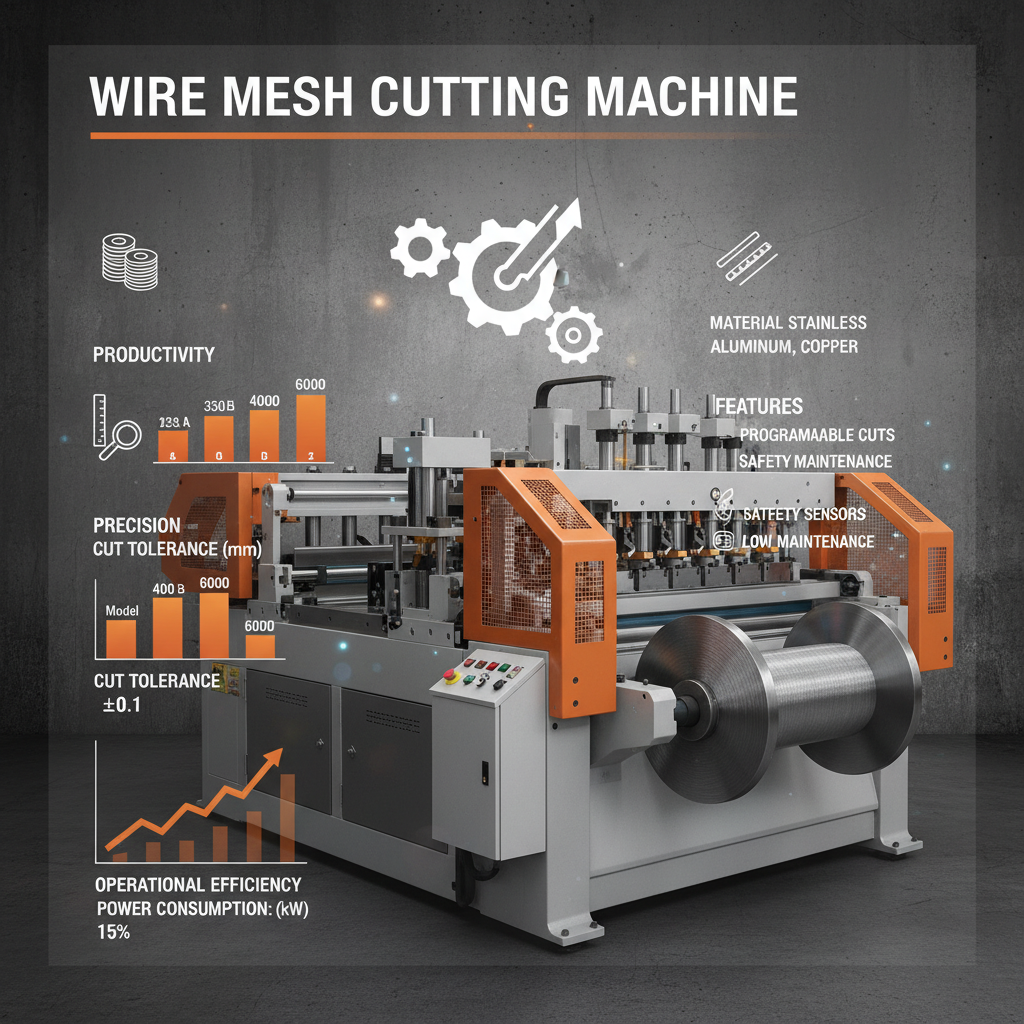
Selecting a reputable supplier is as important as choosing the right machine. Look for companies with a proven track record, excellent customer support, and a comprehensive range of machines to choose from. Consider factors like warranty coverage, availability of spare parts, and the supplier's ability to provide training and maintenance services. Mesh Machinery offers a diverse selection of high-quality wire mesh cutting machines and provides expert guidance to help you find the perfect solution for your needs.
Choosing the right wire mesh cutting machine is a critical investment that impacts efficiency, product quality, and overall profitability. By carefully considering your specific needs, the different types of machines available, and the reputation of the supplier, you can ensure a successful outcome. Don't hesitate to seek expert advice and explore the options available to find the perfect cutting solution for your business.
The price of a wire mesh cutting machine varies significantly depending on the type, features, and automation capabilities. Shear type machines typically range from $2,000 to $8,000, while rotary machines can cost between $5,000 and $15,000. Disc cutting machines generally fall within the $3,000 to $10,000 range. CNC machines are the most expensive, with prices starting at $10,000 and potentially exceeding $50,000 for advanced models. The cost also depends on the manufacturer, capacity, and level of customization.
Regular maintenance is essential for ensuring the longevity and performance of your machine. This includes lubricating moving parts, cleaning cutting blades or discs, and inspecting for wear and tear. For CNC machines, software updates and calibration are also crucial. Following the manufacturer’s recommended maintenance schedule is highly advised. Preventative maintenance can significantly reduce downtime and prevent costly repairs.
Safety should always be a top priority. Always wear appropriate personal protective equipment (PPE), including safety glasses, gloves, and hearing protection. Ensure the machine is properly grounded and that all safety guards are in place. Never operate the machine without proper training. Be mindful of moving parts and avoid reaching into the cutting area while the machine is running. Regularly inspect the machine for any safety hazards.
While most machines can handle a wide variety of wire mesh, some are better suited for specific materials and thicknesses. Hardened steel mesh, for example, may require a more powerful disc cutting machine or a specialized CNC model. Always check the machine’s specifications and consult with the manufacturer to ensure compatibility with your specific wire mesh type.
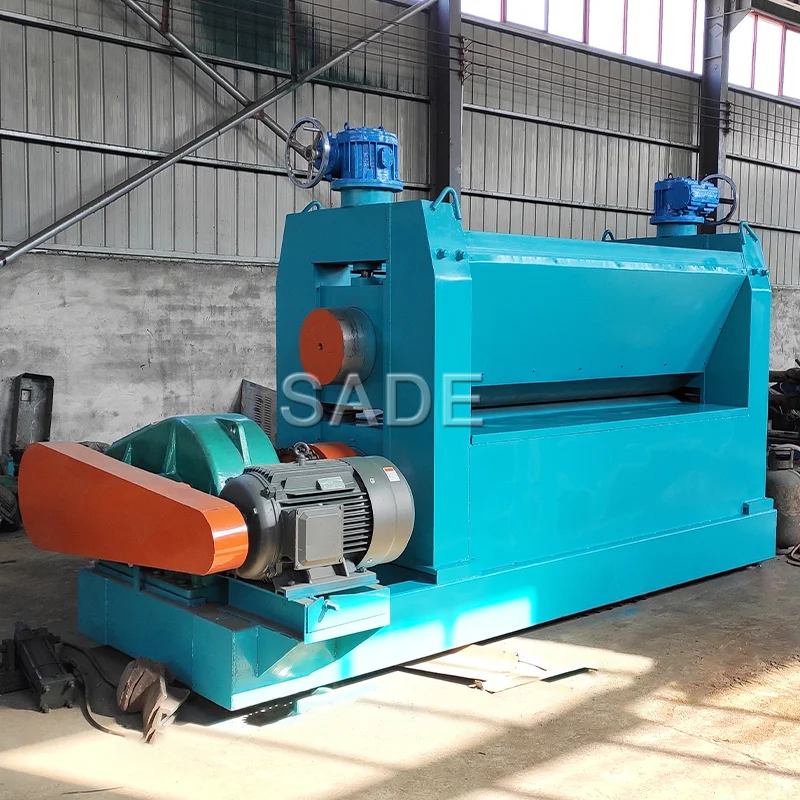
ZPJ Metal Mesh Flatting Machine
ZPJ metal mesh flatting machine is special designed for expanded metal flatting.It’s a corollary equipment of expanded metal machine. It can make expanded wire-mesh smoothly.And the flattened expanded metal have much more widely different applications.
Apr 24, 2026
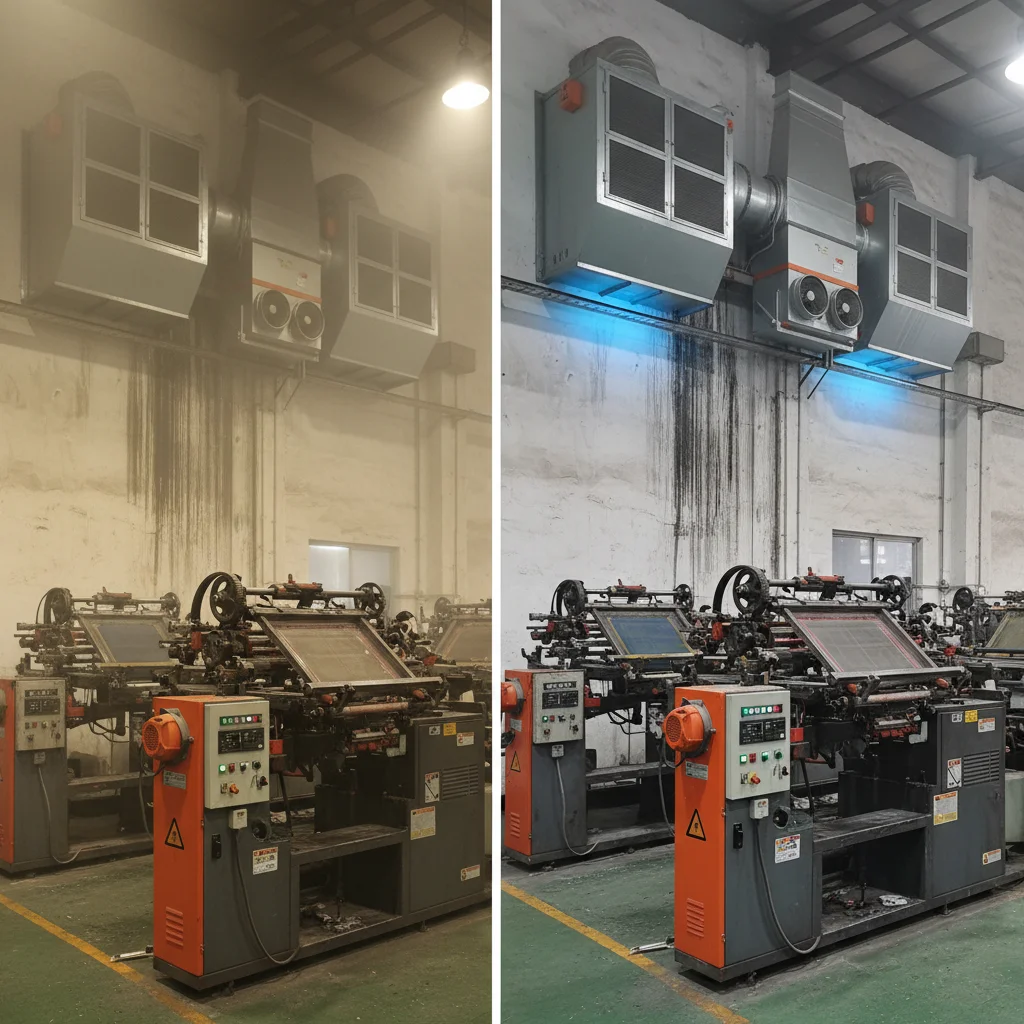
Industrial Wall Mounted Air Filtration for Clean Work Environments