
March 24, 2026
The demand for welded wire mesh is steadily increasing across a diverse range of industries, from construction and agriculture to security and manufacturing. This growth is fueling the need for efficient and reliable weld mesh manufacturing machines. This article will explore the types of machines available, key considerations when choosing a machine, the benefits of automated production, and current market trends. We'll provide a comprehensive overview for businesses looking to enter or expand within the welded wire mesh market. Investing in the right machinery is critical for optimizing production, reducing costs, and meeting evolving customer demands.
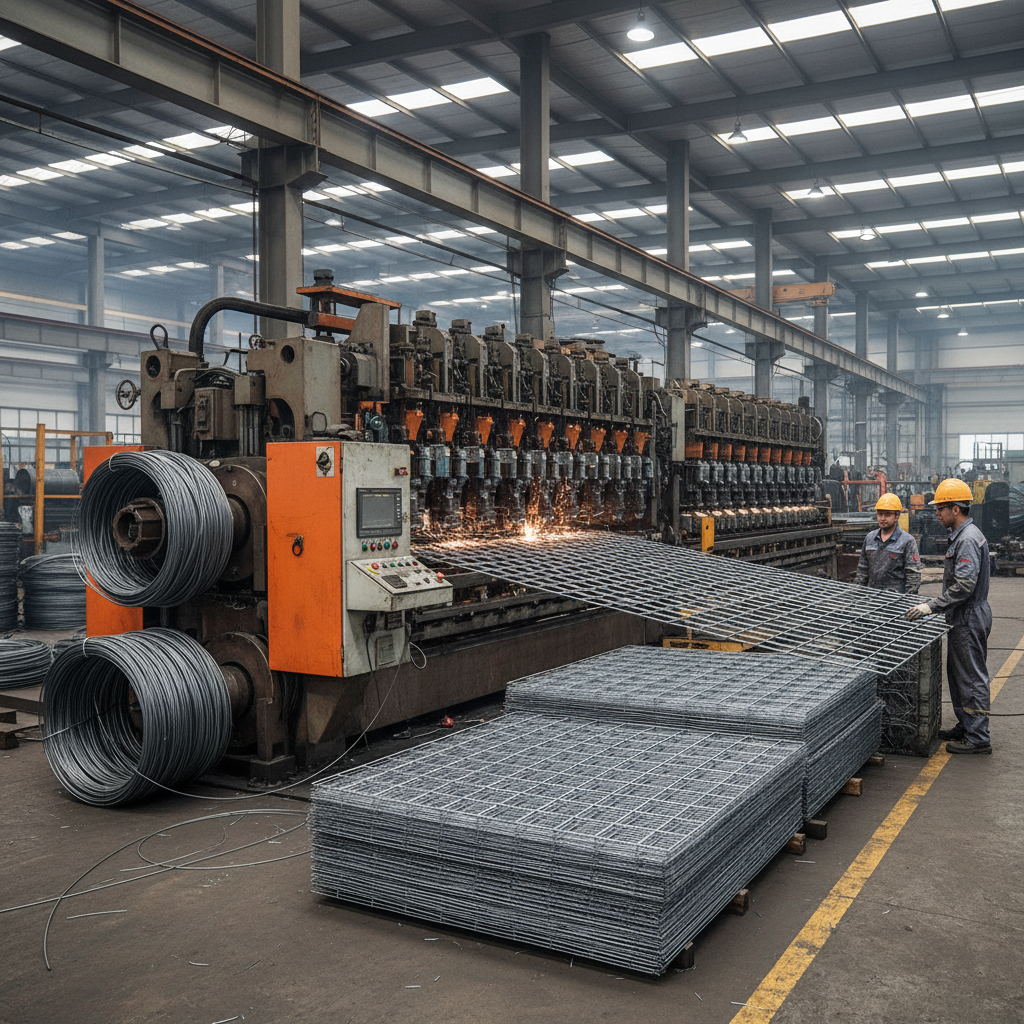
Several types of machines are used to manufacture welded wire mesh, each offering different capabilities and levels of automation. The most common include: Wire Straightening and Cutting Machines, which prepare the wire for welding; Welding Machines (spot welding, flash butt welding, and resistance welding are typical); Mesh Rolling Machines; and Automatic Weld Mesh Machines. Manual machines offer lower initial investment but require significantly more labor. Semi-automatic machines offer a balance between automation and manual operation, while fully automatic machines provide the highest levels of efficiency and consistency, though at a higher upfront cost. Understanding your production volume and budget is key to choosing the right type of machine.
Key Takeaway: Selecting the correct machine type is paramount to efficiently meeting production goals, optimizing cost-effectiveness and ensuring quality control.
Several critical factors must be considered before investing in a weld mesh manufacturing machine. These include: wire diameter capacity, the range of wire thicknesses the machine can handle; mesh aperture size range, the size of the openings in the mesh; production speed and output capacity, critical for meeting demand; power requirements and available infrastructure; level of automation desired; and the supplier's reputation and after-sales service. Consider future scalability - can the machine be upgraded or modified to accommodate changing market demands? Thoroughly assessing your needs and conducting due diligence on potential suppliers will ensure a successful investment.
Essential Factors to Evaluate:
• Wire Diameter Capacity: Determines the versatility of the machine.
• Mesh Aperture Range: Defines the variety of mesh products that can be created.
• Production Speed: Directly impacts output and profitability.
• Supplier Reliability: Crucial for ongoing support and maintenance.
Switching to automated weld mesh production offers numerous advantages. These include: increased production efficiency and output; reduced labor costs; improved product consistency and quality control; decreased material waste; and enhanced workplace safety. Automation minimizes human error, resulting in a more uniform and reliable product. Reduced reliance on manual labor allows businesses to optimize their workforce and focus on other critical areas, such as sales and marketing. The long-term return on investment for automated machinery often outweighs the initial cost.
The weld mesh manufacturing market is witnessing several key trends. These include: a growing demand for high-strength and corrosion-resistant mesh, particularly in construction and infrastructure projects; an increasing focus on sustainable manufacturing practices and reducing environmental impact; the adoption of Industry 4.0 technologies, such as IoT and data analytics, for improved process control and predictive maintenance; and a rise in the demand for customized mesh solutions tailored to specific customer needs. Manufacturers are responding by investing in advanced machinery and developing innovative mesh designs.
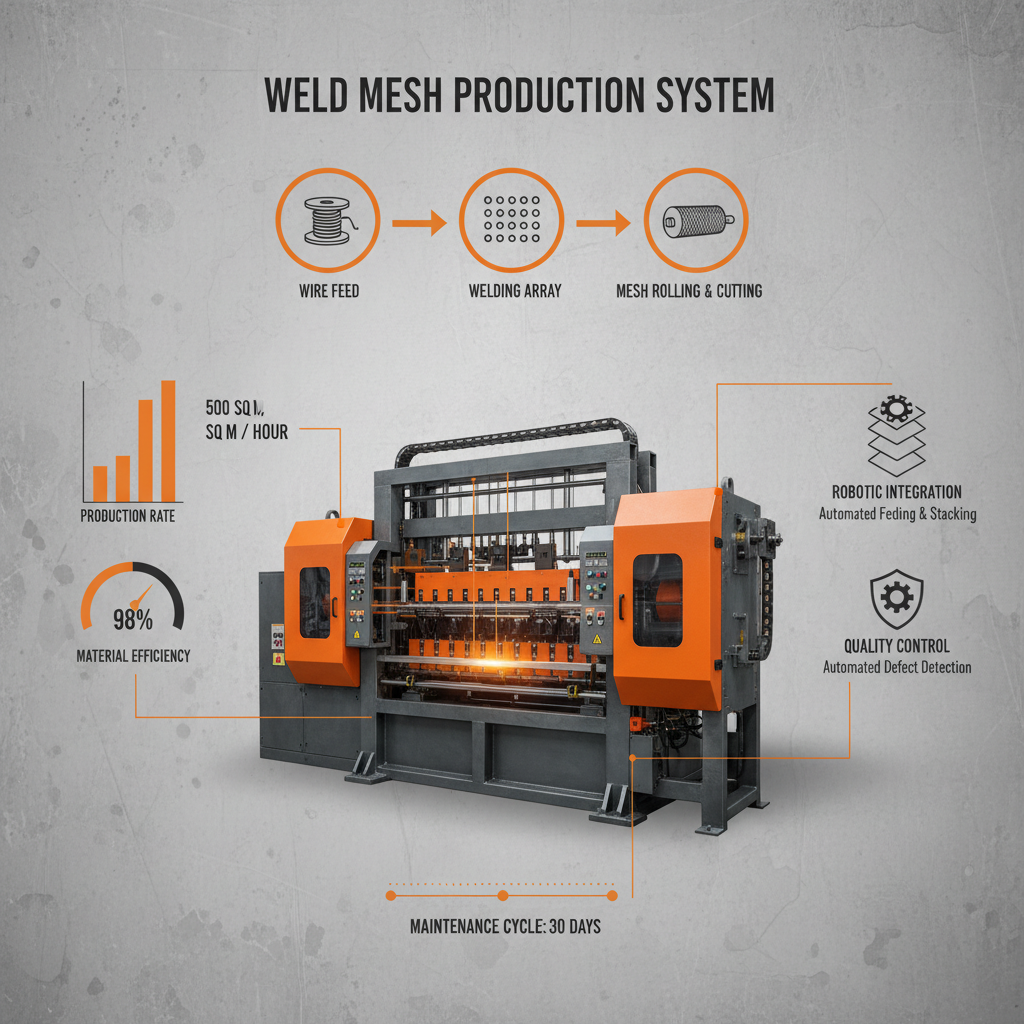
Selecting a reputable supplier like Mesh Machinery is crucial. Look for a supplier with a proven track record, offering high-quality machines, comprehensive technical support, and responsive after-sales service. Consider their experience in your specific application, their ability to customize machines to your requirements, and their commitment to innovation. A reliable supplier will be a valuable partner in optimizing your production process and ensuring long-term success.
Investing in a modern weld mesh manufacturing machine is a strategic decision that can significantly enhance your business's competitiveness. By carefully considering your needs, evaluating available options, and partnering with a reliable supplier, you can unlock the full potential of automated welded wire mesh production.
Lead times can vary depending on the machine's complexity, customization requirements, and the supplier's current workload. Generally, standard machines have a lead time of 4-8 weeks, while customized machines may take 8-12 weeks or longer. It's essential to discuss lead times with the supplier upfront to plan your production schedule accordingly. Factors like material availability and shipping logistics can also affect the overall delivery time. Planning well in advance is always recommended.
Regular maintenance is critical for ensuring the machine's optimal performance and longevity. This includes daily inspections for loose parts, lubrication of moving components, cleaning of welding contacts, and periodic checks of electrical connections. More comprehensive maintenance, such as replacing worn parts and calibrating sensors, should be performed according to the manufacturer's recommendations. Preventative maintenance schedules can help minimize downtime and extend the machine's lifespan.
Safety should be a top priority when selecting a weld mesh machine. Look for features like emergency stop buttons, safety guards to prevent access to moving parts, overload protection, and proper grounding. The machine should comply with relevant safety standards and regulations. Ensure that operators receive thorough training on safe operating procedures and the use of personal protective equipment. Regular safety inspections are also essential.
Yes, Mesh Machinery provides comprehensive training and support services. This includes on-site installation and commissioning, operator training, maintenance training, and ongoing technical support. They also offer remote diagnostics and troubleshooting assistance to minimize downtime. Their commitment to customer support ensures that you can maximize the value of your investment.
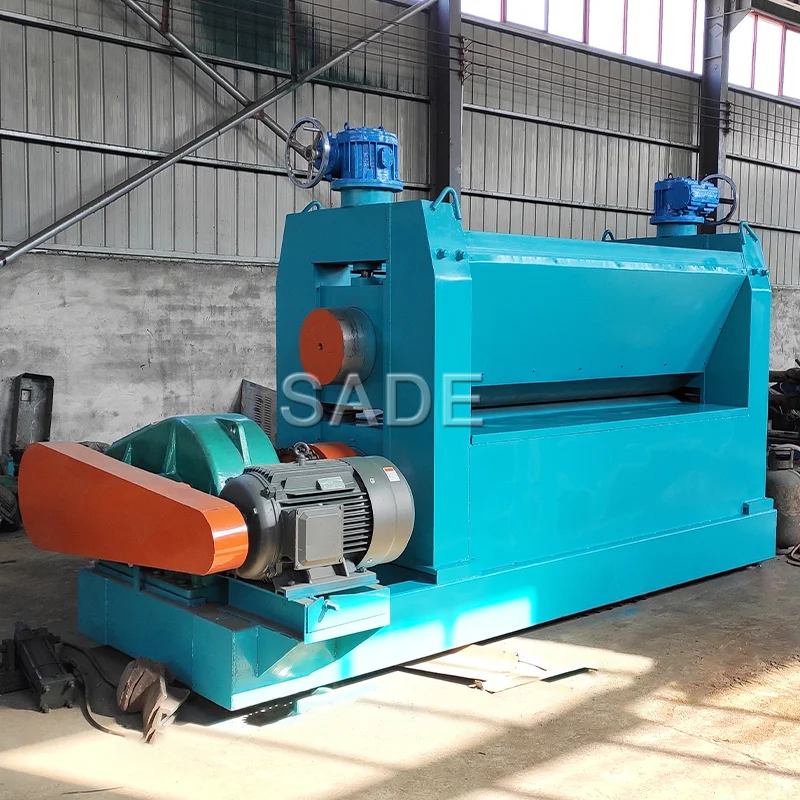
ZPJ Metal Mesh Flatting Machine
ZPJ metal mesh flatting machine is special designed for expanded metal flatting.It’s a corollary equipment of expanded metal machine. It can make expanded wire-mesh smoothly.And the flattened expanded metal have much more widely different applications.
Apr 24, 2026
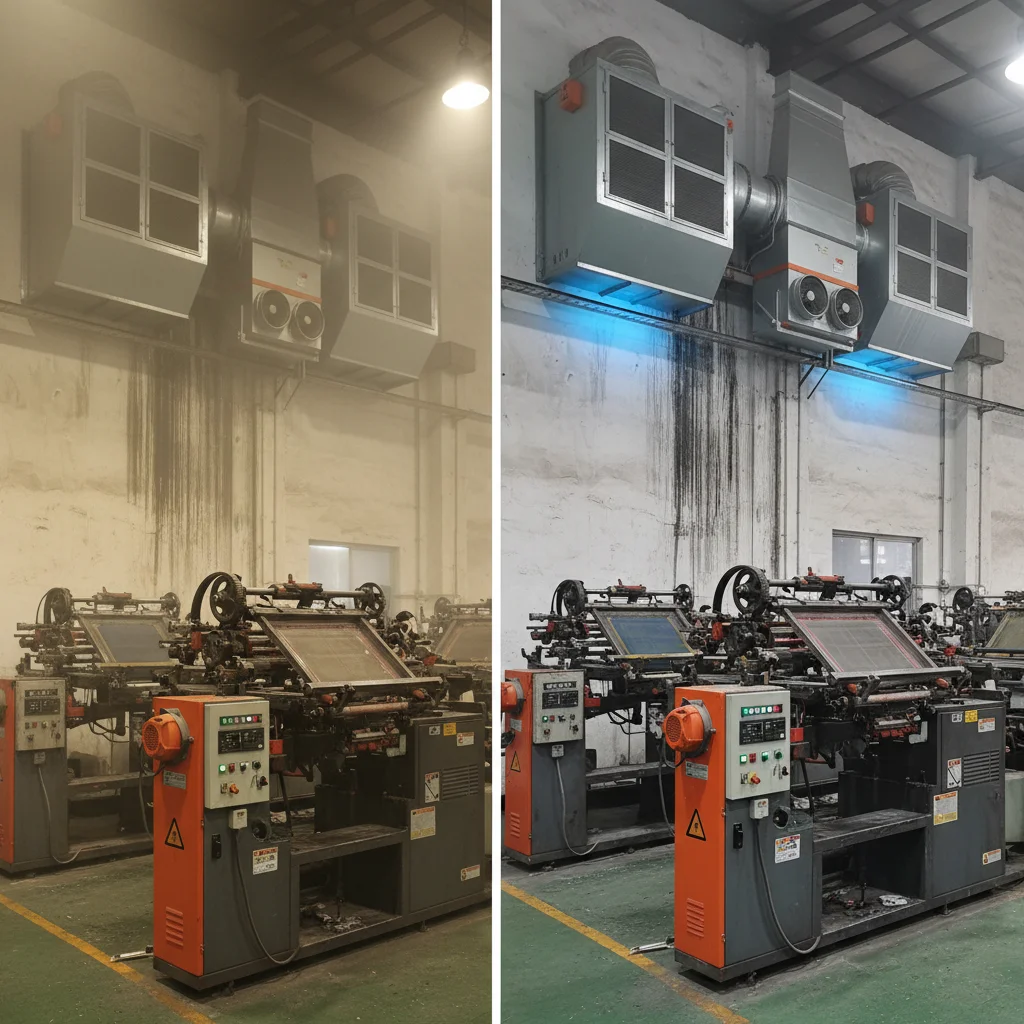
Industrial Wall Mounted Air Filtration for Clean Work Environments