
March 24, 2026
The demand for mesh wire is constantly growing across numerous industries, from agriculture and construction to security and filtration. This increasing demand fuels the need for efficient and reliable mesh wire making machines. These machines are the backbone of mesh production, transforming raw materials into the versatile product we rely on daily. This article will delve into the types, applications, key features, and considerations when selecting a mesh wire making machine, offering insights for businesses aiming to optimize their production process. Selecting the right machine is crucial for ensuring product quality and maximizing efficiency. We will explore the different options available and guide you toward making an informed decision.
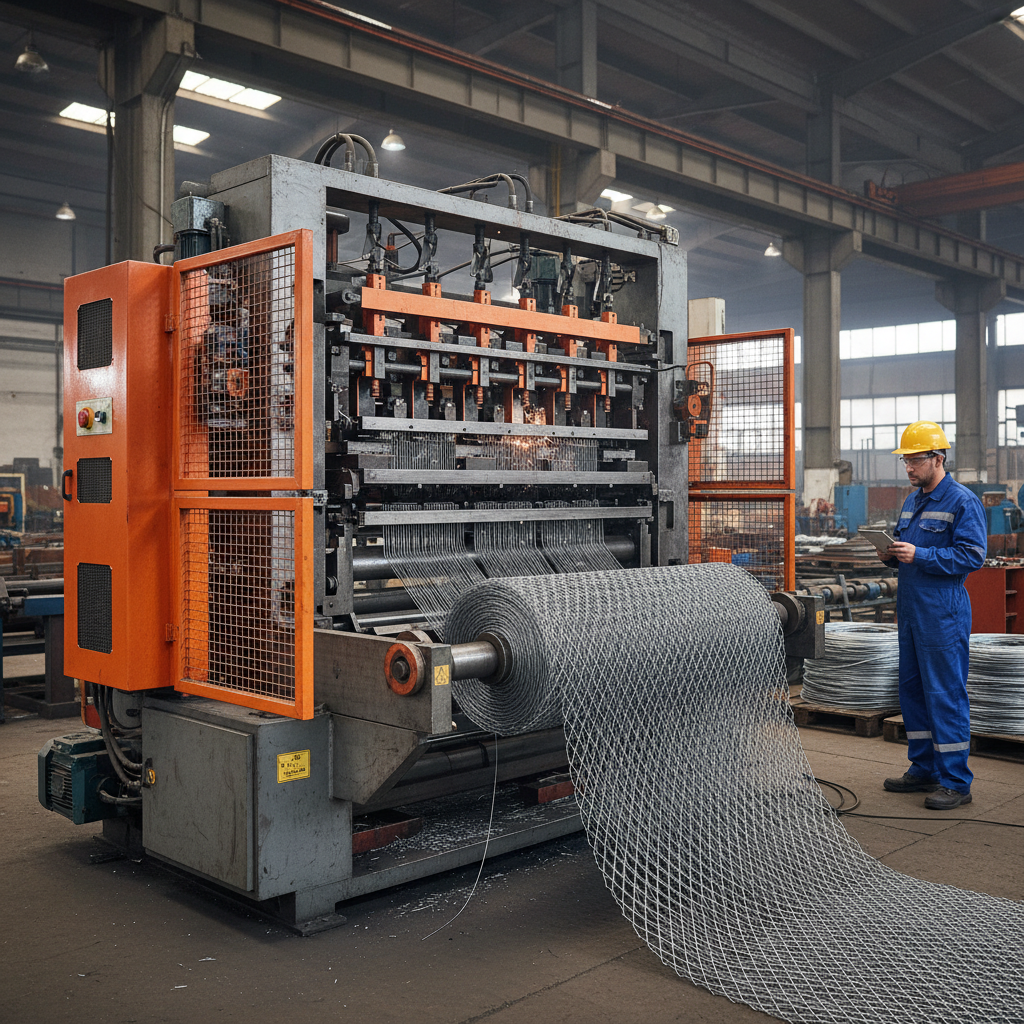
There’s a diverse range of mesh wire making machines available, each designed for specific mesh types and production volumes. Common types include chain link fence machines, hexagonal wire mesh machines, welded wire mesh machines, and hexagonal netting machines. Chain link machines produce the familiar diamond-shaped mesh often used in fencing. Hexagonal mesh machines create a tightly woven mesh ideal for poultry netting and gabions. Welded wire mesh machines produce a strong and rigid mesh used in construction reinforcement and security cages. Understanding these distinctions is the first step in selecting the right equipment for your business needs. The choice hinges on your intended product application and the scale of production you require.
Key Consideration: Matching the machine type to the intended mesh application is crucial for optimizing production efficiency and product quality.
When investing in a mesh wire making machine, several key features are essential. Look for machines with automated feeding systems for efficient material handling. Precise control panels allow for accurate adjustments to mesh size and wire diameter. Robust construction ensures durability and longevity, minimizing downtime. Variable speed controls provide flexibility in production rates. Safety features, such as emergency stop buttons and protective guards, are paramount for operator safety. Finally, consider machines with user-friendly interfaces for easy operation and maintenance. These features contribute to increased productivity, reduced waste, and improved overall performance.
The applications of mesh wire are incredibly diverse. Chain link fence machines cater to the construction and security industries. Hexagonal wire mesh machines serve agricultural needs, providing netting for poultry and livestock. Welded wire mesh machines find use in reinforcement for concrete structures and the creation of security cages. Hexagonal netting machines are employed in erosion control and environmental protection projects. Each machine type fulfills a specific role in meeting the demands of various sectors, showcasing the broad applicability of mesh wire products. Understanding these applications helps refine the selection process based on your target market.
Mesh Wire Applications:
• Fencing (Chain Link)
• Poultry Netting (Hexagonal)
• Concrete Reinforcement (Welded)
• Erosion Control (Hexagonal Netting)
Selecting the right mesh wire making machine requires careful comparison of available models. Here's a comparison table outlining key specifications of three popular models:
Beyond the features and specifications, several factors influence your purchasing decision. Budget is a primary concern, but remember that cheaper machines may lack durability and efficiency. Production volume dictates the required capacity of the machine. Available space in your facility impacts the machine's footprint. After-sales service and support are crucial for minimizing downtime and ensuring long-term operation. Finally, consider the availability of spare parts and the manufacturer's reputation. Thorough research and careful consideration of these factors will lead to a successful investment.
Selecting the right mesh wire making machine is a strategic investment that impacts your business’s efficiency, productivity, and profitability. By carefully considering the factors discussed in this article – machine type, key features, applications, and purchasing considerations – you can make an informed decision that aligns with your specific needs and goals. Meshmachinery.com offers a comprehensive range of machines to suit diverse applications.
Regular maintenance is critical for ensuring the longevity and efficient operation of your machine. This includes daily lubrication of moving parts, regular cleaning to remove wire debris, inspection of belts and gears for wear and tear, and periodic checks of the electrical system. Following the manufacturer’s recommended maintenance schedule is crucial. Proactive maintenance prevents breakdowns, reduces repair costs, and maintains product quality. Investing in a preventative maintenance plan can significantly extend the life of your machine.
Safety is paramount. Operators should always wear appropriate personal protective equipment (PPE), including safety glasses, gloves, and hearing protection. Ensure all safety guards are in place and functioning correctly. Never attempt to repair or adjust the machine while it’s running. Emergency stop buttons should be easily accessible and tested regularly. Proper training is essential for all operators to ensure they understand the machine’s operation and safety procedures. Regular safety audits can identify and mitigate potential hazards.
Lead times vary depending on the machine’s complexity, customization requirements, and the manufacturer’s production schedule. Generally, lead times can range from 8 to 16 weeks for standard models. Customized machines or those with specific modifications may require longer lead times. It’s best to contact the manufacturer directly for an accurate estimate based on your specific needs. Planning ahead and placing your order well in advance is recommended to avoid production delays.
The choice of wire material depends on the intended application of the mesh. Common materials include galvanized steel, stainless steel, and PVC-coated wire. Galvanized steel is cost-effective and suitable for general-purpose applications. Stainless steel offers superior corrosion resistance and is ideal for demanding environments. PVC-coated wire provides additional protection and aesthetic appeal. Ensure the wire material is compatible with your machine’s specifications and the desired mesh properties. Consult with a wire supplier or the machine manufacturer for guidance.
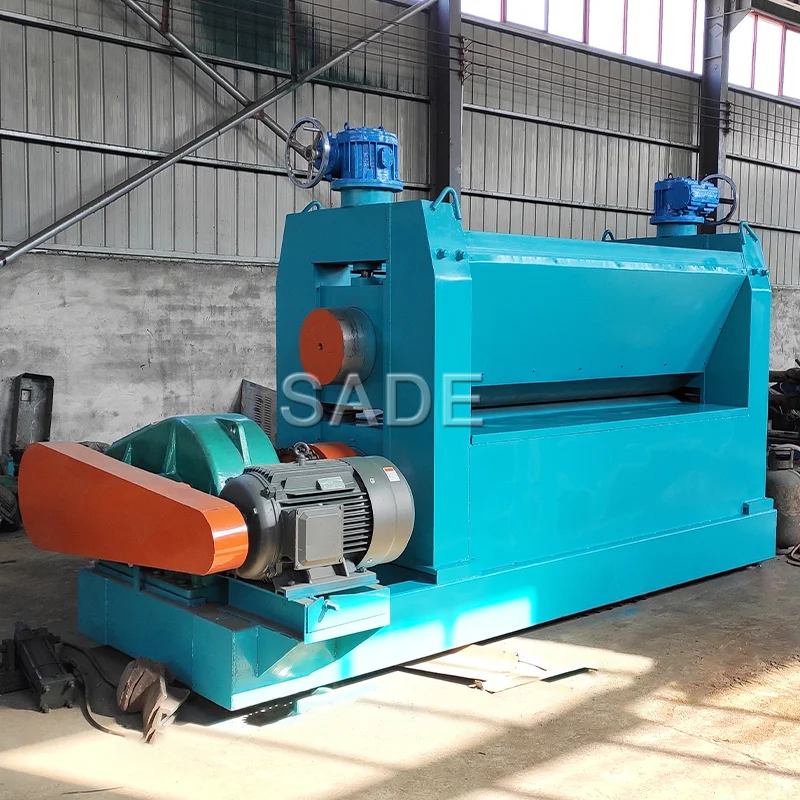
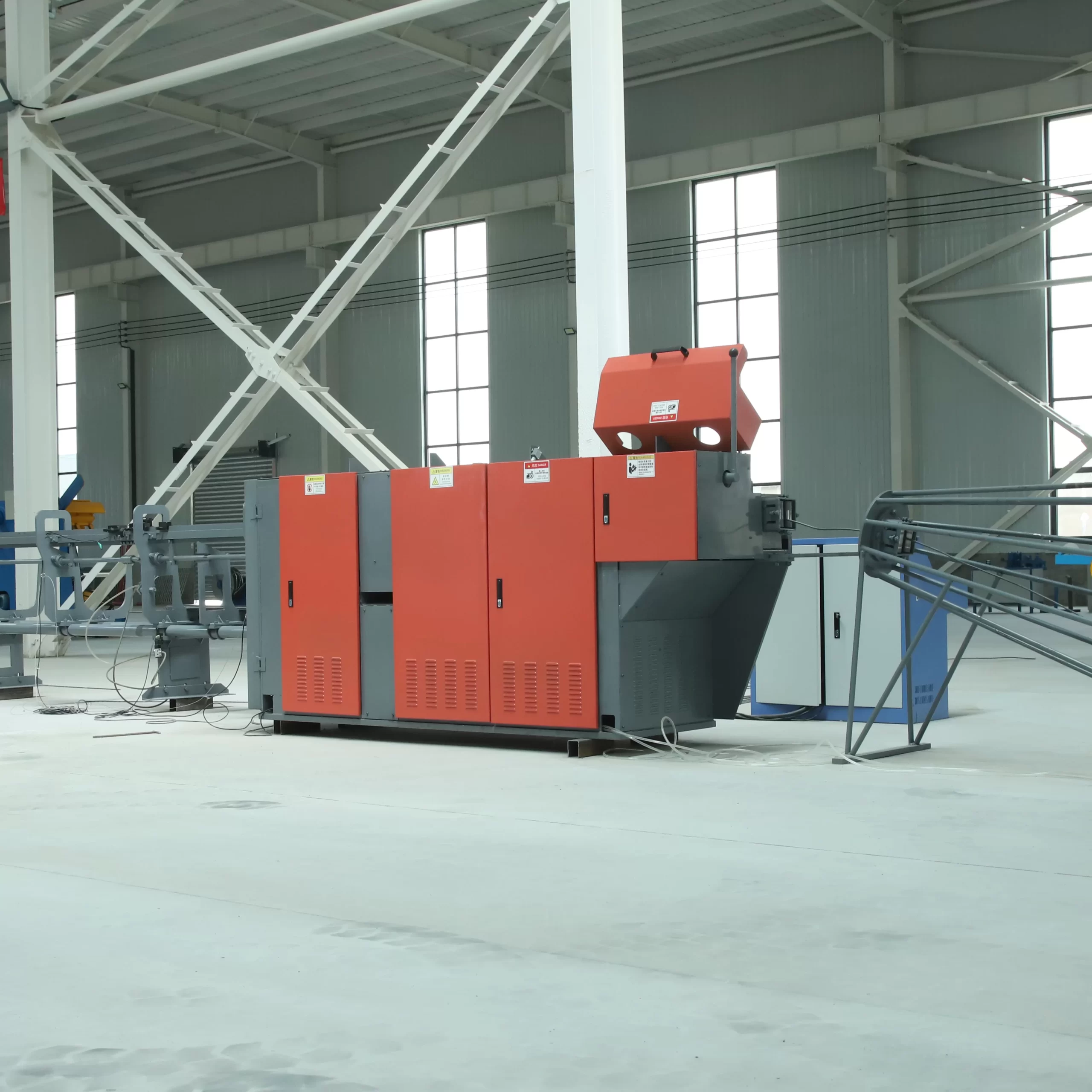
ZPJ Metal Mesh Flatting Machine
ZPJ metal mesh flatting machine is special designed for expanded metal flatting.It’s a corollary equipment of expanded metal machine. It can make expanded wire-mesh smoothly.And the flattened expanded metal have much more widely different applications.
Apr 24, 2026
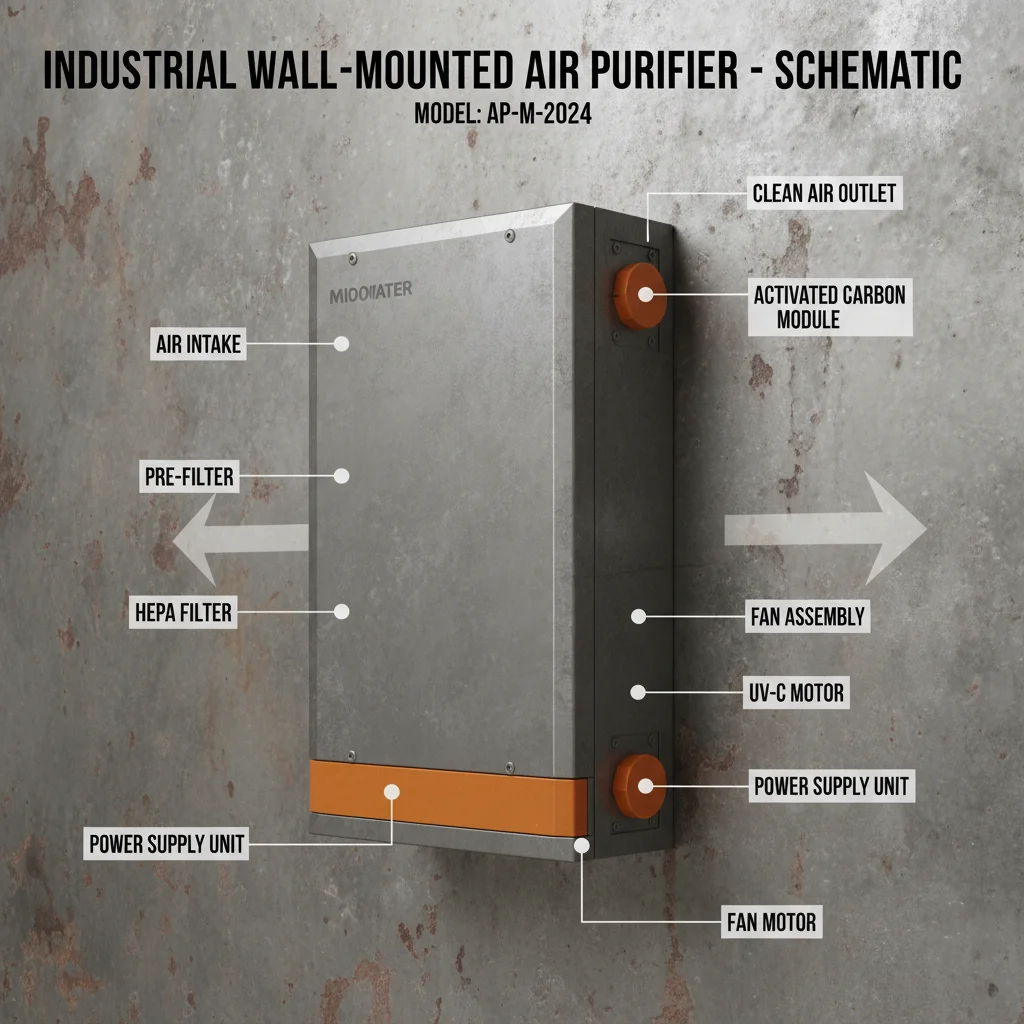
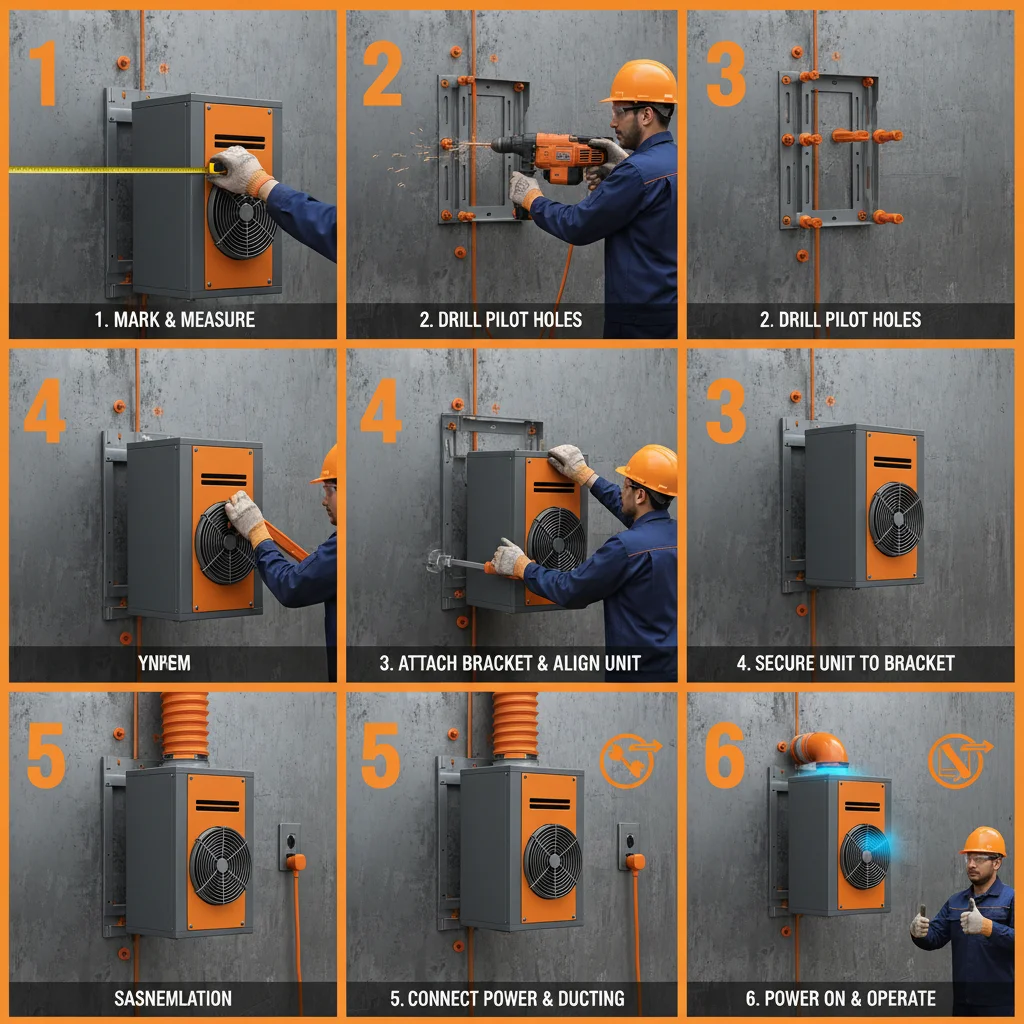
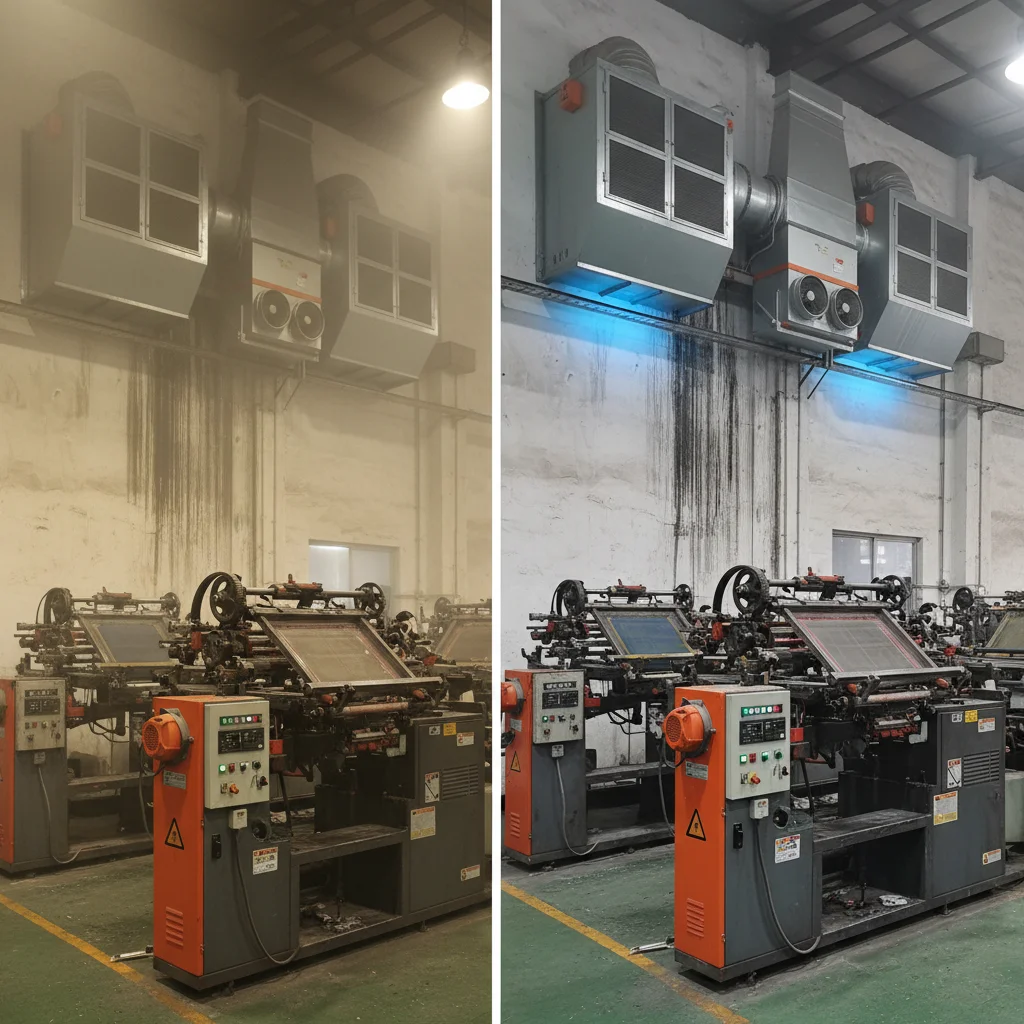
Industrial Wall Mounted Air Filtration for Clean Work Environments