
March 21, 2026
Mesh welding machines are critical for a variety of industries, offering an efficient and precise method for joining wires to create robust mesh structures. From construction and agriculture to security and filtration, these machines play a vital role in producing high-quality mesh products. This article delves into the different types, applications, benefits, and considerations when selecting a mesh welding machine, providing valuable insights for businesses looking to optimize their production processes. Choosing the right machine can significantly impact product quality, production speed, and overall cost-effectiveness.
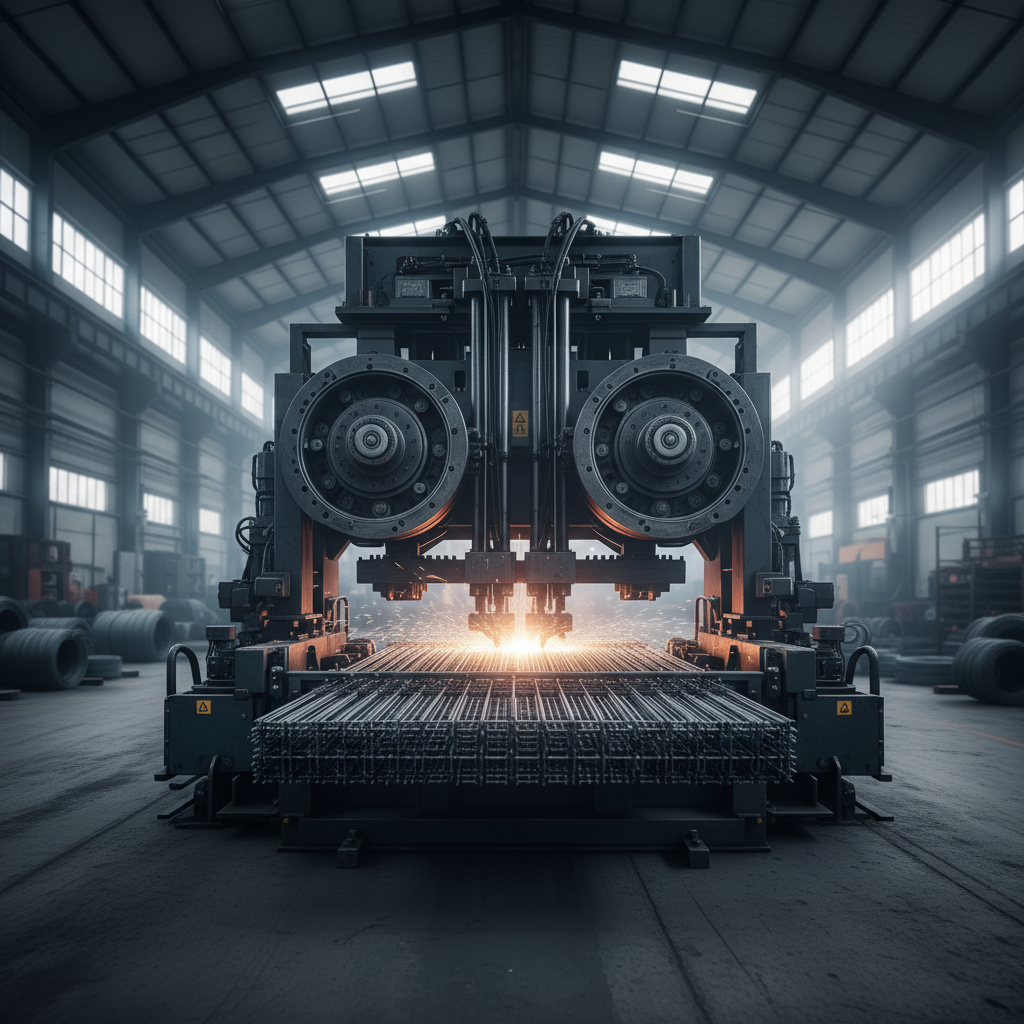
There are several types of mesh welding machines available, each suited for different applications and production volumes. The most common include: wire mesh welding machines, which are designed for creating flat panels of welded wire mesh; panel mesh welding machines, used for manufacturing prefabricated panels for construction; and tube mesh welding machines, specializing in the production of mesh from tubular wires. The choice depends on the desired mesh shape, material, and production requirements. Furthermore, machines can be categorized by their automation level, ranging from manual to fully automatic systems.
Key Considerations: The choice of machine heavily relies on the wire diameter, mesh aperture size, and required production speed. Automation also plays a crucial role in labor costs and production efficiency.
The applications of mesh welding are incredibly diverse. In the construction industry, welded wire mesh is used for reinforcing concrete, creating precast elements, and fencing. Agriculture utilizes mesh for animal enclosures, crop support, and greenhouse coverings. Security applications include high-security fencing, cages, and barriers. Industrial filtration relies on precisely welded mesh for effective separation processes. Even in decorative applications, such as architectural features and art installations, mesh welding provides a strong and aesthetically pleasing solution.
Application Examples:
• Construction: Rebar reinforcement, prefabricated panels
• Agriculture: Animal cages, crop protection netting
• Security: Perimeter fencing, detention facilities
• Industrial: Filtration systems, screening
Choosing between a manual and automatic mesh welding machine depends on your production needs and budget. Manual machines require skilled operators and are suitable for low-volume, customized production runs. Automatic machines offer higher speed, precision, and consistency, ideal for large-scale production. However, automatic machines involve a higher initial investment and require more complex maintenance.
Selecting the right mesh welding machine requires careful consideration of several factors. First, determine your production volume and the types of mesh you’ll be producing. Next, consider the material you'll be welding – different materials require different welding parameters and electrode types. Power supply requirements, machine dimensions, and available space are also crucial. Finally, assess the level of automation needed and the availability of maintenance and support services. Investing in a reliable machine and building a relationship with a reputable supplier, like Mesh Machinery, is key to long-term success.
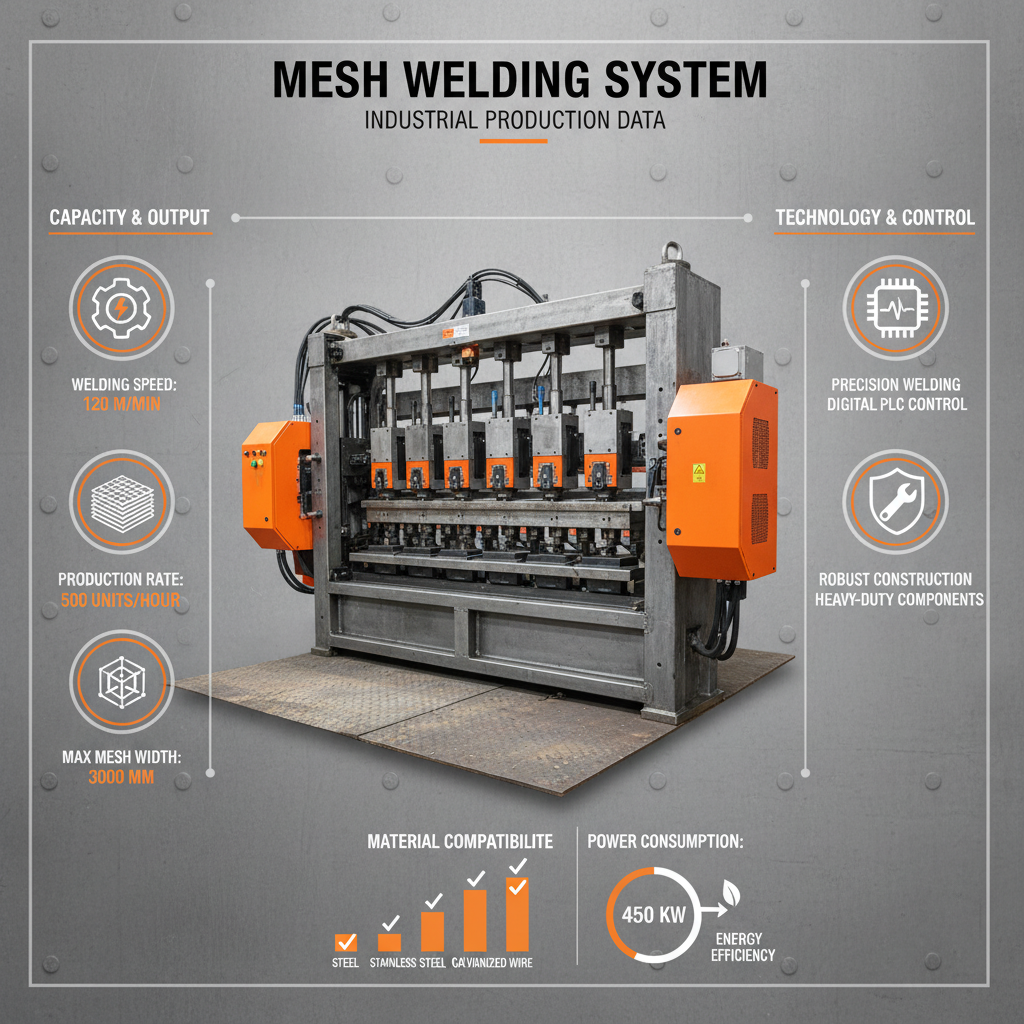
The mesh welding industry is continuously evolving. Current trends include the integration of advanced control systems for improved precision, the development of more energy-efficient machines, and the implementation of robotic automation for increased productivity. Furthermore, manufacturers are focusing on creating more versatile machines capable of handling a wider range of materials and mesh designs. These advancements are driving down production costs and enabling the creation of more complex and innovative mesh products.
Choosing the right mesh welding machine is a significant investment that can profoundly impact your business. By carefully considering your production needs, budget, and the latest technological advancements, you can select a machine that delivers optimal performance, efficiency, and return on investment. Partnering with a trusted supplier like Mesh Machinery ensures you receive expert guidance and support throughout the process.
Most mesh welding machines are versatile and can handle a variety of wire types, including carbon steel, stainless steel, galvanized steel, and even some aluminum alloys. However, the specific wire compatibility will depend on the machine's capabilities and the welding parameters. It's crucial to check the machine's specifications and consult with the manufacturer to ensure compatibility with your desired wire material. Proper electrode selection is also vital for achieving optimal weld quality and preventing premature wear.
Regular maintenance is crucial for ensuring the longevity and optimal performance of your mesh welding machine. This includes cleaning the welding electrodes, inspecting and lubricating moving parts, checking the cooling system, and regularly calibrating the machine's settings. Depending on the machine type, you may also need to replace worn-out components, such as electrodes and contact tips. Following the manufacturer's recommended maintenance schedule is essential for preventing breakdowns and maximizing the machine's lifespan.
Safety is paramount when operating a mesh welding machine. Always wear appropriate personal protective equipment (PPE), including a welding helmet with a dark lens, safety glasses, gloves, and protective clothing. Ensure the work area is well-ventilated to avoid inhaling fumes. Follow the manufacturer's safety guidelines and never operate the machine if it is damaged or malfunctioning. Proper grounding is also critical to prevent electrical hazards. Training all operators on safe operating procedures is vital.
Increasing production speed often involves optimizing several factors. This includes ensuring a consistent wire feed, using the correct welding parameters for the wire material and thickness, and minimizing downtime for maintenance or adjustments. Automating the wire loading and unloading process can also significantly improve efficiency. Regularly inspecting and maintaining the machine to prevent breakdowns is crucial. Optimizing the machine’s settings in collaboration with a qualified technician can yield substantial improvements.
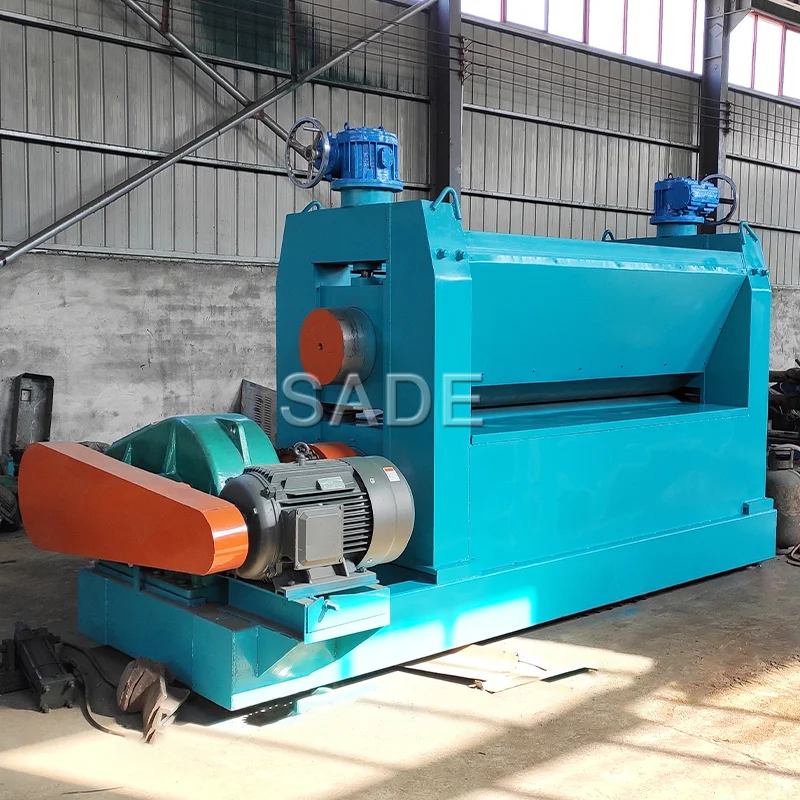
ZPJ Metal Mesh Flatting Machine
ZPJ metal mesh flatting machine is special designed for expanded metal flatting.It’s a corollary equipment of expanded metal machine. It can make expanded wire-mesh smoothly.And the flattened expanded metal have much more widely different applications.
Apr 24, 2026
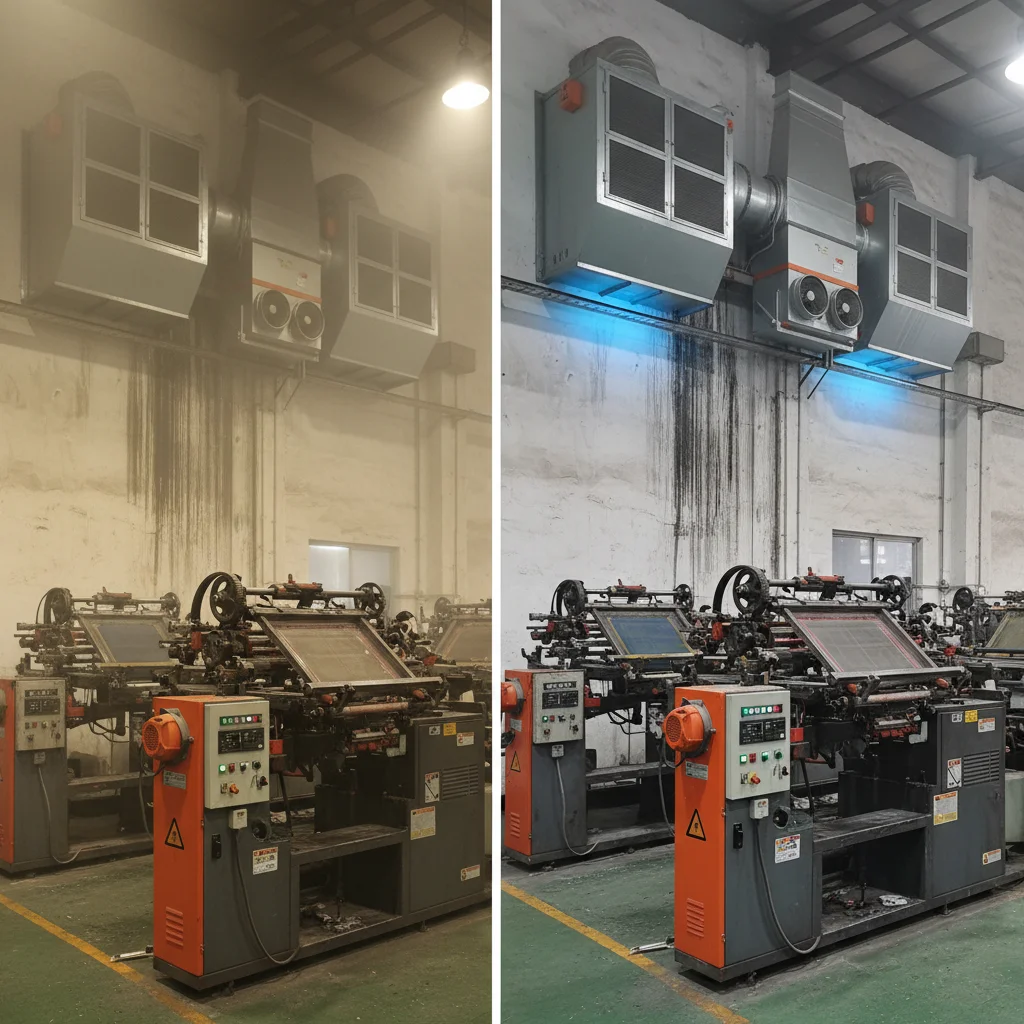
Industrial Wall Mounted Air Filtration for Clean Work Environments