
March 21, 2026
In the world of metal fabrication and construction, achieving precise curves and intricate designs often requires specialized equipment. A mesh bending machine is a critical tool for creating flawlessly shaped metal mesh, essential for a wide range of applications. From architectural elements and security fencing to industrial filters and decorative panels, these machines provide the efficiency and accuracy demanded by modern manufacturing. This article will delve into the mechanics, applications, benefits, and key considerations when choosing a mesh bending machine, helping you understand its role in optimizing your production processes.
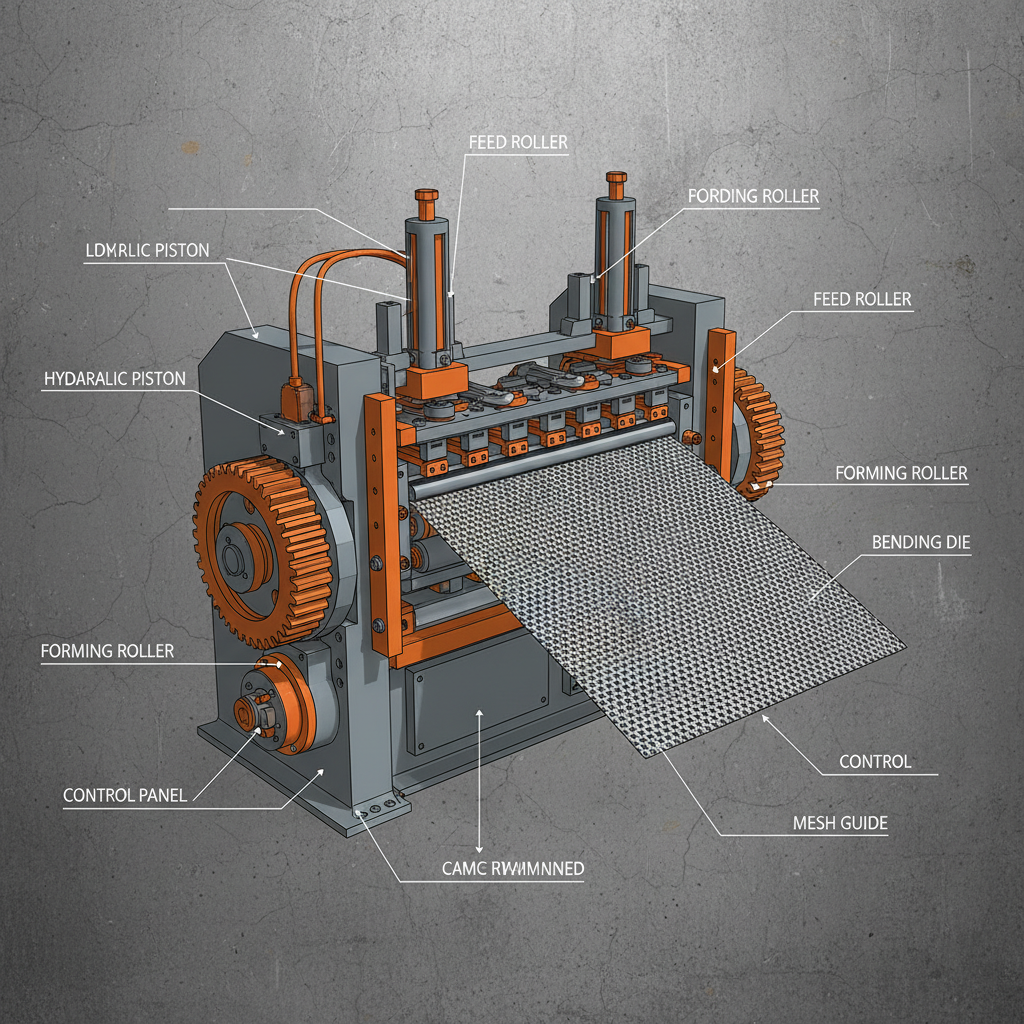
At its core, a mesh bending machine utilizes a series of rollers and forming dies to precisely bend metal mesh to the desired shape. The process typically begins with feeding the mesh material into the machine. Then, strategically positioned rollers apply controlled pressure, gradually conforming the mesh to the shape of the dies. Modern machines often feature programmable logic controllers (PLCs) allowing for automated and repeatable bending operations. Different types of machines exist, ranging from manual models for smaller production runs to fully automated systems for high-volume manufacturing. Understanding the core principle of controlled deformation is essential to appreciating the machine’s versatility.
Key Functionality: The combination of rollers and forming dies provides controlled deformation, enabling the creation of precise curves and shapes in metal mesh.
The applications for bent mesh are incredibly diverse. In architecture, it's used for creating visually striking facade elements, railing infills, and decorative screens. Construction benefits from bent mesh for reinforcing concrete, creating prefabricated forms, and producing durable fencing. The automotive industry uses it in filters and structural components. Beyond these, you'll find applications in agriculture (animal enclosures), industrial filtration, and even artistic installations. The ability to customize shapes and sizes makes a mesh bending machine a valuable asset to any fabrication shop.
Application Highlights:
• Architectural facades and screens
• Reinforced concrete structures
• Automotive filters and components
• Agricultural enclosures
Selecting the appropriate mesh bending machine requires careful consideration of your specific needs. Factors to evaluate include the type of mesh material (stainless steel, aluminum, etc.), the mesh size and thickness, the desired bending radius, and production volume. Automated machines offer high speed and accuracy for large-scale production, while manual machines are suitable for smaller, customized jobs. Consider the machine's capacity, power requirements, and available features such as programmable controls and automated feeding systems. Investing in a machine that matches your current and future requirements will maximize your return on investment.
Implementing a mesh bending machine into your workflow offers numerous advantages. Increased production speed and efficiency are primary benefits, especially with automated models. Improved accuracy and consistency result in higher-quality finished products and reduced material waste. The ability to create complex shapes and designs expands your capabilities and allows you to tackle a wider range of projects. Furthermore, reducing reliance on manual labor can lower production costs and improve worker safety. Investing in the right machine translates to a competitive edge and enhanced profitability.
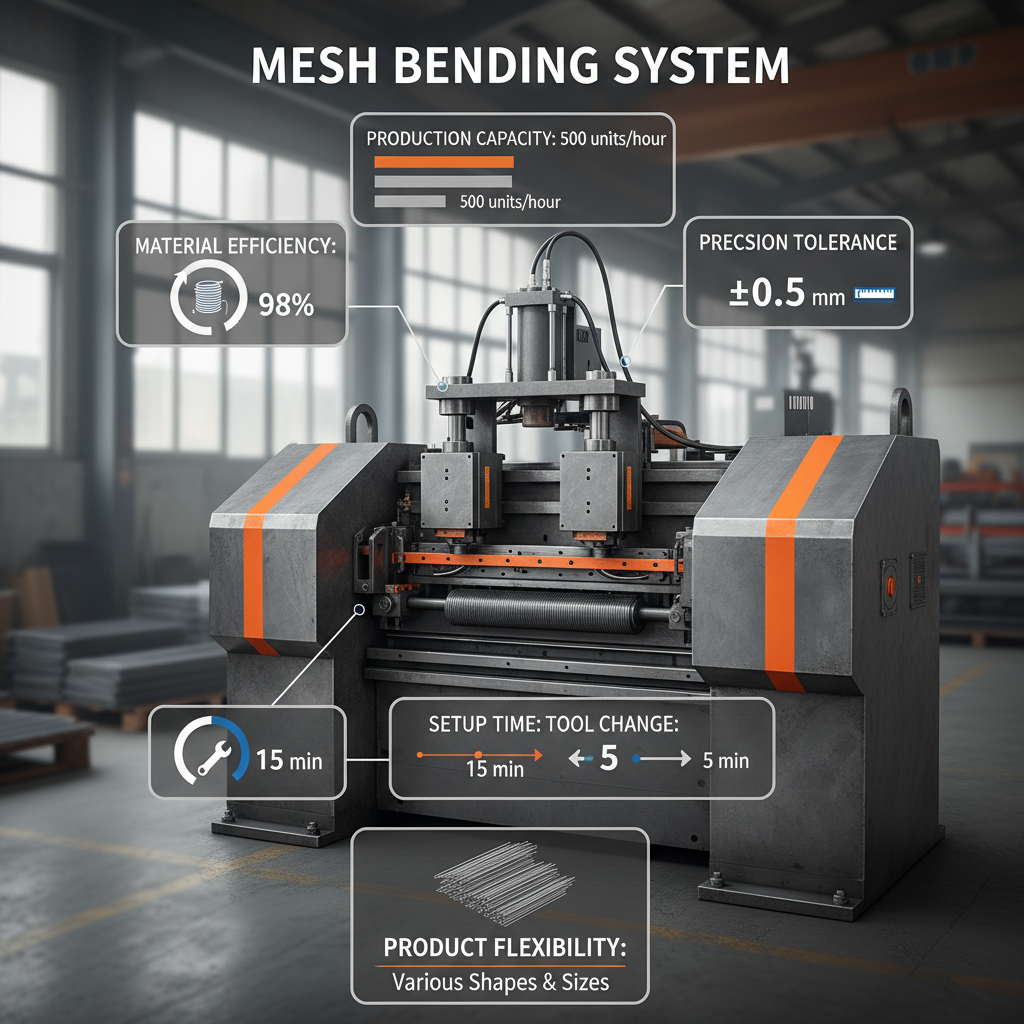
At Meshmachinery, we understand the critical role a reliable mesh bending machine plays in your operations. We offer a comprehensive range of machines, from manual to fully automated models, designed to meet diverse manufacturing requirements. Our expert team provides guidance in selecting the right machine for your specific applications, as well as installation, training, and ongoing support. We are committed to delivering innovative solutions and exceptional customer service.
Investing in a mesh bending machine is a strategic move for businesses seeking to improve efficiency, accuracy, and product quality. Whether you're in architecture, construction, or manufacturing, the right machine can transform your fabrication processes. Meshmachinery is your trusted partner in finding the perfect solution to meet your unique needs.
Most mesh bending machines are versatile and can handle a variety of metal mesh types, including stainless steel, aluminum, galvanized steel, and copper. However, the machine’s capabilities depend on its design and capacity. It’s crucial to verify the machine’s specifications to ensure it can accommodate the specific material and gauge of mesh you intend to use. Machines designed for thicker or harder materials often have more robust components and higher power requirements. When you are considering a mesh bending machine, our team can help you identify the best option for your application.
Regular maintenance is crucial for ensuring the longevity and optimal performance of a mesh bending machine. This typically includes lubricating moving parts, inspecting rollers and dies for wear and tear, and cleaning the machine to remove debris. Automated machines may require periodic inspection of the PLC and other electronic components. Following the manufacturer's recommended maintenance schedule is essential. Preventative maintenance minimizes downtime and reduces the risk of costly repairs.
Yes, a mesh bending machine can be used to create a wide variety of custom shapes, depending on the machine's capabilities and the design of the forming dies. By utilizing different die configurations, you can produce curves, angles, and complex geometries. Programmable controls on automated machines allow for precise and repeatable bending operations, ensuring consistent results. We at Meshmachinery can work with you to create custom dies and programs to meet your specific design requirements.
Safety is paramount when operating a mesh bending machine. Always wear appropriate personal protective equipment (PPE), including safety glasses, gloves, and hearing protection. Ensure the machine is properly grounded and that all safety guards are in place. Never reach into the machine while it is in operation. Follow the manufacturer’s safety guidelines and receive adequate training before operating the machine. Regularly inspect the machine for any signs of damage or malfunction.
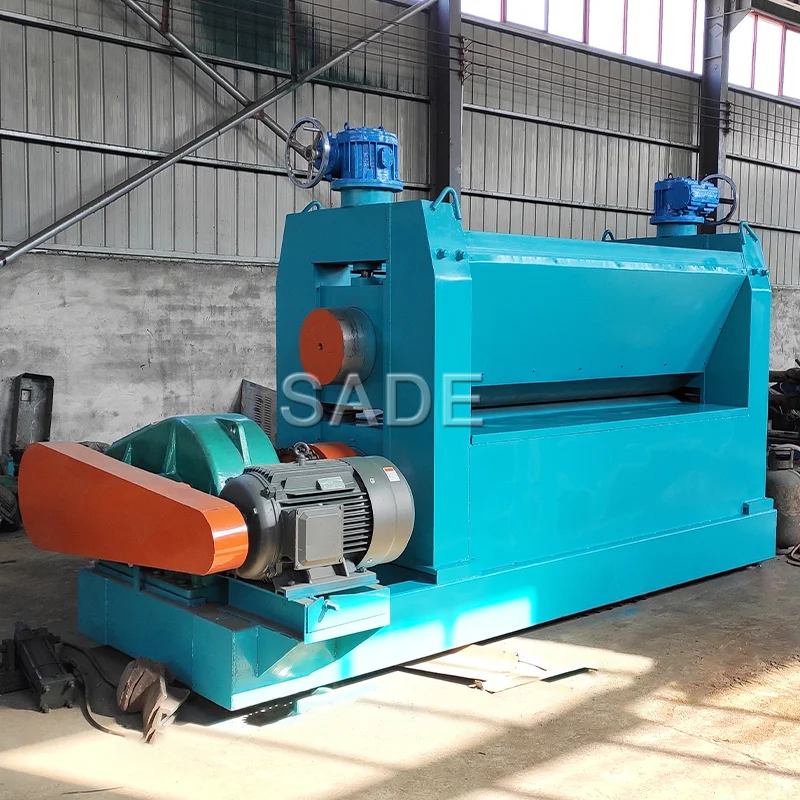
ZPJ Metal Mesh Flatting Machine
ZPJ metal mesh flatting machine is special designed for expanded metal flatting.It’s a corollary equipment of expanded metal machine. It can make expanded wire-mesh smoothly.And the flattened expanded metal have much more widely different applications.
Apr 24, 2026
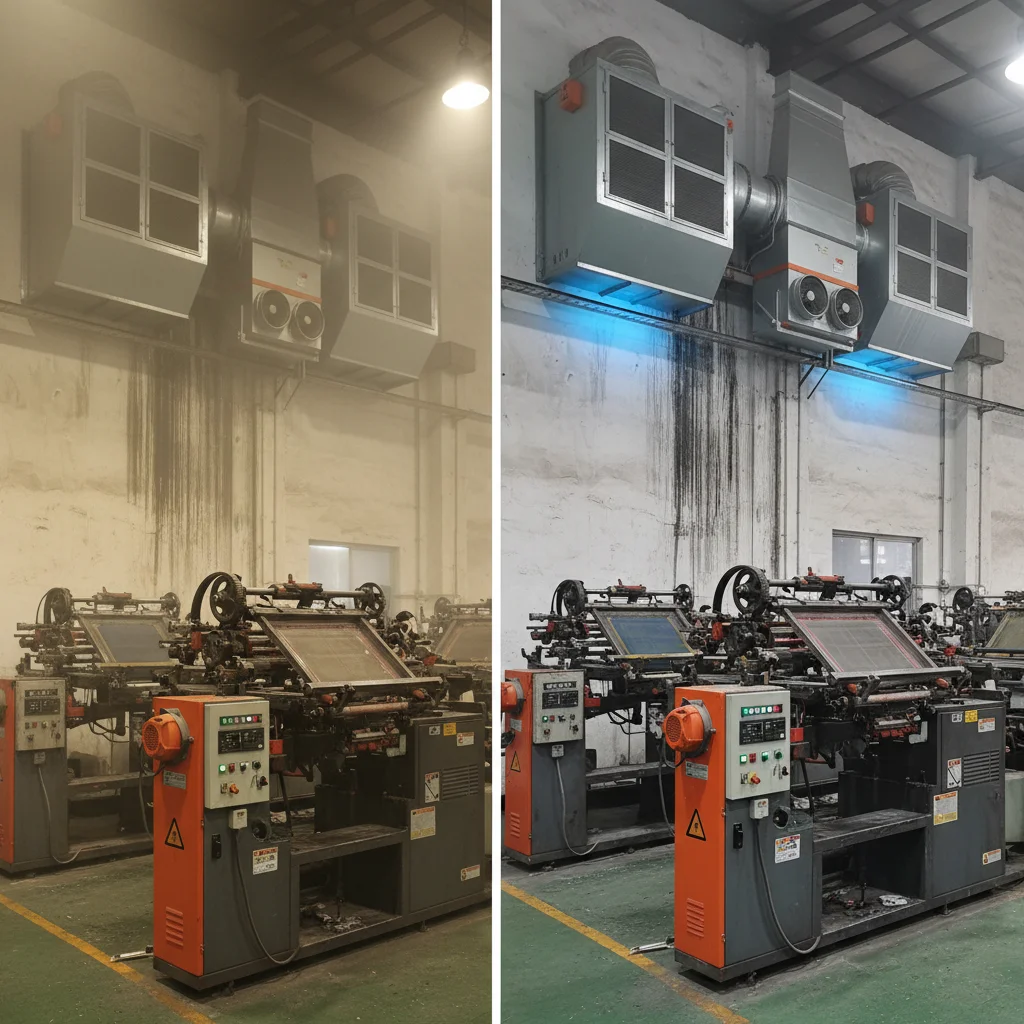
Industrial Wall Mounted Air Filtration for Clean Work Environments