
March 19, 2026
In the realm of fencing, agriculture, and industrial applications, chicken wire mesh machines are essential for producing the versatile and widely used chicken wire. These machines automate the weaving process, ensuring consistent quality and efficient production. This article delves into the intricacies of these machines, their types, applications, and the factors to consider when selecting the right equipment. We will explore how these machines have revolutionized the creation of poultry netting, providing a cost-effective and durable solution for various needs. Choosing the right machine can significantly impact your production capacity and product quality.
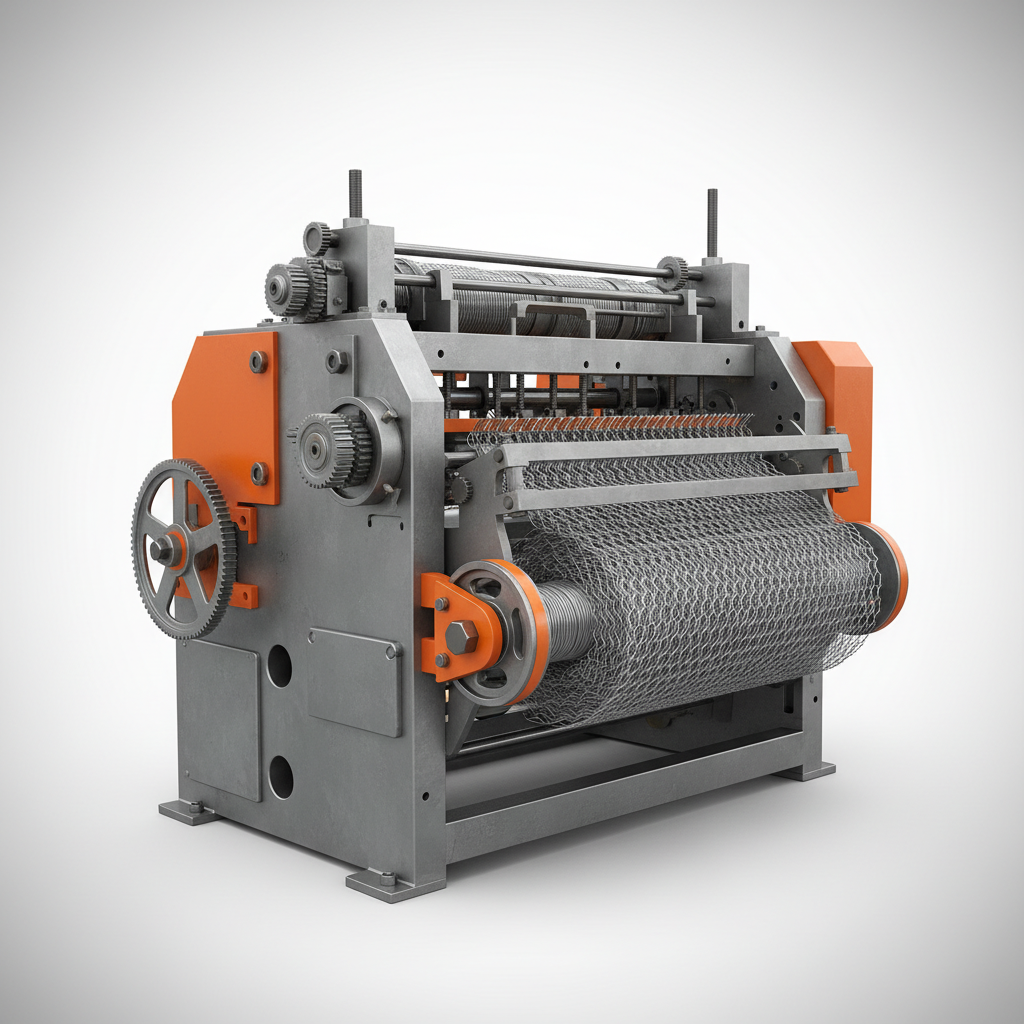
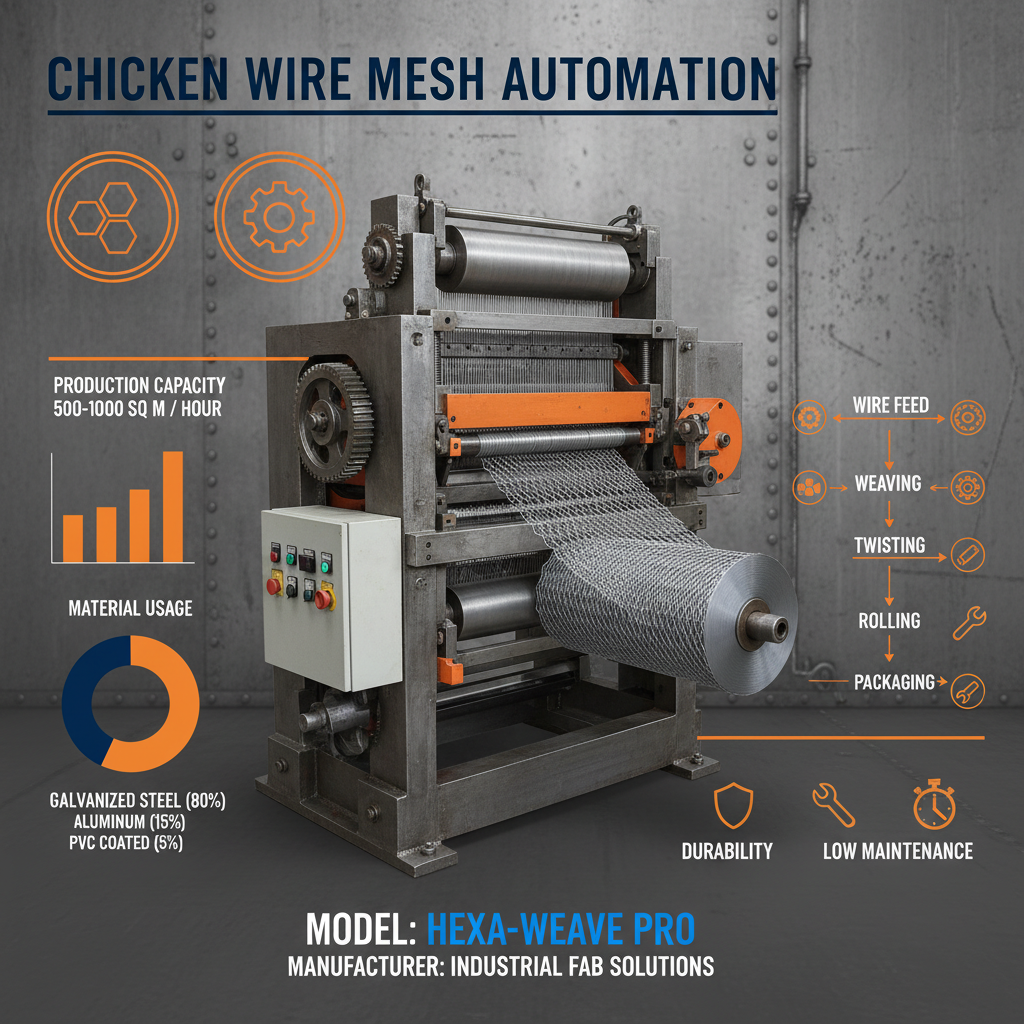
At its core, a chicken wire mesh machine operates on the principle of weaving wires in a specific pattern to create a diamond-shaped mesh. The process generally involves feeding wires, both lengthwise (warp) and crosswise (weft), into the machine. The machine then interlocks these wires through a series of rotating discs or shuttles, forming the characteristic chicken wire pattern. Modern machines are often computer-controlled, allowing for precise adjustments to mesh size, wire diameter, and production speed. The automation ensures consistent output and minimizes manual labor. Properly maintained machines deliver consistent results and reduce downtime.
Key Process Highlights: The machine interlocks warp and weft wires through rotating discs. Computer control allows for precise adjustments to mesh size and speed. Automation minimizes labor and ensures consistent output.
There are several types of chicken wire mesh machines available, each suited for different production scales and requirements. Common types include:
The choice of machine depends on factors such as production volume, budget, and desired level of automation.
Selecting the right chicken wire mesh machine requires careful consideration of several factors. These include the desired production capacity, the range of mesh sizes and wire diameters the machine can handle, the level of automation required, and the budget. It's also crucial to consider the availability of spare parts and technical support from the manufacturer. A reliable machine will minimize downtime and ensure consistent product quality. Investing in a machine from a reputable supplier is vital for long-term performance and support.
Selection Criteria:
• Production Capacity: Match the machine to your output needs.
• Mesh Size & Wire Diameter: Ensure flexibility for various applications.
• Automation Level: Balance cost with efficiency.
• Support & Spare Parts: Reliable service is crucial.
Understanding the differences between machine types is critical. The table below highlights a comparison between manual, semi-automatic, and fully automatic machines.
Chicken wire produced by these machines finds widespread application in various sectors. Key uses include poultry fencing, protecting gardens from pests, creating craft projects, and industrial applications like reinforcing materials and filters. The versatility of chicken wire makes it an indispensable material for both agricultural and industrial purposes. Proper machine maintenance ensures the production of consistent, high-quality mesh for all these applications.
Choosing the right chicken wire mesh machine is a critical decision for any business involved in the production of this versatile material. By carefully considering production requirements, budget constraints, and desired level of automation, you can select a machine that delivers consistent quality, efficiency, and long-term value. Mesh Machinery offers a range of high-quality machines and expert support to help you optimize your production process.
Regular maintenance is crucial for ensuring the longevity and optimal performance of your chicken wire mesh machine. This includes daily lubrication of moving parts, regular cleaning to remove debris and wire fragments, and periodic inspection of belts, gears, and electrical components. Check the wire tensioning mechanisms and ensure they are functioning correctly. Refer to the manufacturer's manual for specific maintenance schedules and procedures. Neglecting maintenance can lead to costly repairs and downtime. Preventative maintenance is key to maximizing the lifespan of your investment.
The range of wire diameters a chicken wire mesh machine can handle varies depending on the model and its specifications. Generally, machines can accommodate wire diameters from 0.5mm to 3.0mm. Some specialized machines can handle even larger diameters. It's crucial to verify the machine's specifications before purchasing to ensure it can handle the wire diameters required for your specific applications. Using wires outside the recommended range can damage the machine and compromise the quality of the mesh.
While fully automatic machines are designed for ease of use, some training is typically required. The learning curve depends on the operator's prior experience and the complexity of the machine. Generally, with proper training, an operator can become proficient in operating a fully automatic machine within a few days. Training should cover machine setup, operation, troubleshooting, and safety procedures. Mesh Machinery provides comprehensive training programs to ensure operators are fully equipped to operate our machines efficiently and safely.
Safety is paramount when operating chicken wire mesh machines. Always wear appropriate personal protective equipment (PPE), including safety glasses, gloves, and ear protection. Ensure the machine is properly grounded to prevent electrical hazards. Keep hands and clothing away from moving parts. Never attempt to repair or adjust the machine while it is running. Follow all safety instructions provided by the manufacturer. Regularly inspect the machine for any safety hazards and address them promptly. A safe working environment is crucial for preventing accidents and injuries.
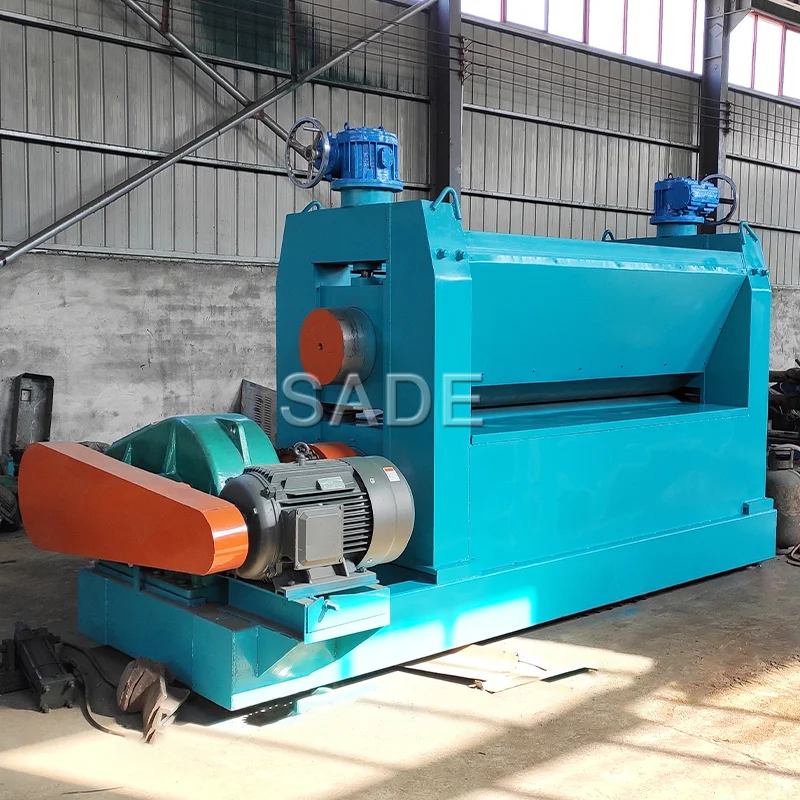
ZPJ Metal Mesh Flatting Machine
ZPJ metal mesh flatting machine is special designed for expanded metal flatting.It’s a corollary equipment of expanded metal machine. It can make expanded wire-mesh smoothly.And the flattened expanded metal have much more widely different applications.
Apr 24, 2026
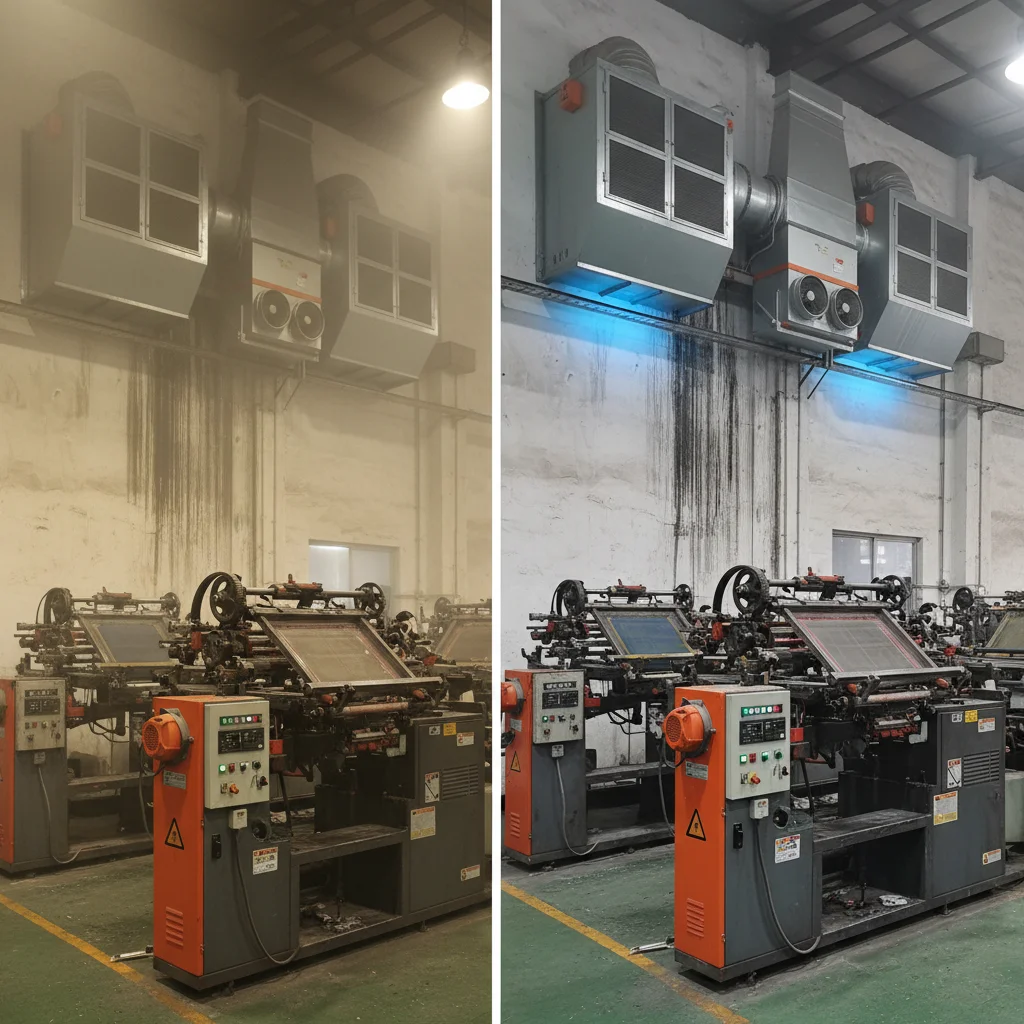
Industrial Wall Mounted Air Filtration for Clean Work Environments