
March 14, 2026
In the world of metal fabrication and manufacturing, achieving perfectly flat sheet metal is often a critical requirement. This is where a sheet flattening machine becomes an invaluable asset. These machines are designed to remove imperfections, such as warping, twisting, and buckling, resulting in consistently flat sheets ready for further processing. This article explores the benefits, applications, types, and key considerations when selecting a sheet flattening machine, offering a comprehensive guide for businesses seeking to improve their metalworking processes. Whether you're dealing with steel, aluminum, or other materials, understanding this technology can significantly enhance your product quality and efficiency.
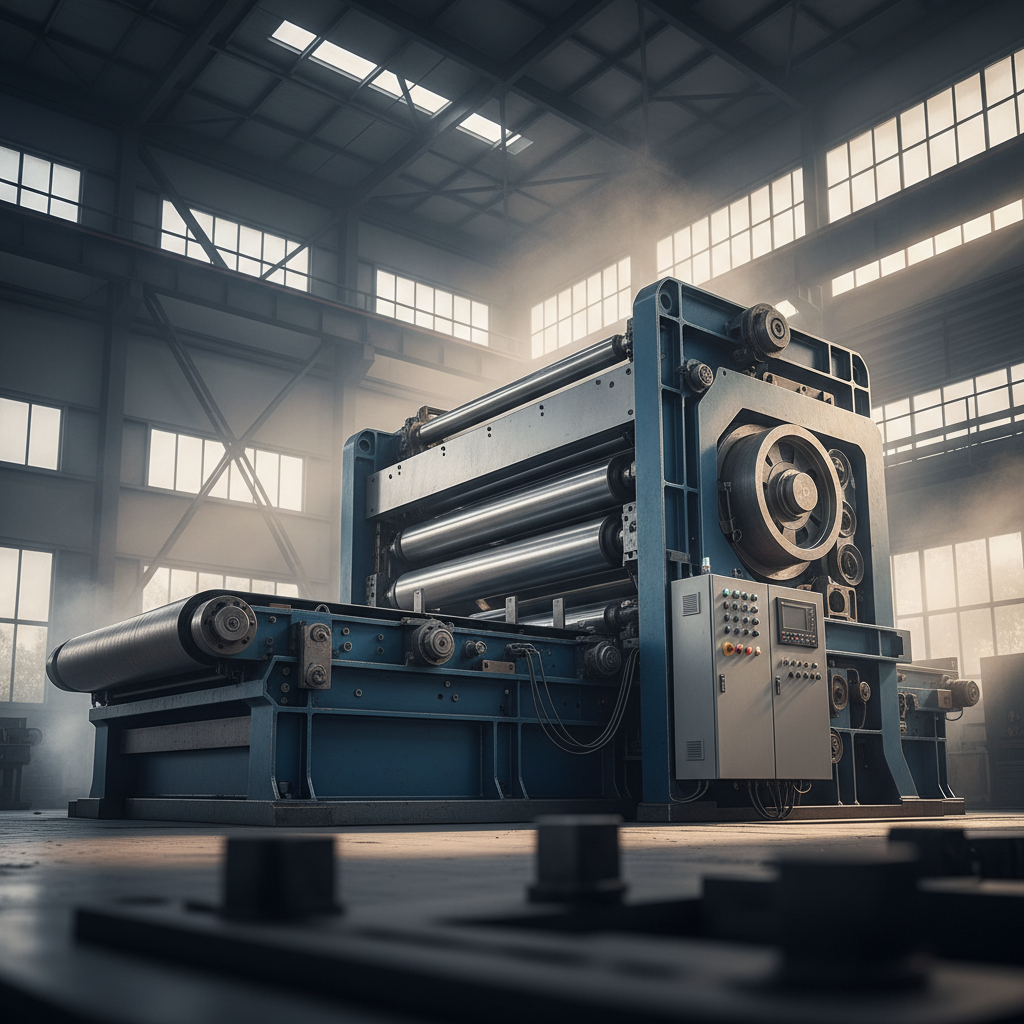
Investing in a sheet flattening machine delivers numerous advantages for metal fabrication businesses. Firstly, it dramatically improves the quality of finished products by eliminating surface irregularities. This leads to better welding results, more accurate cutting, and a higher-quality aesthetic appeal. Secondly, these machines increase efficiency by reducing the need for manual correction and rework. Automated flattening processes are faster and more consistent than traditional methods. Thirdly, they minimize material waste by making previously unusable warped sheets viable for production. Finally, improved flatness leads to better downstream processing, such as forming and stamping, reducing bottlenecks and optimizing the entire manufacturing workflow.
Key Benefits: Improved product quality, Increased efficiency, Minimized material waste, Optimized downstream processing.
Several types of sheet flattening machines cater to different needs and production volumes. Roll Flattening Machines use a series of rollers to apply pressure and remove imperfections, suitable for high-volume production of relatively thin sheets. Leveling Machines employ a reciprocating table and a leveling head to apply localized force, ideal for heavier gauge materials and larger sheets. Hydraulic Flattening Machines utilize hydraulic pressure for precise and powerful flattening, often used for specialized applications and varying material thicknesses. Choosing the right type depends on factors such as material type, sheet thickness, production volume, and desired flatness tolerance. Mesh Machinery offers a range of these machine types, tailored to diverse industrial requirements.
Machine Type Overview:
• Roll Flattening: High volume, thin sheets
• Leveling Machines: Heavier gauge, larger sheets
• Hydraulic Flattening: Specialized applications, variable thickness
Selecting the appropriate sheet flattening machine requires careful consideration of its specifications and capabilities. The following table provides a comparative overview of different machine types, highlighting their strengths and weaknesses:
Before making a purchase, several factors should be considered. Material Compatibility: Ensure the machine can handle the types of metal you work with. Sheet Thickness: Select a machine capable of processing the range of sheet thicknesses you require. Production Volume: Match the machine's capacity to your production demands. Automation Level: Decide whether you need a fully automated or semi-automatic machine. Budget: Establish a realistic budget that accounts for the machine’s price, installation, and maintenance costs. Finally, and crucially, prioritize a reputable manufacturer like Mesh Machinery, known for quality, reliability, and customer support.
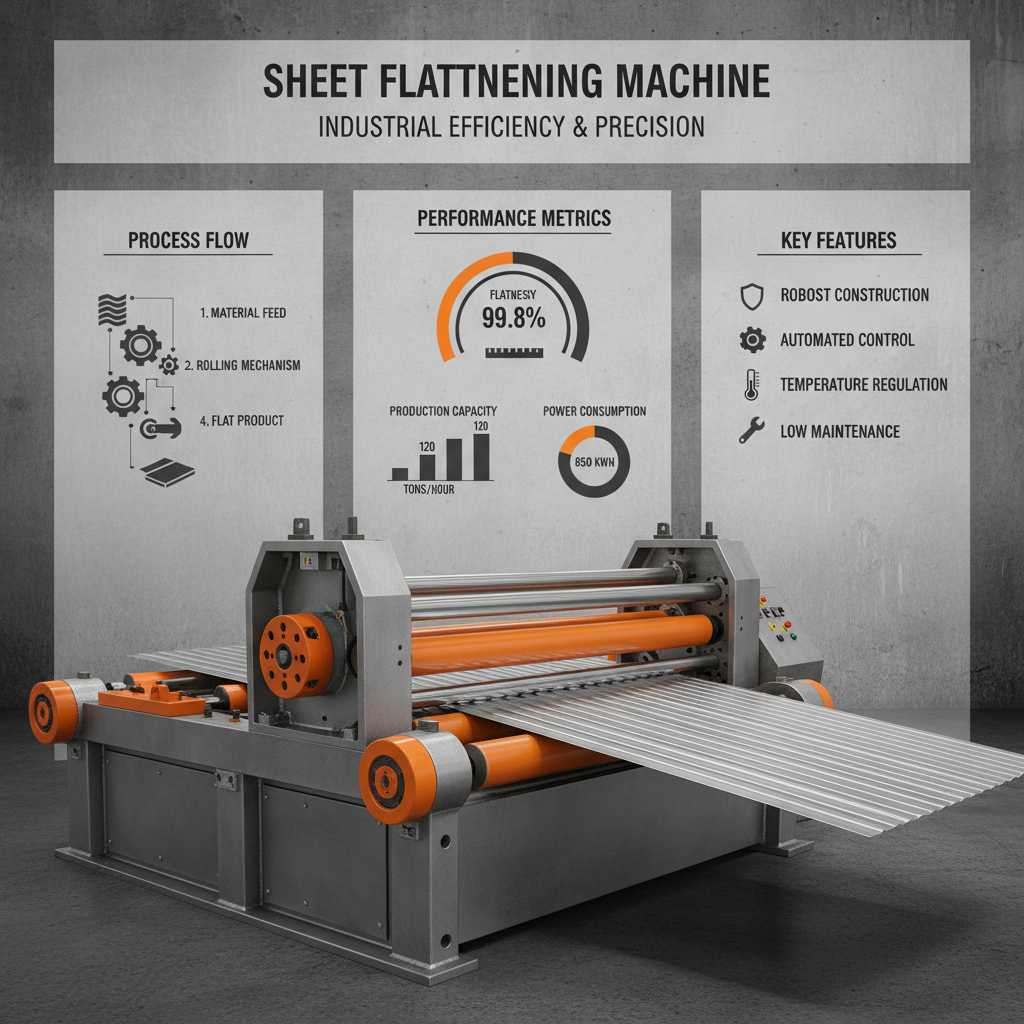
A sheet flattening machine is a powerful tool for any metal fabrication shop aiming for improved quality, efficiency, and cost savings. By carefully evaluating your needs and selecting the right machine from a trusted supplier like Mesh Machinery, you can unlock significant benefits and elevate your manufacturing capabilities. Don't let warped sheets hold back your production potential – invest in a solution that delivers precision and reliability.
Most sheet flattening machines are capable of processing a wide range of metals, including steel (carbon steel, stainless steel), aluminum, copper, brass, and other alloys. However, the specific material compatibility depends on the machine’s design and capabilities. It’s crucial to verify that the machine is suitable for the specific metal you intend to flatten, considering factors like hardness and thickness. Some specialized machines are designed for more exotic alloys, but these typically come at a higher cost. Mesh Machinery provides detailed specifications for each machine, outlining its material compatibility.
Regular maintenance is essential to ensure optimal performance and longevity. This typically includes lubricating moving parts, inspecting rollers and leveling heads for wear, checking hydraulic fluid levels (if applicable), and cleaning the machine to remove debris. Periodic inspections by a qualified technician are also recommended. Following the manufacturer’s maintenance schedule is crucial to prevent breakdowns and ensure the machine operates safely and efficiently. Mesh Machinery provides comprehensive maintenance guidelines and support.
Determining the right machine involves a thorough assessment of your specific requirements. Consider the types of metal you’ll be flattening, the range of sheet thicknesses, your desired production volume, and your budget. It’s also important to evaluate the level of automation you need and the available space in your facility. Consulting with a machine expert at Mesh Machinery can provide valuable guidance and help you select the optimal machine for your application.
Safety is paramount when operating a sheet flattening machine. Always wear appropriate personal protective equipment (PPE), including safety glasses, gloves, and steel-toe boots. Ensure that the machine is properly grounded and that all safety guards are in place. Never operate the machine if you are not properly trained. Follow all manufacturer's safety guidelines and procedures. Be aware of pinch points and moving parts. Regular safety inspections and maintenance are also crucial to prevent accidents.
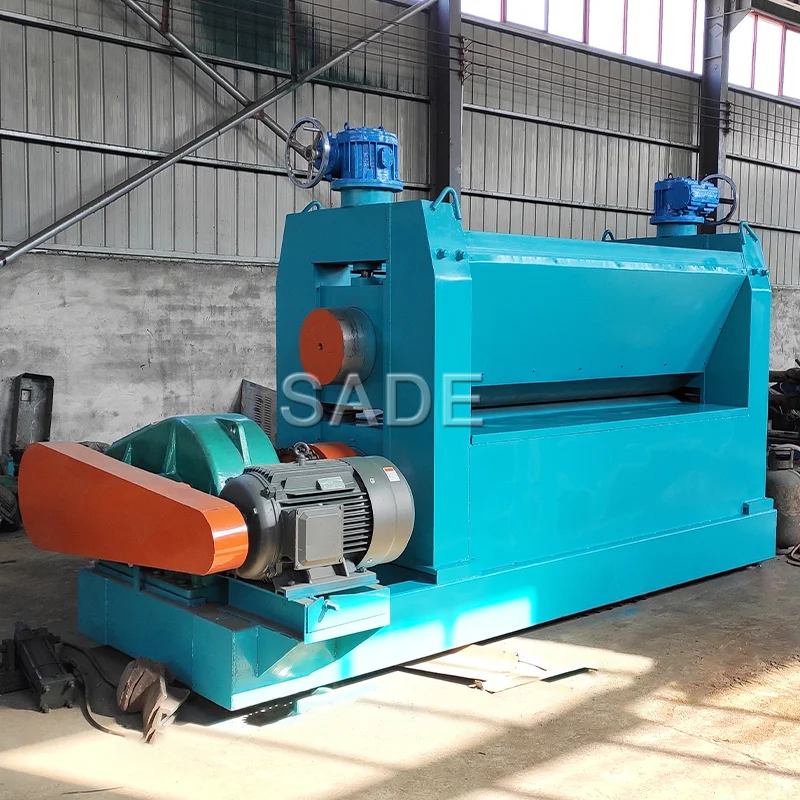
ZPJ Metal Mesh Flatting Machine
ZPJ metal mesh flatting machine is special designed for expanded metal flatting.It’s a corollary equipment of expanded metal machine. It can make expanded wire-mesh smoothly.And the flattened expanded metal have much more widely different applications.
Apr 24, 2026
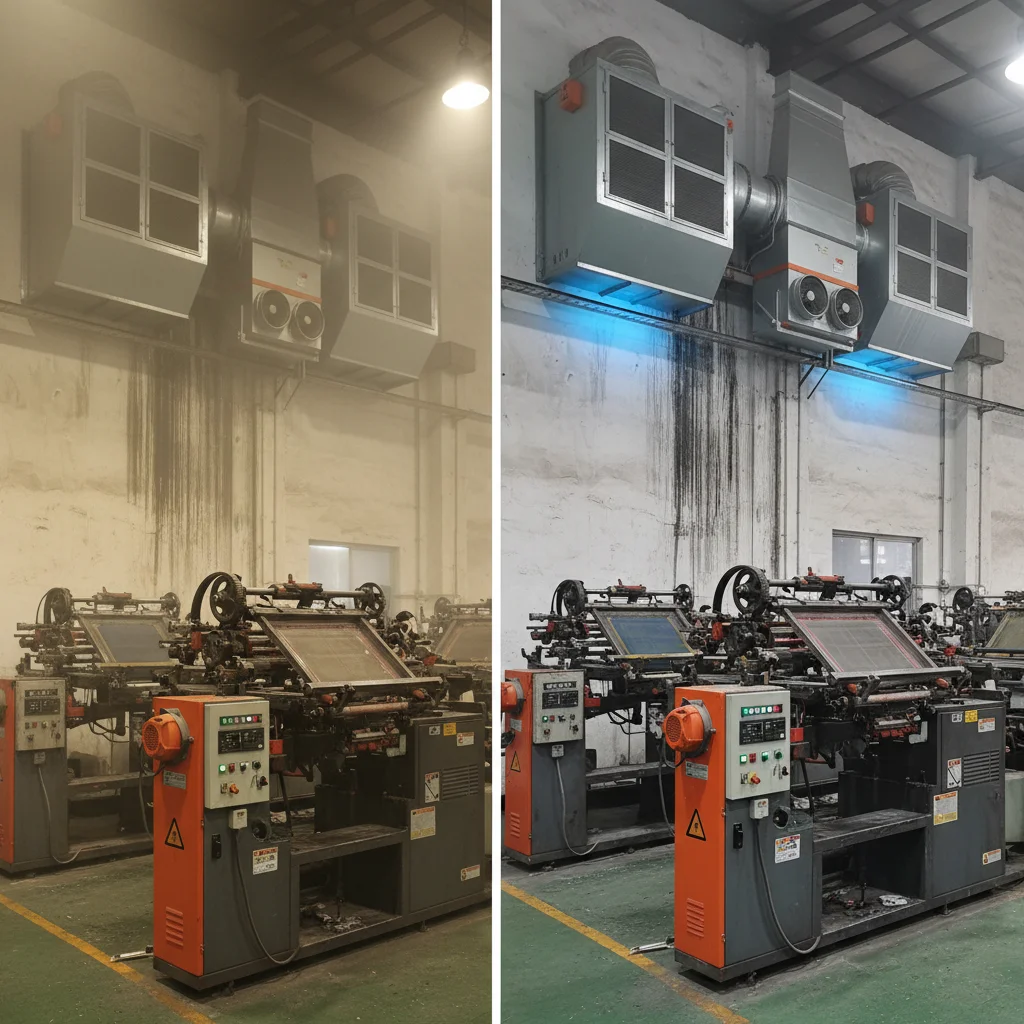
Industrial Wall Mounted Air Filtration for Clean Work Environments