
March 14, 2026
In the realm of construction and building materials, ensuring structural integrity is paramount. A crucial component often overlooked is the quality of reinforcing materials. This is where a brick force wire making machine comes into play. These machines are designed to produce the high-strength wire essential for reinforcing brickwork, concrete, and other building applications. This article will delve into the workings, benefits, types, and factors to consider when choosing a brick force wire making machine, catering to both industry professionals and those seeking a deeper understanding of this vital technology. Investing in a reliable machine is essential for producing durable and safe construction materials.
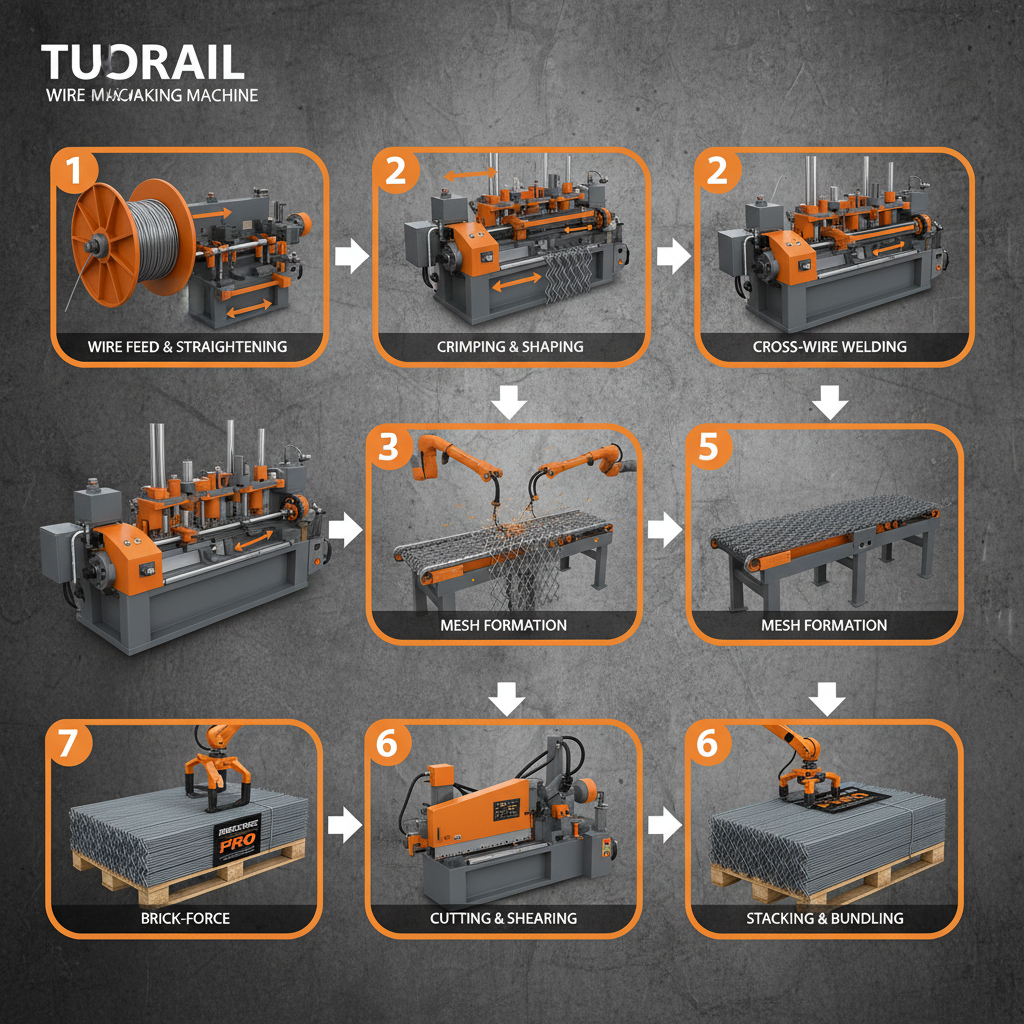
At its core, a brick force wire making machine automates the process of drawing steel wire to a specific gauge and applying tension to increase its strength. The process typically involves several stages: feeding the steel coil, drawing the wire through a series of dies to reduce its diameter, and then winding the finished wire onto a spool. Modern machines often incorporate automated controls for precise tension and diameter adjustments, ensuring consistent product quality. Some advanced models also feature cooling systems to manage heat generated during the drawing process, further enhancing wire strength and durability. These machines are built for efficiency and precision, minimizing waste and maximizing output. Mesh Machinery provides advanced solutions in this area.
Key Highlights: Automated controls for precision, cooling systems for enhanced strength, and minimized waste for efficient production.
Several types of brick force wire making machines cater to different production needs and scales. These can generally be categorized by their level of automation and wire drawing method. Fully automatic machines require minimal operator intervention and are ideal for high-volume production, while semi-automatic machines offer a balance between automation and manual control. Direct drawing machines draw the wire in a single pass, while multi-die drawing machines utilize multiple dies to achieve the desired diameter gradually. The choice depends on factors such as production capacity, budget, and the specific wire gauge requirements. Understanding the different options allows businesses to select the machine that best aligns with their operational goals.
Machine Type Overview:
• Fully Automatic: High volume, minimal intervention.
• Semi-Automatic: Balanced automation & control.
• Direct Drawing: Single-pass wire drawing.
• Multi-Die Drawing: Gradual diameter reduction.
When evaluating a brick force wire making machine, several key specifications should be considered. These include the wire diameter range, drawing speed, motor power, and overall machine dimensions. Comparing different models based on these parameters allows for an informed decision. Below is a comparison table highlighting the specifications of three popular machines:
Before investing in a brick force wire making machine, carefully consider several crucial factors. Production capacity is paramount – accurately estimate your wire demand to choose a machine that can meet your needs without overspending. Budget is another critical factor. Prices can vary significantly depending on automation level and features. Maintenance requirements should also be assessed, as regular maintenance is vital for ensuring optimal performance and extending the machine’s lifespan. Finally, choose a reputable supplier like Mesh Machinery, known for providing quality machines and reliable after-sales service. A well-informed decision will result in a cost-effective and efficient investment.
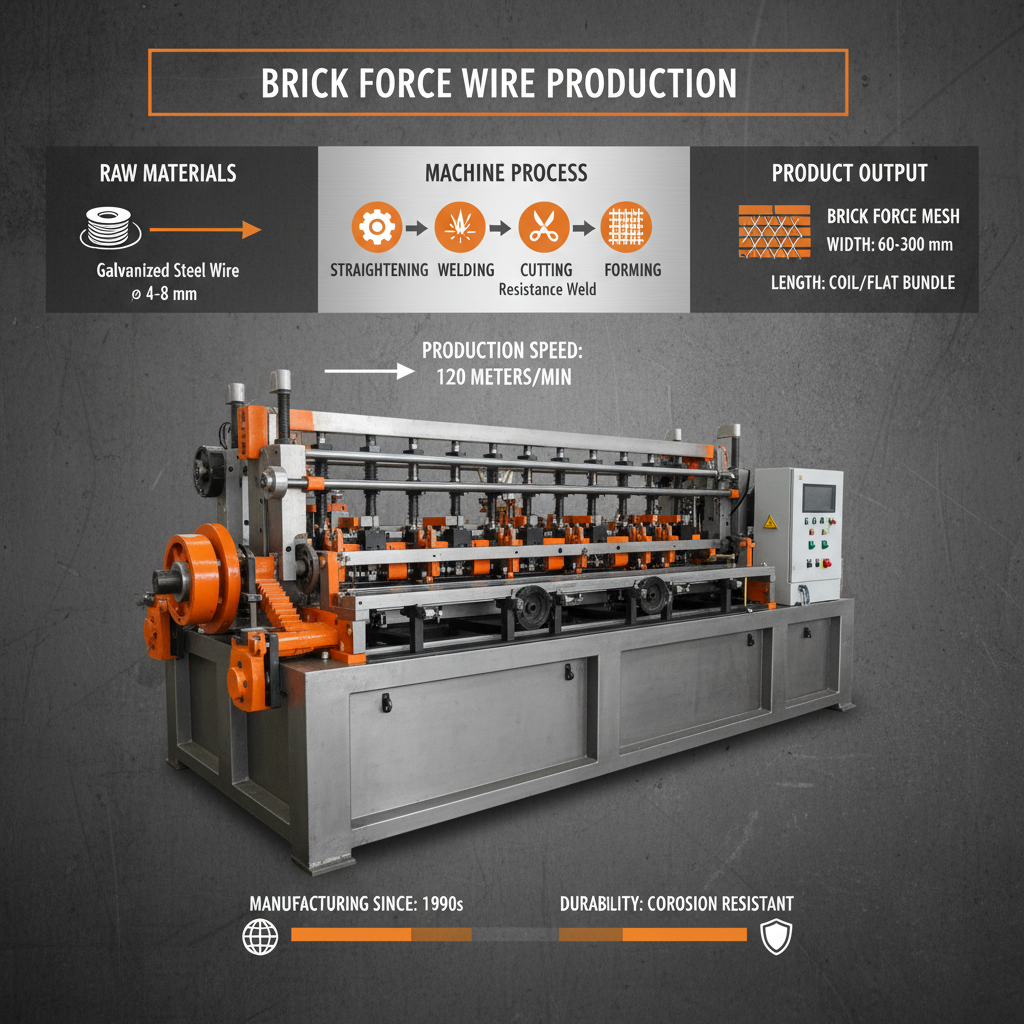
Investing in a high-quality brick force wire making machine yields numerous benefits. Improved product quality is a significant advantage, as consistent wire gauge and strength enhance the structural integrity of finished products. Increased production efficiency translates to higher output and reduced labor costs. Reduced material waste minimizes operational expenses and promotes sustainability. Furthermore, a reliable machine ensures consistent supply, allowing businesses to meet customer demand effectively. Ultimately, a well-chosen machine contributes to improved profitability and a stronger market position. Choosing a leader like Mesh Machinery secures these benefits.
The brick force wire making machine is an indispensable asset for any construction materials producer. Investing in a reliable and efficient machine is critical for ensuring the quality, durability, and safety of building structures. By understanding the different types, specifications, and factors to consider, businesses can make informed decisions that lead to increased profitability and a stronger competitive edge. Don't compromise on the foundation of your construction – choose a superior wire making solution.
High-carbon steel wire is generally preferred for brick force wire making due to its superior tensile strength and ability to withstand the stresses of concrete reinforcement. The specific grade of steel will depend on the required strength and ductility of the finished wire. Common grades include SAE 1070 and SAE 1074. Selecting the right steel is crucial for ensuring the long-term structural integrity of brickwork and concrete structures. Factors such as corrosion resistance and weldability should also be considered based on the intended application of the wire.
Regular maintenance is essential for ensuring optimal performance and extending the lifespan of your wire making machine. Daily maintenance should include lubrication of moving parts, cleaning of dies, and inspection for wear and tear. Weekly maintenance should involve a more thorough inspection of the motor, gearbox, and electrical components. Annual maintenance should be performed by a qualified technician, including a complete overhaul of the machine and replacement of worn parts. Following the manufacturer's recommended maintenance schedule is crucial for preventing costly breakdowns and ensuring consistent product quality.
Operating a wire making machine requires strict adherence to safety precautions. Always wear appropriate personal protective equipment (PPE), including safety glasses, gloves, and hearing protection. Ensure that all safety guards are in place and functioning correctly. Never attempt to repair or maintain the machine while it is running. Properly ground the machine to prevent electrical shock. Be aware of pinch points and moving parts. Implement lockout/tagout procedures during maintenance. Thorough training for all operators is essential for preventing accidents and ensuring a safe working environment.
The payback period for a brick force wire making machine investment varies depending on factors such as production volume, wire price, labor costs, and machine cost. However, a typical payback period ranges from 2 to 5 years. By reducing reliance on external wire suppliers, businesses can significantly lower material costs and improve profit margins. Increased production efficiency and reduced material waste further contribute to a faster payback. A detailed cost-benefit analysis, taking into account all relevant factors, is recommended before making an investment.
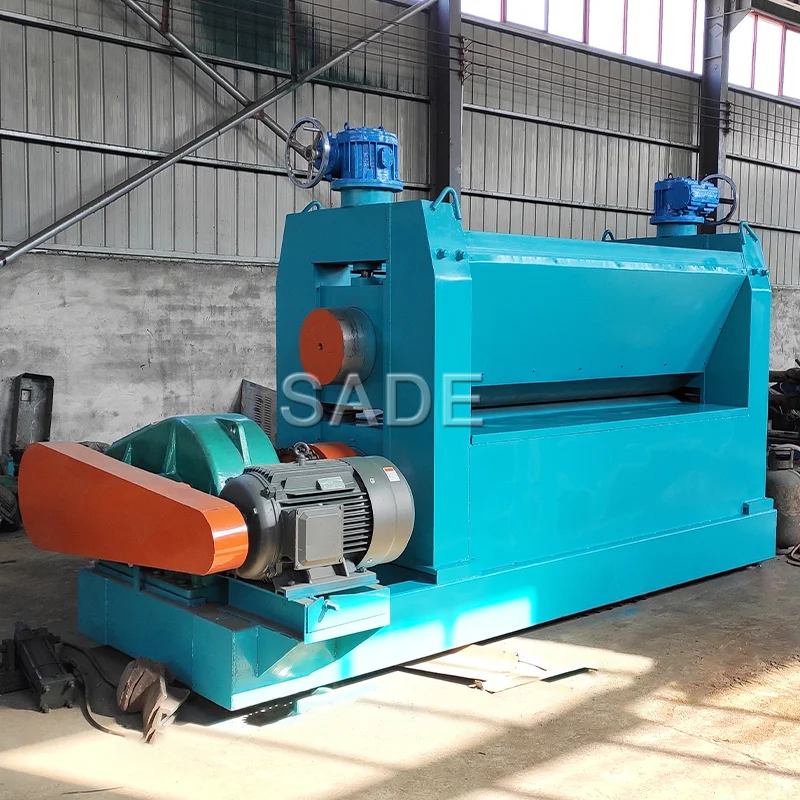
ZPJ Metal Mesh Flatting Machine
ZPJ metal mesh flatting machine is special designed for expanded metal flatting.It’s a corollary equipment of expanded metal machine. It can make expanded wire-mesh smoothly.And the flattened expanded metal have much more widely different applications.
Apr 24, 2026
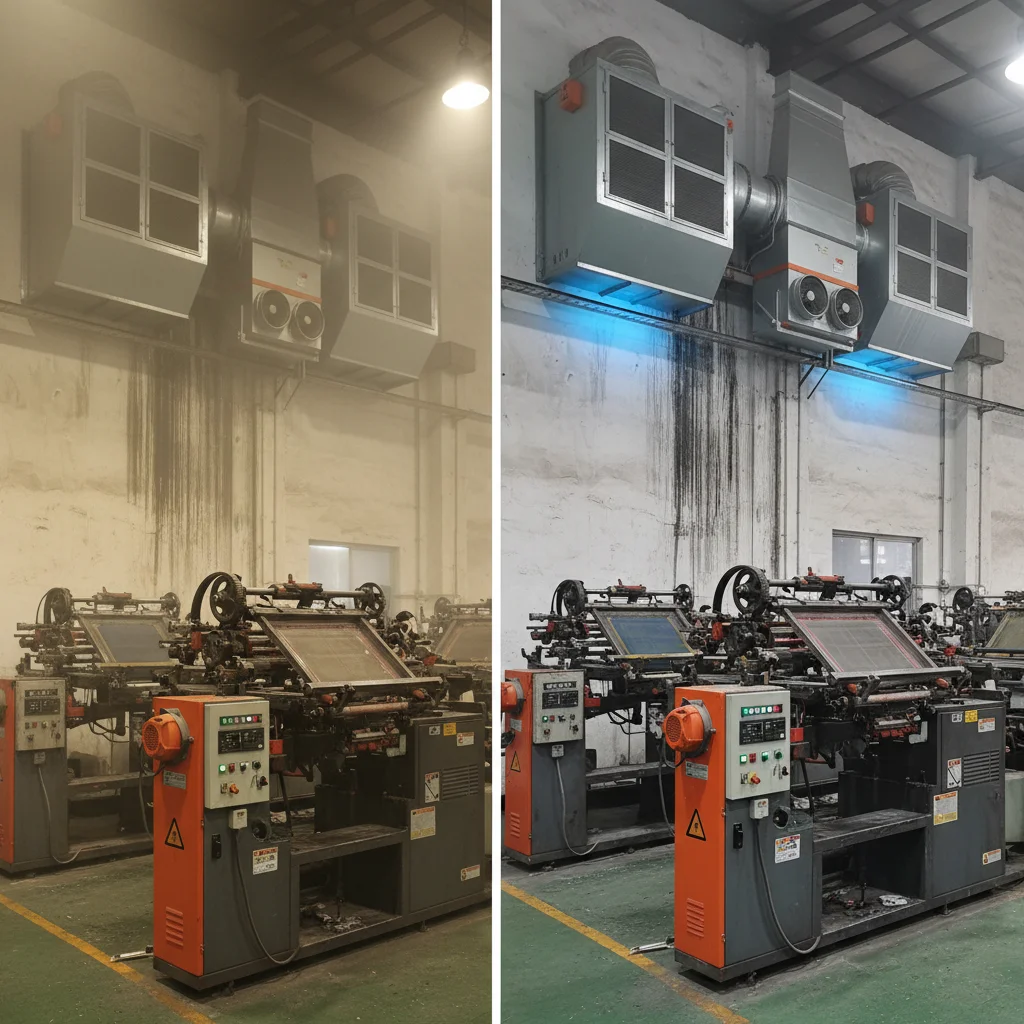
Industrial Wall Mounted Air Filtration for Clean Work Environments