
March 12, 2026
Expanded mesh machines are essential equipment in various industries, producing versatile metal mesh for applications ranging from filtration and security to architectural designs. Choosing the right machine can significantly impact production efficiency, product quality, and overall cost-effectiveness. This article delves into the workings, types, applications, and key considerations when selecting an expanded mesh machine. We’ll explore how these machines function and why Mesh Machinery stands as a leading provider in the industry.
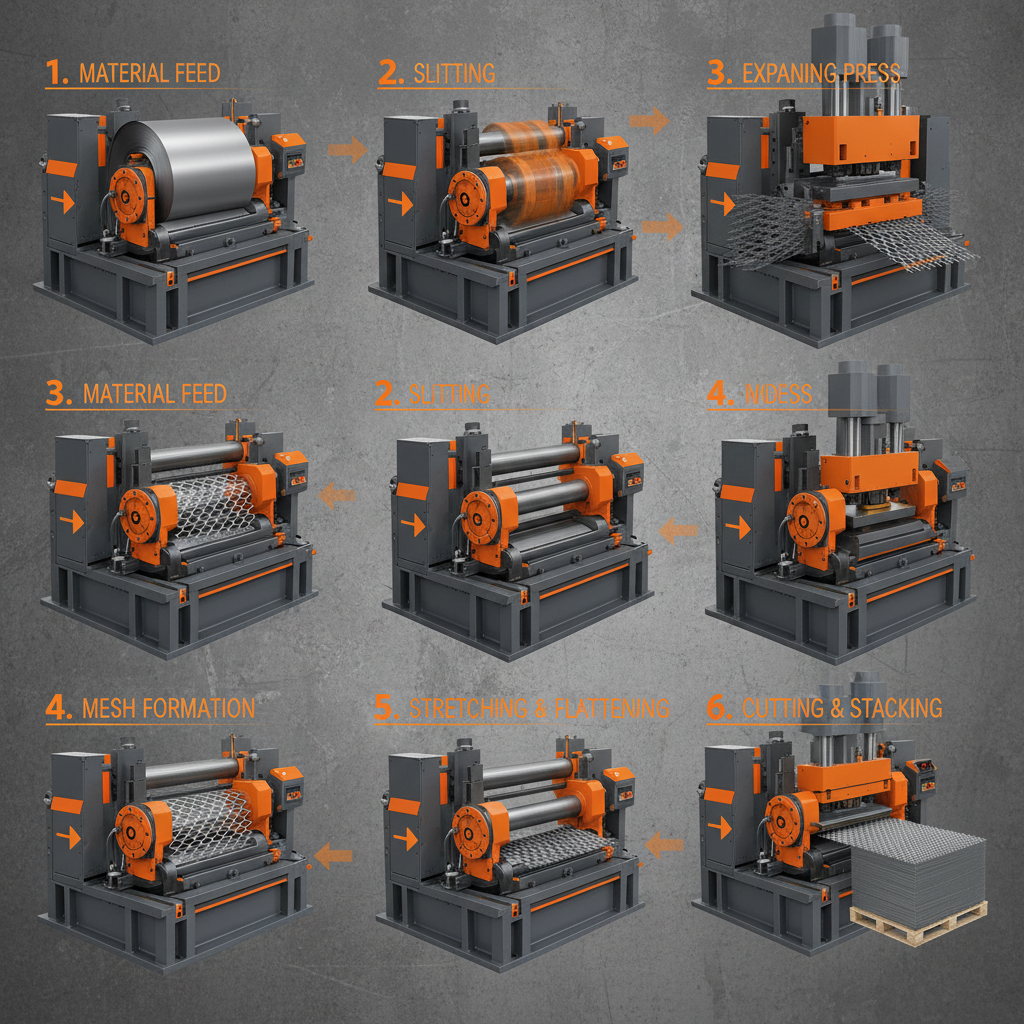
The process begins with a metal sheet fed into the machine. A series of reciprocating punches and dies simultaneously cut and stretch the metal, creating a diamond-shaped or hexagonal pattern. Unlike woven mesh, expanded metal maintains a high percentage of the original metal's strength, making it incredibly durable. The key to successful expansion lies in the precise synchronization of the punching and stretching actions, ensuring consistent mesh dimensions and quality. The machine's controls allow for adjustments to parameters like sheet thickness, mesh aperture size, and strand width, providing versatility for different applications. Mesh Machinery’s machines are engineered for this precision.
Key Process Highlights: Precise synchronization of punching and stretching, adjustable parameters for versatile mesh creation, and consistently high-quality output.
Several types of expanded mesh machines cater to different production needs and scales. The primary classifications include:
The choice of machine depends on factors like production volume, material type, desired mesh specifications, and budget. Mesh Machinery offers a complete range of these machine types.
Machine Type Comparison:
• Mechanical: Lower cost, moderate speed.
• Hydraulic: Higher force, faster cycle times.
• CNC: Exceptional precision, automated operation.
Expanded metal mesh finds applications across a wide spectrum of industries. Some prominent examples include:
The versatility of expanded metal, coupled with the efficiency of modern expanded mesh machines, makes it a highly sought-after material in numerous sectors.
Selecting the right expanded mesh machine involves careful consideration of several factors. These include material compatibility (carbon steel, stainless steel, aluminum), desired mesh aperture size and strand width, production volume, and automation requirements. A crucial aspect is the machine's durability and maintenance needs. Investing in a machine from a reputable manufacturer like Mesh Machinery ensures quality, reliability, and readily available support.
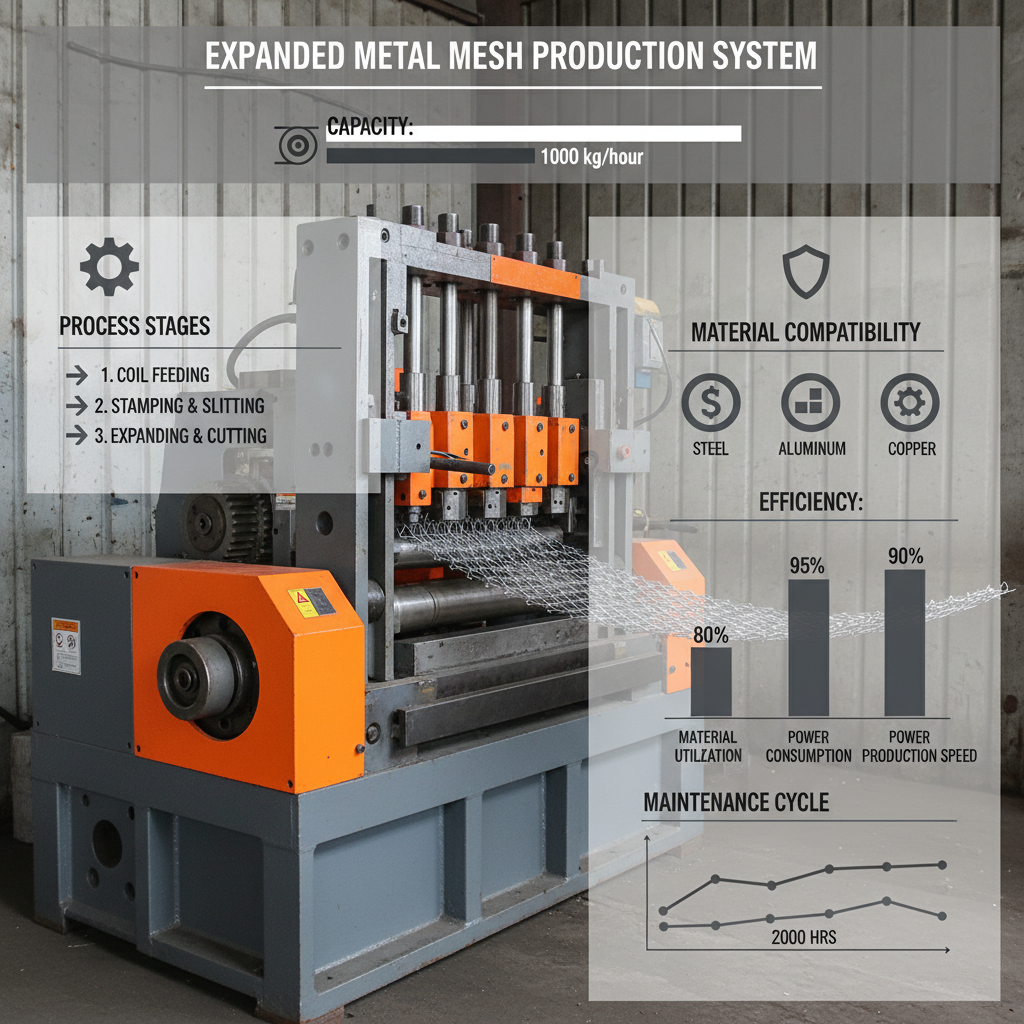
Understanding key specifications is vital for making an informed decision. Here’s a typical specification overview:
Investing in a high-quality expanded mesh machine is a significant step toward optimizing production and ensuring product quality. Mesh Machinery offers a comprehensive range of machines, coupled with expert support and customized solutions. Contact us today to discuss your specific needs and discover how we can help you achieve your manufacturing goals.
Expanded mesh machines are versatile and can process a variety of metals, including carbon steel, stainless steel, aluminum, and even some alloys. The choice of material depends on the desired application and the machine's capabilities. Mesh Machinery machines are designed to handle a wide range of material types and thicknesses, ensuring flexibility for diverse production needs. The machine’s tooling and settings need to be adjusted based on the metal's properties for optimal results.
Regular maintenance is crucial for ensuring optimal performance and longevity. This includes lubricating moving parts, inspecting and replacing worn dies and punches, and cleaning the machine to remove metal debris. Mesh Machinery provides comprehensive maintenance schedules and support services to help customers keep their machines running smoothly. Preventative maintenance can significantly reduce downtime and extend the machine’s lifespan.
Expanded metal offers several advantages over woven mesh. It maintains a higher percentage of the original metal's strength, making it more durable and resistant to deformation. It also provides a more open surface area, allowing for better airflow and drainage. Furthermore, expanded metal does not unravel if a strand is broken, unlike woven mesh. These characteristics make expanded metal ideal for applications requiring strength, durability, and structural integrity.
Yes, Mesh Machinery offers customization options to meet specific application requirements. This includes adjusting the machine's tooling to create different mesh patterns, configuring automated feeding and stacking systems, and integrating control systems for precise operation. Customization ensures that the machine is perfectly tailored to your production needs, maximizing efficiency and output.
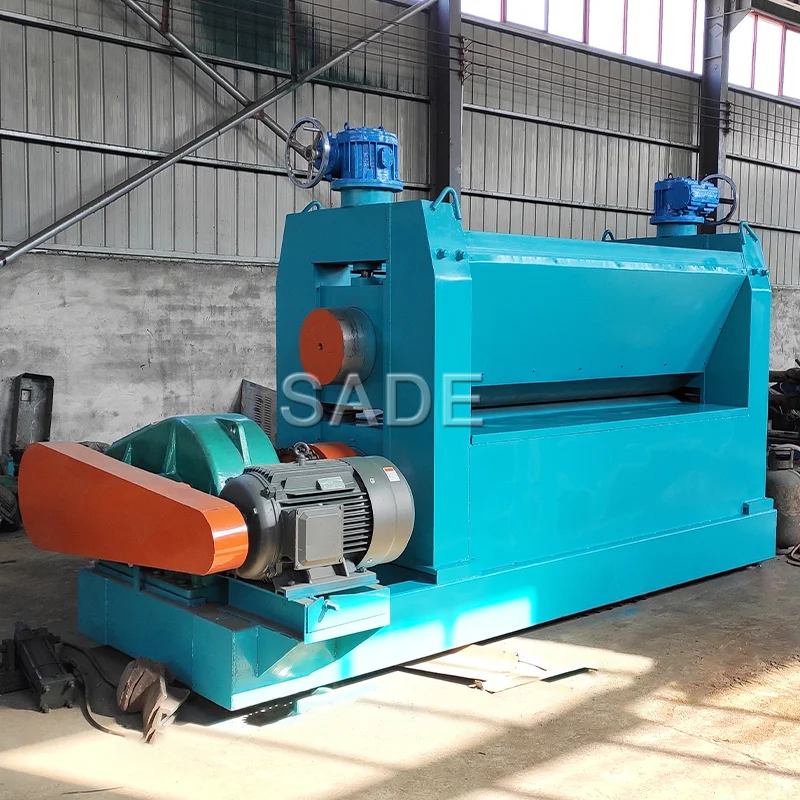
ZPJ Metal Mesh Flatting Machine
ZPJ metal mesh flatting machine is special designed for expanded metal flatting.It’s a corollary equipment of expanded metal machine. It can make expanded wire-mesh smoothly.And the flattened expanded metal have much more widely different applications.
Apr 24, 2026
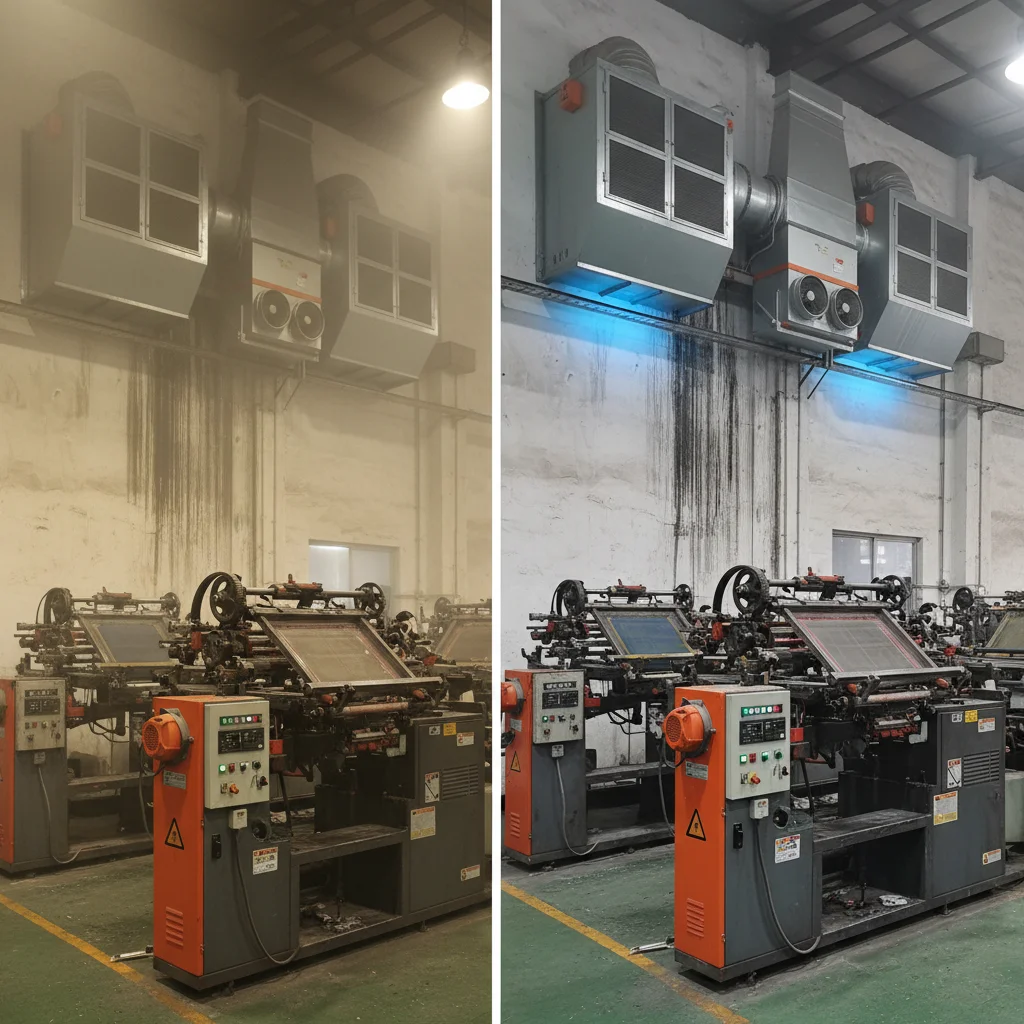
Industrial Wall Mounted Air Filtration for Clean Work Environments