
March 10, 2026
In the world of metal fabrication, efficiency and precision are paramount. An automatic wire feeding welding machine is a crucial investment for businesses looking to streamline their welding processes and improve the quality of their work. This article will provide a comprehensive overview of these machines, covering their benefits, types, key features, applications, and how to select the right model for your specific needs. We will explore how automation enhances productivity and reduces costs in welding operations.
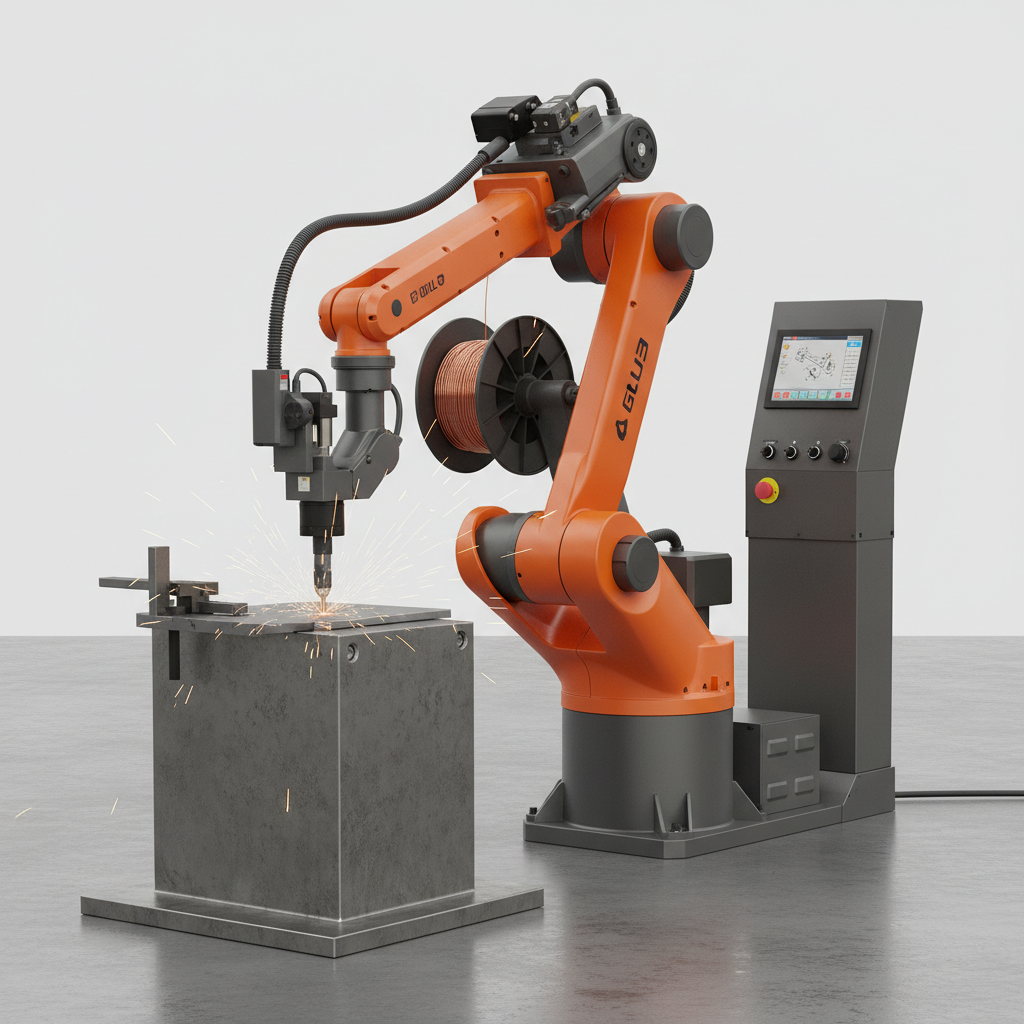
Automatic wire feeders offer a multitude of advantages over manual welding processes. They increase welding speed and consistency, leading to higher production rates. Reduced operator fatigue translates to fewer errors and improved weld quality. Automation also minimizes material waste by providing precise control over the welding parameters. Moreover, these machines enable welding in hard-to-reach areas and complex geometries, expanding application possibilities. Investing in an automatic wire feeding welding machine is a strategic move towards optimizing your welding operations.
Key Highlights: Increased welding speed and consistency, Reduced operator fatigue, Minimized material waste, and Expanded application possibilities.
Several types of automatic wire feeding welding machines cater to different welding applications. MIG (Gas Metal Arc Welding) machines are popular for their versatility and speed, commonly used in automotive and general fabrication. TIG (Gas Tungsten Arc Welding) machines, often with pulsed wire feeding, provide precise control for high-quality welds in aerospace and specialized applications. Flux-Cored Arc Welding (FCAW) machines are ideal for outdoor work and thicker materials, offering high deposition rates. Submerged Arc Welding (SAW) machines are used for heavy-duty applications requiring deep penetration and high productivity. Selecting the appropriate type depends on the materials being welded, the welding environment, and the desired weld quality.
Welding Machine Types:
• MIG (Gas Metal Arc Welding)
• TIG (Gas Tungsten Arc Welding)
• FCAW (Flux-Cored Arc Welding)
• SAW (Submerged Arc Welding)
When selecting an automatic wire feeding welding machine, several key features should be considered. Wire feed speed control is crucial for adjusting welding parameters to different materials and thicknesses. Digital displays and user-friendly interfaces simplify operation and allow for precise settings. Synergic control combines voltage and wire feed speed for optimal welding performance. Spool gun capabilities enable welding of aluminum and other non-ferrous metals. Push-pull wire feed systems enhance stability and reduce wire tangling. Consider these features carefully to ensure the machine meets your specific welding requirements.
Automatic wire feeding welding machines find applications across diverse industries. The automotive sector utilizes them for chassis and body panel welding. Construction companies employ them for structural steel fabrication. Manufacturing plants rely on them for producing a wide range of metal products. The shipbuilding industry utilizes them for hull and deck welding. And the aerospace sector demands precise welding for critical components. The versatility and efficiency of these machines make them invaluable assets in various manufacturing and construction processes.
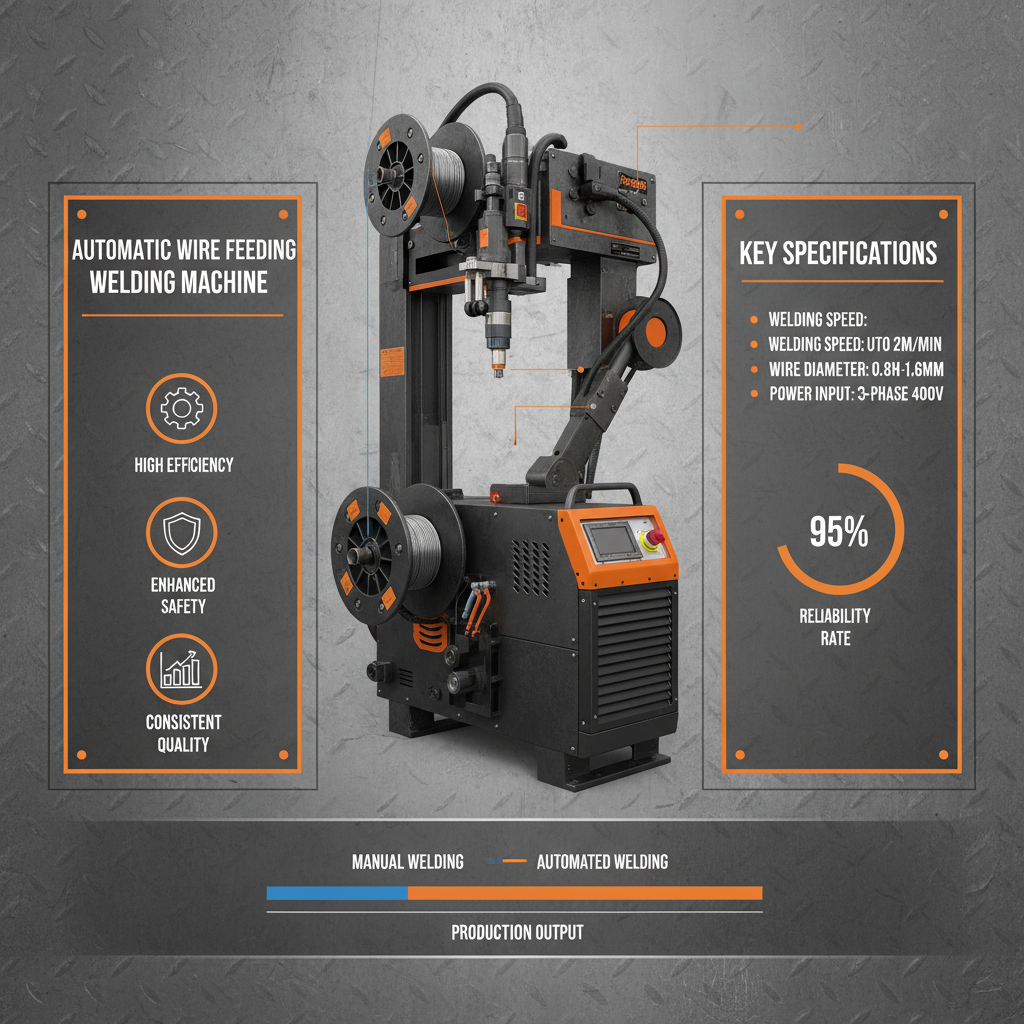
Selecting the correct automatic wire feeding welding machine requires careful consideration of your specific needs. Assess the types of materials you’ll be welding, the thickness of the materials, the welding environment, and the desired production volume. Determine the necessary power requirements and the available space for the machine. Consider the level of automation needed and the operator skill level. Finally, factor in the budget and the long-term cost of ownership, including maintenance and parts replacement. Mesh Machinery offers a range of machines to suit various applications and budgets.
An automatic wire feeding welding machine is a smart investment for businesses seeking to enhance productivity, improve weld quality, and reduce costs. By carefully considering your specific needs and selecting the right model, you can unlock significant benefits and streamline your welding operations. Contact Mesh Machinery today to explore our range of solutions and find the perfect machine for your application.
Regular maintenance is crucial for ensuring the longevity and optimal performance of your welding machine. This includes cleaning the wire feeder, checking and replacing worn contact tips and nozzles, inspecting the drive rolls, and ensuring proper gas flow. Periodically cleaning the internal components to remove dust and debris is also essential. Following the manufacturer's recommended maintenance schedule, found in the user manual, will help prevent costly breakdowns and extend the life of your equipment. Regular inspection of hoses and cables for damage is also recommended.
Common issues with automatic wire feeders include wire tangling, bird's nesting (wire bunching up), erratic wire feed speed, and inconsistent arc starts. Wire tangling is often caused by a dirty or worn wire spool, incorrect spool tension, or a clogged wire guide. Bird's nesting can result from improper gas flow or a worn liner. Erratic wire feed speed may be due to a faulty motor or control circuitry. Consult the troubleshooting section of your machine’s manual or contact a qualified technician for assistance.
Safety is paramount when operating any welding equipment. Always wear appropriate personal protective equipment (PPE), including a welding helmet, gloves, and fire-resistant clothing. Ensure the work area is well-ventilated and free of flammable materials. Disconnect the power source before performing any maintenance or repairs. Be mindful of the risk of electric shock and burns. Follow all safety guidelines outlined in the machine’s manual and adhere to local safety regulations.
Pulsed wire feeding provides precise control over the heat input during welding. By alternating between high and low current levels, it reduces distortion, minimizes spatter, and improves weld quality, especially on thin materials. This technique allows for greater control over the weld bead shape and penetration. Pulsed wire feeding is particularly advantageous when welding aluminum, stainless steel, and other heat-sensitive alloys.
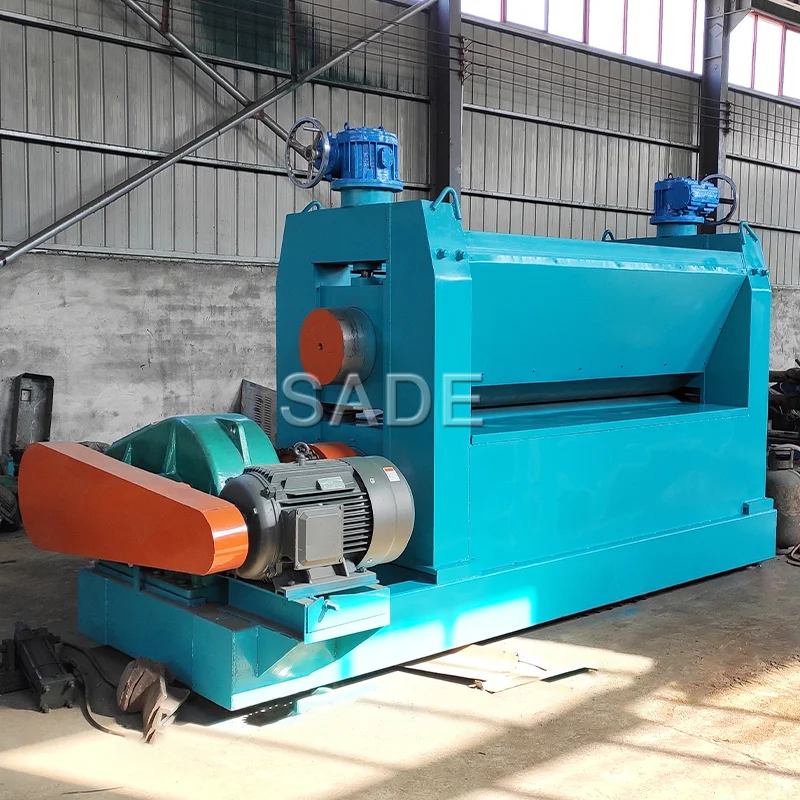
ZPJ Metal Mesh Flatting Machine
ZPJ metal mesh flatting machine is special designed for expanded metal flatting.It’s a corollary equipment of expanded metal machine. It can make expanded wire-mesh smoothly.And the flattened expanded metal have much more widely different applications.
Apr 24, 2026
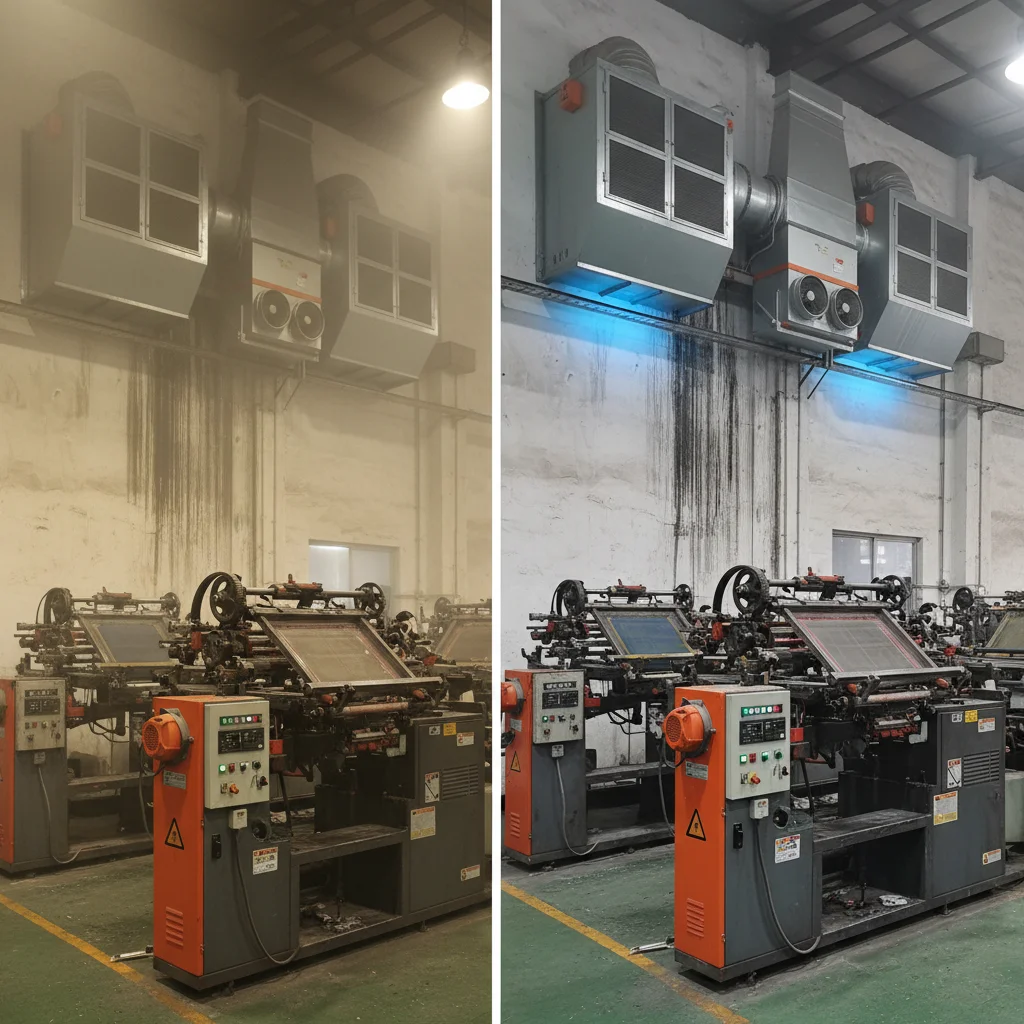
Industrial Wall Mounted Air Filtration for Clean Work Environments