
March 06, 2026
In the realm of electrical infrastructure, efficient cable management is paramount. A cable tray manufacturing machine is the cornerstone of producing the support systems that make this possible. This article delves into the intricacies of these machines, exploring their types, functionalities, benefits, and what to consider when investing in one. Understanding these machines is vital for businesses involved in electrical engineering, construction, and related fields. We will also examine the crucial role of selecting a reliable manufacturer, such as Mesh Machinery, for high-quality and efficient production.
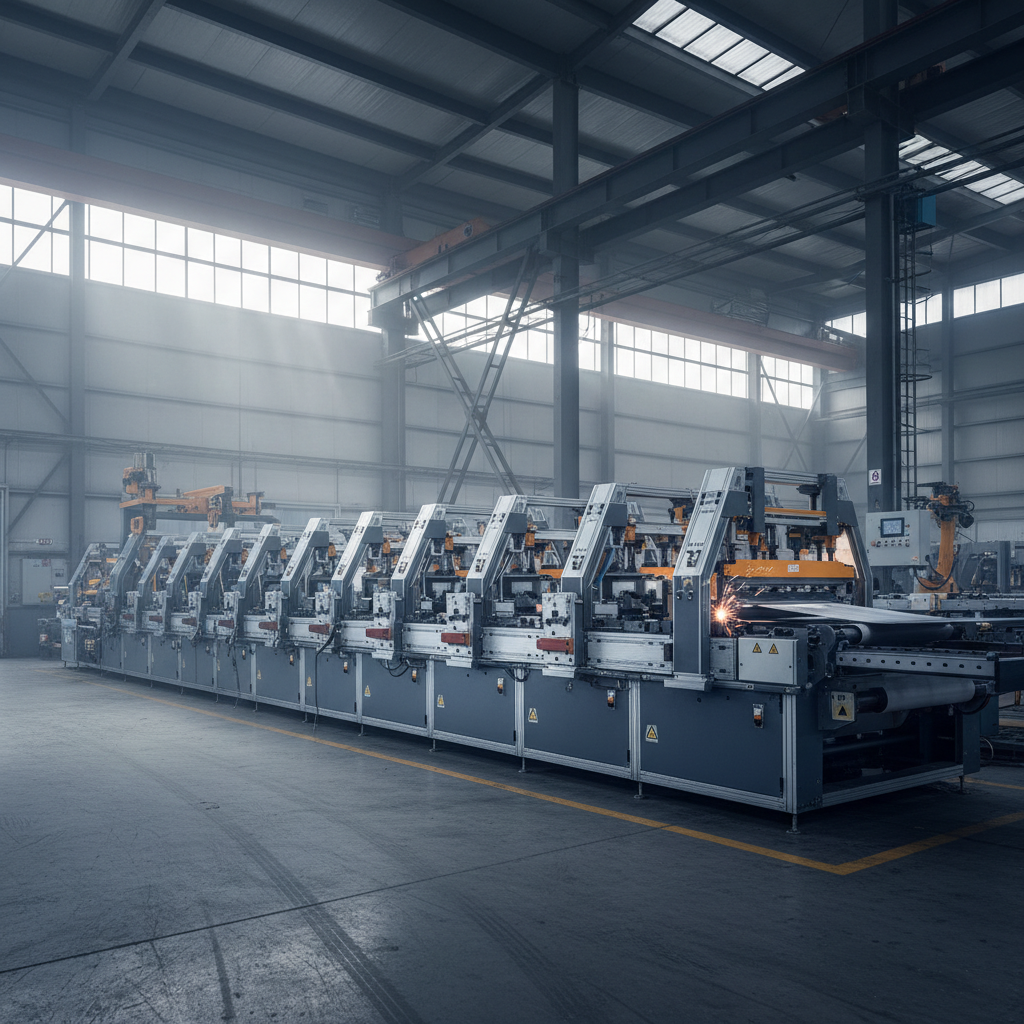
A cable tray manufacturing machine automates the process of creating metal trays used to support and route electrical cables. Traditionally, this was a labor-intensive process involving cutting, bending, and joining metal components. Modern machines significantly reduce labor costs, increase production speed, and ensure consistent quality. These machines come in various configurations, each suited to different tray types and production volumes. From simple uncoiling and cutting machines to fully automated systems that form and weld trays in a continuous process, the options are diverse. Investing in a modern cable tray machine can dramatically improve a company’s efficiency and competitiveness.
Key Benefits: Reduced labor costs, increased production speed, consistent quality, and versatility in producing various tray types.
The market offers several types of cable tray manufacturing machines, each designed for specific production needs. Here's a breakdown of the most common types:
Selecting the right machine depends on several factors, including production volume, tray type, material, and budget. Consider the following:
Key Considerations:
• Production Volume
• Tray Type
• Material Compatibility
• Budget and ROI
Different levels of automation impact cost, throughput, and labor requirements. Here's a comparative overview:
When choosing a supplier for your cable tray manufacturing machine, Mesh Machinery stands out as a reliable and experienced partner. We offer a comprehensive range of machines to meet diverse production needs, coupled with excellent customer service and technical support. Our machines are built to last, delivering consistent performance and maximizing your return on investment. We are dedicated to helping your business thrive.
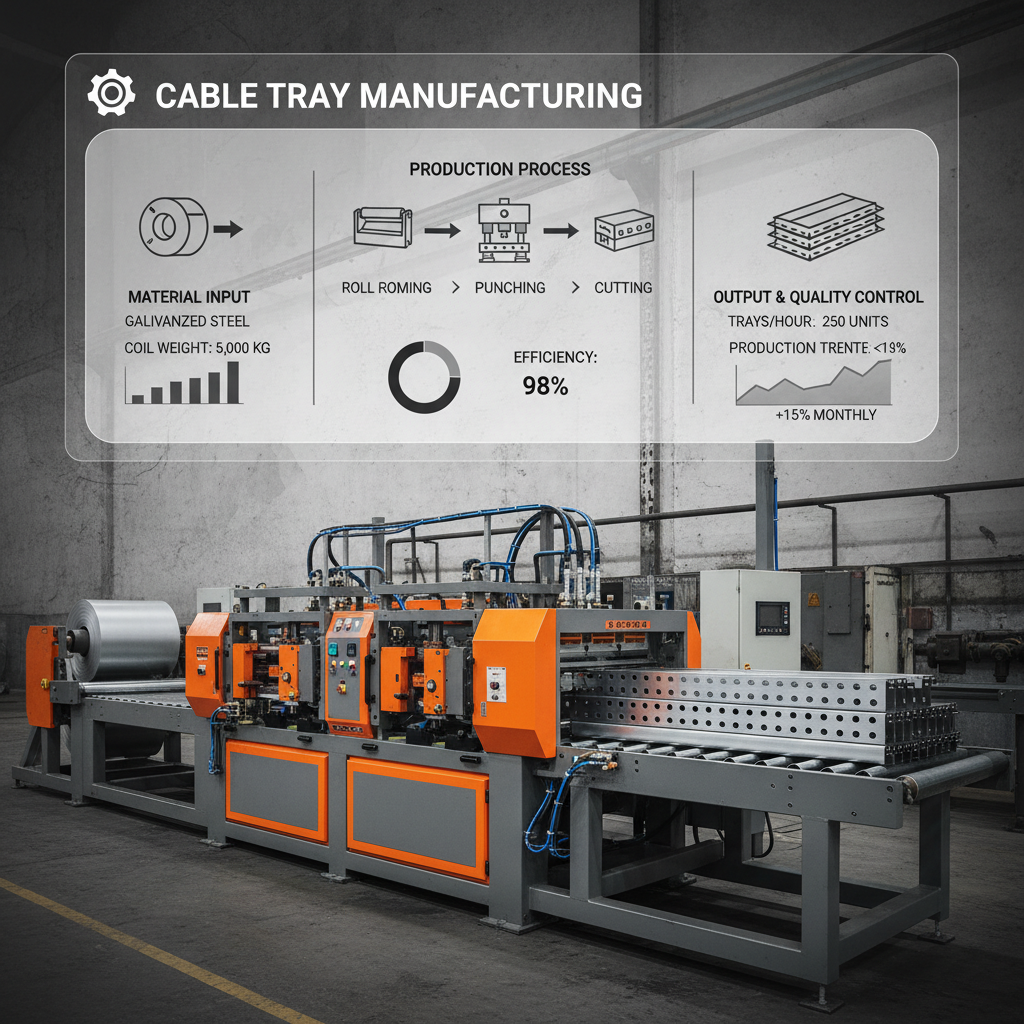
Investing in a modern cable tray manufacturing machine is a strategic move for any business involved in electrical infrastructure. It enhances efficiency, improves product quality, and reduces labor costs. Partnering with a reputable manufacturer like Mesh Machinery ensures you receive a reliable, high-performance machine backed by exceptional support. Don't hesitate to contact us to learn more and discuss your specific requirements.
Most cable tray manufacturing machines are designed to handle a variety of materials, including galvanized steel, stainless steel, aluminum, and even certain types of plastic. However, it's crucial to verify the machine's specifications to ensure compatibility with your chosen material. Factors such as material thickness and hardness can impact the machine's performance. Mesh Machinery offers machines specifically designed for different materials, ensuring optimal results.
Lead times can vary depending on the machine's complexity, customization requirements, and the manufacturer's current workload. Generally, lead times range from 8 to 16 weeks. It’s advisable to discuss your project timeline with the manufacturer during the initial consultation to get an accurate estimate. Mesh Machinery strives to minimize lead times while maintaining high quality standards.
Regular maintenance is essential to ensure the long-term performance and reliability of your cable tray manufacturing machine. This includes lubricating moving parts, inspecting belts and chains, cleaning the machine, and checking electrical connections. Manufacturers typically provide detailed maintenance schedules and manuals. Mesh Machinery offers comprehensive maintenance plans and technical support to help you keep your machine running smoothly.
Safety is paramount. Look for machines with features like emergency stop buttons, safety guards, overload protection, and proper electrical grounding. The machine should comply with relevant safety standards and regulations. Operators should receive thorough training on safe operating procedures. Mesh Machinery prioritizes safety in the design and construction of its machines.
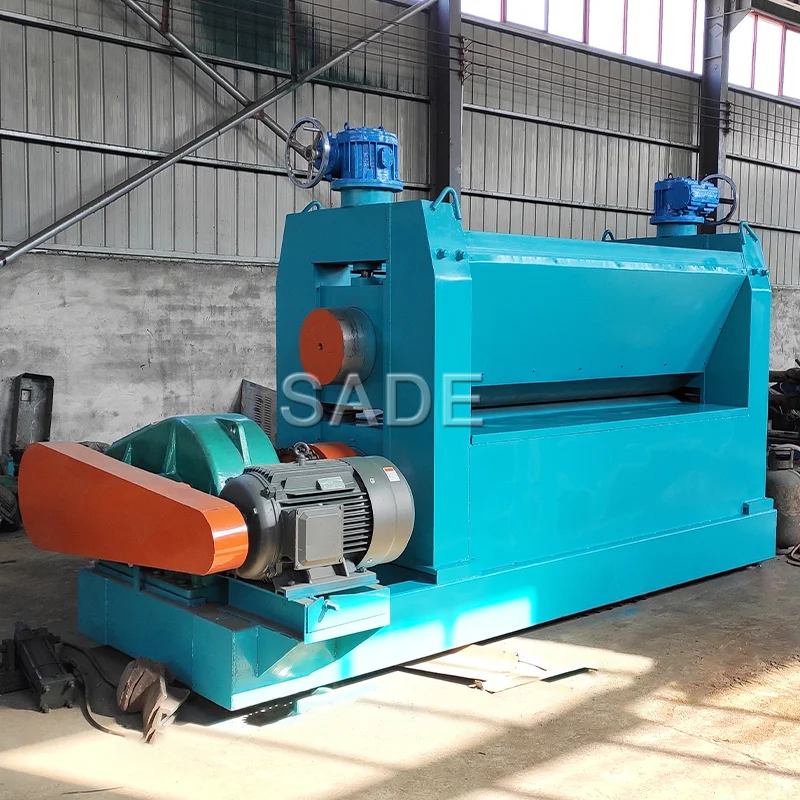
ZPJ Metal Mesh Flatting Machine
ZPJ metal mesh flatting machine is special designed for expanded metal flatting.It’s a corollary equipment of expanded metal machine. It can make expanded wire-mesh smoothly.And the flattened expanded metal have much more widely different applications.
Apr 24, 2026
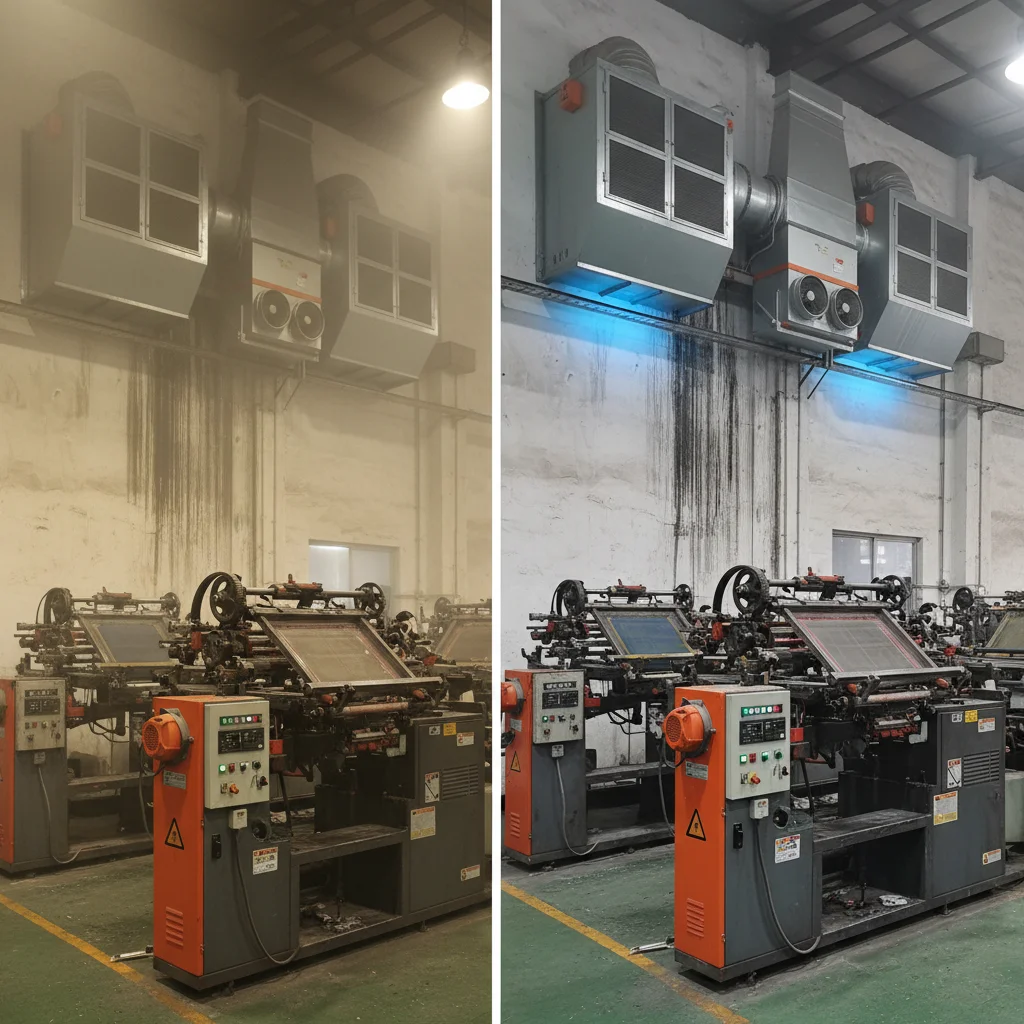
Industrial Wall Mounted Air Filtration for Clean Work Environments