
March 06, 2026
In the world of electrical infrastructure and construction, efficient cable management is paramount. A cable tray roll forming machine provides a streamlined solution for producing high-quality cable trays quickly and cost-effectively. This article delves into the intricacies of these machines, exploring their benefits, types, applications, and key considerations for buyers. Understanding the nuances of this equipment is crucial for those looking to optimize their cable management systems and improve project efficiency. Choosing the right machine can significantly impact productivity and overall project success.
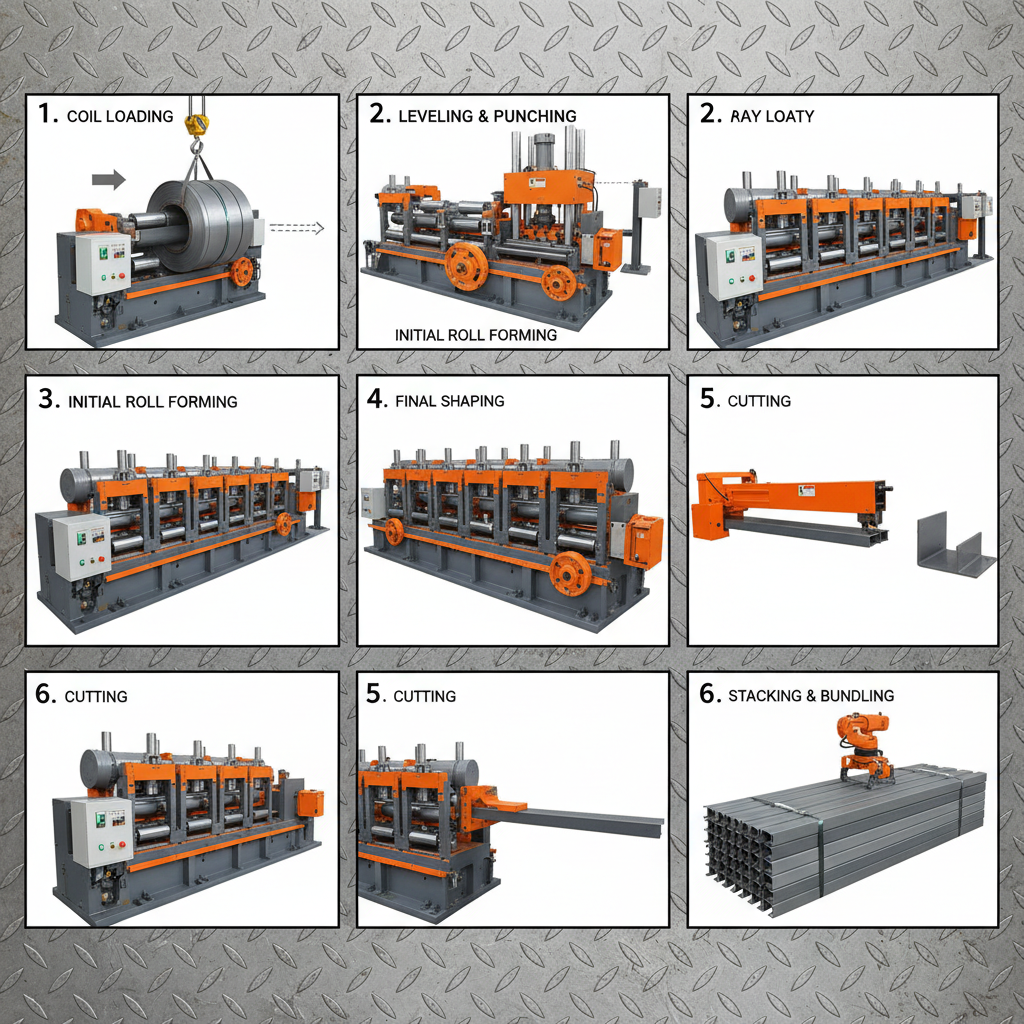
A cable tray roll forming machine takes flat metal coils (typically steel or aluminum) and progressively bends them into the desired cable tray profile using a series of rollers. This method is far more efficient than traditional fabrication techniques, such as welding or bending individual components. The process is continuous, allowing for high-volume production with minimal material waste. Modern machines often incorporate automated controls and sensors for precise and consistent results. Mesh Machinery offers a range of solutions tailored to meet diverse production needs.
Key Advantages: High production speed, reduced labor costs, consistent product quality, minimal material waste, and adaptable to various tray designs.
There are several types of cable tray roll forming machines, each suited for different production volumes and tray designs. The most common include:
The choice of machine depends on factors such as production volume, tray dimensions, material thickness, and budget. It’s essential to carefully assess your needs before making a purchase.
Choosing the Right Machine Type:
• Production Volume: Low = Single, High = Multi-Roll or Automatic
• Tray Complexity: Simple = Single/Double, Complex = Multi-Roll/Automatic
• Budget: Single
Selecting the right cable tray roll forming machine requires careful consideration of several factors. These include the machine's capacity (maximum material thickness and tray width), the level of automation, the precision and consistency of the forming process, and the availability of spare parts and technical support. It’s also important to consider the machine’s energy efficiency and safety features. Investing in a reliable machine from a reputable manufacturer is crucial for long-term productivity and minimizing downtime.
Cable tray roll forming machines are used in a wide range of industries, including:
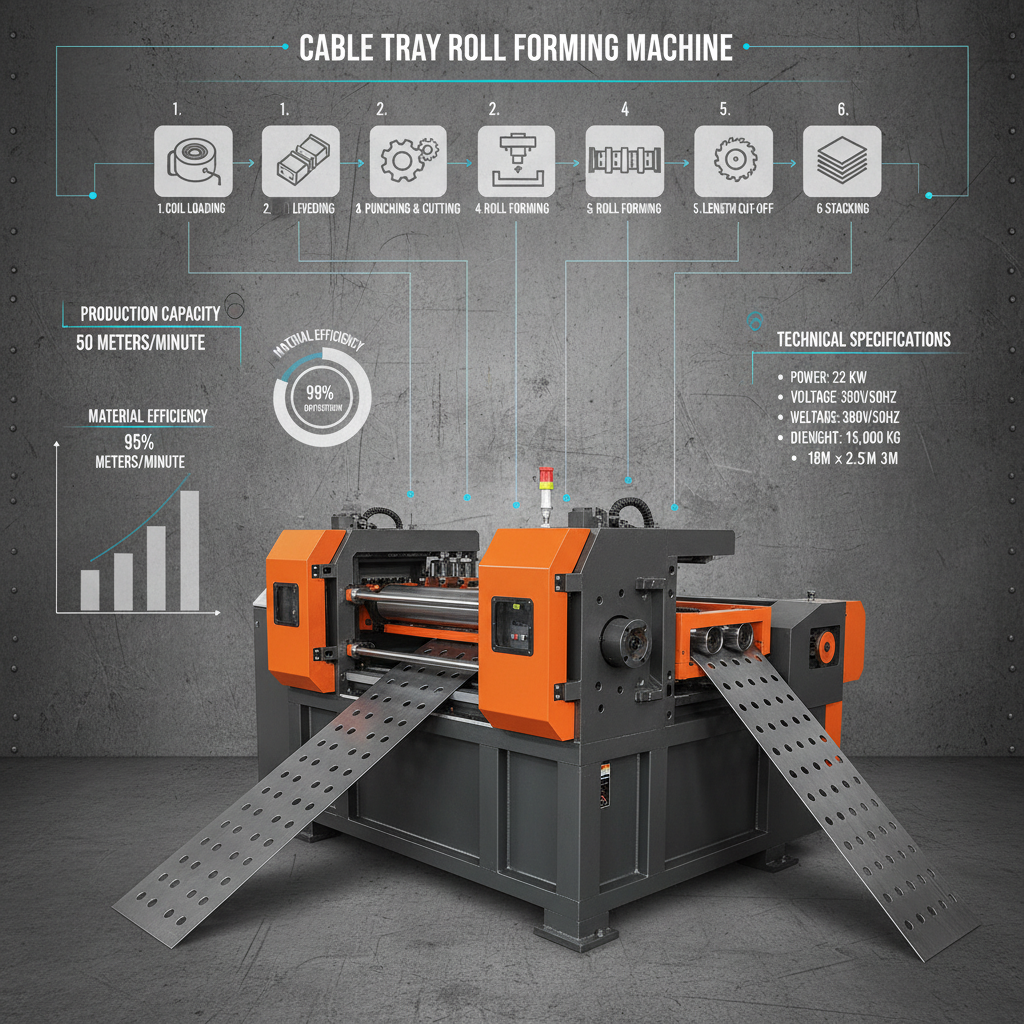
The cable tray roll forming industry is continuously evolving. Emerging trends include the integration of Industry 4.0 technologies, such as IoT sensors and data analytics, to optimize machine performance and predictive maintenance. Manufacturers are also focusing on developing machines that can handle a wider range of materials and tray profiles, offering greater flexibility to customers. Furthermore, energy efficiency and sustainability are becoming increasingly important considerations in machine design.
Investing in a high-quality cable tray roll forming machine is a strategic decision that can significantly improve your production efficiency, reduce costs, and enhance the quality of your cable management systems. Mesh Machinery offers a comprehensive range of machines and solutions to meet your specific needs. Don't settle for less – choose a reliable partner for your cable tray manufacturing requirements.
Most cable tray roll forming machines are designed to work with galvanized steel, stainless steel, and aluminum. The choice of material depends on the application and environmental conditions. Galvanized steel is a cost-effective option for indoor use, while stainless steel is ideal for corrosive environments. Aluminum offers a lightweight and corrosion-resistant solution. Always verify the machine's compatibility with the specific material you intend to use.
Production speed varies depending on the machine type, tray profile, material thickness, and automation level. A single roll forming machine might produce 5-10 meters per minute, while a fully automatic line can achieve speeds of up to 30-50 meters per minute. Automated lines with optimized material feeding and cutting systems offer the highest throughput. Contacting Mesh Machinery can provide specific production rates based on your requirements.
Regular maintenance is crucial for ensuring optimal performance and longevity. This includes lubricating moving parts, inspecting rollers for wear, cleaning the machine to remove debris, and checking the control system for errors. Preventative maintenance schedules should be followed to address potential issues before they lead to downtime. Mesh Machinery provides comprehensive maintenance support and spare parts to keep your machine running smoothly.
Safety is paramount when operating a roll forming machine. Essential safety features include emergency stop buttons, safety guards to prevent access to moving parts, overload protection, and proper electrical grounding. The machine should also comply with relevant safety standards and regulations. Operator training is essential to ensure safe operation and prevent accidents.
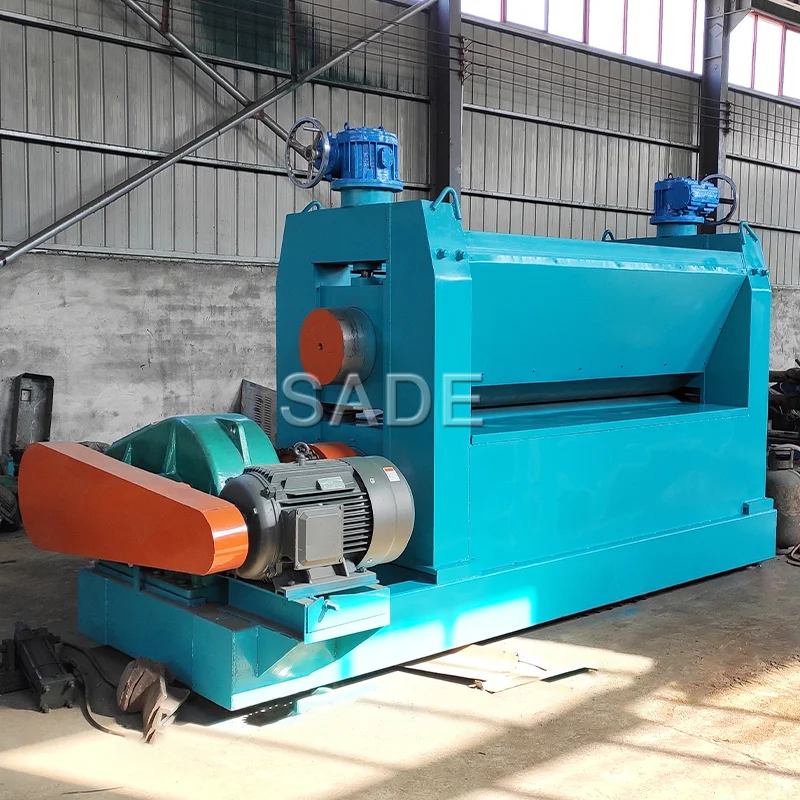
ZPJ Metal Mesh Flatting Machine
ZPJ metal mesh flatting machine is special designed for expanded metal flatting.It’s a corollary equipment of expanded metal machine. It can make expanded wire-mesh smoothly.And the flattened expanded metal have much more widely different applications.
Apr 24, 2026
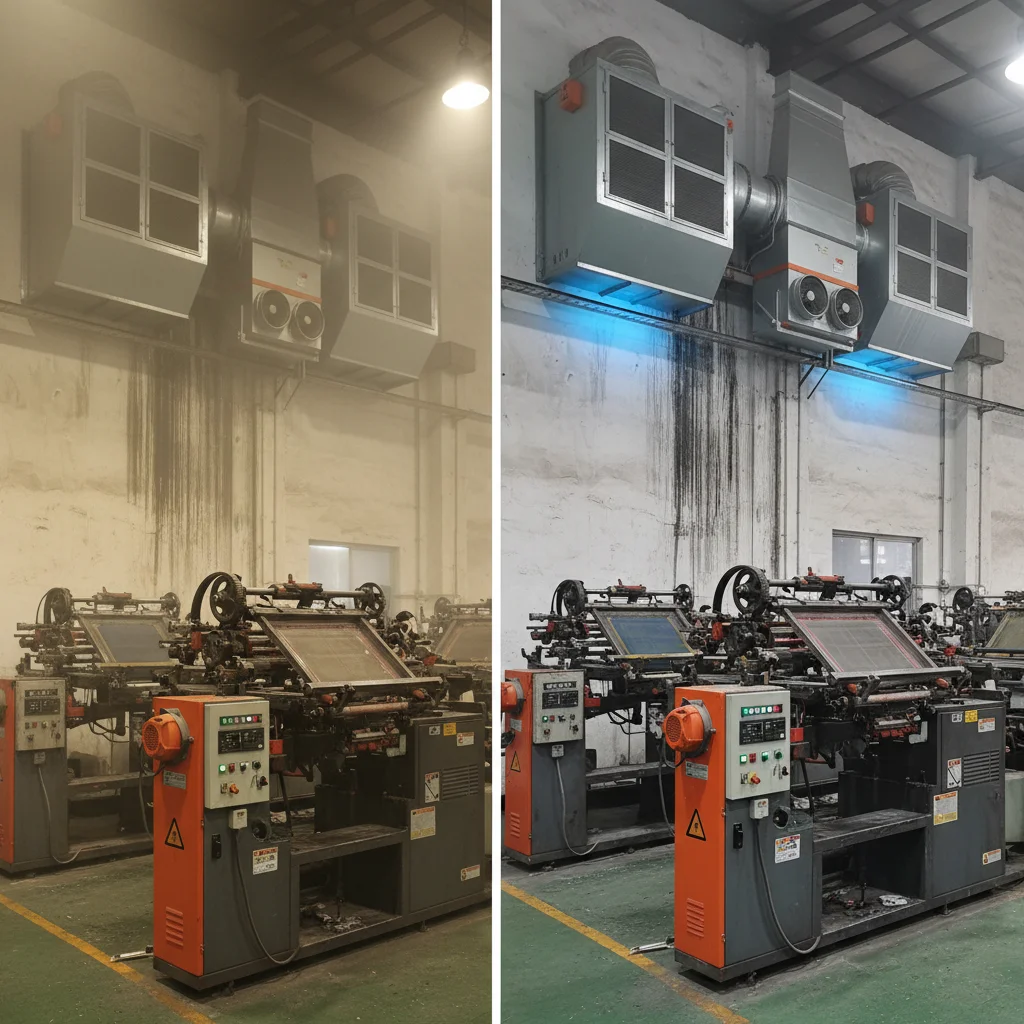
Industrial Wall Mounted Air Filtration for Clean Work Environments